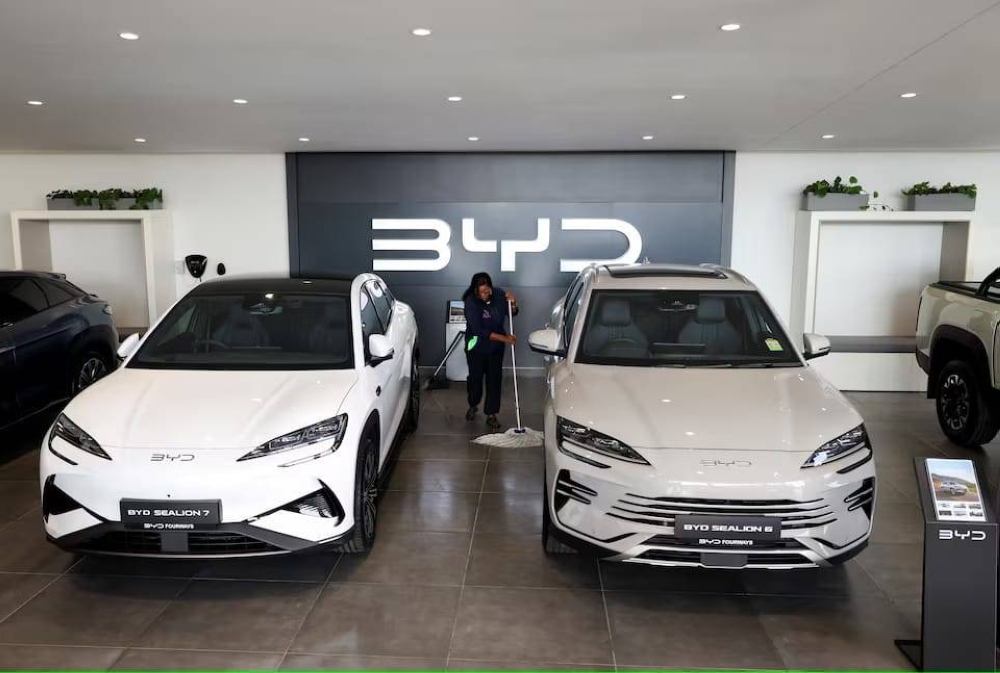
في ظل التنافس المتسارع في صناعة السيارات الكهربائية، برزت الشركات الصينية بقيادة PYD كمنافس قوي يهدد مكانة «تسلا» في سوق السيارات الكهربائية ذات الأسعار المعقولة، ويمتد هذا التحدي الآن إلى سباق تطوير تقنيات القيادة الذاتية.
بينما تستعد «تسلا» لإطلاق تجربة سيارات الأجرة الذاتية في أوستن، تكساس، خلال يونيو 2025، تواجه ضغوطاً متزايدة من الشركات الصينية التي تقدم أنظمة مساعدة القيادة المتقدمة بتكاليف أقل بكثير، مدعومة بدعم حكومي وابتكارات تكنولوجية متسارعة.
هذا التحول يضع إيلون ماسك، الرئيس التنفيذي لـ «تسلا»، أمام اختبار حاسم في ظل تراجع مبيعات الشركة في السوق الصينية، أكبر أسواق السيارات في العالم.
وأحدثت PYD ثورة في سوق السيارات الكهربائية الذكية مطلع هذا العام بتقديم نظام
«عين الإله» لمساعدة القيادة مجاناً، وهو نظام ينافس تقنية القيادة الذاتية الكاملة (FSD) من تسلا، التي تُباع بنحو 9000 دولار في الصين.
وقال تايلور أوغان، مستثمر أمريكي في PYD ومقيم في شنتشن، إن «عين الإله» يتفوق على نظام «تسلا» من حيث الأداء، مشيراً إلى تجربته في قيادة سيارات «بي واي دي» في شوارع شنتشن المزدحمة دون الحاجة للتدخل اليدوي.
ليست «بي واي دي» وحدها في هذا المضمار، إذ تقدم شركات مثل «ليبموتور» و«إكسبنغ» أنظمة قيادة ذاتية متقدمة في سيارات بأسعار تبدأ من 20 ألف دولار، بينما تعزز شركة «هواوي»، عملاق التكنولوجيا الصيني، مكانتها من خلال تزويد شركات مثل «شيري» و«تشانجان» بتقنيات القيادة الذاتية.
هذه المنافسة، المدعومة بالسياسات الحكومية الصينية، تشكل تحدياً كبيراً لتسلا، التي تعاني من تراجع مبيعاتها في الصين وسط حرب أسعار مستمرة.
ووفقاً لتحليلات أجرتها شركات متخصصة لرويترز، فإن تكلفة مكونات نظام «عين الإله» من PYD، الذي يعتمد على رادارات وليدار، تقارب تكلفة نظام تسلا FSD الذي يعتمد على الكاميرات فقط، ما يقوض استراتيجية تسلا التي تهدف إلى تقليل التكاليف باستخدام الذكاء الاصطناعي بدلاً من المستشعرات.
وتزيد القيود الصينية، التي تمنع تسلا من استخدام بيانات القيادة المجمعة في الصين لتطوير تقنياتها، من التحديات، بينما تستفيد الشركات الصينية من هذه البيانات لتحسين أنظمتها.
في شوارع شنتشن، التي يقطنها 18 مليون نسمة، أظهرت سيارة آيتو M9، وهي سيارة رياضية كهربائية فاخرة من «سيريس» مزودة بتقنية هواوي، قدرات متقدمة في التنقل بسلاسة بين الطرق السريعة والمناطق الحضرية، مع تجنب العوائق والقيام بمناورات مثل الركن التلقائي.
وفي معرض شنغهاي للسيارات في أبريل، أعلنت شركات مثل هواوي وزيكر وإكسبنغ تقدمها نحو أنظمة قيادة ذاتية من المستوى الثالث، التي تتيح للسائق عدم التركيز على الطريق إلا عند الضرورة، بينما لا تزال تسلا بحاجة إلى مزيد من التطوير لإطلاق نسخة مماثلة من نظامها.
وتستفيد الشركات الصينية من اقتصادات الحجم الناتجة عن طفرة السيارات الكهربائية، ما قلل تكاليف المستشعرات بنسبة تصل إلى 40% مقارنة بالأسواق الأوروبية والأمريكية.
وأشار كريس ماكنالي، مدير أبحاث السيارات العالمية في «إيفركور»، إلى أن PYD تتمتع بميزة تنافسية في جمع بيانات القيادة لتحسين «عين الإله»، خصوصاً مع تقديمها مجاناً، ما يعزز مبيعاتها. كما أن حجم PYD، التي باعت 4.2 مليون سيارة العام الماضي، يمنحها نفوذاً على الموردين، حيث طلبت تخفيض أسعار المكونات بنسبة 10% بدءاً من يناير 2025.
في المقابل، تواجه «تسلا» تحديات إضافية مع تراجع مبيعاتها عالمياً، ما دفعها العام الماضي إلى إلغاء خطط إنتاج سيارة كهربائية بتكلفة 25 ألف دولار، لتركز بدلاً من ذلك على سيارات الأجرة الذاتية، التي تشكل الآن الجزء الأكبر من قيمتها السوقية البالغة تريليون دولار.
In the midst of the accelerating competition in the electric vehicle industry, Chinese companies led by PYD have emerged as strong competitors threatening Tesla's position in the affordable electric vehicle market, and this challenge now extends to the race for developing self-driving technologies.
As Tesla prepares to launch its self-driving taxi experience in Austin, Texas, in June 2025, it faces increasing pressure from Chinese companies offering advanced driver assistance systems at significantly lower costs, supported by government backing and rapid technological innovations.
This shift puts Elon Musk, CEO of Tesla, in a critical test as the company's sales decline in the Chinese market, the largest automotive market in the world.
PYD revolutionized the smart electric vehicle market earlier this year by introducing the
"Eye of God" driving assistance system for free, a system that competes with Tesla's Full Self-Driving (FSD) technology, which sells for about $9,000 in China.
Taylor Ogan, an American investor in PYD residing in Shenzhen, stated that the "Eye of God" outperforms Tesla's system in terms of performance, pointing to his experience driving BYD cars in the crowded streets of Shenzhen without the need for manual intervention.
BYD is not alone in this arena, as companies like Leapmotor and Xpeng offer advanced self-driving systems in cars starting at $20,000, while Chinese tech giant Huawei strengthens its position by supplying companies like Chery and Changan with self-driving technologies.
This competition, supported by Chinese government policies, poses a significant challenge to Tesla, which is suffering from declining sales in China amid an ongoing price war.
According to analyses conducted by specialized firms for Reuters, the cost of components for PYD's "Eye of God" system, which relies on radars and lidar, is comparable to Tesla's FSD system that relies solely on cameras, undermining Tesla's strategy aimed at reducing costs by using artificial intelligence instead of sensors.
The Chinese restrictions, which prevent Tesla from using aggregated driving data in China to develop its technologies, add to the challenges, while Chinese companies benefit from this data to improve their systems.
In the streets of Shenzhen, home to 18 million residents, the Aito M9, a luxury electric sports car from Seres equipped with Huawei technology, demonstrated advanced capabilities in smoothly navigating between highways and urban areas, avoiding obstacles and performing maneuvers like automatic parking.
At the Shanghai Auto Show in April, companies like Huawei, Zeekr, and Xpeng announced their progress towards level three self-driving systems, which allow drivers to not focus on the road except when necessary, while Tesla still needs further development to launch a similar version of its system.
Chinese companies are benefiting from economies of scale resulting from the electric vehicle boom, which has reduced sensor costs by up to 40% compared to European and American markets.
Chris McNally, global automotive research director at Evercore, noted that PYD has a competitive advantage in collecting driving data to improve the "Eye of God," especially with its free offering, which boosts its sales. Additionally, the size of PYD, which sold 4.2 million cars last year, gives it leverage over suppliers, as it has requested a 10% reduction in component prices starting January 2025.
In contrast, Tesla faces additional challenges as its global sales decline, prompting it last year to cancel plans to produce a $25,000 electric car, instead focusing on self-driving taxis, which now constitute the majority of its $1 trillion market value.