


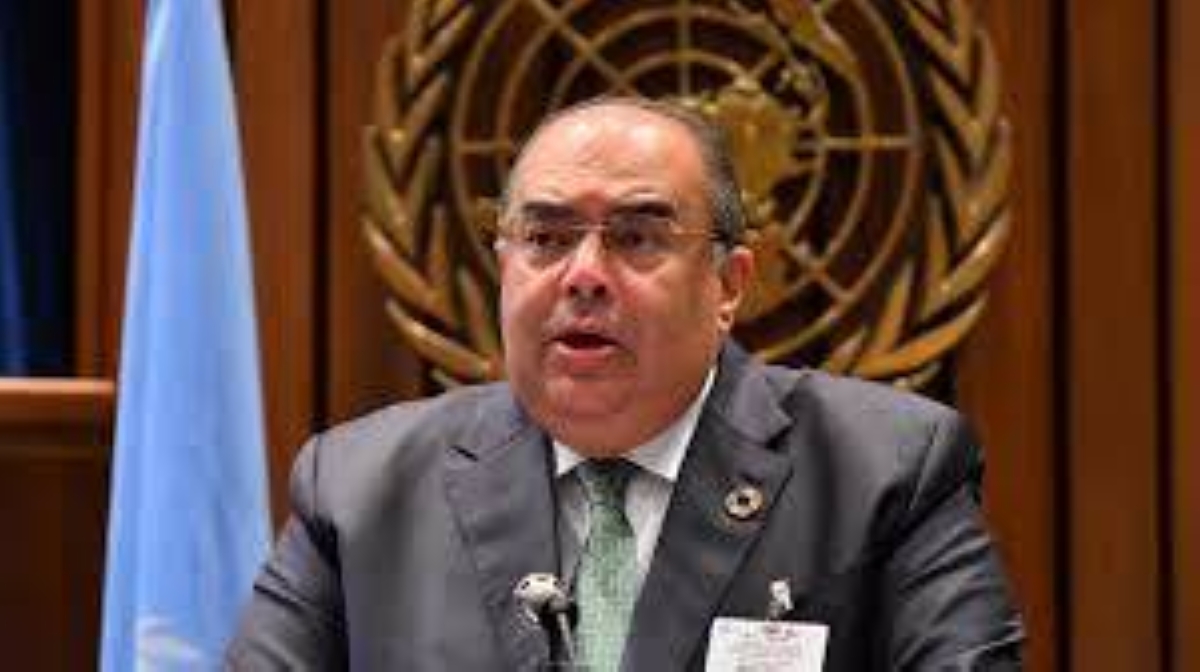
حذّر المبعوث الخاص للأمم المتحدة لتمويل التنمية الدكتور محمود محيي الدين من التداعيات السلبية لآلية الاتحاد الأوروبي لتعديل حدود الكربون على الصادرات المصرية، مؤكداً أن طريقة تطبيقها تفتقر إلى الشرعية الدولية وتحمّل الدول النامية أعباء إضافية لا تتوافق مع مبادئ العدالة المناخية.
وقال محيي الدين في مقابلة مع «العربية Business»: «إن صندوق النقد الدولي قدّر في دراسة مستقلة أن الأثر الكلي على الاقتصاد المصري قد يصل إلى نحو 317 مليون دولار سنويّاً. ورغم أن الرقم ليس كبيراً مقارنةً بحجم الاقتصاد ككل، إلا أنه يعادل فرض رسوم جمركية إضافية بنسبة 10% على صادرات هذه القطاعات».
وأوضح أن الدراسات التي أجريناها مع زميلتين من كلية الاقتصاد والعلوم السياسية بجامعة القاهرة الدكتورة ياسمين كمال والدكتورة مريم رمزي أوضحت أن القطاعات الأكثر تأثراً هي الحديد والأسمدة والألومنيوم بدرجة أكبر، بينما الأسمنت أقل تأثراً، مع العلم أن مصر لا تصدّر كميات تُذكر من الأسمنت إلى أوروبا.
وأضاف محيي الدين: «الاتحاد الأوروبي أعلن تطبيق هذه الآلية ابتداءً من يناير 2026، وتشمل صادرات من قطاعات محددة مثل الحديد والصلب والألومنيوم والأسمدة والأسمنت، بينما أضافت المملكة المتحدة أخيراً قطاع السيراميك إلى القائمة اعتباراً من عام 2027. وبموجب هذه الآلية، إذا تجاوزت الانبعاثات الكربونية في طن من الصادرات الحد المسموح به أوروبيّاً، فإنها تخضع لضريبة الكربون المعروفة باسم CBAM».
وأضاف: «المشكلة أن هذا الإجراء، رغم أنه يبدو حسن النية من حيث حماية البيئة وتحقيق العدالة بين المنتج المحلي الأوروبي والمصدّرين من الخارج، إلا أنه لم يستند إلى أي منظومة دولية متعددة الأطراف، ولم يُعرض على منظمة التجارة العالمية. كل ما صدر هو تصريحات من الاتحاد الأوروبي بأنه يعتقد أن إجراءاته متوافقة مع قواعد التجارة الدولية، لكن لم يصدر رأي ملزم حتى الآن».
وأشار محيي الدين إلى أن هذه السياسة واجهت حتى من داخل أوروبا نفسها ضغوطاً كبيرة، قبل أن يأتي الضغط الأمريكي، كان هناك ضغط من المستوردين الأوروبيين الذين رأوا أن هذه الإجراءات تضعهم في وضع غير تنافسي، وهو ما يؤدي إلى ما يُعرف بتحويل التجارة، وبالفعل قام الاتحاد الأوروبي في يونيو الماضي بإعفاء صغار المستوردين، الذين يمثلون 99% من إجمالي المستوردين، لكن المشكلة أن الجزء الأكبر من الواردات يتم عبر كبار المستوردين، وبالتالي بقيت الأزمة قائمة.
محيي الدين: آلية الكربون الأوروبي تهدّد صادرات مصر برسوم 10%
20 أغسطس 2025 - 18:18
|
آخر تحديث 20 أغسطس 2025 - 18:18


تابع قناة عكاظ على الواتساب
«عكاظ» (نيويورك)
The United Nations Special Envoy for Financing Development, Dr. Mahmoud Mohieldin, warned of the negative repercussions of the European Union's carbon border adjustment mechanism on Egyptian exports, emphasizing that its implementation lacks international legitimacy and imposes additional burdens on developing countries that are inconsistent with the principles of climate justice.
Mohieldin stated in an interview with "Al Arabiya Business": "The International Monetary Fund estimated in an independent study that the overall impact on the Egyptian economy could reach about $317 million annually. Although this figure is not large compared to the size of the economy as a whole, it is equivalent to imposing an additional 10% tariff on the exports of these sectors."
He explained that the studies we conducted with two colleagues from the Faculty of Economics and Political Science at Cairo University, Dr. Yasmin Kamal and Dr. Mariam Ramzy, indicated that the most affected sectors are iron, fertilizers, and aluminum to a greater extent, while cement is less affected, noting that Egypt does not export significant quantities of cement to Europe.
Mohieldin added: "The European Union announced the implementation of this mechanism starting from January 2026, which includes exports from specific sectors such as iron, steel, aluminum, fertilizers, and cement, while the United Kingdom recently added the ceramics sector to the list starting from 2027. Under this mechanism, if the carbon emissions in a ton of exports exceed the EU's permissible limit, it will be subject to the carbon tax known as CBAM."
He further stated: "The problem is that this measure, although it seems well-intentioned in terms of protecting the environment and achieving fairness between local European producers and foreign exporters, is not based on any multilateral international system and has not been presented to the World Trade Organization. All that has been issued is statements from the European Union claiming that it believes its measures are consistent with international trade rules, but no binding opinion has been issued so far."
Mohieldin pointed out that this policy has faced significant pressures even from within Europe itself; before the American pressure, there was pressure from European importers who saw that these measures put them in a non-competitive position, leading to what is known as trade diversion. Indeed, the European Union exempted small importers, who represent 99% of total importers, last June, but the problem is that the majority of imports are handled by large importers, and thus the crisis remains unresolved.
Mohieldin stated in an interview with "Al Arabiya Business": "The International Monetary Fund estimated in an independent study that the overall impact on the Egyptian economy could reach about $317 million annually. Although this figure is not large compared to the size of the economy as a whole, it is equivalent to imposing an additional 10% tariff on the exports of these sectors."
He explained that the studies we conducted with two colleagues from the Faculty of Economics and Political Science at Cairo University, Dr. Yasmin Kamal and Dr. Mariam Ramzy, indicated that the most affected sectors are iron, fertilizers, and aluminum to a greater extent, while cement is less affected, noting that Egypt does not export significant quantities of cement to Europe.
Mohieldin added: "The European Union announced the implementation of this mechanism starting from January 2026, which includes exports from specific sectors such as iron, steel, aluminum, fertilizers, and cement, while the United Kingdom recently added the ceramics sector to the list starting from 2027. Under this mechanism, if the carbon emissions in a ton of exports exceed the EU's permissible limit, it will be subject to the carbon tax known as CBAM."
He further stated: "The problem is that this measure, although it seems well-intentioned in terms of protecting the environment and achieving fairness between local European producers and foreign exporters, is not based on any multilateral international system and has not been presented to the World Trade Organization. All that has been issued is statements from the European Union claiming that it believes its measures are consistent with international trade rules, but no binding opinion has been issued so far."
Mohieldin pointed out that this policy has faced significant pressures even from within Europe itself; before the American pressure, there was pressure from European importers who saw that these measures put them in a non-competitive position, leading to what is known as trade diversion. Indeed, the European Union exempted small importers, who represent 99% of total importers, last June, but the problem is that the majority of imports are handled by large importers, and thus the crisis remains unresolved.


