


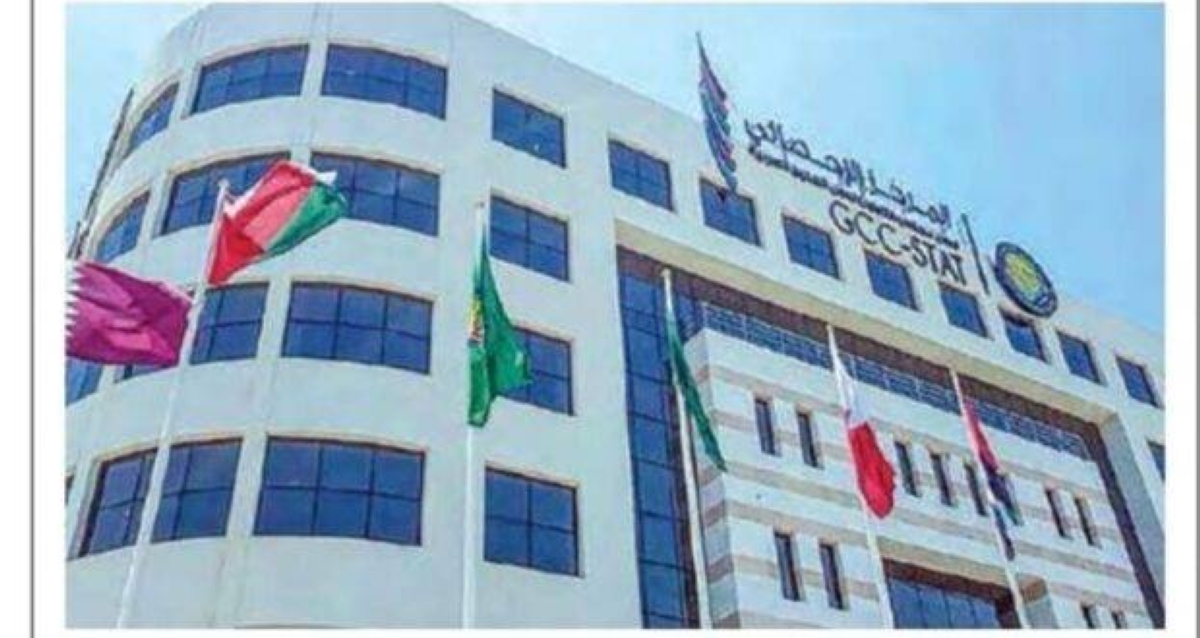
أعلن المركز الإحصائي لدول مجلس التعاون لدول الخليج العربية، أن إجمالي القيمة المضافة للقطاع غير النفطي في دول المجلس بلغ بنهاية عام 2023 نحو 1.5 تريليون دولار بالأسعار الجارية، فيما سجلت القيمة المضافة للقطاع النفطي 603.5 مليار دولار.
وأوضح المركز أن قيمة الدخل القومي الإجمالي (إجمالي الدخل الذي يحققه المواطنون والشركات) لدول المجلس بالأسعار الجارية في عام 2023 بلغت 2.1 تريليون دولار، بانخفاض 2.7% مقارنة 2.2 تريليون دولار في عام 2022.
أما قيمة الدخل القومي المتاح (المتاح للاستهلاك والادخار بعد خصم الضرائب والتحويلات الأخرى) فقد بلغت نحو 1.99 تريليون دولار، مقابل 2.05 تريليون دولار في 2022، بتراجع نسبته 3%.
وتشير البيانات إلى أن مساهمة القطاع غير النفطي في الناتج الإجمالي الخليجي بالأسعار الجارية ارتفعت في نهاية 2023 إلى 71.5% مقارنة بـ65% في 2022، مسجلة معدل نمو سنوي 6.4%.
وجاءت أنشطة التعدين واستغلال المحاجر الأكثر مساهمة في اقتصاد دول المجلس خلال السنوات الخمس الأخيرة بمتوسط 28.3%، فيما كانت أنشطة الصناعة التحويلية الأعلى مساهمة في الناتج المحلي الإجمالي للقطاع غير النفطي بمتوسط 11.7%.
وشهدت معظم الأنشطة الاقتصادية معدلات نمو إيجابية في عام 2023، حيث تصدرت أنشطة المال والتأمين بنمو 11.7%، تلاها النقل والتخزين بـ11.6%، والأنشطة العقارية بـ8.1%، والإدارة العامة والدفاع بـ7.9%، وتجارة الجملة والتجزئة بـ7.6%، والتعليم بـ5.5%. في المقابل، سجلت أنشطة التعدين واستغلال المحاجر تراجعاً بنسبة 18.8%، والصناعة التحويلية انخفاضاً بنسبة 0.7%.
أما فيما يخص مكونات الإنفاق على الناتج المحلي الخليجي بالأسعار الجارية، فقد بلغت قيمة الصادرات من السلع والخدمات بنهاية عام 2023 نحو 2.3 تريليون دولار، بنسبة مساهمة 59.5% من الناتج المحلي الإجمالي، وبتراجع قدره 7.1%.
وسجل الإنفاق على الاستهلاك النهائي (إجمالي ما تنفقه الأسر والمؤسسات غير الربحية والحكومة على شراء السلع والخدمات بهدف إشباع احتياجاتها مباشرةً، دون استخدامها في إنتاج سلع أو خدمات أخرى) 1.25 تريليون دولار، بمعدل نمو سنوي 7.5%. كما بلغ إجمالي التكوين الرأسمالي (تكوين رأس المال الثابت والأصول) 601.8 مليار دولار، محققاً نمواً سنوياً قدره 5.5%.
أنشطة "المال والتأمين والنقل" الأعلى نمواً في دول الخليج
17 أغسطس 2025 - 16:11
|
آخر تحديث 17 أغسطس 2025 - 20:47


تابع قناة عكاظ على الواتساب
«عكاظ» (الرياض)
The Statistical Center for the Gulf Cooperation Council (GCC) countries announced that the total value added of the non-oil sector in the member states reached approximately 1.5 trillion dollars at current prices by the end of 2023, while the value added of the oil sector recorded 603.5 billion dollars.
The center clarified that the Gross National Income (the total income earned by citizens and companies) of the GCC countries at current prices in 2023 amounted to 2.1 trillion dollars, a decrease of 2.7% compared to 2.2 trillion dollars in 2022.
As for the value of National Disposable Income (available for consumption and saving after deducting taxes and other transfers), it reached about 1.99 trillion dollars, compared to 2.05 trillion dollars in 2022, reflecting a decline of 3%.
The data indicates that the contribution of the non-oil sector to the total Gulf output at current prices increased at the end of 2023 to 71.5% compared to 65% in 2022, recording an annual growth rate of 6.4%.
The mining and quarrying activities were the most contributing to the economies of the member states over the past five years, with an average of 28.3%, while manufacturing activities had the highest contribution to the GDP of the non-oil sector with an average of 11.7%.
Most economic activities witnessed positive growth rates in 2023, with financial and insurance activities leading at a growth rate of 11.7%, followed by transportation and storage at 11.6%, real estate activities at 8.1%, public administration and defense at 7.9%, wholesale and retail trade at 7.6%, and education at 5.5%. In contrast, mining and quarrying activities recorded a decline of 18.8%, and manufacturing saw a decrease of 0.7%.
Regarding the components of expenditure on the Gulf GDP at current prices, the value of exports of goods and services by the end of 2023 reached about 2.3 trillion dollars, contributing 59.5% to the GDP, with a decline of 7.1%.
Final consumption expenditure (the total spent by households, non-profit institutions, and the government on purchasing goods and services to directly meet their needs, without using them to produce other goods or services) recorded 1.25 trillion dollars, with an annual growth rate of 7.5%. The total capital formation (formation of fixed capital and assets) amounted to 601.8 billion dollars, achieving an annual growth of 5.5%.
The center clarified that the Gross National Income (the total income earned by citizens and companies) of the GCC countries at current prices in 2023 amounted to 2.1 trillion dollars, a decrease of 2.7% compared to 2.2 trillion dollars in 2022.
As for the value of National Disposable Income (available for consumption and saving after deducting taxes and other transfers), it reached about 1.99 trillion dollars, compared to 2.05 trillion dollars in 2022, reflecting a decline of 3%.
The data indicates that the contribution of the non-oil sector to the total Gulf output at current prices increased at the end of 2023 to 71.5% compared to 65% in 2022, recording an annual growth rate of 6.4%.
The mining and quarrying activities were the most contributing to the economies of the member states over the past five years, with an average of 28.3%, while manufacturing activities had the highest contribution to the GDP of the non-oil sector with an average of 11.7%.
Most economic activities witnessed positive growth rates in 2023, with financial and insurance activities leading at a growth rate of 11.7%, followed by transportation and storage at 11.6%, real estate activities at 8.1%, public administration and defense at 7.9%, wholesale and retail trade at 7.6%, and education at 5.5%. In contrast, mining and quarrying activities recorded a decline of 18.8%, and manufacturing saw a decrease of 0.7%.
Regarding the components of expenditure on the Gulf GDP at current prices, the value of exports of goods and services by the end of 2023 reached about 2.3 trillion dollars, contributing 59.5% to the GDP, with a decline of 7.1%.
Final consumption expenditure (the total spent by households, non-profit institutions, and the government on purchasing goods and services to directly meet their needs, without using them to produce other goods or services) recorded 1.25 trillion dollars, with an annual growth rate of 7.5%. The total capital formation (formation of fixed capital and assets) amounted to 601.8 billion dollars, achieving an annual growth of 5.5%.


