


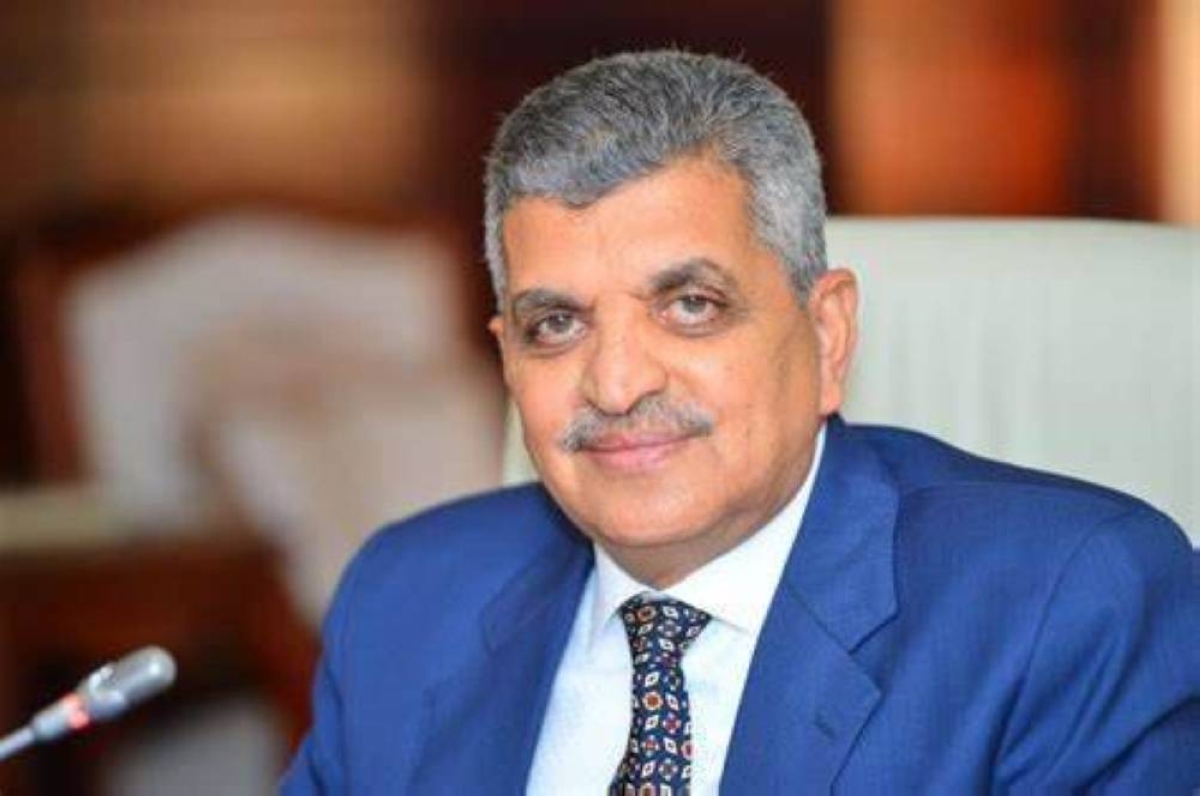
أعلن رئيس هيئة قناة السويس أسامة ربيع أن إيرادات القناة تراجعت بنسبة 66% خلال عام 2024؛ بسبب الهجمات في البحر الأحمر، متوقعاً تكرار التراجع بهذه النسبة خلال العام الحالي أيضاً.
وقال ربيع: «الهيئة تتوقع إيرادات بنحو ملياري دولار في النصف الثاني من العام الحالي، بإجمالي إيرادات 4 مليارات دولار على مدار العام مثل العام السابق».
وأشار إلى أن هذه النسب قد تتحسن إذا تغير الوضع في البحر الأحمر وتوقفت الهجمات على السفن التجارية حال التوصل لاتفاق لوقف إطلاق النار بغزة.
ونوه إلى أن الهيئة تأمل في عقد شراكة مع روسيا الاتحادية، مشيراً إلى عدم وجود شراكة بين الطرفين في الوقت الحالي، إذ يتركز التعاون والشراكة بالمنطقة الاقتصادية للقناة وإنشاء منطقة صناعية روسية.
وأضاف ربيع: «الهيئة تتعامل مع كل الدول بشكل متساوٍ»، مشدداً على أن قناة السويس غير مسيّسة.
وأوضح أن الهيئة قررت خفض رسوم العبور لسفن الحاويات الكبيرة، التي تزيد حمولتها على 130 ألف طن بنسبة 15%؛ بهدف تسريع عودتها للممر الملاحي، لكن الأمر يتعلق بهاجس أمني وليس اقتصادياً.
وذكر أنه بعد تجدد الهجمات في البحر الأحمر، أخيراً، عادت السفن لتفادي المرور عبر البحر الأحمر واختارت المرور عبر طريق رأس الرجاء الصالح، حتى لا تغامر بحمولتها وأطقم البحارة.
وبشأن المرور المجاني للسفن الأمريكية في القناة، بناء على طلب الرئيس الأمريكي دونالد ترمب، أوضح ربيع أن مصر كدولة تحترم المواثيق والمعاهدات، بما في ذلك معاهدة القسطنطينية لعام 1888، التي تنص على عدم التمييز بين أعلام السفن ودولها.
وأفاد أن القناة لا تميز بين الخدمات المقدمة للسفن، بناء على جنسية دولها، وتقدم خدمات واحدة وثابتة لجميع السفن، بغض النظر عن الدولة التابعة لها وبغض النظر عن وجود أو عدم وجود صداقة بينها وبين مصر.
بتراجع 66%.. مليارا دولار إيرادات قناة السويس في النصف الثاني
4 أغسطس 2025 - 18:07
|
آخر تحديث 4 أغسطس 2025 - 18:07


تابع قناة عكاظ على الواتساب
«عكاظ» (القاهرة)
The head of the Suez Canal Authority, Osama Rabie, announced that the canal's revenues have declined by 66% during the year 2024 due to attacks in the Red Sea, expecting a similar decline this year as well.
Rabie stated: "The authority expects revenues of about two billion dollars in the second half of this year, with total revenues of four billion dollars over the year, similar to the previous year."
He indicated that these figures could improve if the situation in the Red Sea changes and attacks on commercial ships cease, should a ceasefire agreement be reached in Gaza.
He noted that the authority hopes to establish a partnership with the Russian Federation, pointing out that there is currently no partnership between the two parties, as cooperation and partnership are focused on the economic zone of the canal and the establishment of a Russian industrial zone.
Rabie added: "The authority deals with all countries equally," emphasizing that the Suez Canal is not politicized.
He explained that the authority has decided to reduce transit fees for large container ships, which exceed 130,000 tons, by 15% in order to expedite their return to the shipping lane, but this is related to security concerns rather than economic ones.
He mentioned that after the recent resurgence of attacks in the Red Sea, ships have returned to avoiding passage through the Red Sea and have chosen to go around the Cape of Good Hope, so as not to risk their cargo and crews.
Regarding the free passage of American ships through the canal, based on a request from U.S. President Donald Trump, Rabie clarified that Egypt, as a country, respects treaties and agreements, including the 1888 Constantinople Convention, which stipulates non-discrimination between the flags of ships and their countries.
He stated that the canal does not differentiate between the services provided to ships based on their countries' nationalities, offering the same and consistent services to all ships, regardless of their country of origin and regardless of whether there is friendship or not between them and Egypt.
Rabie stated: "The authority expects revenues of about two billion dollars in the second half of this year, with total revenues of four billion dollars over the year, similar to the previous year."
He indicated that these figures could improve if the situation in the Red Sea changes and attacks on commercial ships cease, should a ceasefire agreement be reached in Gaza.
He noted that the authority hopes to establish a partnership with the Russian Federation, pointing out that there is currently no partnership between the two parties, as cooperation and partnership are focused on the economic zone of the canal and the establishment of a Russian industrial zone.
Rabie added: "The authority deals with all countries equally," emphasizing that the Suez Canal is not politicized.
He explained that the authority has decided to reduce transit fees for large container ships, which exceed 130,000 tons, by 15% in order to expedite their return to the shipping lane, but this is related to security concerns rather than economic ones.
He mentioned that after the recent resurgence of attacks in the Red Sea, ships have returned to avoiding passage through the Red Sea and have chosen to go around the Cape of Good Hope, so as not to risk their cargo and crews.
Regarding the free passage of American ships through the canal, based on a request from U.S. President Donald Trump, Rabie clarified that Egypt, as a country, respects treaties and agreements, including the 1888 Constantinople Convention, which stipulates non-discrimination between the flags of ships and their countries.
He stated that the canal does not differentiate between the services provided to ships based on their countries' nationalities, offering the same and consistent services to all ships, regardless of their country of origin and regardless of whether there is friendship or not between them and Egypt.


