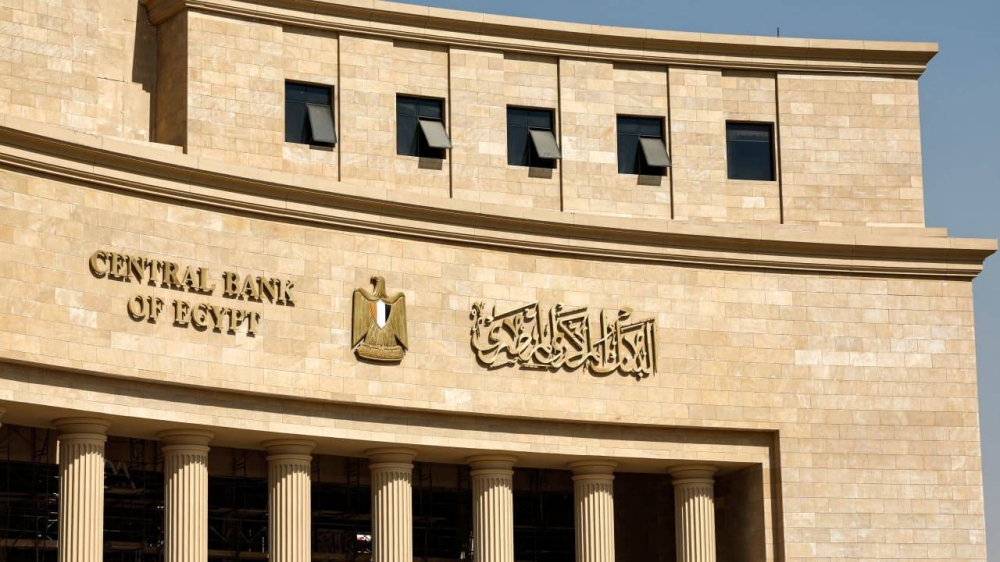
تتجه الأنظار إلى البنك المركزي المصري مع اقتراب اجتماع لجنة السياسات النقدية الأسبوع الحالي، حيث تتباين التوقعات حول مصير أسعار الفائدة وسط ارتفاع معدلات التضخم وتداعيات زيادة أسعار المحروقات.
بينما يرى البعض أن الفارق الكبير بين الفائدة والتضخم يدعم خفضًا جديدًا، يحث آخرون على الحذر لتجنب تفاقم الضغوط التضخمية، خصوصاً مع التوترات الجيوسياسية وتثبيت الفيدرالي الأمريكي لأسعار الفائدة. قرار المركزي المنتظر قد يحدد ملامح المرحلة الاقتصادية المقبلة في مصر.
وفي تصريح خاص لـ «عكاظ» توقع الخبير المصرفي محمد عبدالعال تثبيت أسعار الفائدة عند 25% للإيداع و26% للإقراض. يعزى ذلك إلى ارتفاع التضخم السنوي إلى 13.5% في أبريل 2025، مقارنة بـ13.1% في مارس، وفق بيانات الجهاز المركزي للتعبئة العامة والإحصاء، إلى جانب مخاوف من تأثير زيادة أسعار المحروقات على السلع والخدمات خلال مايو.
على الجانب الآخر، تشير توقعات هبة منير محلل الاقتصاد الكلي، إلى أن لجنة السياسة النقدية ستخفض أسعار الفائدة بمقدار 200 نقطة أساس، وذلك لتحفيز النمو الاقتصادي، نظراً للاستقرار النسبي في الظروف الاقتصادية المحلية والدولية مقارنة بالشهر السابق.
وقالت إن الاقتصاد المصري كان قادراً على احتواء الضغوط التضخمية وإن كان لا يزال أعلى من أهداف البنك المركزي المصري، فإن التضخم في مساره الهبوطي تأثر بسنة الأساس، كما أن تجارة الفائدة لا تزال جاذبة في مصر.
يدعم هذا التوقع الفارق الكبير بين الفائدة الحقيقية (الفائدة الاسمية مطروحًا منها التضخم)، الذي يتيح مجالًا للتيسير النقدي، إذ إن التضخم لا يزال ضمن النطاق المقبول دون 14%، مما يسمح بخفض محدود دون تعريض استقرار الأسعار للخطر.
كما يعزى هذا التوقع إلى أن استمرار أسعار الفائدة المرتفعة يثقل النمو الاقتصادي ويزيد التكاليف التضخمية.
يأتي الاجتماع بعد خفض تاريخي للفائدة في أبريل 2025 بمقدار 225 نقطة أساس، وهو الأول منذ نوفمبر 2020، إذ تراجع سعر الإيداع إلى 25% والإقراض إلى 26%.
The attention is turning to the Central Bank of Egypt as the Monetary Policy Committee meeting approaches this week, with expectations varying regarding the fate of interest rates amid rising inflation rates and the repercussions of increased fuel prices.
While some believe that the significant gap between interest rates and inflation supports a new cut, others urge caution to avoid exacerbating inflationary pressures, especially with geopolitical tensions and the U.S. Federal Reserve's interest rate stabilization. The anticipated decision from the Central Bank may define the features of the upcoming economic phase in Egypt.
In a special statement to "Okaz," banking expert Mohamed Abdel Aal predicted that interest rates would remain at 25% for deposits and 26% for loans. This is attributed to the annual inflation rising to 13.5% in April 2025, compared to 13.1% in March, according to data from the Central Agency for Public Mobilization and Statistics, alongside concerns about the impact of rising fuel prices on goods and services during May.
On the other hand, the expectations of Hiba Munir, a macroeconomic analyst, indicate that the Monetary Policy Committee will cut interest rates by 200 basis points to stimulate economic growth, given the relative stability in local and international economic conditions compared to the previous month.
She stated that the Egyptian economy has been able to contain inflationary pressures, and although it is still above the Central Bank of Egypt's targets, inflation is on a downward trajectory influenced by the base year, and interest trading remains attractive in Egypt.
This expectation is supported by the significant gap between real interest rates (nominal interest rates minus inflation), which allows room for monetary easing, as inflation remains within an acceptable range below 14%, permitting a limited reduction without jeopardizing price stability.
This expectation is also attributed to the fact that sustained high-interest rates burden economic growth and increase inflationary costs.
The meeting comes after a historic interest rate cut in April 2025 by 225 basis points, the first since November 2020, with the deposit rate falling to 25% and the lending rate to 26%.