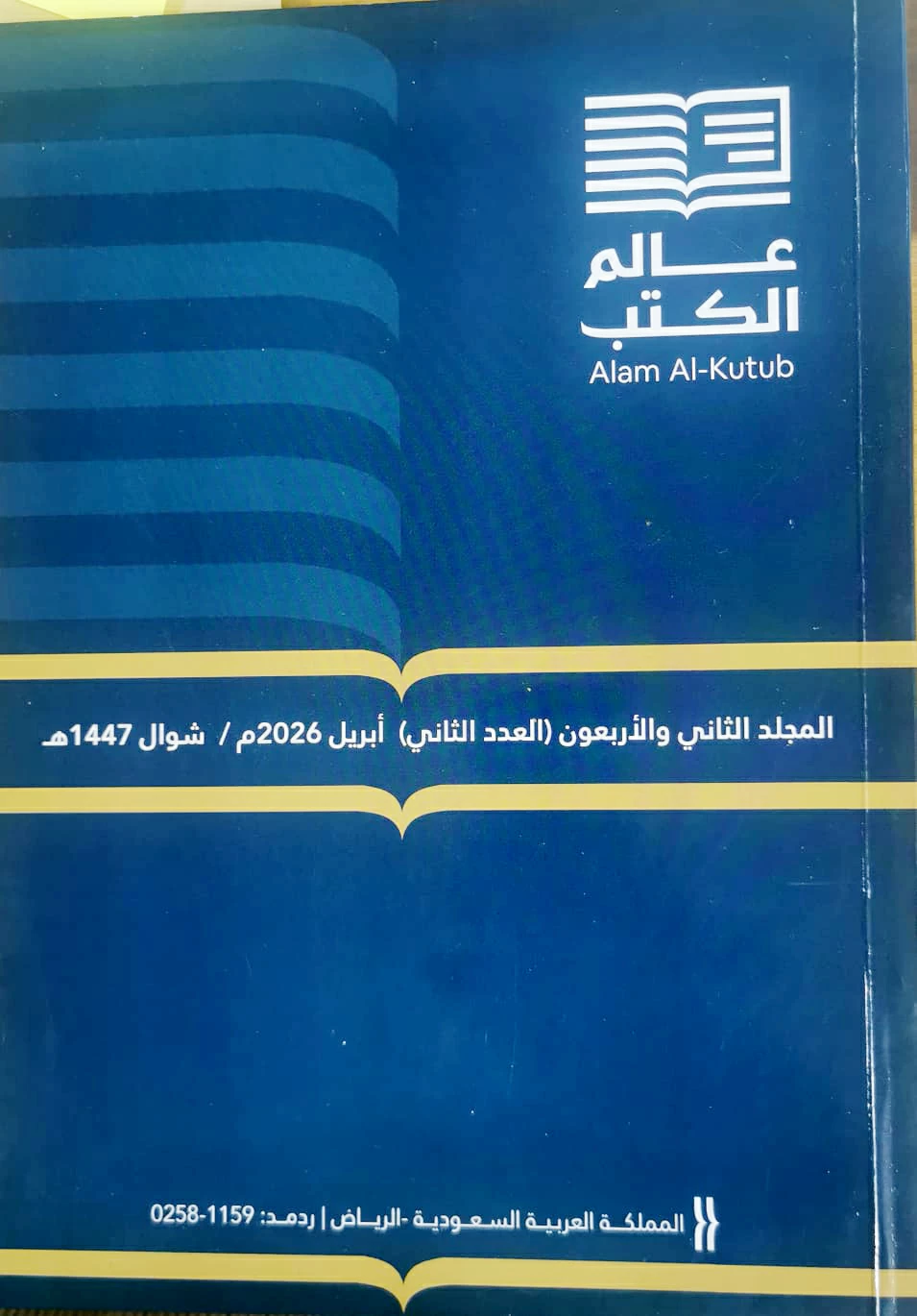
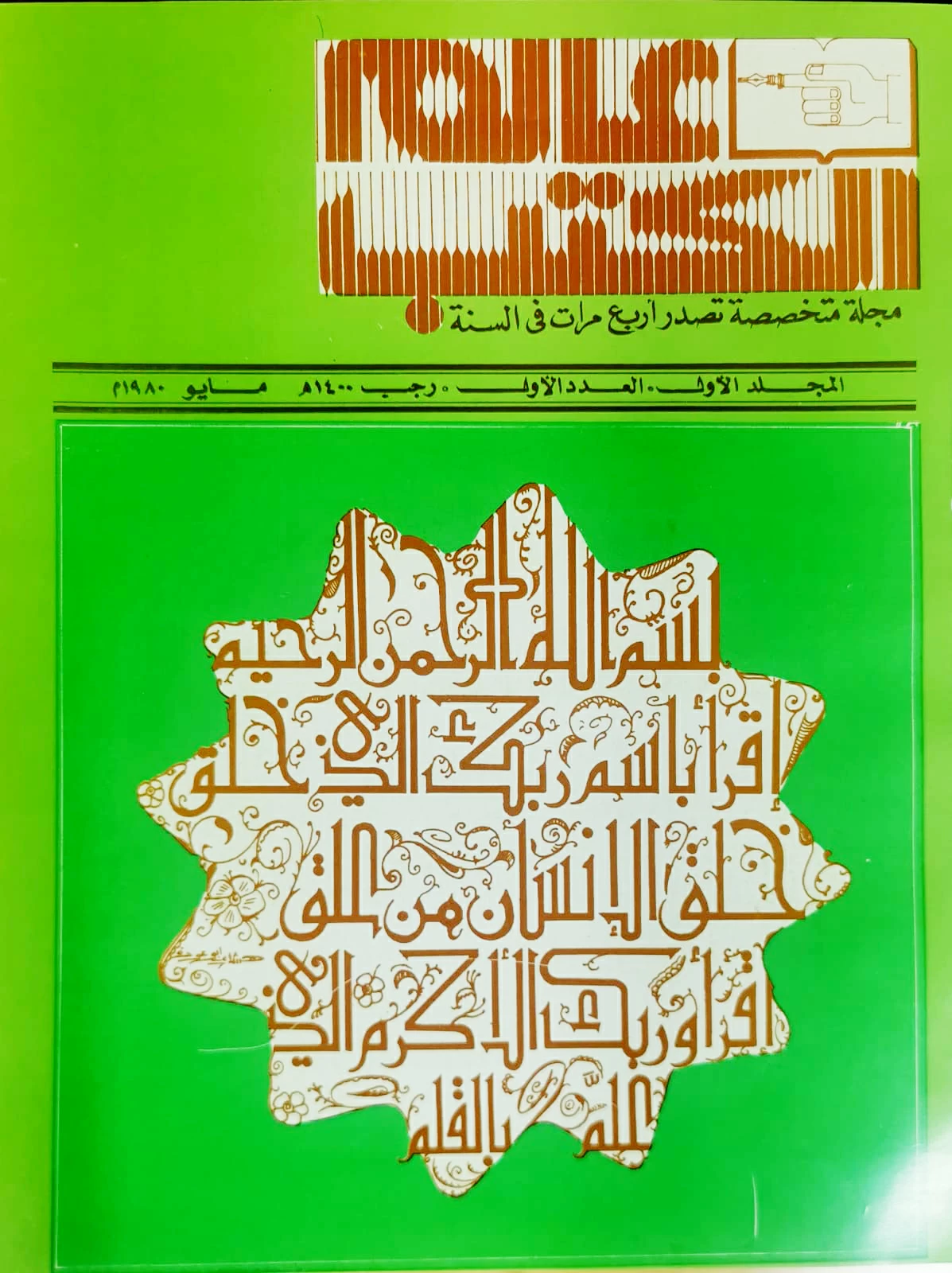
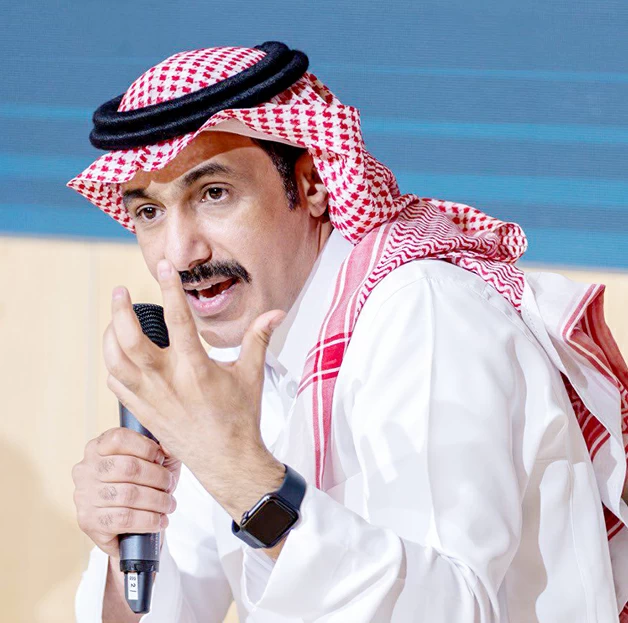
منذ أعلن الناقد الدكتور سعد البازعي قرب صدور العدد الأول من المجلة الإلكترونية «رامتان» عن دار كلمات، والمثقفون بين متفاعل ومتفائل بمجلة رقمية تعنى بمراجعة الكتب، وبين من يراها محاولة لفت أنظار القراء بعيداً عن كونها مشروعاً؛ بينما عدّها البعض مجاراة لمجلة (عالم الكتب) التي صدرت منذ نصف قرن، وأسّسها ورأس تحريرها الدكتور يحيى محمود بن جنيد (صدرت عام ١٤٠٠ - ١٩٨٠ ) وهي معنيّة بالكتاب دراسة وبحثاً وتحليلاً وأخباراً، وتوقفت، ثم عادت بروح جديدة.
البازعي كشف في تغريدة له على موقع (x) أن لدينا فراغاً كبيراً في الإصدارات التي تراجع الكتب بتقديم قراءات تحليلية وتقويمية جادة، وأن هذا ما تسعى «رامتان» للقيام به. وأوضح لـ«عكاظ» أنه سيفيدنا بالمعلومات عن المجلة حال صدورها كونها الآن الأفضل أن يرافق الكتابة عنها صور ومعلومات دقيقة.
فيما تحفّظ الروائي خالد اليوسف على إصدار البازعي مجلة، فيما لدينا مجلة (عالم الكتب) التي عدّها، مجلّةً علميةً محكمةً رصينة كتب فيها كبار المتخصصين في النقد والتحليل، لافتاً إلى أنها صدرت عن داري (الرفاعي للنشر والتوزيع، وثقيف للنشر والتأليف) وأكد أنها بحاجة للوقوف معها، ومساندتها بالبحوث والدراسات والتحليلات المتخصصة، وتطلّع إلى إعانة ومعاضدة المشروعات الناجحة، عوضاً عن الالتفاف عليها، وجذب الأنظار إلى شبيهاتها (فقط) لزيادة الرصيد والحضور، وأبدى اليوسف تحفظه على إنشاء دورية جديدة في نفس الغرض والتوجه.
فيما ذهب أستاذ الإعلام الرقمي الدكتور سعيد الدحية إلى أن إعلان الدكتور سعد البازعي تأسيس المجلة الإلكترونية «رامتان»، يُذكّره بإعلانه سابقاً عن (مجلة الورشة) التي لم يُكتب لها الحضور لأسباب مجهولة، موضحاً أنّنا اليوم أمام بشارة من نوع رفيع يقدمها البازعي لغاية مراجعات الكتب، وإزاء (مشروع معرفي جاد) إلا أنه لا غنى عن أن يكون مؤسسياً – يصدر عن مؤسسة - ليُحقق (الاستدامة)، مؤكداً أن العمل المؤسسي لمشروع معرفي جاد يجب أن ينهض عبر أحد مسارين: إما جهة حكومية، لديها القدرة على التمويل والرعاية، أو جهة خاصة كبرى، لديها استقرار مالي يضمن الدعم، وأضاف الدحية (في الجانب المقابل إن لم تصدر عبر تنظيم مؤسسي، فالبديل الأوحد مخرجات الذكاء الاصطناعي)، مشيراً إلى أن هذا أيضاً يتطلب باحثين يتولون أعمال التدقيق والمراجعات للمراجعات الآلية، لافتاً إلى أنه؛ وفي كلا الحالتين يتطلب العمل لمشروع معرفي جاد فكرة المأسسة، لتتحقق الاستدامة، وهو ما لن يتم دون جهة مالية ضامنة وداعمة.
وحيّا الدحية كل ضوء يفتح أفقاً إيجابياً وخلّاقاً، متمنياً للدكتور البازعي والباحثين في فريق (رامتان) التوفيق والاستدامة، وأضاف أراهم وُفّقوا في تسميتها - بما تحمله من رمزية تجمع بين الهويّة العربية، وتوحي بالموضة الأجنبية.
ويذهب الشاعر إبراهيم زولي إلى أن الإعلان عن إصدار مجلة «رامتان»، الذي أطلقه الناقد والمفكر الدكتور سعد البازعي عبر منصة «X» يشكّل منعطفاً جوهرياً في مسار المشهد الثقافي السعودي، موضحاً أن فضاءنا الإبداعي كابد من تضخم استهلاكي قابله ضمور حاد في الممارسة التحليلية الجادة، ومجيء هذه المنصة المعنيّة بمراجعة الإصدارات فلسفياً وأدبياً وعلمياً، لا يسد مجرد فراغ طباعي عابر، بل يؤسس لورشة تشريح تفكك المتن وتعيد مساءلته بموضوعية تامة، ويراها زولي؛ ليست إصداراً تقليديّاً، بل مختبراً رصيناً يقوم به وعليه نقاد وباحثون سعوديون، ليحوّلوا فعل القراءة من الاستيعاب السلبي إلى اشتباك تقويمي عميق، يمنح الساحة توازنها الفكري، وللكلمة مكانتها المأمولة وسط التحولات المتسارعة التي تشهدها ذائقة المتلقي المعاصر.
وأبدى الناقد الدكتور أحمد سماحة تفاؤله بمشروع الدكتور البازعي، كونه مبدعاً ومثقفاً فاعلاً ونشطاً دوما في الملتقيات والمؤتمرات الثقافية، وعدّ توجهه نحو تأسيس مجلة (رامتان) امتداداً لدوره في الحراك الثقافي ليس على مستوى المملكة فقط ولكن في العالم العربي، مؤكداً أنه سيكون للمجلّة دور مميّز ثقافي وتطلّع إلى استيعاب كافة الأسماء النقدية العربية لتغدو المجلة حاضنة مشروع إبداعي مشترك تعزز أواصر التعاون والتفاعل.
فيما ذهب الإعلامي عبدالله وافيه إلى أن المجلة فكرة جميلة وتستحق الاحتفاء، لافتاً إلى أن المأمول منها أن تتجاوز مجرد عرض ومراجعة للكتاب إلى تحليل وكشف بعيداً عن المجاملات والنظريات المحنطة القديمة في معالجة النصوص، متطلّعاً إلى أن تفتح الباب لأسماء جديدة لعرض مشاريعهم النقدية، بعيداً عن الانطباعات الشخصية العابرة، والقراءات التي تجامل بعضها البعض.
وطالب المجلة بأن تعيد ثلاثية الكتاب والناقد والقارئ وفق معايير جادة ومتقنة وعميقة، إذ إن ظاهرة غزارة الإصدارات تحتاج إلى فرز ونقد يحد من العبث والاستسهال. وتطلع إلى أن تسهم «رامتان» في إعادة الحياة للنقد الأدبي وبعثه من مرقده بتوسيع دائرة الحوار الأدبي وكشف مواطن القوة والضعف في الإنتاج الأدبي والنقدي والفلسفي، وفتح آفاق جديدة لمتلقٍ مختلف في زمن متغيّر.
Since the critic Dr. Saad Al-Bazai announced the upcoming release of the first issue of the electronic magazine "Ramtan" from Dar Kalimat, intellectuals have been divided between those who are engaged and optimistic about a digital magazine dedicated to book reviews, and those who see it as an attempt to divert readers' attention away from being a genuine project; while some consider it a mimicry of the magazine "Alam Al-Kutub," which was published half a century ago and founded and edited by Dr. Yahya Mahmoud Bin Junaid (it was published in 1400 - 1980) and is concerned with books through study, research, analysis, and news, it stopped, then returned with a new spirit.
Al-Bazai revealed in a tweet on (x) that we have a significant gap in publications that review books by providing serious analytical and evaluative readings, and that this is what "Ramtan" aims to achieve. He clarified to "Okaz" that it will provide us with information about the magazine upon its release, as it is now best that writing about it is accompanied by images and accurate information.
Meanwhile, novelist Khaled Al-Yousef expressed his reservations about Al-Bazai's magazine, given that we already have the magazine "Alam Al-Kutub," which he considers a reputable scientific journal that has featured writings from prominent specialists in criticism and analysis, noting that it was published by the publishing houses (Al-Rifai for Publishing and Distribution, and Thaqeef for Publishing and Writing) and emphasized that it needs support through research, studies, and specialized analyses, looking forward to assisting and supporting successful projects, rather than diverting attention to similar ones (only) to increase presence and visibility. Al-Yousef expressed his reservations about establishing a new periodical with the same purpose and direction.
On the other hand, digital media professor Dr. Said Al-Dahya stated that Dr. Saad Al-Bazai's announcement of the establishment of the electronic magazine "Ramtan" reminds him of his previous announcement about (Al-Warsha Magazine), which did not succeed for unknown reasons, explaining that today we are faced with a high-quality announcement presented by Al-Bazai for the purpose of book reviews, and regarding a (serious knowledge project), it is essential that it be institutional – issued by an institution – to achieve (sustainability), confirming that the institutional work of a serious knowledge project must rise through one of two paths: either a governmental body with the capacity for funding and sponsorship, or a major private entity with financial stability that ensures support. Al-Dahya added (on the flip side, if it is not issued through an institutional organization, the only alternative is the outputs of artificial intelligence), noting that this also requires researchers to undertake the tasks of auditing and reviewing automated reviews, pointing out that in both cases, the work for a serious knowledge project requires the idea of institutionalization to achieve sustainability, which will not happen without a guaranteed and supportive financial entity.
Al-Dahya praised every light that opens a positive and creative horizon, wishing Dr. Al-Bazai and the researchers in the "Ramtan" team success and sustainability, adding that he sees them as having succeeded in naming it – with its symbolism that combines Arab identity and hints at foreign fashion.
Poet Ibrahim Zuli believes that the announcement of the issuance of the magazine "Ramtan," launched by critic and thinker Dr. Saad Al-Bazai via the "X" platform, represents a significant turning point in the trajectory of the Saudi cultural scene, explaining that our creative space has suffered from consumer inflation matched by a sharp decline in serious analytical practice. The arrival of this platform, which is concerned with reviewing publications philosophically, literarily, and scientifically, does not merely fill a transient typographical void but establishes a workshop for dissecting the text and re-questioning it with complete objectivity. Zuli sees it not as a traditional publication but as a solid laboratory conducted by Saudi critics and researchers, transforming the act of reading from passive absorption to a deep evaluative engagement, granting the arena its intellectual balance and the word its hoped-for status amid the rapid transformations witnessed by the contemporary audience's taste.
Critic Dr. Ahmed Samaha expressed his optimism about Dr. Al-Bazai's project, as he is a creative and active intellectual always present in cultural forums and conferences. He considered his move to establish the magazine "Ramtan" an extension of his role in the cultural movement, not only at the level of the Kingdom but also in the Arab world, confirming that the magazine will have a distinctive cultural role and looking forward to encompassing all Arabic critical names to make the magazine a nurturing ground for a joint creative project that enhances the bonds of cooperation and interaction.
Meanwhile, media figure Abdullah Wafi stated that the magazine is a beautiful idea and deserves celebration, noting that what is hoped from it is to go beyond merely presenting and reviewing books to analysis and revelation, away from flattery and outdated theories in text processing, looking forward to opening the door for new names to present their critical projects, away from transient personal impressions and readings that flatter each other.
He called for the magazine to restore the trilogy of the book, critic, and reader according to serious, meticulous, and deep standards, as the phenomenon of the abundance of publications requires sorting and criticism to limit frivolity and ease. He hopes that "Ramtan" will contribute to revitalizing literary criticism and resurrecting it from its slumber by expanding the circle of literary dialogue and revealing the strengths and weaknesses in literary, critical, and philosophical production, and opening new horizons for a different audience in a changing time.