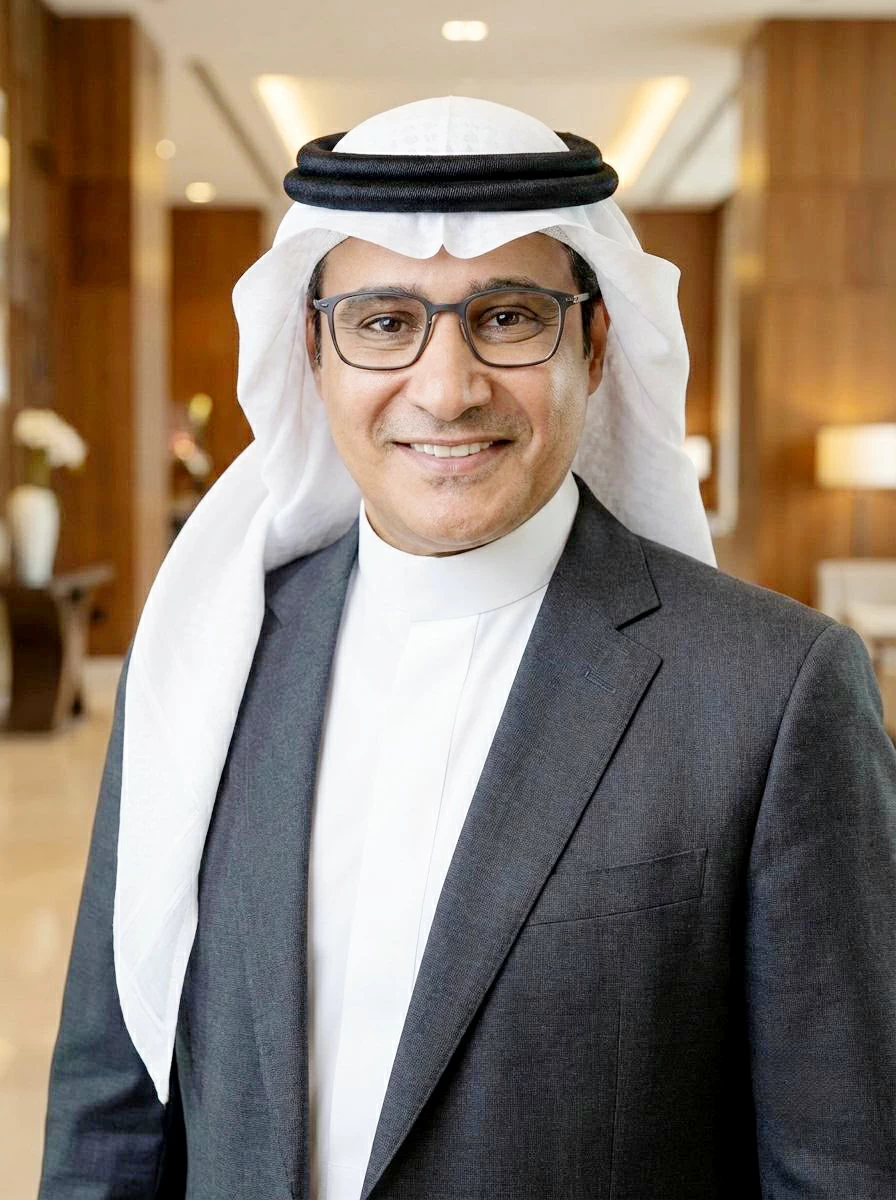
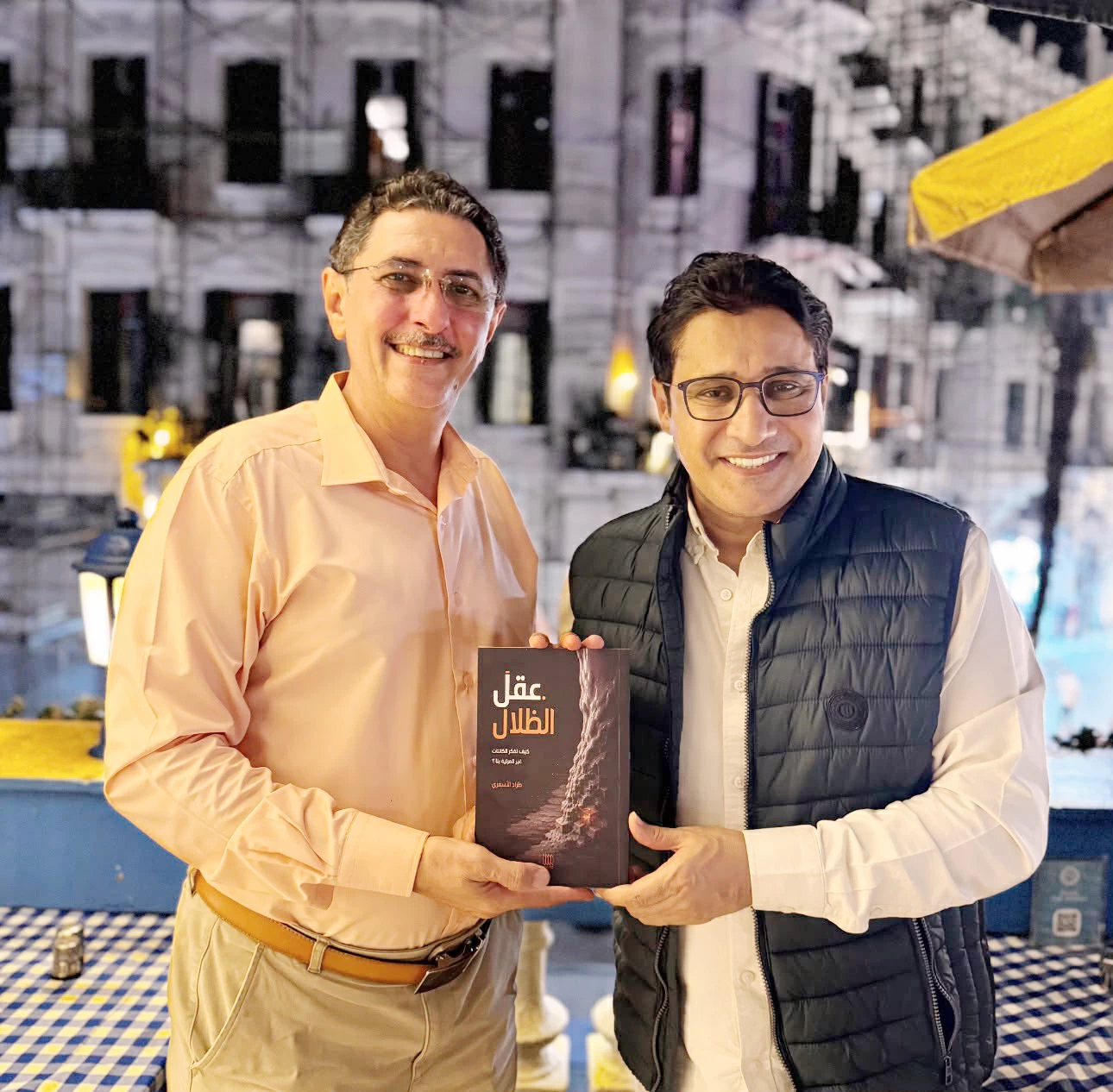
رحلة تبدأ من ذاكرة الطفولة وتمتد إلى عوالم القراءة والصحافة والثقافة، حيث تصنع التفاصيل الصغيرة وعياً مختلفاً بالحياة ويظل الكتاب مساحة لاكتشاف الإنسان وفهم ما وراء الحكايات، وفي حوارنا مع طراد الأسمري نتوقف عند محطات من طفولته ورحلته مع القراءة والصحافة والثقافة ونقترب من تجربته في الكتابة والتأليف، وعلاقته بعالم القطط ورؤيته للتحولات الثقافية في المملكة وأهمية الكتاب في زمن تتسارع فيه مصادر المعرفة.
• كيف تتذكر طفولتك، وما المواقف أو التفاصيل الأولى التي تشعر أنها أسهمت في تشكيل شخصيتك واهتماماتك؟
•• أتذكرها مرتبطة بوالدي، رحمه الله. كان كفيفاً، وكنت أرافقه كثيراً، وأظن أنني رأيت الدنيا مبكراً بعين بصيرته قبل أن أراها بعيني، والطفل لا تصنعه الأحداث الكبيرة وحدها، تصنعه أشياء صغيرة لا ينتبه لها الكبار، وتتمثل في كلمة سمعها، وموقف لم يفهمه، وسؤال بقي في رأسه أعواماً؛ وإن سألتني عن الخيط الذي يربط تلك الأيام بما جاء بعدها فهو الفضول. درست التاريخ، ودخلت الصحافة، ثم صرت أؤلف الكتب، وكلها في نظري محاولات للإجابة عن سؤال قديم: لماذا تجري الأمور كما تجري؟ ولماذا يفكر الناس بهذه الطريقة دون غيرها؟ ولهذا ما زلت مشغولاً بالتفاصيل. الإنسان يكشف نفسه في موقف عابر أكثر مما يكشفها في خطبة طويلة.
• متى بدأت علاقتك الحقيقية بالقراءة، وما أول كتاب أو كاتب تتذكر أنه فتح أمامك عالم القراءة؟
•• لا أستطيع أن أحصرها في كتاب واحد أو يوم بعينه. بدأت القراءة الحقيقية يوم صار الكتاب يغيّر نظرتي للأشياء. قبل ذلك كنت أقرأ فقط. في البداية تقرأ لتعرف، ثم تكتشف أن كل كتاب جديد يدلّك على ما لا تعرفه. كلما كبرت المكتبة كثرت الأسئلة، ودراسة التاريخ ساعدتني. علّمني التاريخ مبكراً ألا أكتفي برواية واحدة، وأن للحدث الواحد أكثر من وجه وأكثر من مصلحة، وأن الحكم السريع غالباً حكم ناقص، بعدها توسعت قراءاتي من التاريخ والأدب والصحافة إلى الفلسفة وعلم النفس والاجتماع، ثم التقنية والذكاء الاصطناعي وعالم الحيوان. والكتاب الذي يستحق القراءة عندي هو الذي أخرج منه غير الذي دخلته.
• كيف تصف علاقتك بالكتاب اليوم، وهل تغيرت علاقتك بالقراءة والكتب مع مرور السنوات وتغير مصادر المعرفة؟
•• تغيّرت كثيراً. كنا في الماضي نتعب حتى نصل إلى المعلومة، واليوم تصلنا أكثر مما نحتمل. فصار همّي أن أفرز، لا أن أجمع. حولنا كتب ومقالات ومقاطع وبودكاست بلا حد، والمعنى قليل. لذلك صرت أطلب من الكتاب ما لا تعطيني إياه الشاشة: أن أبقى مع فكرة واحدة وقتاً كافياً لأفهمها.
أستخدم أدوات الذكاء الاصطناعي كثيراً وأتابعها عن قرب، ومع ذلك أرى أن حاجتنا إلى الكتاب تزيد كلما زادت السرعة. الكتاب يكاد يكون المكان الوحيد الذي لا تقاطعك فيه فكرة جديدة كل عشر ثوانٍ، وصار عندي المكان الذي أستعيد فيه تركيزي.
• مَن الشخصيات الأدبية أو الثقافية أو الصحفية التي تركت أثراً فيك، وما الذي أخذته من تجاربها؟
•• لا أنتمي إلى اسم واحد ولا إلى مدرسة واحدة. تكوّنت من قراءات متفرقة تقاطعت مع الوقت، أثّر فيّ كل كاتب يجرؤ على السؤال، وكل صحفي يحترم الحقيقة، وكل أديب يأخذ حكاية صغيرة ويجعل منها سؤالاً يخص الناس جميعاً، ومع مرور السنين صرت أحذر من التأثر نفسه. التعلم من الكبار مطلوب، أما تقليدهم فيقتل الكاتب. خذ منهم المفاتيح، وابحث عن بابك أنت، وأهم درس خرجت به من القراءة والصحافة معاً: لا تطمئن إلى الإجابة الأولى، فخلفها في الغالب سؤال آخر.
• ما أول مادة صحفية نشرتها، وماذا تتذكر عن تلك اللحظة عندما رأيت اسمك للمرة الأولى منشوراً؟
•• لا أذكر عنوانها بصراحة. الذي أذكره جيداً رهبة أن ترى اسمك مطبوعاً لأول مرة، في البدايات تظن أن ظهور الاسم هو الإنجاز. بعد أعوام تفهم أن الاسم أقل ما في المادة قيمة، وأن السؤال الحقيقي: ماذا أضفت للقارئ؟ وكانت الصحافة مدرستي الطويلة، من صحيفة الرياض إلى العمل التلفزيوني والإعلامي في CNBC عربية وMBC وغيرهما، وفي كل محطة تغيّر فهمي للمهنة. كنت أظن أن عمل الصحفي أن يصل إلى الخبر، ثم عرفت أن الأصعب أن يفهم ما وراءه.
• خلال تجربتك في العمل الصحفي هل هناك موقف لا يزال حاضراً في ذاكرتك وتشعر أنه غيّر شيئاً في نظرتك إلى الصحافة أو إلى الناس؟
•• الصحافة أدخلتني أماكن لم أكن لأدخلها، وأجلستني أمام ناس لا يجمعني بهم شيء في الحياة العادية، وأكثر ما تعلمته منها أن الإنسان أكبر من العنوان الذي نضعه عليه. صور كثيرة كنت أحملها عن أشخاص تغيّرت حين جلست معهم وسمعتهم وعرفت من أين جاؤوا. فصرت أبطأ في الحكم، وأحرص على الفهم قبل الإدانة، الصحافة الجيدة لا تزيد الصحفي ثقة بنفسه، بل تزيده تواضعاً. والحقيقة نادراً ما تأتي في جملة قصيرة، وجزء كبير من عمل الصحفي أن يقاوم إغراء التبسيط.
• للقطط حضور خاص في تجربتك امتد إلى الكتابة والتأليف عنها، ماذا تمثل لك القطط، وكيف تحولت هذه العلاقة من اهتمام شخصي إلى مشروع كتابي؟
•• بدأت عاطفة، ثم صارت سؤالاً، ومن هذا السؤال خرج كتاب «كيف تفكر القطط؟». حين تعيش مع قط لأعوام تكتشف أنك أمام كائن له عالمه: رغباته ومخاوفه وطريقته في التواصل، وحدود يرسمها لك ولا يسمح بتجاوزها. فتبدأ الأسئلة: بماذا يفكر؟ كيف يراني؟ هل يحب كما أفهم أنا الحب؟ لماذا يختار هذا المكان أو هذا الشخص دون غيره؟
ومع «هابي»، بطل الكتاب، ومع غيره من القطط التي عاشت معي، انتبهت إلى أننا نقيس الحيوان بمقياسنا نحن. والأمتع أن تحاول رؤية العالم كما يراه هو، والقط يعلّمك شيئاً عن الحب: أنه لا يعني الملكية، تعطيه البيت والأكل والأمان، ويبقى له ركن لا يدخله أحد. وربما لهذا أحبه، والكتابة عن القطط أوصلتني إلى سؤال أكبر منها: هل نحترم المختلف عنا، أم نحب فقط ما يشبهنا؟ والطريقة التي يعامل بها الإنسان من هو أضعف منه تقول عن أخلاقه أكثر مما يقوله هو عن نفسه.
• كيف ترى العلاقة بين الصحافة والمشهد الثقافي اليوم، وهل ما زالت الصحافة قادرة على صناعة حراك ثقافي مؤثر؟
•• نعم، لكن دورها تغيّر، كانت الصحافة الطريق شبه الوحيد إلى الجمهور. اليوم يصل الكاتب والفنان إلى الناس مباشرة عبر المنصات. خسرت الصحافة احتكار التوزيع، ولم تخسر أهميتها، مهمتها الآن أصعب: أن تختار وتفسر وتتحقق وتضع الأشياء في سياقها. كانت قيمتها في الوصول إلى المعلومة، وصارت قيمتها في أن تقول للقارئ وسط هذا الضجيج: هذا ما يستحق وقتك، والثقافة أوسع من صفحة عن الكتب والندوات. هي في السينما والتقنية والعمارة وسلوك الناس واللغة التي يتكلمون بها كل يوم. والصحافة الثقافية التي تفهم ذلك أمامها عمل كثير.
• كيف تقرأ المشهد الثقافي السعودي في ظل التحولات الكبيرة التي تشهدها المملكة، وما أبرز التحولات التي لفتت انتباهك خلال العقد الأخير؟
•• أكثر ما يلفتني أن المساحة نفسها اتسعت. الكتاب والسينما والمسرح والموسيقى والفنون والتراث والنشر وصناعة المحتوى، كلها حاضرة اليوم بقوة. والأهم أن جيلاً جديداً صار يرى في العمل الثقافي مهنة وحياة، لا هواية على الهامش، لكن الاتساع وحده لا يكفي. السؤال الذي يهمني بعد كل فعالية: ماذا بقي في رأس من حضرها بعد أن انطفأت الأضواء؟ فالثقافة لا تقاس بعدد الكتب والمسارح والمعارض. تقاس بما تغيّره في طريقة تفكير المجتمع ونظرته إلى نفسه، والسعودية أمامها فرصة حقيقية لتجربة ثقافية لها ملامحها: منفتحة على العالم، وقادرة في الوقت نفسه على أن تحكي حكاياتها بصوتها.
• كيف تنظر إلى التحولات التي شهدتها معارض الكتب في المملكة، وهل أصبحت تؤدي أدواراً تتجاوز بيع الكتب واقتناءها إلى صناعة المعرفة والحراك الثقافي؟
•• نعم. المعرض الذي يكتفي ببيع الكتب مكتبة موسمية لا أكثر. المعرض الذي أريده هو مكان للأفكار واللقاءات والأسئلة، والجيد فيما حدث أن الكتاب صار مركزاً تدور حوله أشياء كثيرة: لقاءات مع المؤلفين، وحوارات، وورش، وكاتب يجلس مع قارئه وجهاً لوجه، أحياناً لا يكون أهم ما تخرج به من المعرض هو كتاب اشتريته، بل كاتب عرفته، أو فكرة سمعتها، أو سؤال عدت به إلى البيت، وأتمنى أن تصبح المعارض مختبرات أيضاً، نناقش فيها مستقبل القراءة والنشر الرقمي والترجمة والذكاء الاصطناعي، وكيف يتكوّن القارئ الجديد. فالسؤال اليوم لم يعد: ماذا نقرأ؟ صار: كيف سنقرأ في عالم يتغير بهذه السرعة؟
• برأيك ما الذي يحتاجه المشهد الثقافي السعودي اليوم ليواصل تطوره، وما المساحة التي تتمنى أن تمنح للكتاب والمثقف والصحفي خلال المرحلة المقبلة؟
•• ثلاثة أشياء: العمق، والاستمرار، ومساحة أوسع للتجريب. الحراك واسع وهذا جيد، لكن الثقافة تراكم. الكتاب العظيم لا يُكتب في موسم، والمثقف لا تصنعه مناسبة، والمشروع الفكري يحتاج سنوات حتى تظهر ملامحه، وأتمنى إتاحة مساحة أكبر للأفكار المختلفة والأصوات الجديدة، وللمشاريع التي تبدو غريبة في أولها. أغلب ما غيّر الثقافة بدأ في مكان لم يلتفت إليه أحد، وأتمنى أن يستعيد الكاتب والصحفي والمثقف دور السائل. زمن السرعة يدفع الناس إلى الإجابات الجاهزة، ومع الذكاء الاصطناعي ستصبح الإجابات متاحة لكل أحد وبلا جهد. عندها تنتقل قيمة الإنسان إلى مكان آخر: أن يختار، وأن يصوغ السؤال الصحيح، وأن يتحمل مسؤولية ما يفعله بما يعرف، وهذا ما على الثقافة أن تحرسه: أن تذكّر الإنسان، وسط كل هذا التقدم، بما يجعله إنساناً.
A journey that begins from childhood memories and extends into the realms of reading, journalism, and culture, where small details create a different awareness of life, and the book remains a space for discovering humanity and understanding what lies beyond the stories. In our conversation with Tarad Al-Asmary, we pause at stations from his childhood and his journey with reading, journalism, and culture, getting closer to his experience in writing and authorship, his relationship with the world of cats, and his vision of cultural transformations in the Kingdom and the importance of books in an era where sources of knowledge are accelerating.
• How do you remember your childhood, and what situations or early details do you feel contributed to shaping your personality and interests?
•• I remember it connected to my father, may he rest in peace. He was blind, and I accompanied him a lot. I think I saw the world early through his insight before I saw it with my own eyes. A child is not shaped only by major events; they are shaped by small things that adults do not notice, represented in a word they heard, a situation they did not understand, and a question that lingered in their mind for years. If you ask me about the thread that connects those days to what came after, it is curiosity. I studied history, entered journalism, and then began to write books, all of which, in my view, are attempts to answer an old question: Why do things happen as they do? And why do people think in this way and not another? That is why I am still preoccupied with details. A person reveals themselves in a fleeting moment more than in a long speech.
• When did your real relationship with reading begin, and what was the first book or writer you remember that opened the world of reading to you?
•• I cannot limit it to one book or a specific day. My real reading began when the book started to change my perspective on things. Before that, I was just reading. Initially, you read to know, then you discover that every new book points you to what you do not know. The more the library grew, the more questions multiplied, and studying history helped me. History taught me early on not to settle for one narrative, that a single event has more than one face and more than one interest, and that quick judgments are often incomplete. After that, my readings expanded from history and literature and journalism to philosophy, psychology, sociology, then technology, artificial intelligence, and the animal world. The book that deserves to be read is the one that I come out of different from how I entered it.
• How would you describe your relationship with books today, and has your relationship with reading and books changed over the years with the evolution of knowledge sources?
•• It has changed a lot. In the past, we struggled to reach information, and today we receive more than we can handle. So my concern has become to sift through, not to collect. We have books, articles, clips, and podcasts without limit, and the meaning is scarce. Therefore, I now ask of books what screens do not give me: to stay with one idea long enough to understand it.
I use artificial intelligence tools a lot and follow them closely, yet I see that our need for books increases as speed increases. The book is almost the only place where a new idea does not interrupt you every ten seconds, and it has become the place where I regain my focus.
• Who are the literary, cultural, or journalistic figures that have left an impact on you, and what have you taken from their experiences?
•• I do not belong to one name or one school. I have formed from scattered readings that intersected with time; every writer who dares to ask has influenced me, every journalist who respects the truth, and every literary figure who takes a small story and turns it into a question that concerns everyone. As the years passed, I became cautious of being influenced in the same way. Learning from the greats is necessary, but imitating them kills the writer. Take the keys from them, and search for your own door. The most important lesson I have learned from both reading and journalism together is: do not trust the first answer, for behind it is often another question.
• What was the first journalistic material you published, and what do you remember about that moment when you saw your name published for the first time?
•• I honestly do not remember its title. What I remember well is the awe of seeing your name printed for the first time; in the beginning, you think that the appearance of the name is the achievement. After years, you understand that the name is the least valuable part of the material, and the real question is: what did you add for the reader? Journalism was my long school, from Al-Riyadh newspaper to television and media work at CNBC Arabia, MBC, and others, and at each station, my understanding of the profession changed. I used to think that a journalist's job was to get to the news, then I learned that the harder part is understanding what lies behind it.
• During your experience in journalism, is there a moment that still lingers in your memory and you feel changed something in your perspective on journalism or on people?
•• Journalism took me to places I would not have entered, and seated me in front of people with whom I share nothing in ordinary life. The most I learned from it is that a person is greater than the label we put on them. Many images I held about people changed when I sat with them, listened to them, and learned where they came from. I became slower in judgment and more careful to understand before condemning. Good journalism does not increase the journalist's confidence; rather, it increases their humility. And the truth rarely comes in a short sentence, and a large part of a journalist's work is to resist the temptation to simplify.
• Cats have a special presence in your experience that has extended to writing and authoring about them. What do cats represent to you, and how did this relationship transform from personal interest to a writing project?
•• It started as an emotion, then became a question, and from this question came the book "How Do Cats Think?". When you live with a cat for years, you discover that you are in front of a being with its own world: its desires, fears, communication style, and boundaries it sets for you that it does not allow you to cross. Then the questions begin: what does it think? How does it see me? Does it love as I understand love? Why does it choose this place or this person over others?
With "Happy," the hero of the book, and with other cats that lived with me, I realized that we measure animals by our own standards. The fun part is trying to see the world as it sees it, and the cat teaches you something about love: that it does not mean ownership. You give it home, food, and safety, yet it retains a corner that no one enters. Perhaps that is why I love it, and writing about cats led me to a bigger question: do we respect those who are different from us, or do we only love what resembles us? The way a person treats someone weaker than them says more about their morals than what they say about themselves.
• How do you see the relationship between journalism and the cultural scene today, and is journalism still capable of creating an impactful cultural movement?
•• Yes, but its role has changed. Journalism was almost the only road to the audience. Today, writers and artists reach people directly through platforms. Journalism has lost the monopoly on distribution, but it has not lost its importance; its mission is now harder: to choose, interpret, verify, and place things in context. Its value was in reaching information, and now its value is in telling the reader amidst this noise: this is what deserves your time. Culture is broader than a page about books and seminars; it is in cinema, technology, architecture, people's behavior, and the language they speak every day. Cultural journalism that understands this has much work ahead.
• How do you read the Saudi cultural scene in light of the significant transformations taking place in the Kingdom, and what are the most notable transformations that have caught your attention in the last decade?
•• What strikes me most is that the same space has expanded. Books, cinema, theater, music, arts, heritage, publishing, and content creation are all strongly present today. Most importantly, a new generation has begun to see cultural work as a profession and a life, not just a hobby on the sidelines. But mere expansion is not enough. The question that concerns me after every event is: what remains in the minds of those who attended after the lights have gone out? Culture is not measured by the number of books, theaters, and exhibitions; it is measured by what it changes in the way society thinks and views itself. Saudi Arabia has a real opportunity for a cultural experience with its own features: open to the world, yet capable of telling its stories in its own voice.
• How do you view the transformations that book fairs in the Kingdom have undergone, and have they begun to play roles that go beyond selling and acquiring books to knowledge production and cultural movement?
•• Yes. A fair that only sells books is nothing more than a seasonal library. The fair I want is a place for ideas, meetings, and questions. The good thing about what has happened is that the book has become a center around which many things revolve: meetings with authors, dialogues, workshops, and a writer sitting face to face with their reader. Sometimes, the most important thing you come out of the fair with is not a book you bought, but an author you met, or an idea you heard, or a question you returned home with. I hope that fairs also become laboratories where we discuss the future of reading, digital publishing, translation, artificial intelligence, and how the new reader is formed. The question today is no longer: what do we read? It has become: how will we read in a world changing this rapidly?
• In your opinion, what does the Saudi cultural scene need today to continue its development, and what space do you hope to be granted to authors, intellectuals, and journalists in the upcoming phase?
•• Three things: depth, continuity, and a wider space for experimentation. The movement is broad, and that is good, but culture is accumulation. A great book is not written in a season, and an intellectual is not made by an occasion, and an intellectual project takes years for its features to emerge. I hope to provide a larger space for different ideas and new voices, and for projects that may seem strange at first. Most of what has changed culture began in a place no one paid attention to, and I hope that the writer, journalist, and intellectual regain the role of the questioner. The age of speed pushes people toward ready-made answers, and with artificial intelligence, answers will become available to everyone without effort. At that point, the value of a person shifts to another place: to choose, to formulate the right question, and to bear the responsibility of what they do with what they know. This is what culture must guard: to remind humanity, amidst all this progress, of what makes them human.