منذ ستينيات القرن الماضي، تحوّلت أغاني كأس العالم من مبادرات فردية بسيطة إلى واحدة من أقوى أدوات التأثير الجماهيري في الرياضة.
ورغم تعدد الفنانين الذين مرّوا على هذه الساحة، بقيت بعض الأسماء محفورة في ذاكرة الجمهور؛ وعلى رأسهم شاكيرا (عالميًا) ونانسي عجرم (عربيًا)، اللتان لعبتا دورًا محوريًا في تشكيل هوية الموسيقى المرتبطة بالمونديال.
نانسي عجرم
ملكة أغاني كأس العالم
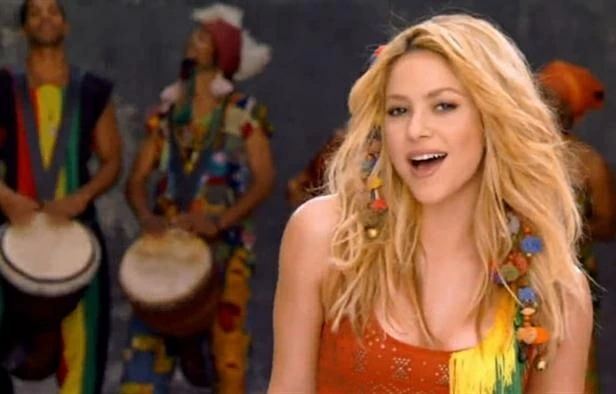
ورغم أن أول أغنية مرتبطة بكأس العالم ظهرت عام 1962 في تشيلي، فإن الانطلاقة الحقيقية للأغنية العالمية جاءت مع نسخة 1998، قبل أن تصل إلى ذروتها في 2010 مع الأغنية التي غيّرت قواعد اللعبة: (واكا واكا) لشاكيرا؛ إذ تحولت الأغنية إلى ظاهرة كونية، تجاوزت حدود البطولة لتصبح جزءًا من الثقافة الشعبية العالمية. وتخطى فيديو الأغنية حاجز 4.5 مليار مشاهدة، ودخلت موسوعة (غينيس) كأكثر أغنية مونديالية استماعًا، لتصبح شاكيرا أول فنانة في التاريخ تمتلك أكثر من أغنية رسمية لكأس العالم، ما دفع الجمهور ووسائل الإعلام إلى منحها لقب (ملكة أغاني كأس العالم).
ريكي مارتن
لم يكن تأثير شاكيرا موسيقيًا فقط، بل ثقافيًا أيضًا، إذ ساهمت في نشر الإيقاعات الأفرو–لاتينية عالميًا، وربطت الموسيقى بالهوية الرياضية بطريقة لم يسبق لها مثيل. ومنذ ذلك الحين، أصبحت الأغنية الرسمية جزءًا أساسيًا من هوية كل نسخة من المونديال.
كي نان
نانسي.. الأكثر انتشارًا عربيًا
وفي العالم العربي، برز اسم نانسي عجرم كأحد أهم الأصوات التي ارتبطت بالمونديال، رغم أن مشاركتها لم تكن ضمن الأغاني الرسمية للفيفا. فقد قدّمت النسخة العربية من أغنية (Wavin’ Flag) عام 2010، لتصبح الأغنية الأكثر انتشارًا عربيًا في تلك النسخة. وقدمت نانسي أداءً حمل روح التفاؤل والاحتفال، ما جعل الأغنية تُستخدم في الحملات الإعلانية والفعاليات الجماهيرية في مختلف الدول العربية.
Crazy Frog
أغاني من ذاكرة البطولة
لم تقتصر شهرة أغاني كأس العالم على الأعمال الرسمية وحدها، بل برزت عبر العقود مجموعة من الأغاني التي أصبحت جزءًا من ذاكرة البطولة، سواء بتكليف من الفيفا أو عبر الانتشار الجماهيري الواسع. فقد قدّم ريكي مارتن عام 1998 واحدة من أكثر الأغاني تأثيرًا في تاريخ المونديال بأغنيته (كأس الحياة) التي تصدرت قوائم الموسيقى حول العالم وأطلقت موجة الانتشار اللاتيني عالميًا. وفي نسخة 2006، حقق Crazy Frog انتشارًا غير متوقع بأغنيته «We Are the Champions (Ding Dong)» التي أصبحت لدى كثيرين (الأغنية غير الرسمية) للبطولة رغم عدم تبني الفيفا لها. كما برزت أغنية (Wavin’ Flag) للمغني الصومالي–الكندي كي نان في 2010، التي تحولت إلى نشيد عالمي بفضل نسخها المتعددة؛ ومنها النسخة العربية التي أدّتها نانسي عجرم. هذه الأعمال، إلى جانب الأغاني الرسمية، صنعت أرشيفًا موسيقيًا ضخمًا يرافق المونديال في كل نسخة ويعكس تنوع الثقافات المشاركة فيه.
وبين العالمية الطاغية لشاكيرا، والحضور العربي المؤثر لنانسي، أصبحت أغاني كأس العالم جزءًا من ذاكرة المشجعين، وركنًا ثابتًا في صناعة الحماس قبل كل بطولة، لتؤكد أن الموسيقى باتت شريكًا رسميًا لكرة القدم في أكبر حدث رياضي على وجه الأرض.
Since the 1960s, World Cup songs have transformed from simple individual initiatives into one of the most powerful tools of mass influence in sports.
Despite the many artists who have graced this arena, some names remain etched in the public's memory; at the forefront are Shakira (globally) and Nancy Ajram (Arabically), who played a pivotal role in shaping the identity of music associated with the World Cup.
Queen of World Cup Songs
Although the first song associated with the World Cup appeared in 1962 in Chile, the real launch of the global song came with the 1998 edition, before reaching its peak in 2010 with the song that changed the game: (Waka Waka) by Shakira; the song became a global phenomenon, transcending the boundaries of the tournament to become part of global pop culture. The music video surpassed 4.5 billion views and entered the (Guinness) World Records as the most listened-to World Cup song, making Shakira the first artist in history to have more than one official World Cup song, prompting the public and media to bestow upon her the title of (Queen of World Cup Songs).
Shakira's influence was not only musical but also cultural, as she contributed to the global spread of Afro-Latin rhythms and linked music to sports identity in an unprecedented way. Since then, the official song has become an essential part of the identity of each World Cup edition.
**media«2724236»**
Nancy.. The Most Popular Arab Artist
In the Arab world, Nancy Ajram emerged as one of the most important voices associated with the World Cup, even though her participation was not among FIFA's official songs. She presented the Arabic version of the song (Wavin’ Flag) in 2010, making it the most popular Arabic song in that edition. Nancy delivered a performance that carried a spirit of optimism and celebration, which led to the song being used in advertising campaigns and public events across various Arab countries.
**media«2724238»**
Songs from the Tournament's Memory
The fame of World Cup songs was not limited to official works alone; over the decades, a collection of songs has emerged that became part of the tournament's memory, whether commissioned by FIFA or through widespread public popularity. Ricky Martin presented one of the most impactful songs in World Cup history in 1998 with his song (The Cup of Life), which topped music charts around the world and launched a wave of Latin popularity globally. In the 2006 edition, Crazy Frog achieved unexpected popularity with his song “We Are the Champions (Ding Dong),” which became for many (the unofficial song) of the tournament despite not being adopted by FIFA. The song (Wavin’ Flag) by Somali-Canadian singer K’naan also stood out in 2010, transforming into a global anthem thanks to its multiple versions; including the Arabic version performed by Nancy Ajram. These works, alongside the official songs, created a massive musical archive that accompanies the World Cup in every edition and reflects the diversity of the cultures participating in it.
Between Shakira's overwhelming global presence and Nancy's impactful Arab presence, World Cup songs have become part of the fans' memory and a constant pillar in generating excitement before each tournament, confirming that music has become an official partner of football in the biggest sporting event on Earth.