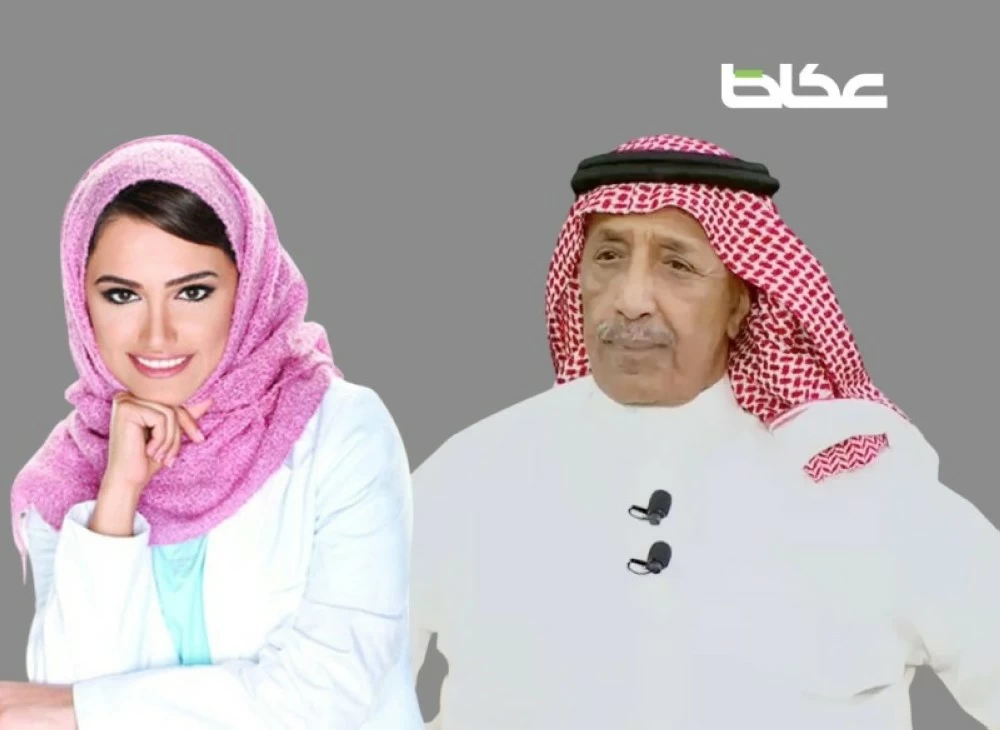
أشعل عنوان ندوة «مَنْ كتب بنات الرياض؟»، موجة من التشكيك والجدل والتحذيرات بين مؤلفة الرواية الدكتورة رجاء الصانع وبين الكاتب عبدالله بن بخيت المشارك في الندوة المقرر مساء اليوم (الثلاثاء)، بالرياض.
العنوان أثار غضب الكاتبة رجاء الصانع قبل انعقاد الندوة، ورأت فيه «تشكيكاً صريحاً ومضللاً» في ملكيتها الفكرية لعمل أدبي منشور ومسجل باسمها منذ عام 2005.
من جانبه، أكد عبدالله بن بخيت، لـ«عكاظ»، أن تشكيكه في نسبة رواية «بنات الرياض» إلى كاتبتها رجاء الصانع يستند إلى «أدلة من داخل الرواية نفسها»، مشدداً على أن هذا الطرح «لا علاقة له بالملكية الفكرية»، بقدر ما هو قراءة نقدية تستند إلى الشواهد النصية والثقافية.
وأوضح ابن بخيت أن تاريخ الأدب عرف نقاشات كثيرة حول التشكيك في كاتب العمل؛ دون أن يُعد انتهاكاً لحقوق الملكية، مبيناً أن الانتهاك -بحسب توصيفه- يكون بطباعة العمل دون إذن صاحبه أو وضع اسم غير اسمه عليه. وعدّ ما صدر عن المؤلفة من تلويح بالمساءلة القانونية «محاولة تخويف»، مؤكداً تمسكه بحقه في الطرح النقدي. كما أبدى تحفظه على استضافتها في مهرجان الدرعية للرواية بوصفها -على حد قوله- «نظّرت عن العمل»، مضيفاً أن الشواهد تدفع للتشكيك في اسم غازي القصيبي.
وكانت رجاء الصانع كتبت في حسابها على منصة (X) بعد إعلان عنوان الندوة المثير للجدل: «أرفض هذا الطرح جملةً وتفصيلاً، وأؤكد أن المساءلة لا تتعلق بعنوان الندوة فقط، بل بمضمون النقاش. وأي محاولة لتغيير العنوان مع الإبقاء على التشكيك في نسب الرواية تُعد التفافاً غير مقبول ولا يعفي من المسؤولية».
وأضافت: «بنات الرياض» عمل أدبي محفوظ الحقوق قانونياً داخل المملكة وخارجها، وأي تشكيك علني أو ترويج لروايات مغلوطة حول نسبته يُعد تعدّياً على الملكية الفكرية وإساءة معنوية، وأحتفظ بكامل حقي القانوني في اتخاذ الإجراءات اللازمة.
فيما أورد الكاتب عبدالله بن بخيت في مقالات سابقة ملاحظات على الرواية، منها أعمار البطلات، وأن النص لا يتوفَّر أبداً على روح المغامرة الشبابية، وإنما كُتب بحذر الإنسان الوقور الذي يتحسّس خطواته.. ما جعل علاقة النص بالجيل الذي تتحدث عنه الرواية علاقة واهية، فالنص يُعبِّر عن ثقافة ووجدان وذوق إنسان عاش في فترة الستينات أو السبعينات.
ويرى أن جميع الشواهد الثقافية تنتسب لجيل السبعينات، وكأن المؤلفة عاشت وتشبَّعت بهؤلاء الكُتَّاب، ولاحظ ابن بخيت أن إحدى البطلات تقول: «وجدت في كتابات القصيبي، والحمد الكثير من الأحداث والتلميحات السياسية التي ذكّرتها بروايات يوسف السباعي، وإحسان عبدالقدوس، التي أدمنت قراءتها في مرحلة المراهقة».
ويتساءل: أي مراهقة هذه، إن كانت البطلات في العشرينات من العمر ومتى كانت تلك المراهقة؟.. ويفترض أن تبدأ مراهقة فتاة في أول العشرين من عمرها بحسب الرواية مطلع التسعينات، في حين أن أعمال السباعي، وإحسان عبدالقدوس، اختفت قبل أن تُولد المؤلِّفة بـ20 سنة على الأقل.
ويتطلع المتابعون إلى ندوة ربما تشعل فتيل الجدل حول رواية، كُتبت في لحظة فارقة، وكتب في مقدمتها الوزير السفير الدكتور غازي القصيبي «إشادة» كانت من أسباب تداول سؤال «من كتب بنات الرياض؟».
يذكر أن سوابق كتابية أثارت ضجة في الأوساط الثقافية منها رواية «ذاكرة الجسد» لأحلام مستغانمي، التي ذهب البعض إلى أن كاتبها الفعلي الشاعر العراقي الراحل سعدي يوسف.
The title of the seminar "Who Wrote Girls of Riyadh?" has sparked a wave of doubt, controversy, and warnings between the author of the novel, Dr. Rajaa Alsanea, and the writer Abdullah Bin Bakheet, who is participating in the seminar scheduled for this evening (Tuesday) in Riyadh.
The title angered author Rajaa Alsanea before the seminar took place, and she viewed it as "a blatant and misleading doubt" regarding her intellectual property for a published literary work registered in her name since 2005.
For his part, Abdullah Bin Bakheet confirmed to "Okaz" that his skepticism about attributing the novel "Girls of Riyadh" to its author Rajaa Alsanea is based on "evidence from within the novel itself," emphasizing that this proposition "has nothing to do with intellectual property," but rather is a critical reading based on textual and cultural evidence.
Bin Bakheet explained that the history of literature has seen many discussions about questioning the author of a work; without it being considered a violation of rights, noting that a violation—according to his description—occurs when the work is printed without the owner's permission or when a name other than theirs is placed on it. He considered the author's hint at legal accountability as "an attempt to intimidate," affirming his right to critical discourse. He also expressed his reservations about her participation in the Diriyah Festival for Literature, stating that she has, in his words, "theorized about the work," adding that the evidence leads to questioning the name Ghazi Al-Qusaibi.
Rajaa Alsanea wrote on her account on the (X) platform after the announcement of the controversial seminar title: "I completely reject this proposition, and I affirm that the accountability is not just related to the title of the seminar but also to the content of the discussion. Any attempt to change the title while maintaining doubt about the attribution of the novel is considered an unacceptable circumvention and does not exempt from responsibility."
She added: "Girls of Riyadh" is a legally protected literary work both inside and outside the Kingdom, and any public doubt or promotion of false narratives regarding its attribution constitutes an infringement on intellectual property and a moral offense, and I reserve my full legal right to take the necessary actions.
Meanwhile, writer Abdullah Bin Bakheet has previously noted in articles his observations about the novel, including the ages of the protagonists, and that the text never possesses the spirit of youthful adventure but is rather written with the caution of a dignified person who is careful with their steps... which made the relationship between the text and the generation the novel speaks about a weak one, as the text expresses the culture, sentiment, and taste of a person who lived in the 1960s or 1970s.
He believes that all cultural evidence belongs to the generation of the 1970s, as if the author lived and immersed herself among those writers, and Bin Bakheet noted that one of the protagonists says: "I found in Al-Qusaibi's writings, and thank God, many events and political allusions that reminded me of the novels of Youssef El-Sebai and Ihsan Abdel Quddous, which I became addicted to reading during my adolescence."
He questions: What kind of adolescence is this, if the protagonists are in their twenties, and when was that adolescence? It is assumed that a girl's adolescence begins in her early twenties according to the novel in the early nineties, while the works of El-Sebai and Ihsan Abdel Quddous had disappeared at least 20 years before the author was born.
Followers look forward to a seminar that may ignite the debate surrounding a novel written at a pivotal moment, with a commendation written in its preface by Minister and Ambassador Dr. Ghazi Al-Qusaibi, which was one of the reasons for the circulating question "Who wrote Girls of Riyadh?".
It is worth mentioning that previous literary controversies have stirred up a commotion in cultural circles, including the novel "Memory in the Flesh" by Ahlam Mosteghanemi, where some have claimed that its actual author is the late Iraqi poet Saadi Youssef.