تعدّدت وكثرت في السنوات الأخيرة الجهات التي تحتفي وتكرم المبدعين والرموز والأوائل والمتميزين من أبناء الخليج والجزيرة العربية وأشقائهم العرب، من أولئك الذين تركوا بصمات في مجالات تخصصهم أو ساهموا بصورة أو بأخرى في عمليات البناء والتطوير والابتكار والتنوير الثقافي والمعرفي. وهذا بطبيعة الحال عمل يحسب لتلك لجهات، لأنه يعزز استمرارية أعمال البحث والإبداع والابتكار في شتى المجالات، ويؤكد احتفاء البلد بالمبدعين من أبنائه وغيرهم وتقديره لهم.
وتنقسم هذه الجهات إلى مؤسسات رسمية ذات طابع محلي أو طابع عربي أو طابع عالمي. ومن أمثلتها «المجلس الوطني للثقافة والعلوم والآداب بدولة الكويت»، الذي تأسس سنة 1973 بمرسوم أميري، ويعمل كهيئة مستقلة تابعة للدولة لتكريم المبدعين من أبناء الكويت حصرياً، و«جائزة الملك حمد للتعايش السلمي»، وهي جائزة دولية أُنشئت بمرسوم ملكي في عام 2024، وتُمنح كل سنتين للأفراد والمنظمات الذين قدموا إنجازات وإسهامات رائدة في مجال حوار الحضارات والتعايش السلمي وتعزيز قيم السلام والتنوع الإنساني ونبذ العنف والكراهية.
وفي دولة الإمارات، توجد العديد من المؤسسات التي تكرم المبدعين سنوياً في 13 فئة، تشمل الثقافة والفنون والأعمال والزراعة والبيئة والتعليم والتميز المؤسسي والابتكار والإعلام والعلوم والسلام والرياضة والسياحة والأعمال الإنسانية مثل: «جائزة أبوظبي للأداء الحكومي» و«جائزة الشيخ حمدان بن راشد آل مكتوم لدعم التعليم» و«جائزة الشيخ خليفة للتميز الحكومي» و«جائزة الشيخ محمد بن راشد للأداء الحكومي المتميز» و«جائزة الشيخ زايد للكتاب» و«جائزة الشيخ محمد بن راشد للغة العربية» و«جائزة الشيخة فاطمة بنت مبارك للمرأة الرياضية» و«جائزة الصحافة العربية» السنوية في دبي، و«جائزة نوابغ العرب» السنوية التي أطلقها الشيخ محمد بن راشد سنة 2022 لاكتشاف النوابغ العرب وتقديرهم وتكريمهم وتمكينهم وتعظيم أثر عملهم في العالم العربي.
وفي سلطنة عمان، توجد جوائز مماثلة مثل: «جائزة السلطان قابوس السنوية للثقافة والفنون والآداب»، و«جائزة الإبداع العربي»، و«جائزة شخصية المنجز الكتابي»، و«جائزة شخصية القدرة والإرادة» للمبدعين من ذوي الإعاقة، و«جائزة ظفار للإلهام والإبداع» العالمية.
أما في قطر، فتوجد جائزة «كتارا» التي تُمنح للمبدعين من أبناء قطر والدول العربية في مجالات الشعر والرواية، و«جائزة الشيخ علي بن عبدالله آل ثاني» الوقفية العالمية التي أُنشئت عام 1998، لتأكيد دور الوقف الإسلامي في رعاية العلوم والثقافة والفكر الإسلامي، و«جائزة الدولة التقديرية والتشجيعية» وتُمنح للعلماء والمبدعين من أبناء البلاد تقديراً لإنجازاتهم، و«جائزة الدولة لأدب الطفل» ذات الطابعين المحلي والعربي التي تُمنح في مجالات ذات صلة بالطفل.
وظهرت في الخليج أيضاً مؤسسات مماثلة لكنها مدعومة وممولة من قبل جهات أهلية، ولعل أبرزها مؤسسة «جائزة الملك فيصل العالمية» التابعة لمؤسسة الملك فيصل الخيرية التي أُطلقت في عام 1977، لتكريم العلماء في مجالات خدمة الإسلام والدراسات الاسلامية واللغة العربية وآدابها والطب والعلوم، و«مؤسسة سلطان بن علي العويس الثقافية» بالشارقة، التي تصدر عنها جائزة باسم صاحبها منذ عام 1987، وتُمنح كل سنتين للأدباء والكتاب والمفكرين والعلماء العرب في مجالات القصة والرواية والمسرح والشعر والنقد والدراسات الإنسانية، و«شركة يوسف بن أحمد كانو» البحرينية، التي أطلقت من المنامة سنة 1998 جائزة سنوية باسم مؤسسها لتكريم ودعم الباحثين والمبدعين العرب في مجالات الاقتصاد والفن التشكيلي والبحث العلمي الجامعي وتشجيع الابتكار والإبداع وتعزيز البنية الثقافية في البلاد.
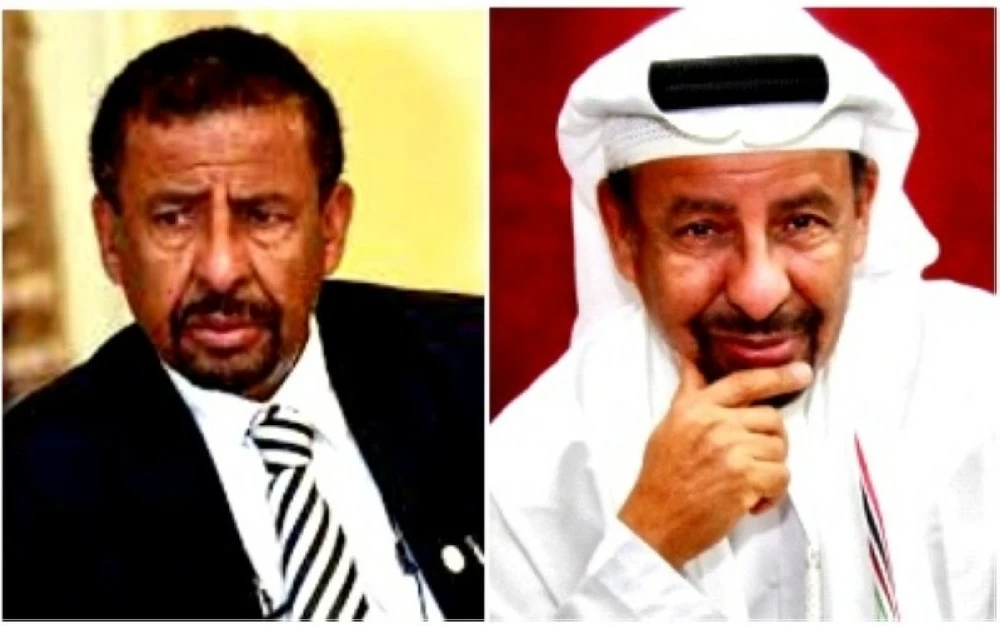
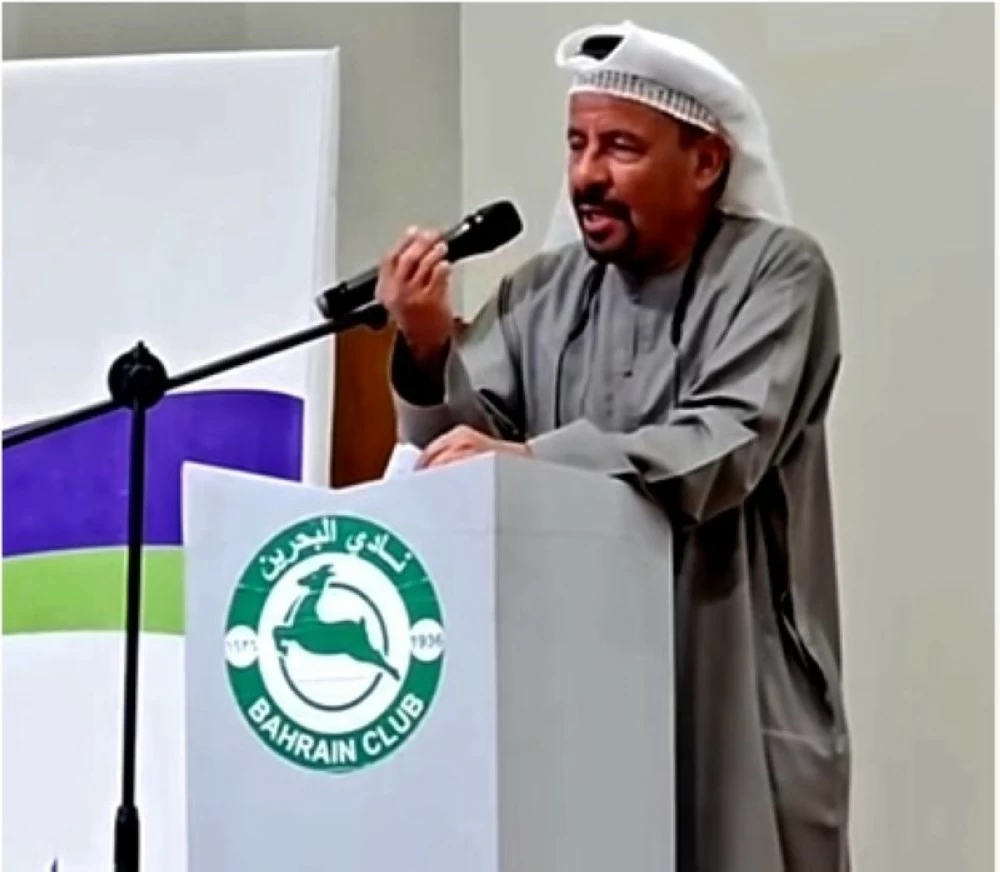
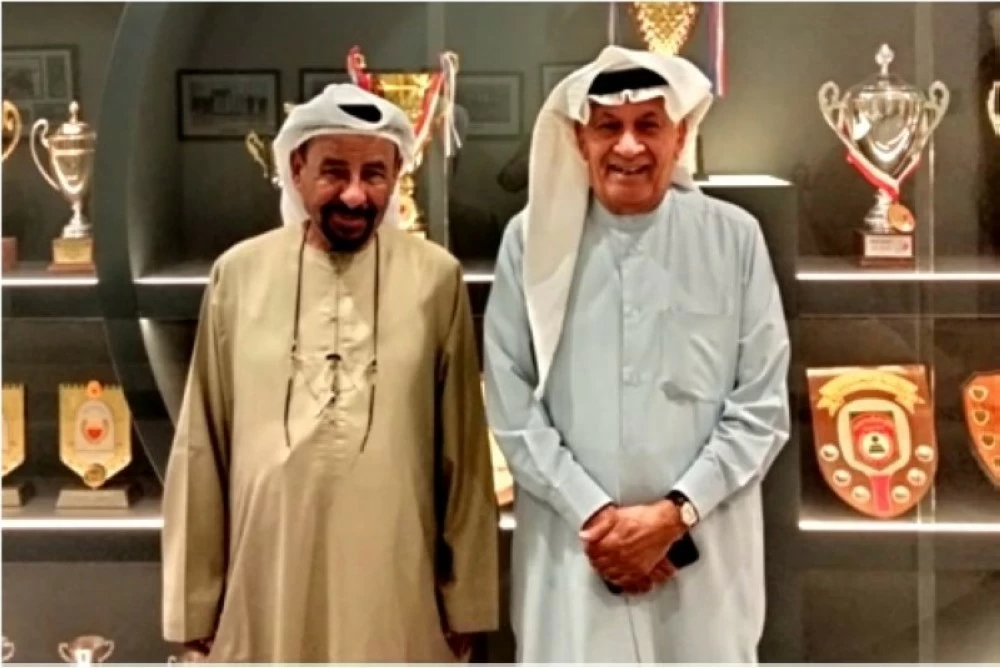
كانت تلك توطئة للحديث عن شخصية إماراتية تتولى اليوم مناصب «الأمين العام للمؤتمر الدولي للريادة والابتكار والتميز» و«الرئيس التنفيذي للهيئة الدولية للتسامح وتكريم الرواد المميزين على مستوى الوطن العربي»، و«المدير الإقليمي للهيئة العالمية لتبادل المعرفة»، و«الأمين العام لملتقى الدبلوماسية الثقافية». وقد اخترنا توثيق سيرته وجهوده في هذه المادة لأنه صاحب سيرة مضيئة وناصعة أولاً، ثم لأنه رجل لا يكلّ ولا يملّ من التنقل بين الأقطار العربية بحثاً عن المبدعين والمتميزين من أجل تكريمهم ومنحهم التقدير والعرفان المستحقين، هذا فضلاً عن امتلاكه مواهب فردية وشخصية آسرة وثقافة متشعبة وقدرة فذّة على العمل والإنجاز، ما يجعله قدوة للآخرين، هو الذي يحاول جاهداً أن يبرز للناشئة الجدد شخصيات مبدعة، من خلال تكريمهم، ليكونوا قدوة لهم في حياتهم.
وُلد الدكتور «عبدالحميد عبدالله نجم الرميثي» في إمارة أبو ظبي، ابناً لعائلة تنتمي إلى عشيرة الرميثات من بني ياس، وهي عشيرة لها ذكر في تاريخ مناطق إماراتية عديدة، ولاسيما المنطقة الغربية من إمارة أبوظبي. وعلى الرغم من أن صاحبنا يحمل الجنسية الإماراتية ويفتخر بانتمائه إلى هذه الدولة الخليجية الشقيقة ويحرص على ارتداء زيها الوطني، إلا أنه يجيبك بأنه «خليجي» إن سألته من أين أنت؟ ولعل سبب ذلك هو أنه عاش ودرس في البحرين وشرق السعودية في طفولته، وعاش ودرس في الكويت زمن شبابه، وزار وأقام وعرف بقية بلدان الخليج، فصارت المنطقة كلها جزءاً من كيانه وحشاشة قلبه.
يخبرنا الرميثي، في مقال كتبه في صحيفة «مكة» السعودية، عن جوانب من طفولته، فيقول ما مفاده أن أول مدرسة التحق بها بعد بلوغه سن الالتحاق بالتعليم، هي «مدرسة الخبر الأولى» الابتدائية في شمال مدينة الخبر بالمنطقة الشرقية من السعودية، حيث كان مرافقاً لوالديه اللذين قادتهما الظروف المعيشية والبحث عن الرزق إلى هناك في خمسينات القرن العشرين، وحيث عمل والده عبدالله نجم الرميثي في أعمال المقاولات والإنشاءات مع المقاول السعودي الينبعاوي (نسبة إلى ينبع) «محمد عبدالمطلوب معوض». ولهذا السبب فقد عشق الخبر وله فيها ذكريات عزيزة على قلبه ومعارف كثر من سنوات دراسته هناك حتى الصف السادس ابتدائي مثل؛ خالد سعد النصار وخالد عبدالله الخليوي ومحمد أحمد بغلف وحسين عبدالكريم الصوفي، وجميعهم أصبحوا من رجالات الخبر المعروفين. ويتذكر أن الصفوف الأولى التي درس بها في تلك المدرسة (تأسست في نهاية أربعينات القرن العشرين) كانت بلا مقاعد أو طاولات، فكان الطلبة يجلسون على حُصُر مفروشة على الأرض.
وبحسب إفادته، فإنه أقام مع عائلته بالخبر في «فريج الدواسر» في منزل ملاصق لمسكن مربّي الخبر الأول المرحوم عبدالله فرج الصقر (أحد الذين درّسوه بمدرسته الابتدائية)، ومواجه لبيت الأستاذ عبدالله جمعة الدوسري رئيس شركة أرامكو السابق، وكان للرجل خال يسكن في الفترة نفسها بمنطقة الصبيخة (الخبر الجنوبية) بالقرب من بيت راشد العقل. ولهذا دأب الرميثي على تذكيري بأن هناك نقاط تقاطع بين سيرتي وسيرته لأن كلينا عاش ودرس بمدينة الخبر، ولأن لكلينا فيها ذكريات جميلة وأصدقاء أعزاء، ولأن كلينا عشق رقيّها وتحضّرها وانفتاحها وتخطيطها العمراني الفريد.
وفي مقال آخر كتبه لصالح صحيفة «مكة»، تحت عنوان (رحلة البحث عن اسمي)، قال إن اسمه الأول ليس من الأسماء الشائعة في الإمارات، وإنه تساءل لماذا أطلق عليه والده هذا الاسم وليس أحد أسماء العلم المتداولة في بلاده مثل سعيد وعبيد وحميد وخليفة وسلطان؟ وراح يبحث إلى أن اهتدى إلى السبب، وهو أن والده سماه عبدالحميد تيمناً باسم صديقه الحجازي العصامي «عبدالحميد الطحلاوي»، الذي كان يعمل في الأربعينات سائق شاحنة لدى المقاول عبدالمطلوب. وعبدالحميد الطحلاوي (رحمه الله) هو والد زميلنا المستشار الإعلامي السابق في أرامكو السعودية الأستاذ محمد الطحلاوي.
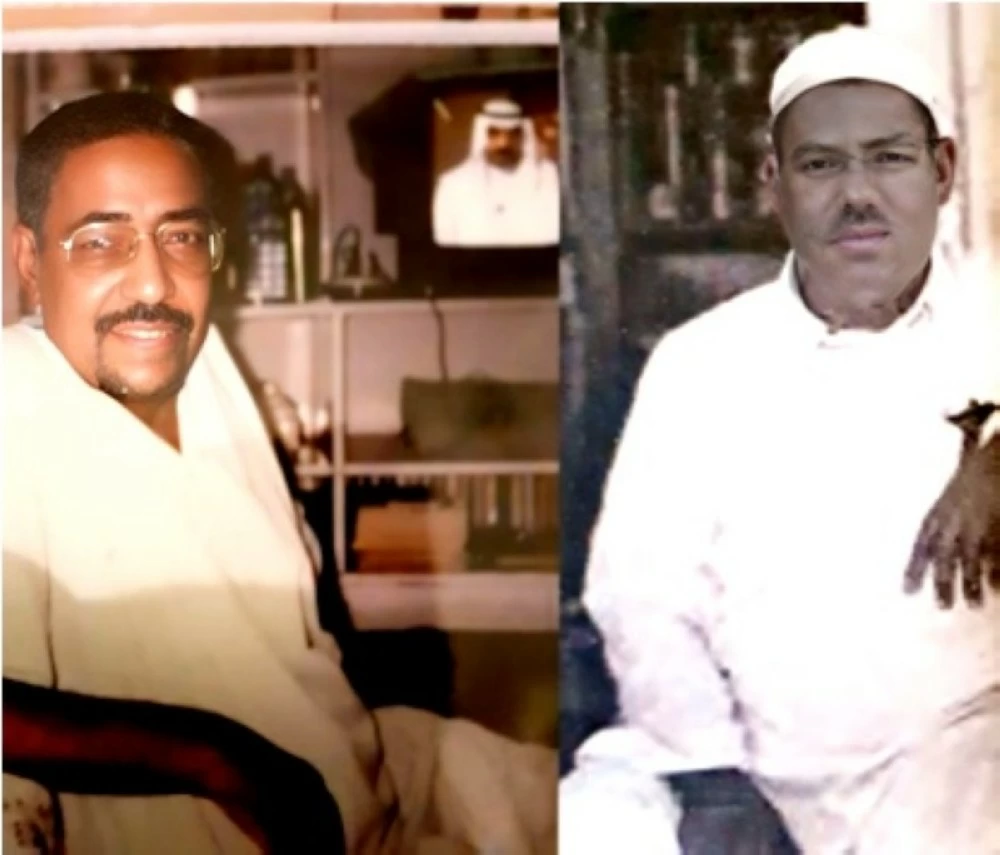
من بعد الخبر انتقلت أسرة صاحبنا إلى البحرين مواصلة بحثها عن الرزق هناك. وفي البحرين تسنى للرميثي السكن بمدينة المحرق والالتحاق بمدرسة الهداية الخليفية (تأسست عام 1919 كأول مدرسة نظامية للبنين) التي واصل بها تعليمه، وحفر على جدرانها أجمل الذكريات مع ثلّة من نجباء وأعلام البحرين. دراسته الجامعية كانت في جامعة الكويت التي أمضى في رحابها أربع سنوات انتهت بتخرجه في كلية الآداب سنة 1980. بعدها حصل على بعثة دراسية من حكومة الإمارات لمواصلة تعليمه العالي في الولايات المتحدة، حيث حل بمدينة بلومنغتون في ولاية إنديانا برفقة زوجته لنيل درجتَي الماجستير والدكتوراه، وكان سعيداً هناك لأنه عثر على سكن مناسب في عمارة مخصصة لإقامة طلبة الجامعة المتزوجين، ثم زادت سعادته لما اكتشف أن غالبية سكان تلك العمارة من الطلبة العرب والسعوديين. أمضى الرميثي سنة واحدة في تلك المدينة والولاية، أنجب خلالها ابنته الأولى «أمل»، ثم غادرها لعدم قدرته على تحمل بردها وصقيعها، تاركاً خلفه علاقات صداقة جمعته ببعض السعوديين الدارسين كالدكتور علي النجعي والدكتور ناصر الصايغ والدكتور عبدالرحمن المشيقح. وجهته التالية كانت لوس أنجلوس بولاية كاليفورنيا التي أنهى بها الماجستير والدكتوراه.
والرميثي من الشخصيات التي يستبدّ بها الحنين والشوق إلى الزمن الجميل وإلى المدن والمواقع التي شهدت ذكريات طفولته وصباه، ولهذا فهو يحثّ الناس على زيارة مدارسهم القديمة ومواقع طفولتهم والتواصل مع معلميهم القدامى، كما فعل ويفعل هو شخصياً، مطبقاً قول امرئ القيس (قفا نبكِ من ذكرى حبيب ومنزل *** بسقط اللوى بين الدخول فحومل)، وقول أبي تمام (كم منزل في الأرض يألفه الفتى *** وحنينه أبداً لأول منزلِ). ففي عام 2022 اشتاق إلى مدرسته الابتدائية العتيقة بالخبر، فشد رحاله إليها برّاً بسيارته، وهناك ترجّل من سيارته وراح يطوف حول سور مدرسته مشياً على قدميه، بل وقف عند بوابتها يبكي كالأطفال. وبالمثل قاده الشوق والحنين إلى من عرفهم في سنوات حياته المبكرة، فسافر إلى الأحساء باحثاً عن معلمه في المرحلة الابتدائية الأستاذ شمروخ، وسافر إلى مدينة بريدة في القصيم باحثاً عمّن زاملهم وصادقهم من السعوديين في مرحلة دراسته الجامعية العليا بأمريكا.
مسيرة من الأوائل
بدأ الرميثي رحلته المهنية من خلال العمل الأكاديمي، فكان أول مواطن إماراتي يقوم بالتدريس في جامعة الإمارات بمدينة العين في الفترة 1978 ــ 1980. بعد ذلك باشر مهمات أخرى عديدة، فكان أول مستشار إماراتي يعمل لدى شركة «أدكو» النفطية في مجال الإدارة والتدريب في الفترة 1983 ــ 1984. وأول إماراتي يحاضر في مؤتمر مهني معني بالتربية والتعليم بالولايات المتحدة سنة 1981، وأول إماراتي يحاضر في «مؤتمرالاتحاد العالمي لجمعيات التدريب والتنمية» في كندا سنة 1981، وأول من تحدث عن قضايا التوطين وأهمية تنمية وتطوير الموارد البشرية الوطنية، خلال المؤتمر الأول لتنمية الموارد البشرية المنعقد بمدينة أبوظبي عام 1983، وهو أيضاً أول إماراتي تنشر له مقالة في مجلة أمريكية محكمة ومتخصصة في التدريب (مجلة الجمعية الأمريكية للتدريب والتطوير ASTD Journal)، وأول مواطن إماراتي يقوم بالتدريس لطلبة الماجستير في ماليزيا، كجزء من برنامج ماجستير إدارة الأعمال من جامعة كرانفيلد البريطانية، وأول مواطن إماراتي يُنتخب عضواً بمجلس إدارة الاتحاد العالمي لجمعيات التدريب والتنمية (IFTDO Executive Board) في الفترة 1981 ــ 1984، وأول إماراتي يشترك في فريق لإعداد دراسة جدوى اقتصادية لمشروع سياحي شاركت دولة الامارات بتمويله في تونس سنة 1976.
تنمية الموارد البشرية
إلى ما سبق، هو مؤسس أول شركة وطنية (البديل للاستشارات الإدارية) وأول مركز تدريب خاص بدولة الإمارات في أبوظبي عام 1983، ومنظم أول مؤتمر لتنمية الموارد البشرية بدولة الإمارات بمشاركة خليجية وعربية وعالمية سنة 1983، ومؤسس أول تجمّع مهني للعاملين والمهتمين بتنمية الموارد البشرية من خلال مشروع «جمعية الإمارات لتنمية الموارد البشرية» سنة 1982، وهو مصمم ومنفذ ومدير أول برنامج للتوطين في منطقة الخليج العربي (برامج الشباب في الشارقة وأبوظبي ودبي ومسقط خلال السنوات 1983-1990)، ومنظم ومدير حملة الأمل للأطفال والمعاقين التي نجحت في جمع أكثر من سبعة ملايين درهم خلال أقل من خمسة شهور في عام 1995، وصاحب ومنفّذ فكرة أول جائزة في مجال الريادة لتنمية الموارد البشرية لشخصيات وفعاليات خليجية، كان من بين الفائزين بها الأمير خالد الفيصل والشيخ أحمد بن سعيد المكتوم والأمير محمد بن فهد. كما أنه صمم وأدار «الحملة الوطنية لأصحاب الأعمال الشباب» التي نفذتها غرفة تجارة وصناعة أبوظبي سنة 1999 على مستوى إمارة أبوظبي، وصمّم وأدار «الحملة الوطنية الأولى لسيدات الأعمال» التي نفّذها مجلس سيدات أعمال أبوظبي سنة 2002 على مستوى إمارة أبوظبي، ونفّذ برامج تدريبية في عدد كبير من الدول الخليجية والعربية والغربية والآسيوية.
وفي مجال التأليف والنشر، أضاف الرميثي إلى المكتبة الخليجية كتابين في مجال تخصصه، هما: «كيف تضمن الحصول على وظيفة»، و«كيف تبدأ مشروعاً تجارياً».ريادة
In recent years, various entities have emerged to celebrate and honor the creators, symbols, pioneers, and distinguished individuals from the Gulf and Arabian Peninsula, as well as their Arab brothers. These are individuals who have left their mark in their fields of expertise or contributed in one way or another to processes of construction, development, innovation, and cultural and intellectual enlightenment. This, of course, is a commendable effort for these entities, as it enhances the continuity of research, creativity, and innovation across various fields, and affirms the country’s appreciation for its creators, both its own and others.
These entities can be divided into official institutions with a local, Arab, or global character. Examples include the "National Council for Culture, Arts, and Letters in the State of Kuwait," which was established in 1973 by an Amiri decree and operates as an independent body affiliated with the state to honor creators exclusively from Kuwait, and the "King Hamad Award for Peaceful Coexistence," an international award established by royal decree in 2024, awarded every two years to individuals and organizations that have made pioneering achievements and contributions in the field of intercultural dialogue, peaceful coexistence, and promoting values of peace, human diversity, and rejecting violence and hatred.
In the United Arab Emirates, there are many institutions that annually honor creators in 13 categories, including culture, arts, business, agriculture, environment, education, institutional excellence, innovation, media, science, peace, sports, tourism, and humanitarian work, such as the "Abu Dhabi Award for Government Performance," the "Sheikh Hamdan bin Rashid Al Maktoum Award for Supporting Education," the "Sheikh Khalifa Award for Government Excellence," the "Sheikh Mohammed bin Rashid Award for Distinguished Government Performance," the "Sheikh Zayed Book Award," the "Sheikh Mohammed bin Rashid Award for the Arabic Language," the "Sheikha Fatima bint Mubarak Award for Women in Sports," the annual "Arab Journalism Award" in Dubai, and the annual "Arab Talents Award" launched by Sheikh Mohammed bin Rashid in 2022 to discover, appreciate, honor, and empower Arab talents and magnify their impact in the Arab world.
In the Sultanate of Oman, there are similar awards such as the "Sultan Qaboos Annual Award for Culture, Arts, and Literature," the "Arab Creativity Award," the "Writer Achievement Personality Award," the "Ability and Will Personality Award" for creators with disabilities, and the "Dhofar Award for Inspiration and Creativity" on a global level.
In Qatar, there is the "Katara Award," which is granted to creators from Qatar and Arab countries in the fields of poetry and novels, and the "Sheikh Ali bin Abdullah Al Thani Global Endowment Award," established in 1998 to affirm the role of Islamic endowments in nurturing sciences, culture, and Islamic thought, as well as the "State Appreciation and Encouragement Award" awarded to scholars and creators from the country in recognition of their achievements, and the "State Award for Children's Literature," which has both local and Arab characteristics and is awarded in fields related to children.
Similar institutions have also emerged in the Gulf, but they are supported and funded by private entities, perhaps the most prominent of which is the "King Faisal International Prize" affiliated with the King Faisal Foundation, launched in 1977 to honor scholars in the fields of serving Islam, Islamic studies, the Arabic language and its literature, medicine, and sciences, and the "Sultan bin Ali Al Owais Cultural Foundation" in Sharjah, which has awarded a prize in the name of its founder since 1987, granted every two years to Arab writers, authors, thinkers, and scholars in the fields of storytelling, novels, theater, poetry, criticism, and humanities studies, and the "Yusuf bin Ahmed Kanoo Company" from Bahrain, which launched an annual award in Manama in 1998 in the name of its founder to honor and support Arab researchers and creators in the fields of economics, visual arts, university scientific research, encouraging innovation and creativity, and enhancing the cultural infrastructure in the country.
This serves as an introduction to discussing an Emirati figure who today holds the positions of "Secretary-General of the International Conference for Leadership, Innovation, and Excellence," "CEO of the International Authority for Tolerance and Honoring Distinguished Pioneers at the Arab level," "Regional Director of the Global Knowledge Exchange Authority," and "Secretary-General of the Cultural Diplomacy Forum." We chose to document his biography and efforts in this article because he has a bright and illustrious history, and because he is a man who tirelessly travels between Arab countries in search of creators and distinguished individuals to honor and give them the appreciation and recognition they deserve. In addition to this, he possesses individual talents, a captivating personality, a diverse culture, and an exceptional ability to work and achieve, making him a role model for others. He strives to highlight creative personalities to the new generation by honoring them, so they can be role models in their lives.
Dr. "Abdulhamid Abdullah Najm Al-Rumaithi" was born in the Emirate of Abu Dhabi, to a family belonging to the Al-Rumaithat tribe of Bani Yas, a tribe known in the history of many Emirati regions, especially the western region of the Emirate of Abu Dhabi. Although he holds Emirati citizenship and takes pride in belonging to this Gulf state and is keen to wear its national dress, he answers that he is "Gulf" if you ask him where he is from. Perhaps the reason for this is that he lived and studied in Bahrain and Eastern Saudi Arabia during his childhood, and lived and studied in Kuwait during his youth, and visited and resided in the rest of the Gulf countries, making the entire region a part of his being and the core of his heart.
Al-Rumaithi tells us, in an article he wrote in the Saudi newspaper "Makkah," about aspects of his childhood, stating that the first school he attended after reaching the age of enrollment was "Al-Khobar Primary School" in the north of Al-Khobar city in the Eastern Province of Saudi Arabia, where he accompanied his parents who were led by living conditions and the search for livelihood to that place in the 1950s. His father, Abdullah Najm Al-Rumaithi, worked in contracting and construction with the Saudi contractor from Yanbu, "Mohammed Abdul-Mutalib Muwaid." For this reason, he loved Al-Khobar and has cherished memories there, along with many acquaintances from his school years until the sixth grade, such as Khalid Saad Al-Nassar, Khalid Abdullah Al-Khalawi, Mohammed Ahmed Baghlaf, and Hussein Abdul-Karim Al-Sufi, all of whom became known figures in Al-Khobar. He remembers that the early classes he attended in that school (established in the late 1940s) had no desks or tables, so the students sat on mats spread on the ground.
According to his account, he lived with his family in Al-Khobar in "Fereej Al-Dawasir," in a house adjacent to the residence of the late educator of Al-Khobar, Abdullah Faraj Al-Saqr (one of those who taught him in his primary school), and facing the house of Mr. Abdullah Jumaa Al-Dosari, the former president of Aramco. The man had an uncle who lived at the same time in the Al-Sabikhah area (southern Al-Khobar) near Rashid Al-Aql's house. For this reason, Al-Rumaithi often reminds me that there are points of intersection between my biography and his, as we both lived and studied in Al-Khobar, and because we both have beautiful memories and dear friends there, and because we both loved its sophistication, civilization, openness, and unique urban planning.
In another article he wrote for the "Makkah" newspaper, titled (The Journey to Find My Name), he stated that his first name is not one of the common names in the Emirates, and he wondered why his father gave him this name and not one of the commonly used names in his country like Saeed, Obaid, Hamid, Khalifa, or Sultan? He searched until he found the reason, which is that his father named him Abdulhamid in honor of his friend from Hijaz, the self-made "Abdulhamid Al-Tahlawi," who worked in the 1940s as a truck driver for the contractor Abdul-Mutalib. Abdulhamid Al-Tahlawi (may God have mercy on him) is the father of our colleague, the former media advisor at Aramco Saudi Arabia, Mr. Mohammed Al-Tahlawi.
After Al-Khobar, our friend’s family moved to Bahrain, continuing their search for livelihood there. In Bahrain, Al-Rumaithi was able to live in the city of Muharraq and enroll in Al-Hidaya Al-Khalifiya School (established in 1919 as the first formal school for boys) where he continued his education, creating beautiful memories on its walls with a group of Bahrain's distinguished and prominent figures. His university education was at Kuwait University, where he spent four years, graduating from the Faculty of Arts in 1980. After that, he received a scholarship from the UAE government to continue his higher education in the United States, where he settled in Bloomington, Indiana, with his wife to obtain both a master's and a doctoral degree. He was happy there because he found suitable accommodation in a building designated for married university students, and his happiness increased when he discovered that most of the residents of that building were Arab and Saudi students. Al-Rumaithi spent one year in that city and state, during which he had his first daughter, "Amal," before leaving due to his inability to endure its cold and frost, leaving behind friendships he had formed with some Saudi students like Dr. Ali Al-Najai, Dr. Nasser Al-Saigh, and Dr. Abdulrahman Al-Mushayqih. His next destination was Los Angeles, California, where he completed his master's and doctoral degrees.
Al-Rumaithi is one of those personalities who is filled with nostalgia and longing for the beautiful times and the cities and places that witnessed his childhood and youth memories. Therefore, he encourages people to visit their old schools and childhood sites and reconnect with their former teachers, as he has done personally, applying the words of Imru' al-Qais (Stop and weep for the memory of a beloved and a home *** at the fall of the lowland between Al-Dukhool and Hoomal), and the words of Abu Tammam (How many homes on earth does a young man become attached to *** and his longing is always for the first home). In 2022, he longed for his old primary school in Al-Khobar, so he set off to it by car, and there he got out of his car and walked around the wall of his school, even standing at its gate and crying like a child. Similarly, nostalgia led him to those he knew in his early years, so he traveled to Al-Ahsa searching for his primary school teacher, Mr. Shamroukh, and traveled to the city of Buraidah in Qassim searching for those he studied with and befriended during his higher education in America.
A Journey of Pioneers
Al-Rumaithi began his professional journey through academic work, being the first Emirati citizen to teach at the United Arab Emirates University in Al Ain from 1978 to 1980. He then took on many other roles, being the first Emirati consultant to work at the "ADCO" oil company in the field of management and training from 1983 to 1984. He was the first Emirati to lecture at a professional conference concerned with education in the United States in 1981, the first Emirati to lecture at the "World Federation of Training and Development Associations Conference" in Canada in 1981, and the first to speak about localization issues and the importance of developing and enhancing national human resources during the first Human Resources Development Conference held in Abu Dhabi in 1983. He is also the first Emirati to have an article published in a specialized American journal in training (the American Society for Training and Development Journal), the first Emirati citizen to teach master's students in Malaysia as part of the MBA program from Cranfield University in the UK, the first Emirati to be elected as a member of the Executive Board of the International Federation of Training and Development Associations (IFTDO Executive Board) from 1981 to 1984, and the first Emirati to participate in a team preparing an economic feasibility study for a tourism project that the UAE financed in Tunisia in 1976.
Human Resource Development
In addition to the above, he is the founder of the first national company (Al-Badeel for Management Consulting) and the first training center in the UAE in Abu Dhabi in 1983, the organizer of the first Human Resource Development Conference in the UAE with Gulf, Arab, and international participation in 1983, and the founder of the first professional association for those working in and interested in human resource development through the "Emirates Association for Human Resource Development" in 1982. He designed, implemented, and managed the first localization program in the Gulf region (Youth Programs in Sharjah, Abu Dhabi, Dubai, and Muscat during 1983-1990), organized and managed the Hope Campaign for Children and the Disabled, which successfully raised more than seven million dirhams in less than five months in 1995, and was the owner and implementer of the idea for the first award in the field of leadership for human resource development for Gulf personalities and events, among the winners of which were Prince Khalid Al-Faisal, Sheikh Ahmed bin Saeed Al-Maktoum, and Prince Mohammed bin Fahd. He also designed and managed the "National Campaign for Young Business Owners" implemented by the Abu Dhabi Chamber of Commerce and Industry in 1999 at the Emirate level, designed and managed the "First National Campaign for Businesswomen" implemented by the Abu Dhabi Businesswomen Council in 2002 at the Emirate level, and executed training programs in a large number of Gulf, Arab, Western, and Asian countries.
In the field of authorship and publishing, Al-Rumaithi has added two books to the Gulf library in his field of specialization: "How to Ensure You Get a Job" and "How to Start a Business."