تفتتح دولة الإمارات العربية المتحدة في ديسمبر 2025، متحف زايد الوطني، ليكون من أبرز معالم المنطقة الثقافية بجزيرة السعديات في أبوظبي، ونافذة حية تروي تاريخ الدولة الممتد لأكثر من 300 ألف عام، وتسلط الضوء على إرث الشيخ زايد بن سلطان آل نهيان.
ويضم المتحف ست صالات دائمة وصالة للمعارض المؤقتة، ويعرض قطعًا أثرية نادرة ومخطوطات ومقتنيات تاريخية من داخل الدولة وخارجها، توثق المراحل المفصلية لتطور المجتمع الإماراتي. ويمنح الزوار تجربة معرفية وتفاعلية تعزز قيم الانتماء والحوار الحضاري، وتستهدف مختلف فئات المجتمع من شباب وكبار المواطنين وأصحاب الهمم.
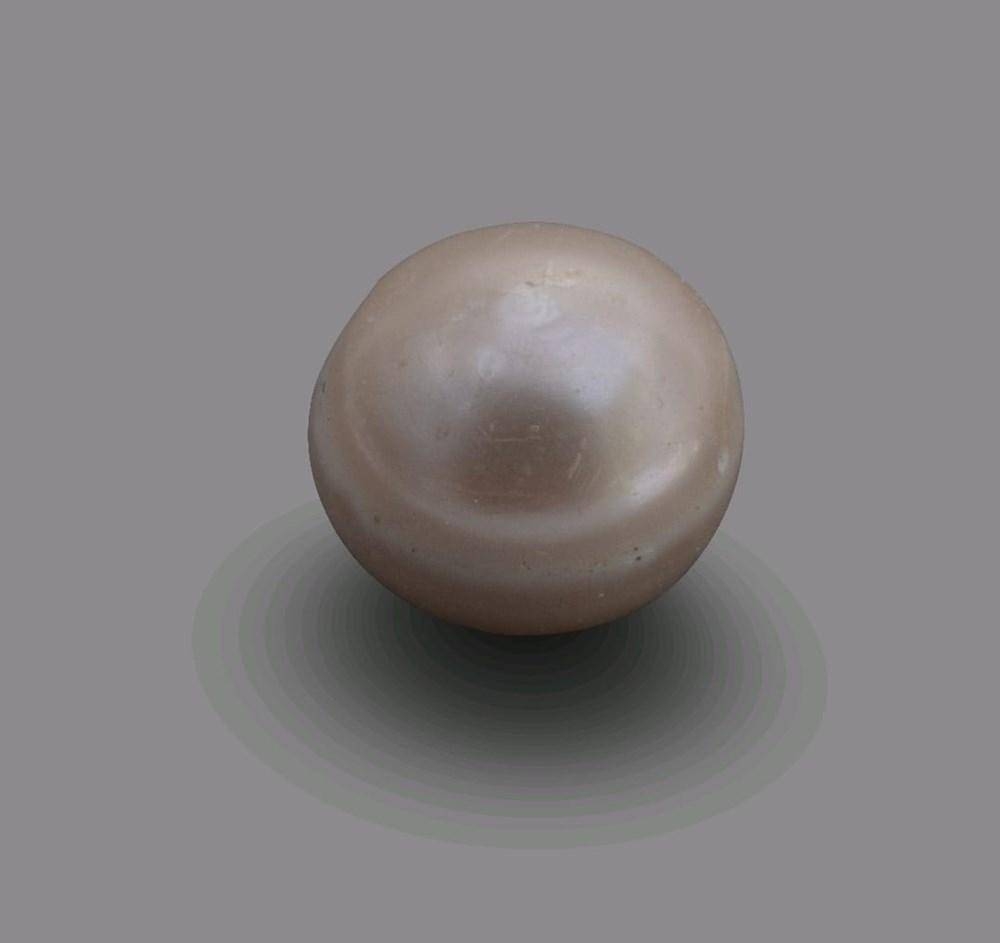
ويركز المتحف على دور الشيخ زايد في تأسيس المؤسسات الثقافية، كإنشاء متحف العين عام 1971 والمجمع الثقافي عام 1981، ما يعكس وعيه المبكر بأهمية حفظ التراث وبناء الإنسان. ومن أبرز المعروضات: «لؤلؤة أبوظبي»، أقدم لؤلؤة طبيعية معروفة، و«المصحف الأزرق» النادر، ونموذج لقارب «ماجان» الذي يعكس تعاونًا بحثيًا مع جامعات محلية ودولية.
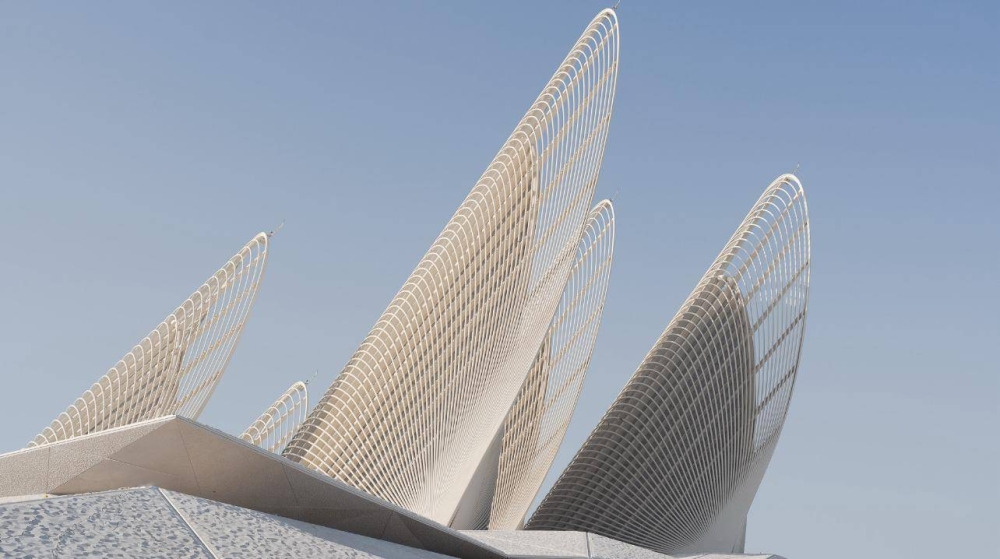
وصمم المتحف المعماري البريطاني نورمان فوستر، ويمتاز بتكوين معماري مستوحى من الصقارة الإماراتية، حيث تعلو المبنى خمسة هياكل فولاذية تحاكي أجنحة الصقر، في رمز للتراث والاعتزاز بالهوية.
ويأتي المتحف ضمن رؤية أوسع لتعزيز مكانة أبوظبي كمركز ثقافي عالمي، إلى جانب مؤسسات مثل اللوفر أبوظبي، وتيم لاب، والمتاحف المرتقبة كجوجنهايم ومتحف التاريخ الطبيعي، ما يجعل السعديات وجهة للحوار الثقافي على مستوى العالم.
The United Arab Emirates will inaugurate the Zayed National Museum in December 2025, making it one of the most prominent cultural landmarks in the Saadiyat Island area of Abu Dhabi, and a living window that narrates the history of the nation spanning over 300,000 years, highlighting the legacy of Sheikh Zayed bin Sultan Al Nahyan.
The museum includes six permanent galleries and a temporary exhibition hall, showcasing rare artifacts, manuscripts, and historical collections from within the country and abroad, documenting the pivotal stages of the development of Emirati society. It offers visitors an informative and interactive experience that enhances values of belonging and cultural dialogue, targeting various segments of society, including youth, senior citizens, and people of determination.
The museum focuses on Sheikh Zayed's role in establishing cultural institutions, such as the creation of the Al Ain Museum in 1971 and the Cultural Complex in 1981, reflecting his early awareness of the importance of preserving heritage and building people. Among the notable exhibits are the "Pearl of Abu Dhabi," the oldest known natural pearl, the rare "Blue Quran," and a model of the "Magan" boat, which reflects collaborative research with local and international universities.
The museum was designed by British architect Norman Foster and features an architectural composition inspired by Emirati falconry, with five steel structures resembling the wings of a falcon soaring above the building, symbolizing heritage and pride in identity.
The museum is part of a broader vision to enhance Abu Dhabi's status as a global cultural hub, alongside institutions such as the Louvre Abu Dhabi, TeamLab, and upcoming museums like Guggenheim and the Natural History Museum, making Saadiyat a destination for cultural dialogue on a global scale.