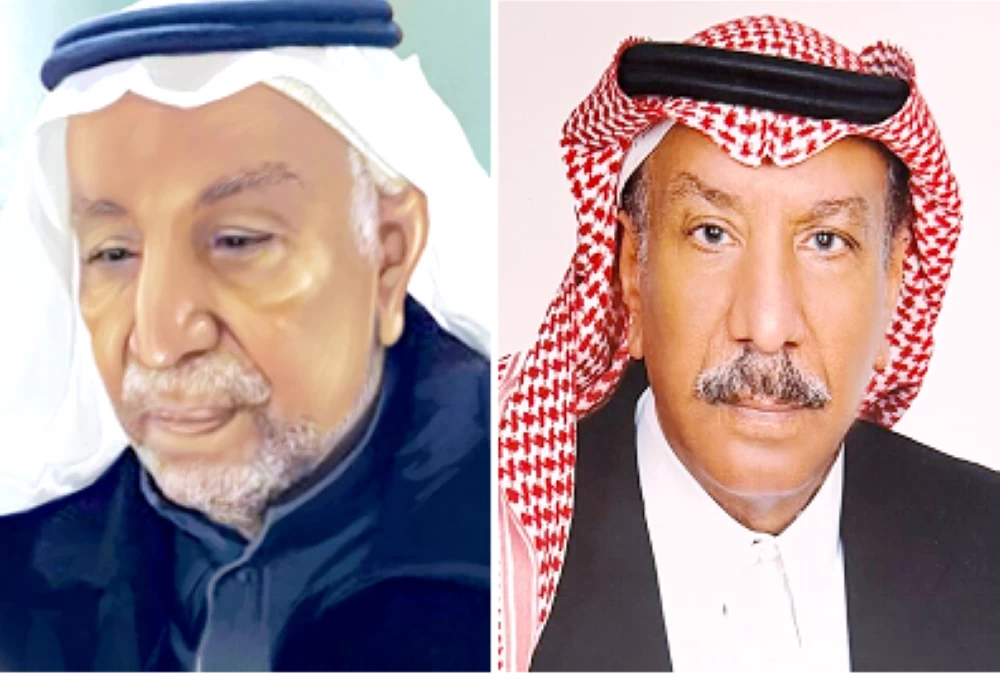
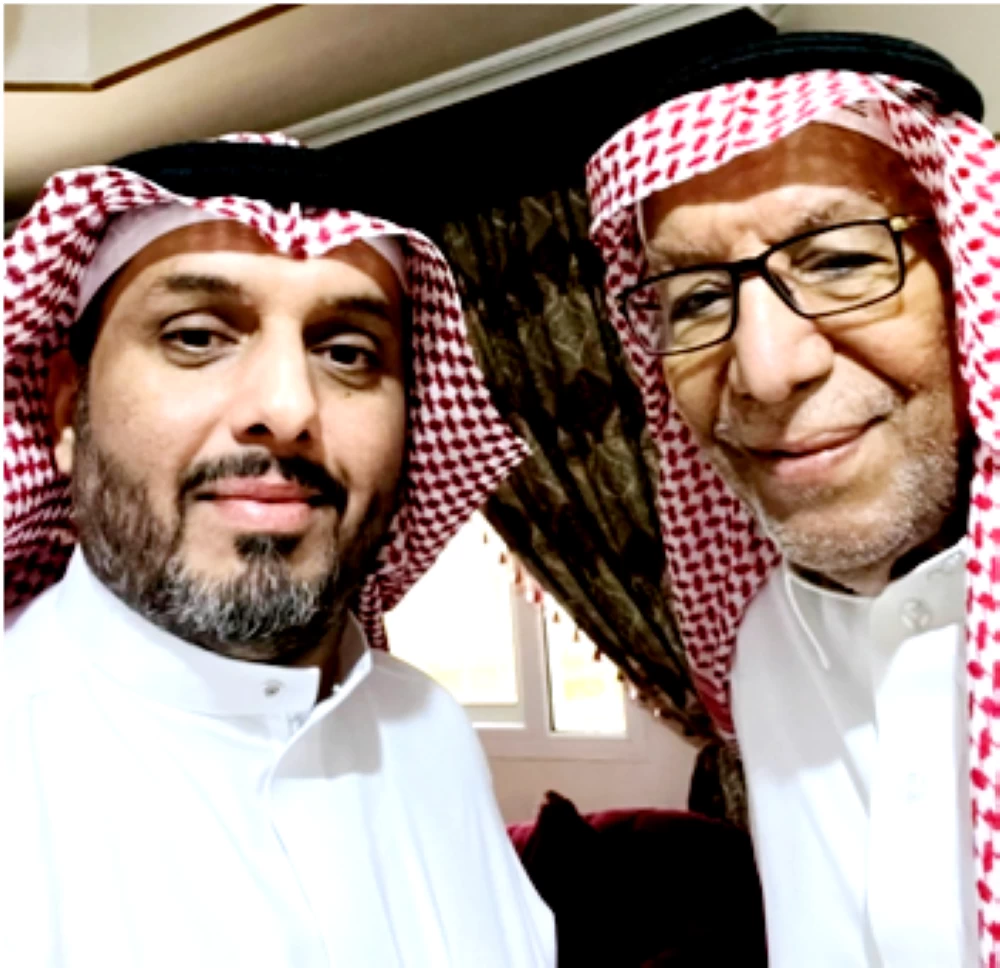
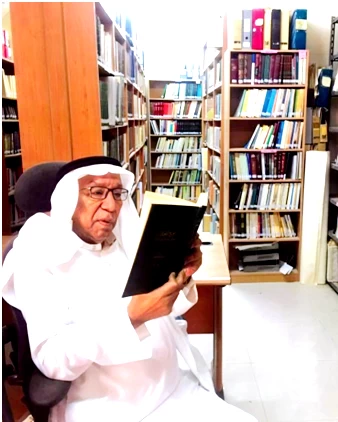
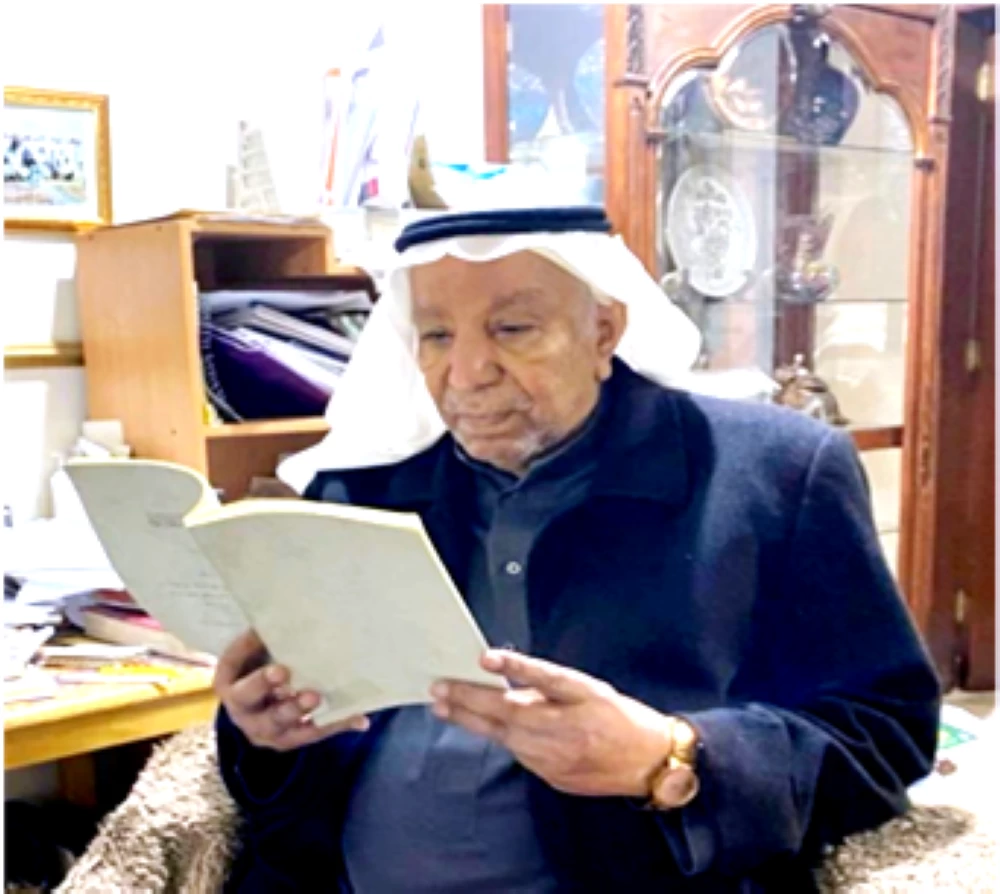
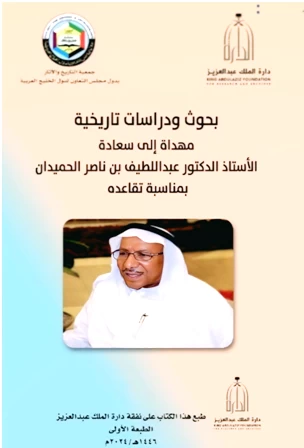
فوجئت الأوساط الأكاديمية والعلمية في المملكة العربية السعودية ودول الخليج العربية مؤخراً، برحيل القامة الأكاديمية الرفيعة الدكتور عبداللطيف بن ناصر الحميدان عن عمر ناهز 92 عاماً. والراحل قضى جلّ عمره دارساً وباحثاً ومعلماً ومنقباً في كتب التاريخ قديمه وحديثه، وناشراً لإصدارات نفيسة عن الفترات المجهولة في تاريخ وطنه السعودي وأمته العربية.
كتب عنه صديقنا الأستاذ مشاري الذايدي، في صحيفة الشرق الأوسط الدولية (8/3/2025)، فوصفه بأنه «ناسخ كتب وصانع جواهر علمية» و«علم من أعلام المؤرخين العرب». وخصصت له «المجلة العربية» في عددها الصادر في مارس 2025، حيزاً واسعاً للحديث عن حياته وانشغالاته وآثاره العلمية بقلم تلميذه سليمان بن أحمد التركي، الذي أفصح أن ما دعاه للكتابة عن أستاذه الحميدان، هو أن الأخير «كان عازفاً عن الأضواء، زاهداً في الظهور الإعلامي ومناسبات التكريم، معرضاً عن تدوين سيرته ومذكراته، بل يشتد حياؤه حين يسمع حديث الناس عنه». ومما جاء في حديث الكاتب، أن الحميدان «نذر نفسه للعلم والبحث والتقصي في الفترات المجهولة ما بين القرن السابع إلى التاسع الهجري من التاريخ وخاصة في شرق الجزيرة والخليج، مستعيناً بالعديد من المصادر المختلفة كعادة الباحثين الجادين ممن يعودون للمصادر الأولية بلغتها، فاستطاع أن يزود المكتبة السعودية والعربية على مدى ما يزيد على نصف قرن ببحوث ومؤلفات أضاءت الطريق أمام جيل من الباحثين لاكتشاف الحلقات المفقودة في حقب التاريخ، وتركت أثر عالقاً».
أما مهند المبيضين، فقد أشار في مقاله عن الحميدان بمجلة «المجلة» السعودية (25/5/2026)، إلى ميزة تميز بها الرجل عن غيره من المؤرخين، فقال إنه «كان ذا سمت متواضع، متعمداً بمحراب العلم، لم يُقدم فتاوى تاريخية، ولم يُعد دراسات مغلفة بقوالب الأيديولوجيا، بل ظل ملتزماً وقار العلماء العارفين، فحضر في محافل العلم بألق وخَفر جلي، مبتعداً عن كل ضوء لا يناسبه سطوعه، متجنباً أي معارف بشرية زائدة عن الحاجة والفائدة العلمية، بيد أنه كان دائم الاستزادة من معارف المكتبات العربية، ودور الأرشيف الأجنبية والعربية والأرشيف العثمانية
لذلك، جادت أعماله البحثية التي صاغها بكل علمية وحياد، وكذلك الرسائل التي أشرف عليها، فتوجته متميزاً وفريداً في صنعته كمؤرخ صاحب رؤية ومسار معرفي، وتجربة لم تجعل التاريخ مكاناً للندب والاحتفاء بالرموز والمعارك وحسب، بل أبحر في لجاجه ليخرج منه صوت المجتمعات، وتجاربها المتعددة في الحكم والاقتصاد والتنظيمات وما يستحق التدوين».
وبعد الإعلان عن وفاته ودفنه بمقبرة النسيم في الرياض صباح يوم الإثنين 18 مايو 2026، نعاه قسم التاريخ بجامعة الملك سعود في بيان جاء فيه: «ينعى منسوبو قسم التاريخ أ. د. عبداللطيف بن ناصر الحميدان، أستاذ التاريخ الحديث بكلية العلوم الإنسانية والاجتماعية بجامعة الملك سعود سابقاً، ويتقدمون بصادق التعازي والمواساة لذويه وطلابه ومحبيه».
ولد «عبداللطيف بن ناصر بن أحمد بن ناصر بن إبراهيم بن عبدالعزيز الحميدان» المكنى «أبوخالد» في حي الزهيرية بمدينة الزبير في جنوب العراق في عام 1934، ابناً لأسرة نجدية من جلاجل بإقليم سدير، كانت قد نزحت إلى الزبير قديماً لأسباب اقتصادية ومعيشية كغيرها من آلاف الأسر النجدية التي انتقلت إلى هناك، فأسست ما يشبه إمارة نجدية في قلب جنوب العراق.
في الزبير امتهنت أسرته التجارة التي منحتها وجاهة ومنزلة اجتماعية مرموقة بين السكان، خصوصاً أنها وجهت عناية خاصة بتعليم أبنائها، فحاز العديد منهم على الشهادات الجامعية منذ أربعينات وخمسينات القرن العشرين. فوالده ناصر بن أحمد الحميدان، كان تاجراً معروفاً من تجار الحبوب والتمور في البصرة، وكان متعلماً ومتابعاً للمجلات والصحف، وصاحب علاقات تجارية مع نظرائه التجار في الخليج والهند ونجد. كما أن والده، ومن قبله جده، كانا وكيلين للشقيقين سليمان وعبدالرحمن ابني حمد البسام في إدارة أملاكهما الزراعية في البصرة.
ويُذكر، أن الملك عبدالعزيز آل سعود، طيب الله ثراه، إبان بواكير تأسيس الدولة السعودية الثالثة، اعتمد في إنشاء الإدارات الحكومية وتنظيمها على بعض من النخب النجدية المتعلمة المتواجدين في الكويت والزبير والهند، وكان ممن استقطبهم الملك في عام 1916 لإدارة جمرك العقير، الذي كان وقتذاك ميناء السعودية الرئيسي على ساحلها الشرقي، ومصدر الكسوم الجمركية الأكبر، الوجيه إبراهيم بن حمد الحميدان، حيث عمل الأخير في إدارة جمارك الساحل الشرقي والمنافذ البرية والبحرية وذلك بترتيب وإشراف مباشر من وكيل الملك عبدالعزيز في الزبير «عبداللطيف باشا المنديل».
وهكذا نجد أن المترجَم له نشأ في بيت علم وثقافة وتجارة وجاه، وفي ظل بيئة نجدية محافظة داخل العراق. وبما أن والده كان متابعاً للصحف والمجلات، وبما أن شقيقه الأكبر إبراهيم كان هو الآخر قارئاً نهماً يجلب إلى المنزل كتب الأدب ودواوين الشعر والروايات والصحف العربية والانجليزية، فكان من الطبيعي أن يتأثر بهما الصغير عبداللطيف، وينجذب منذ صباه المبكر إلى القراءة، إذ راح، بعد أن أجاد القراءة والكتابة في الكتاتيب، يقرأ للزيات والعقاد وجبران والرافعي ومي زيادة، ولغيرهم من رموز الأدب العربي، بل امتدت قراءاته إلى الأدب الأجنبي المترجم إلى العربية.
بدأ الحميدان تعليمه في الكتاتيب التقليدية ككل مجايليه، فتعلم القراءة والكتابة والفقه وبعض القصائد والأناشيد، وهو دون السادسة، على يد الملّا إبراهيم محمد الرماح في ملحق مسجد الزهيرية الذي كان الملّا يؤم فيه الناس للصلاة. بعد ذلك التحق بمدرسة طلحة الابتدائية بالزبير في مقرها القديم بقصر الشيخ إبراهيم بن عبداللطيف الزهير (آخر من تولى مشيخة الزبير من أسرة الزهير)، وكان ممن زاملهم آنذاك في المرحلة الابتدائية الدكتور مصطفى بن علي الرشيد الدغيثر (أحد علماء البيئة السعوديين) والدكتور داوود بن يوسف الفداغ (أول طبيب نجدي يتخرج من كلية الطب الملكية في بغداد). بعد تخرجه من الابتدائية التحق بالمدرسة الإعدادية المركزية في البصرة، فدرس بها السنة الأولى فقط، وأكمل السنتين الأخريين في متوسطة الزبير للبنين التي تخرج منها في عام 1950، ليلتحق بعدها بمدرسة الملك فيصل الثانوية في البصرة، ويتتلمذ فيها على أيدي أعلام مثل العالم النجدي الدكتور يعقوب بن عبدالوهاب الباحسين والأديب والقاص البصري محمد عبدالوهاب، ويزامل بها أيضاً من صاروا أعلاماً لاحقاً مثل المحقق المعروف الدكتور محسن غياض (أستاذ الأدب في جامعات بغداد وأم القرى والإمارات). ويذكر الذين كتبوا عنه، أن تواجده في البصرة للدراسة في تلك الفترة الزاهية من العهد الملكي أتاح له مجالاً واسعاً للاطلاع والتثقف الحر من خلال التردد على المكتبات العامة والتجارية، وحضور الأمسيات الشعرية وفعاليات الأندية الأدبية.
وحينما جاء وقت التحاقه بالجامعة، كان من الطبيعي أن ينتقل إلى بغداد حيث الجامعة وكلياتها المتنوعة، فسافر إلى هناك واختار أن يدرس التاريخ كتخصص في دار المعلمين العالية (إحدى أقدم مؤسسات التعليم العالي في العراق)، والسبب هو أنه اعتاد منذ صغره أن يرتاد مجالس أسرته يومياً، فكان يستمع إلى أحاديث وحكايات وروايات حول الشؤون والمتغيرات السياسية والاجتماعية والاقتصادية، إلى جانب صور من تاريخ الزبير السياسي وحكامها ومشيخاتها ونزاعاتها، الأمر الذي جعله يستهوي التاريخ ويقتنع به كتخصص في المستقبل.
وكما في مراحله الدراسية السابقة، كان من حسن حظه أنه درس في كلية المعلمين على يد ثلة من فطاحلة العراق من أمثال الدكاترة علي الوردي ومصطفى جواد وعبدالعزيز البسام وعبدالعزيز الدوري وصالح العلي وطه باقر، فاستفاد منهم كثيراً في تكوينه العلمي، ولاسيما لجهة مناهج البحث والكتابة والتفكير. كما استفاد كثيراً من أجواء بغداد الثقافية ومكتباتها الشهيرة في شارع المتنبي. من جانب آخر، أحسن صنعاً بالتركيز على دراسته وهواياته، وعدم الالتفات إلى ما كان يجري وقتذاك في العراق الملكي من تجاذبات سياسية وصراعات أيديولوجية، والاكتفاء بمراقبة سير الأحداث دون الانخراط فيها، وقد صدق حينما كتب بنفسه عن تلك الأيام قائلاً: «كنت في النار ولم أحترق».
بعد تخرجه من كلية المعلمين حاملاً بكالوريوس التاريخ، بدأ حياته المهنية مباشرة، فعمل معلماً بمعهد المعلمين في البصرة لمدة أربع سنوات، وكان أول راتب تقاضاه هو 30 ديناراً. انتقل بعدها للعمل قرابة السنتين مدرساً في إحدى مدارس مدينة بقيق النفطية السعودية. في هذه الآونة، جاءه القبول من معهد الدراسات العليا الإسلامية بالقاهرة لاستكمال دراسته العليا والحصول على درجة الماجستير في التاريخ، فاستقال من وظيفته وسافر إلى مصر للدراسة على نفقته الخاصة، ونجح في الحصول على مراده في عام 1966.
كانت سنواته القاهرية خصبة جداً. يقول تلميذه سليمان التركي في المجلة العربية (مصدر سابق)، عن هذا المنعطف في مسيرة الحميدان، إنه «توسع في الدراسة والبحث، والاطلاع والقراءة، وعقد أثناء دراسته الصلات مع لفيف من العلماء والمؤرخين، وأفاد من صحبتهم، وتعرف من خلالهم على عدد من المكتبات العامة والخاصة، وتمكن من تصوير واستنساخ مئات من الوثائق العثمانية والمخطوطات وسجلات المحاكم الشرعية التي استند إليها في بعض مؤلفاته وبحوثه، وناولها بأريحيته المعهودة مَنْ قصده من الباحثين والدارسين».
من البصرة إلى الرياض
بعد نيله درجة الماجستير تمّ تعيينه محاضراً بجامعة البصرة، لكنه لم يبقَ فيها طويلاً، إذ تركها بعد فترة وجيزة ليرحل في إجازة دراسية إلى بريطانيا من أجل نيل درجة الدكتوراه، التي حصل عليها بالفعل من جامعة مانشستر في عام 1975، عن أطروحة بعنوان «التاريخ السياسي والاجتماعي لبغداد والبصرة من 1479 إلى 1888»، تحت إشراف أستاذه المستشرق المعروف كليفورد بوزورث. ويُذكر، أن الحميدان زامل في مرحلته المانشسترية بعض الأعلام، مثل الدكتور سليمان العسكري الأمين السابق للمجلس الوطني للثقافة والفنون والآداب في الكويت والدكتور عبداللطيف الحسن كبير القانونيين في شركة سابك السعودية والدكتور سليمان الغنام عميد كلية الآداب بجامعة الملك عبدالعزيز بجدة والأكاديمي الكويتي الدكتور زيد الزيد المنيفي.
في أعقاب حصوله على الدكتوراه، عمل بضع سنوات أستاذاً للتاريخ فرئيساً لقسمه بكلية الآداب في جامعة البصرة، وعضواً في مجلس الكلية وهيئة تحرير مجلة جامعة البصرة، قبل أن يقرر ترك العراق للاستقرار في موطن أجداده في نجد. وهناك تم تعيينه أستاذاً بقسم التاريخ في كلية الآداب بجامعة الملك سعود في الرياض، ثم أصبح رئيساً للقسم. وهكذا واصل الرجل في الرياض أعماله في التدريس والتأليف، بل وأشرف على العديد من أطروحات الماجستير والدكتوراه، وشارك في أعمال عشرات المؤتمرات والمنتديات العربية والأجنبية ذات الصلة بتخصصه، وساهم بحماس في شتى ألوان النشاط العلمي والمعرفي والبحثي على مدى 45 عاماً من حياته، وتخرجت على يده ثلة من الشخصيات التي واصلت مسيرتها العلمية نحو أعلى الشهادات وأصبحوا أعلاماً يشار إليهم بالبنان.
رحلة في البحث والتأليف
إبان مسيرته المهنية شغل الحميدان، الذي عُدّ واحداً من كبار المتخصصين بالتاريخ العثماني وتاريخ المشرق العربي والملمين باللغة التركية العثمانية، رئاسة أو عضوية العديد من المراكز والمجالس والاتحادات والجمعيات ومنها؛ جمعية التاريخ والآثار بدول مجلس التعاون، مركز الخليج العربي بجامعة البصرة، مجلس كليات البنات في عليشة، الجمعية التاريخية السعودية، اتحاد المؤرخين العرب. كما أنه حرص بنفسه على زيارة عدد كبير من المكتبات ومراكز البحوث والأرشيفات والتوثيق والمخطوطات في لندن وباريس وروما ومدريد ولشبونة وبرلين ولاهاي وإسطنبول وأنقرة والقاهرة وبغداد ودمشق وأبوظبي وسيدني، من أجل الاشتغال على بحوثه ومؤلفاته الغزيرة.
وللحميدان مجموعة كبيرة من المؤلفات والبحوث، التي راعى فيها الأسلوب الواضح المتين، والبعد عن الحشو، وعرض مختلف الآراء بحيادية وتصحيح المختل منها ومناقشتها بعقل منفتح، وتفسير وتحليل الأحداث والظواهر التاريخية بأمانة تامة، والابتعاد عن التقليد والتكرار، والحرص على نسب الأخبار والمعلومات إلى مصادرها وكتّابها، وإن كان المصدر أحد تلامذته، وهو ما جعل مؤلفاته وبحوثه تُستقبل بالترحاب والاهتمام الكبيرين.
من عناوين إصداراته؛ «تاريخ العرب الحديث»، «إمارة آل شبيب في شرق الجزيرة العربية»، «تاريخ البصرة والأحساء والقطيف»، «لمحات تاريخية عن إمارة العصفوريين»، «تاريخ مشيخة الزبير النجدية من النشوء إلى السقوط»، «تاريخ فتح بغداد وما رافقه من محن»، «صلة الدولة بالقبيلة منذ العصر العباسي المتأخر حتى القرن العاشر الهجري»، «السياسة والمجتمع في تاريخ العراق الحديث المبكر»، «ولاية البصرة تحت التبعية العثمانية الاسمية»، «السلطة الجبرية في اليمامة وبلاد البحرين وعمان»، «العراق في ولاية حسن باشا وابنه أحمد باشا»، وغيرها.
Recently, the academic and scientific circles in the Kingdom of Saudi Arabia and the Gulf Arab states were shocked by the passing of the esteemed academic figure Dr. Abdul Latif bin Nasser Al-Humaidan at the age of 92. The late scholar spent most of his life as a student, researcher, teacher, and excavator of both ancient and modern history books, publishing valuable works about the unknown periods in the history of his Saudi homeland and the Arab nation.
Our friend, Mr. Mishari Al-Dhaidi, wrote about him in the international newspaper Asharq Al-Awsat (8/3/2025), describing him as a "copyist of books and a maker of scientific jewels" and "a prominent figure among Arab historians." The "Arab Magazine" dedicated a wide space in its March 2025 issue to discuss his life, interests, and scientific contributions, penned by his student Suleiman bin Ahmed Al-Turki, who revealed that what prompted him to write about his teacher Al-Humaidan was that the latter "shunned the limelight, was indifferent to media appearances and award ceremonies, and avoided documenting his biography and memoirs, even becoming more bashful when he heard people talking about him." Among the writer's remarks, Al-Humaidan "dedicated himself to knowledge and research, investigating the unknown periods between the 7th and 9th centuries of the Hijri calendar, especially in the eastern region of the Arabian Peninsula and the Gulf, relying on many diverse sources as is customary for serious researchers who return to primary sources in their original languages. He managed to enrich the Saudi and Arab libraries over more than half a century with research and writings that illuminated the path for a generation of researchers to discover the missing links in historical eras, leaving a lasting impact."
As for Mohannad Al-Mubaidin, he pointed out in his article about Al-Humaidan in the Saudi magazine "Al-Majalla" (25/5/2026) a distinctive feature that set the man apart from other historians, stating that he "had a humble demeanor, dedicated to the sanctuary of knowledge, did not issue historical fatwas, nor did he prepare studies cloaked in ideological frameworks, but remained committed to the dignity of knowledgeable scholars. He attended scholarly gatherings with a clear brilliance and modesty, avoiding any light that did not suit his brightness, steering clear of any human knowledge beyond necessity and scientific benefit, yet he was always eager to increase his knowledge from Arab libraries and foreign and Ottoman archives."
Therefore, his research works, crafted with scientific rigor and neutrality, as well as the theses he supervised, crowned him as a distinguished and unique figure in his craft as a historian with a vision and intellectual path, and an experience that did not make history merely a place for lamentation and celebration of symbols and battles, but rather he sailed through its depths to bring forth the voices of societies and their diverse experiences in governance, economy, and organizations that deserved documentation.
Following the announcement of his death and burial at Al-Naseem Cemetery in Riyadh on the morning of Monday, May 18, 2026, the Department of History at King Saud University mourned him in a statement that read: "The members of the Department of History mourn Prof. Dr. Abdul Latif bin Nasser Al-Humaidan, Professor of Modern History at the College of Humanities and Social Sciences at King Saud University, and extend their sincere condolences and sympathy to his family, students, and admirers."
Abdul Latif bin Nasser bin Ahmed bin Nasser bin Ibrahim bin Abdulaziz Al-Humaidan, known as "Abu Khalid," was born in the Al-Zuhairiya neighborhood of Al-Zubair in southern Iraq in 1934, to a Najdi family from Jalajil in the Al-Sudir region, which had migrated to Al-Zubair long ago for economic and living reasons, like thousands of other Najdi families who moved there, establishing what resembled a Najdi emirate in the heart of southern Iraq.
In Al-Zubair, his family engaged in trade, which granted them a prestigious social status among the residents, especially as they paid special attention to educating their children, many of whom obtained university degrees in the 1940s and 1950s. His father, Nasser bin Ahmed Al-Humaidan, was a well-known trader of grains and dates in Basra, educated and following magazines and newspapers, and had business relations with his counterparts in the Gulf, India, and Najd. Additionally, his father and grandfather were agents for the brothers Suleiman and Abdul Rahman bin Hamad Al-Bassam in managing their agricultural properties in Basra.
It is noted that King Abdulaziz Al Saud, may God rest his soul, during the early establishment of the Third Saudi State, relied on some of the educated Najdi elites present in Kuwait, Al-Zubair, and India to create and organize government administrations. Among those attracted by the king in 1916 to manage the customs of Al-Aqeer, which was then Saudi Arabia's main port on its eastern coast and the largest source of customs revenue, was the notable Ibrahim bin Hamad Al-Humaidan, who worked in managing the customs of the eastern coast and land and sea ports under the direct arrangement and supervision of the king's agent in Al-Zubair, Abdul Latif Pasha Al-Mandil.
Thus, we find that the subject of our translation grew up in a house of knowledge, culture, trade, and prestige, in a conservative Najdi environment within Iraq. Since his father was a follower of newspapers and magazines, and since his older brother Ibrahim was also an avid reader who brought home books of literature, poetry collections, novels, and Arabic and English newspapers, it was natural for young Abdul Latif to be influenced by them and drawn to reading from an early age. After mastering reading and writing in traditional schools, he began reading works by Al-Zayyat, Al-Aqqad, Gibran, Al-Rafii, and Mi'ziyada, among other symbols of Arabic literature, and his readings even extended to foreign literature translated into Arabic.
Al-Humaidan began his education in traditional schools like all his contemporaries, learning reading, writing, jurisprudence, and some poems and anthems before the age of six, under the guidance of Mullah Ibrahim Muhammad Al-Ramah in the annex of Al-Zuhairiya Mosque, where the Mullah led people in prayer. He then joined Talha Primary School in Al-Zubair at its old location in the palace of Sheikh Ibrahim bin Abdul Latif Al-Zuhair (the last to hold the sheikhdom of Al-Zubair from the Al-Zuhair family), where he was classmates with Dr. Mustafa bin Ali Al-Rashid Al-Dughayther (one of the Saudi environmental scientists) and Dr. Dawood bin Yusuf Al-Fadagh (the first Najdi doctor to graduate from the Royal College of Medicine in Baghdad). After graduating from primary school, he joined the Central Preparatory School in Basra, studying there for only the first year, and completed the other two years at Al-Zubair Intermediate School for Boys, graduating in 1950. He then joined King Faisal Secondary School in Basra, where he studied under prominent figures such as the Najdi scholar Dr. Yaqub bin Abdul Wahab Al-Bahsin and the Basra writer and storyteller Muhammad Abdul Wahab, and he was also classmates with those who later became prominent figures, such as the well-known investigator Dr. Mohsen Ghiyadh (Professor of Literature at the universities of Baghdad, Umm Al-Qura, and the Emirates). Those who wrote about him mention that his presence in Basra for studies during that flourishing period of the royal era provided him with a wide opportunity for free reading and cultural exposure through frequenting public and commercial libraries, attending poetry evenings, and participating in literary club events.
When it was time to enroll in university, it was natural for him to move to Baghdad, where the university and its various colleges were located. He traveled there and chose to study history as a major at the Higher Teachers' Institute (one of the oldest higher education institutions in Iraq). The reason was that he had become accustomed since childhood to attending family gatherings daily, where he listened to discussions, stories, and narratives about political, social, and economic affairs and changes, alongside glimpses of Al-Zubair's political history, its rulers, sheikhs, and conflicts, which made him fascinated by history and convinced of it as a future specialization.
As in his previous educational stages, he was fortunate to study at the Teachers' College under a group of Iraq's leading scholars, such as Dr. Ali Al-Wardi, Mustafa Jawad, Abdulaziz Al-Bassam, Abdulaziz Al-Duri, Saleh Al-Ali, and Taha Baqir. He greatly benefited from them in his academic formation, particularly regarding research, writing, and thinking methodologies. He also benefited significantly from the cultural atmosphere of Baghdad and its famous libraries on Al-Mutanabbi Street. On the other hand, he wisely focused on his studies and hobbies, avoiding getting involved in the political tensions and ideological conflicts that were occurring at that time in royal Iraq, contenting himself with observing the course of events without engaging in them. He was indeed correct when he wrote himself about those days, saying: "I was in the fire and did not burn."
After graduating from the Teachers' College with a Bachelor's degree in history, he immediately began his professional life, working as a teacher at the Teachers' Institute in Basra for four years, with his first salary being 30 dinars. He then moved to work for about two years as a teacher in one of the schools in the oil city of Al-Biqayq in Saudi Arabia. During this time, he received acceptance from the Islamic Graduate Institute in Cairo to continue his higher studies and obtain a Master's degree in history, so he resigned from his job and traveled to Egypt to study at his own expense, successfully achieving his goal in 1966.
His years in Cairo were very fruitful. His student Suleiman Al-Turki writes in the Arab Magazine (previous source) about this turning point in Al-Humaidan's career, stating that he "expanded his study and research, reading and exploration, and during his studies, he established connections with a group of scholars and historians, benefiting from their companionship, and through them, he became acquainted with several public and private libraries. He managed to photograph and copy hundreds of Ottoman documents, manuscripts, and records from Sharia courts that he relied on in some of his works and research, generously providing them to those researchers and students who sought him out."
From Basra to Riyadh
After obtaining his Master's degree, he was appointed as a lecturer at the University of Basra, but he did not stay there long, as he left shortly after to take a study leave to Britain to obtain a Ph.D., which he indeed earned from the University of Manchester in 1975, with a thesis titled "The Political and Social History of Baghdad and Basra from 1479 to 1888," under the supervision of his well-known Orientalist professor Clifford Bosworth. It is noted that Al-Humaidan was classmates with some prominent figures during his time in Manchester, such as Dr. Suleiman Al-Akkari, the former Secretary of the National Council for Culture, Arts, and Literature in Kuwait, Dr. Abdul Latif Al-Hassan, a senior legal advisor at SABIC, Dr. Suleiman Al-Ghanam, Dean of the Faculty of Arts at King Abdulaziz University in Jeddah, and the Kuwaiti academic Dr. Zaid Al-Zaid Al-Munifi.
Following his Ph.D., he worked for several years as a professor of history and head of his department at the Faculty of Arts at the University of Basra, and as a member of the college council and editorial board of the University of Basra magazine, before deciding to leave Iraq to settle in his ancestors' homeland in Najd. There, he was appointed as a professor in the Department of History at the Faculty of Arts at King Saud University in Riyadh, later becoming the head of the department. Thus, the man continued his work in Riyadh in teaching and writing, supervising many Master's and Ph.D. theses, participating in numerous Arab and foreign conferences and forums related to his specialization, and enthusiastically contributing to various forms of scientific, intellectual, and research activities over 45 years of his life, with many personalities graduating under his guidance, who continued their academic journeys towards the highest degrees and became notable figures.
A Journey in Research and Writing
Throughout his professional career, Al-Humaidan, who was considered one of the leading specialists in Ottoman history and the history of the Arab East and was well-versed in Ottoman Turkish, held the presidency or membership of many centers, councils, federations, and associations, including the History and Archaeology Association of the Gulf Cooperation Council, the Gulf Center at the University of Basra, the Council of Girls' Colleges in Al-Isha, the Saudi Historical Society, and the Union of Arab Historians. He also personally ensured to visit a large number of libraries, research centers, archives, documentation, and manuscripts in London, Paris, Rome, Madrid, Lisbon, Berlin, The Hague, Istanbul, Ankara, Cairo, Baghdad, Damascus, Abu Dhabi, and Sydney, to work on his extensive research and writings.
Al-Humaidan has a large collection of publications and research, in which he maintained a clear and solid style, avoiding redundancy, presenting various opinions with neutrality, correcting the flawed ones and discussing them with an open mind, interpreting and analyzing historical events and phenomena with complete honesty, avoiding imitation and repetition, and ensuring that news and information are attributed to their sources and authors, even if the source was one of his students, which made his publications and research well-received with great interest.
Among the titles of his publications are: "The Modern History of the Arabs," "The Al-Shabib Emirate in Eastern Arabia," "The History of Basra, Al-Ahsa, and Al-Qatif," "Historical Glimpses of the Al-Asfouri Emirate," "The History of the Al-Zubair Najdi Sheikhdom from Emergence to Fall," "The History of the Conquest of Baghdad and the Trials Accompanying It," "The Relationship between the State and the Tribe from the Late Abbasid Era to the Tenth Hijri Century," "Politics and Society in Early Modern Iraqi History," "The Province of Basra under Nominal Ottoman Rule," "The Coercive Authority in Al-Yamama and Bahrain and Oman," "Iraq under the Governorship of Hassan Pasha and His Son Ahmed Pasha," and others.