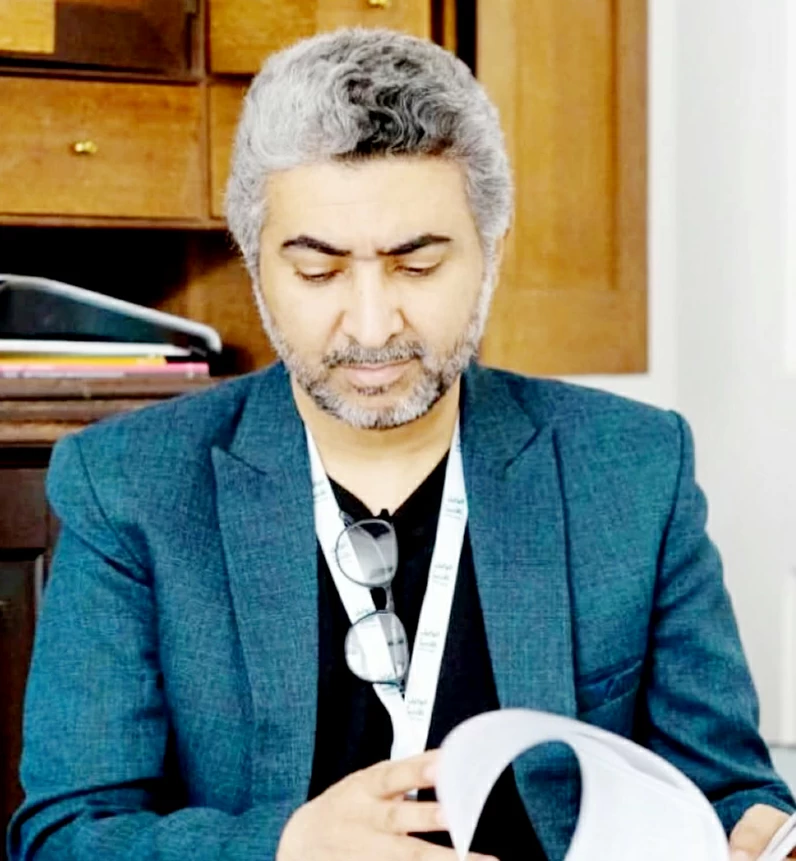
لم يكن استبعاد رواية «القبيلة التي تضحك ليلاً» للروائي سالم الصقور من القائمة الطويلة لجائزة جمعية الأدب المهنية مجرد واقعة تخص عملاً أدبياً واحداً، إذ سرعان ما تحوّلت الواقعة إلى سؤال أوسع حول شفافية شروط الجوائز الأدبية، وثبات معاييرها، والعلاقة بين التقييم الأدبي والإجراءات التنظيمية المرتبطة بفسح الكتب.
القضية اكتسبت أهميتها من اختلاف الروايتين حول سبب الاستبعاد؛ إذ إن كاتب الرواية سالم الصقور يؤكد أنه اطلع على شروط الترشح المعلنة، وتقدّم بالرواية، ثم تلقّى ما يفيد قبول مشاركته وتسلُّم العمل. وفي المقابل، أوضحت الجمعية، عبر رئيسها التنفيذي عبدالله مفتاح لـ«عكاظ»، أنّ الجائزة مخصصة للأعمال التي فُسحت إعلامياً، وأنّ الرواية المرسلة لم تكن تحمل فسحاً إعلامياً، وأنّ الجمعية تواصلت مع الكاتب لطلب نسخة مفسوحة، لكنه لم يرسلها.
وتبرز المفارقة التي تستحق التوقف عندها، عند العودة إلى الشروط المنشورة رسمياً للجائزة.
شرط الفسح
بحسب الموقع الرسمي لجائزة جمعية الأدب المهنية، فإنّ شروط فئة السرد تنصّ على أن يكون العمل مطبوعاً وأصيلاً، ومكتوباً بالعربية الفصحى، وألا يكون قد فاز بجائزة أخرى، وأن يُقدَّم بصيغة PDF عبر المنصة الإلكترونية، وألا يكون المتقدم من أعضاء مجلس إدارة الجمعية أو إدارتها التنفيذية أو أمانتها. ولا يرد ضمن هذه الشروط المنشورة بند صريح يشترط حصول الرواية على فسح إعلامي.
فإذا كان الفسح الإعلامي شرطاً لازماً لاستمرار الرواية في المنافسة، فلماذا لا يظهر بوصفه شرطاً صريحاً ضمن الشروط المنشورة لفئة السرد؟
والسؤال لا يعني بالضرورة افتراض وجود خطأ من أي طرف، لكنه يضع على الجهة المنظمة مسؤولية توضيح العلاقة بين الشروط المعلنة وبين المتطلبات التي اعتمد عليها الاستبعاد، خصوصاً أنّ الجائزة نفسها تقدّم مبادئ التقييم باعتبارها قائمة على الشفافية والعدالة والموضوعية، وتقول إنّ المعايير ينبغي أن تُطبَّق على جميع المشاركات، كما تؤكد أنّ التقييم الأدبي في فئة السرد ينظر إلى الحبكة والشخصيات والأسلوب واللغة والإبداع والابتكار.
الشرط الإداري بوابة أدبية
لا خلاف على حق أي جائزة في وضع شروطها الخاصة، ولا على حق الجهة المنظمة في التحقق من استيفاء المتقدمين للمتطلبات النظامية والتنظيمية.
لكن المسألة تختلف عندما يصبح الشرط التنظيمي سبباً في منع العمل من الوصول إلى مرحلة التقييم الأدبي أصلاً.
فهناك فرق بين أن تقول الجائزة: «هذه الأعمال لا تستوفي شروط المشاركة»، وبين أن يصل العمل إلى المنافسة ثم يُستبعد لاحقاً بسبب شرط لم يكن ظاهراً للمتقدم في قائمة الشروط المنشورة.
من هنا تصبح القضية مرتبطة بمبدأ بسيط لكنه جوهري في أي مسابقة: هل يعرف المتنافسون جميع قواعد اللعبة قبل دخولها؟
الموقع الرسمي للجائزة نصّ أيضاً على أنّ للجمعية الحق في تعديل الشروط، مع التأكيد على عدم الإخلال بنزاهة الجائزة. وهذا بدوره يفتح سؤالاً إجرائياً مهماً: إذا كان شرط الفسح قد أُضيف أو طُبِّق في مرحلة لاحقة، فمتى أُعلن؟ وكيف أُبلغ به المتقدمون؟ وهل أُتيح لهم الوقت نفسه لاستيفائه؟
جائزة تقوم على الشفافية
وتستمر المفارقة؛ كون الجائزة تعرّف نفسها بأنها جائزة لدعم الإبداع الأدبي السعودي، وتؤكد ضمن أهدافها «ترسيخ مبادئ الحياد والنزاهة»، وتوفير منصة للتقييم والفرز والتحكيم وفق معايير واضحة تضمن الشفافية والموضوعية.
كما أنّ آلية الجائزة المنشورة تفصل بين الفرز الأولي وبين التقييم الفني، وتوضح أنّ لجنة متخصصة تتولى التحكيم في مرحلة لاحقة.
ما يجعل سؤال الفسح أكثر حساسية: هل هو مجرد وثيقة إجرائية مطلوبة ضمن الفرز الأولي؟ أم أنه معيار له علاقة بمضمون العمل نفسه؟
إذا كان الأول، فمن الطبيعي أن يكون مكانه واضحاً ضمن شروط الفرز والإجراءات. وإذا كان الثاني، فإن الأمر يحتاج إلى تفسير أكبر، لأنّ الفسح ليس في الأصل معياراً أدبياً للحكم على جودة الرواية أو ابتكارها أو لغتها أو بنائها السردي.
جوائز الثقافة الوطنية
تبدو المقارنة مع الجوائز الثقافية الوطنية مفيدة هنا، ليس لإثبات تطابق الجائزتين، فلكل منهما نظامها وأهدافها، وإنما لاختبار موقع شرط الفسح داخل منظومة الجوائز الثقافية السعودية.
فوزارة الثقافة أعلنت في الدورة السادسة من الجوائز الثقافية الوطنية لعام 2026 استقبال الترشيحات لجوائزها في مختلف القطاعات الثقافية، ومنها جائزة الأدب، ضمن آلية تمر بالترشيح ثم الفرز والتقييم والتحكيم.
وكانت الوزارة أوضحت في الدورة الخامسة أنّ جائزة الأدب واحدة من الجوائز المخصصة للقطاعات الثقافية الفرعية، إلى جانب جوائز الأفلام والموسيقى والنشر والترجمة وغيرها.
وبالعودة إلى الشروط المنشورة المتاحة للجوائز الثقافية الوطنية، لا يظهر الفسح الإعلامي بوصفه شرطاً عاماً للتقدم إلى الجائزة.
وهنا لا تبدو المقارنة تفصيلاً ثانوياً، بل تطرح سؤالاً ثقافياً يستحق الإجابة:
إذا كانت جائزة ثقافية وطنية تشرف عليها وزارة الثقافة (لا تضع الفسح الإعلامي شرطاً عاماً للتقدم)، فما المبرر الذي جعل الفسح شرطاً حاسماً في جائزة أدبية مهنية؟
والإجابة، بطبيعة الحال، يُفترض أن تقدمها الجهة المنظمة للجائزة؛ لأنّ اختلاف طبيعة الجوائز قد يبرر اختلاف شروطها.
فسح الكتب
القضية تفتح باباً أوسع يتجاوز جائزة جمعية الأدب المهنية إلى مسألة الجهة التي ينبغي أن تضطلع بتنظيم قطاع الكتاب والنشر وفسح الأعمال الأدبية.
فالمشهد الثقافي السعودي شهد خلال السنوات الماضية انتقال قطاعات ثقافية عدة إلى هيئات متخصصة، وأصبح لكل قطاع إطار مؤسسي وتنظيمي أكثر تخصصاً.
ومن هنا يمكن طرح مقترح يستحق النقاش: هل حان الوقت لإعادة النظر في منظومة فسح الكتب، بحيث تكون هيئة الأدب والنشر والترجمة طرفاً رئيسياً في تنظيم هذا الملف، بما يتلاءم مع اختصاصها وصلتها المباشرة بالقطاع؟
ولا يعني ذلك بالضرورة إلغاء الضوابط أو المتطلبات النظامية، وإنما إعادة التفكير في موقعها وآلياتها وعلاقتها بالممارسة الأدبية.
القضية ليست «القبيلة التي تضحك ليلاً»
الأهم في هذه القضية ألا تُختزل في سؤال: هل كانت رواية سالم الصقور تستحق الوصول إلى القائمة الطويلة أم لا؟
فهذا سؤال يملكه المحكمون، ولا يمكن حسمه إلا من خلال التقييم الأدبي.
أما السؤال الذي فتحته الواقعة فهو مختلف:
هل كانت قواعد المنافسة واضحة لجميع المشاركين منذ البداية؟
وهل يمكن لجائزة أدبية أن تستبعد عملاً بسبب شرط تنظيمي لم يظهر بوضوح ضمن شروط الترشح المنشورة؟
ثم سؤال ثالث أكثر عمقاً:
هل يمكن أن يؤثر وجود مثل هذا الشرط في خيارات الكتّاب والأعمال التي يقررون نشرها أو التقدم بها إلى الجوائز؟
فإذا أصبح الكاتب يفكر في «قابلية العمل للفسح» قبل التفكير في قابليته الفنية والإبداعية، فإنّ المسألة تتجاوز إجراءً إدارياً إلى تأثير محتمل في المناخ الإبداعي نفسه.
اختبار مبكر لجائزة جديدة
جائزة جمعية الأدب المهنية لا تزال في دورتها الأولى، والجائزة الجديدة تحتاج، مثل أي مشروع ثقافي، إلى بناء الثقة قبل بناء التاريخ.
والثقة في الجوائز لا تأتي فقط من أسماء المحكمين أو قيمة المكافأة، وإنما من وضوح القواعد، وثباتها، وتطبيقها على الجميع، والقدرة على تفسير القرارات المختلف عليها.
ولذلك قد تكون قضية رواية «القبيلة التي تضحك ليلاً» فرصة للجمعية لا للدفاع عن قرار بعينه فقط، بل لتوضيح اللائحة وتحديد موقع الفسح الإعلامي فيها، والإعلان بوضوح عن شروط المنافسة قبل كل دورة.
فالمسألة في جوهرها ليست انتصار الكاتب على الجائزة، ولا انتصار الجائزة على الكاتب، وإنما حماية الطرفين من منطقة رمادية يمكن أن تضعف الثقة في التجربة بأكملها.
وفي المشهد الأدبي السعودي الذي يشهد توسعاً مؤسسياً متسارعاً، ربما يكون السؤال الأهم هو:
كيف نبني جوائز أدبية تجعل النص يخوض المنافسة أولاً بموهبته وقيمته الفنية، فيما تظل المتطلبات التنظيمية واضحة ومعلنة وعادلة قبل أن تبدأ المنافسة؟
عبدالعزيز أبو لسه: شرط مستغرب
يرى الشاعر عبدالعزيز أبو لسه أن جمعية الأدب المهنية خلاقة، وظاهرها الجمال، إلا أن من قِبَلِها ضعفاً في طرق تنفيذ الفعاليات، وأكبر شاهد على الخلل تعيين فرق سفراء في المناطق والمدن تعمل في الهواء الطلق بلا مقار وبلا دعم (على وجيه المستحين)، ثم تخرج علينا بهذه المسابقة التي استبشرنا بها أدباً، إلى أن أصدرت شرطها باستبعاد إصدارات بحجة أنها غير مجازة أو غير مفسوحة، وتساءل: هل هذا السبب من الوجاهة بحيث يستبعد عمل إبداعي مهم ومكتمل؟! ولماذا لم يُبيَّن هذا في شروط الترشح للجائزة؟ ألا تعمل الجمعية الموقرة بشكل مهني ينحاز إلى الإبداع بعيداً عن بيروقراطية تجاوزتها كل الأجهزة الرسمية والخاصة على مستوى المملكة؟!
وأضاف: شتان بين عمل كبير ملموس، منتج واضح، وبين تنظير ومستهدفات لا ندري إلى أين تتجه بالأدب.
عزيز محمد: ادرة غير مسبوقة
يرى الروائي عزيز محمد أن شرط الفسح الإعلامي بادرة غير مسبوقة في المسابقات الأدبية، إلا أنها تمثل نكوصاً في تقييمنا للأدب، لما ينتج عن هذا الشرط من إخضاع الأعمال المرشحة، أو التي تنوي الترشح مستقبلاً، لاعتبارات رقابية لا تعكس الحرية الإبداعية المتاحة في المشهد الأدبي السعودي اليوم. ولفت إلى أنّ جمعية الأدب المهنية مطالبة بتقديم تفسير لضرورة هذا الشرط، سواء أدرجته منذ البداية أم كان لاحقاً لمرحلة الترشح، بحكم أنها تقدّم الجائزة بصفتها جائزة ثقافية تحتكم لمعايير أدبية وفنية، لا معايير الجهات المسؤولة عن الفسح، ولأن موقعها التنظيمي واستراتيجيتها المعلَنة قائمة على تمكين الأديب والارتقاء بالمشهد الأدبي، لا إقصائه وتقييد حريته الإبداعية. وأكد أنّ الجوائز الثقافية الوطنية لم تشترط الفسح الإعلامي للأعمال المتقدّمة، وهي الممنوحة من جهة حكومية رسمية مثل وزارة الثقافة. ولعل هذه فرصة لإعادة النظر في مسؤولية فسح الكتب التي يفترض أن تنتقل إلى هيئة الأدب والنشر والترجمة، أسوة بهيئة الأفلام التي استلمت كافة المهام التنظيمية لقطاع الأفلام من الهيئة العامة لتنظيم الإعلام.
عبدالرحمن سابي: الوضوح والشفافية لطمأنة الكاتب على منتجه
يتطلع الشاعر عبدالرحمن سابي إلى الكثير من جمعية الأدب، ومنها الإسهام في تقديم المنتج الأدبي ذي القيمة في الساحة الثقافية، وغير القادر أحياناً على التواجد في خضم الضوء المانح للكثير من الأعمال الأدبية، مع اختلاف النسبية في أحقية العمل في التواجد أو عدمه، لافتاً إلى أنّ الجائزة خطوة أولى في تفعيل الغاية المثلى للعمل الإبداعي والاحتفاء به وبكاتبه في ظل تحقق الشروط الحاملة له على الوصول إلى أفضلية المنافسة وأحقية الفوز عبر صورة واضحة للشروط الفنية الخاصة بالعمل الساعي للدخول إلى المنافسة، موضحاً أن الشفافية شرط نجاح، خصوصاً فيما يتعلق بالظرف المكتبي المصاحب للعمل من دار نشر أو فسح طباعة وسنتها، ليتمكّن الراغب من المشاركة في تأمل الشروط والتأكد من مطابقة عمله للمعايير، ومن ثم تقدّم العمل للجائزة، أو معرفته المسبقة بعدم تطابق عمله مع الشروط المنصوص عليها مسبقاً، ويتحفظ على التقدّم؛ لتتحقق المصداقية والشفافية.
وعدّ سابي تقدّم عمل لجائزة ثم إلحاق شروط غير معلنة مسبقاً مؤثراً سلبياً، ويُبقي الكاتب في دائرة التساؤل المر، خصوصاً عند يقينه بجودة عمله فنياً، ودعا إلى تدارك مثل هذا الإجراء في الدورات القادمة لهذه المسابقة، والعمل على إيضاح الصورة لجميع الأعمال الراغبة في المشاركة في المسابقة، ووضع الكرة في ملعب المؤلف، ليكون الحكم قبل المعنيين بالأمر في مدى تطابق عمله مع الشروط المنصوص عليها في معايير المسابقة.
The exclusion of the novel "The Tribe That Laughs at Night" by novelist Salem Al-Saqour from the long list of the Professional Literature Association Award was not merely an incident concerning a single literary work. The incident quickly transformed into a broader question about the transparency of literary award criteria, the consistency of its standards, and the relationship between literary evaluation and the organizational procedures related to book approvals.
The issue gained significance from the differing accounts regarding the reason for the exclusion; the author of the novel, Salem Al-Saqour, asserts that he reviewed the announced nomination criteria, submitted the novel, and then received confirmation of his participation and the acceptance of the work. In contrast, the association clarified, through its executive director Abdullah Muftah to "Okaz," that the award is designated for works that have been approved for publication, and that the submitted novel did not carry such approval, and that the association contacted the author to request an approved copy, but he did not send it.
The paradox that deserves attention arises when returning to the officially published criteria for the award.
Approval Condition
According to the official website of the Professional Literature Association Award, the criteria for the narrative category stipulate that the work must be printed and original, written in Modern Standard Arabic, not previously awarded another prize, submitted in PDF format via the electronic platform, and that the applicant must not be a member of the association's board of directors, executive management, or secretariat. There is no explicit clause within these published criteria that requires the novel to have media approval.
If media approval is a necessary condition for the novel to remain in the competition, why does it not appear as an explicit condition among the published criteria for the narrative category?
This question does not necessarily imply an assumption of error from any party, but it places the responsibility on the organizing body to clarify the relationship between the announced criteria and the requirements that were relied upon for the exclusion, especially since the award itself presents evaluation principles as being based on transparency, fairness, and objectivity, stating that the criteria should be applied to all submissions, and emphasizes that literary evaluation in the narrative category considers plot, characters, style, language, creativity, and innovation.
Administrative Condition as a Literary Gateway
There is no dispute about any award's right to set its own criteria, nor about the organizing body's right to verify that applicants meet the regulatory and organizational requirements.
However, the matter differs when the organizational condition becomes a reason for preventing the work from reaching the literary evaluation stage at all.
There is a difference between the award saying, "These works do not meet the participation criteria," and the work reaching the competition only to be excluded later due to a condition that was not clearly stated to the applicant in the published criteria.
From here, the issue becomes linked to a simple but fundamental principle in any competition: Do competitors know all the rules of the game before entering it?
The official website of the award also states that the association has the right to amend the criteria, while ensuring that the integrity of the award is not compromised. This, in turn, raises an important procedural question: If the approval condition was added or applied at a later stage, when was it announced? How was it communicated to the applicants? And were they given the same time to meet it?
A Prize Based on Transparency
The paradox continues, as the award defines itself as one that supports Saudi literary creativity, affirming among its goals "entrenching principles of neutrality and integrity," and providing a platform for evaluation, sorting, and judging according to clear criteria that ensure transparency and objectivity.
Moreover, the published mechanism of the award distinguishes between preliminary sorting and technical evaluation, clarifying that a specialized committee takes on the judging at a later stage.
This makes the question of approval more sensitive: Is it merely a procedural document required during the preliminary sorting? Or is it a criterion related to the content of the work itself?
If it is the former, it is natural for its place to be clear among the sorting criteria and procedures. If it is the latter, then the matter requires greater explanation, as approval is not originally a literary criterion for judging the quality, innovation, language, or narrative structure of the novel.
National Cultural Awards
The comparison with national cultural awards seems useful here, not to prove the two awards are identical, as each has its own system and objectives, but to test the position of the approval condition within the framework of Saudi cultural awards.
The Ministry of Culture announced in the sixth cycle of the national cultural awards for 2026 that it is receiving nominations for its awards in various cultural sectors, including the literature award, through a mechanism that goes through nomination, sorting, evaluation, and judging.
The ministry clarified in the fifth cycle that the literature award is one of the awards designated for sub-cultural sectors, alongside awards for films, music, publishing, translation, and others.
Returning to the published criteria available for the national cultural awards, media approval does not appear as a general condition for applying for the award.
Here, the comparison does not seem a secondary detail but raises a cultural question that deserves an answer:
If a national cultural award overseen by the Ministry of Culture (does not impose media approval as a general condition for application), what justifies making approval a decisive condition in a professional literary award?
The answer, of course, is expected to be provided by the organizing body of the award; because the differing nature of the awards may justify the differing conditions.
Book Approvals
The issue opens a broader door that transcends the Professional Literature Association Award to the question of which entity should take on the organization of the book and publishing sector and the approval of literary works.
The Saudi cultural scene has witnessed in recent years the transition of several cultural sectors to specialized bodies, and each sector now has a more specialized institutional and organizational framework.
From here, a proposal worthy of discussion can be raised: Is it time to reconsider the book approval system so that the Literature, Publishing, and Translation Authority becomes a key player in organizing this file, in line with its specialization and direct connection to the sector?
This does not necessarily mean the cancellation of regulations or regulatory requirements, but rather rethinking their position, mechanisms, and relationship with literary practice.
The issue is not merely "The Tribe That Laughs at Night."
The most important aspect of this issue is that it should not be reduced to the question: Did Salem Al-Saqour's novel deserve to reach the long list or not?
This is a question owned by the judges and can only be resolved through literary evaluation.
However, the question raised by the incident is different:
Were the competition rules clear to all participants from the beginning?
And can a literary award exclude a work due to an organizational condition that was not clearly stated in the published nomination criteria?
Then a third, deeper question:
Can the existence of such a condition influence the choices of writers and the works they decide to publish or submit for awards?
If a writer begins to think about "the work's eligibility for approval" before considering its artistic and creative merit, then the matter transcends an administrative procedure to a potential impact on the creative climate itself.
Early Test for a New Award
The Professional Literature Association Award is still in its first cycle, and the new award needs, like any cultural project, to build trust before building history.
Trust in awards does not come solely from the names of the judges or the value of the prize, but from the clarity of the rules, their consistency, their application to everyone, and the ability to explain disputed decisions.
Therefore, the issue of "The Tribe That Laughs at Night" may be an opportunity for the association not only to defend a specific decision but to clarify the regulations and define the place of media approval within them, and to clearly announce the competition criteria before each cycle.
At its core, the issue is not about the writer triumphing over the award, nor the award triumphing over the writer, but rather protecting both parties from a gray area that could undermine trust in the entire experience.
In the rapidly expanding institutional landscape of Saudi literature, perhaps the most important question is:
How do we build literary awards that allow the text to compete first on its talent and artistic value, while keeping the organizational requirements clear, announced, and fair before the competition begins?
Abdulaziz Abu Lasa: An Unexpected Condition
Poet Abdulaziz Abu Lasa believes that the Professional Literature Association is creative, and its appearance is beautiful, yet there is a weakness in its execution of activities. The greatest evidence of this flaw is the appointment of ambassador teams in regions and cities working in the open air without headquarters and without support (on the faces of the shy), only to present us with this competition that we were optimistic about in terms of literature, until it issued its condition to exclude publications on the grounds that they are not approved or not permitted. He questioned: Is this reason substantial enough to exclude an important and complete creative work?! And why was this not clarified in the award's nomination criteria? Does the esteemed association not operate in a professional manner that favors creativity away from the bureaucracy that all official and private agencies in the Kingdom have surpassed?!
He added: There is a vast difference between a significant tangible work, a clear product, and theorizing and objectives whose direction in literature we do not know.
Aziz Mohammed: An Unprecedented Administration
Novelist Aziz Mohammed sees the media approval condition as an unprecedented initiative in literary competitions, yet it represents a regression in our evaluation of literature, due to the subjection of nominated works, or those intending to nominate in the future, to regulatory considerations that do not reflect the creative freedom available in the Saudi literary scene today. He pointed out that the Professional Literature Association is required to provide an explanation for the necessity of this condition, whether it was included from the beginning or added later in the nomination phase, as it presents the award as a cultural award governed by literary and artistic criteria, not by the criteria of the authorities responsible for approvals, and because its organizational position and declared strategy are based on empowering the writer and elevating the literary scene, not excluding it and restricting its creative freedom. He emphasized that the national cultural awards did not require media approval for the submitted works, which are granted by an official governmental entity like the Ministry of Culture. This may be an opportunity to reconsider the responsibility of book approvals, which should be transferred to the Literature, Publishing, and Translation Authority, similar to the Film Authority that has taken on all organizational tasks for the film sector from the General Authority for Media Regulation.
Abdulrahman Sabi: Clarity and Transparency to Assure the Writer About Their Product
Poet Abdulrahman Sabi looks forward to much from the Literature Association, including contributing to presenting valuable literary products in the cultural arena, which sometimes struggle to be present in the spotlight that grants many literary works visibility, despite the relative differences in the right of the work to be present or not. He pointed out that the award is a first step in activating the ultimate goal of creative work and celebrating it and its author, provided that the conditions enabling it to reach the best competition and rightful winning are met through a clear picture of the specific artistic conditions of the work seeking to enter the competition. He clarified that transparency is a condition for success, especially concerning the accompanying publishing circumstances of the work from the publishing house or printing approval and its year, so that the interested party can contemplate the conditions and ensure their work matches the criteria, and then submit the work for the award, or be preemptively aware that their work does not match the previously stated conditions, and thus refrain from applying; achieving credibility and transparency.
Sabi considered submitting a work for an award and then attaching previously undisclosed conditions to be negatively impactful, leaving the writer in a bitter questioning circle, especially when they are certain of the artistic quality of their work. He called for addressing such procedures in future cycles of this competition and working to clarify the picture for all works wishing to participate in the competition, placing the ball in the author's court, to be the judge before those concerned regarding the compatibility of their work with the conditions stipulated in the competition criteria.