تعتبر مهنة الطب من أسمى وأرقى المهن الإنسانية كونها تهدف إلى تخفيف آلام البشر ومعاناتهم. أما دراسة الطب فتتطلب صبراً وجلداً وجدية على مدى ما لا يقل عن سبع سنوات متواصلة، تتلوها سنوات أخرى من التدريب في المستشفيات المعروفة، وربما سنوات طويلة أخرى لمن يريد التخصص في فرع من الفروع الطبية المختلفة الكثيرة مثل التخصص في طب الأطفال، أو النساء والولادة، أو القلب، أو المخ والأعصاب، أو الأمراض الجلدية، أو أمراض الجهاز الهضمي، أو الأمراض التناسلية، أو أمراض الجهاز التنفسي، أو أمراض الأنف والأذن والحنجرة، أو أمراض العيون، أو طب الفم والأسنان، أو طب التشريح، وغيرها. وبسبب صعوبة دراسة الطب وسنواتها الطويلة، نجد أن الذين يلتحقون بكليات الطب هم في العادة من المتفوقين والأوائل في المرحلة الثانوية، ومن ذوي النفس الطويل والشغف بالمواد العلمية.
وفي اعتقادي، أن التخصص في طب الأطفال، يُعتبر من التخصصات الصعبة، كونه يستلزم التعامل مع الرضع والصغار الذين يفتقدون ميزة الكشف والتعبير عن آلامهم ومواطن أوجاعهم، وهذا يتطلب بدوره أن يكون الطبيب المعالج صاحب مواهب وملكات خاصة في كيفية التعامل معهم وشحذ ثقتهم وتبديد مخاوفهم، ناهيك عن كيفية كسب ثقة أمهاتهم وتوجيههن إلى الأساليب الصحيحة والمسارات المتدرجة لعلاجهم.
ومن ناحية أخرى، فإن تخصص طب الأطفال يتطلب دراسة التطورات النفسية والعقلية والبدنية لنمو الطفل، وقد يشمل معالجة الأمراض المختلفة والإعاقات الخاصة بالأطفال، وتقديم كافة سبل الرعاية الطبية والصحية سواء كانوا حديثي الولادة أو في مرحلة الطفولة ووصولاً إلى سن المراهقة. هذا علماً أنه قد يتحتم على طبيب الأطفال أن يتخصص في مجال أو أكثر من المجالات ذات الصلة بعلاج الأطفال مثل: علم الحساسية والمناعة للأطفال، طب الأطفال التنموي والسلوكي، علم الأورام للأطفال، طب الغدد الصماء للأطفال، طب الطوارئ للأطفال، علم حديثي الولادة، طب إساءة معاملة الأطفال، طب المراهقين، وغيرها.
ومن حسن حظ البحرين أن التعليم بدأ فيها مبكراً وقبل بقية دول الجوار بسنوات طويلة (أول مدرسة نظامية للبنين افتتحت في المحرق سنة 1919 تحت اسم «مدرسة الهداية الخليفية»، وأول مدرسة نظامية للبنات تأسست في المحرق أيضا سنة 1928 تحت اسم «مدرسة خديجة الكبرى»، وكلتاهما في عهد عظمة الشيخ عيسى بن علي آل خليفة، طيب الله ثراه، الذي امتد من عام 1869 إلى عام 1932)، وهو ما سمح بتخرج دفعات مبكرة من الطلبة الحاصلين على الثانوية العامة ممن واصلوا دراستهم الجامعية في الخارج في مختلف التخصصات العلمية والأدبية. ومن حسن حظ البحرين أيضاً اهتمام حكامها منذ ذلك الوقت المبكر بالعلم الحديث والتخصصات الرفيعة، الذي تجلى في إرسال البعثات الدراسية إلى الخارج للتخصص في أرقى قلاع العلم وأشهرها. ودليلنا هو أن أول بعثة تعليمية بحرينية كانت في عام 1928، وكانت وجهتها الجامعة الأمريكية في بيروت.
ومن المفيد هنا الإشارة أيضاً إلى أن البحرين أولت اهتماماً مشابهاً أو مضاعفاً بصحة المواطن منذ أواخر القرن التاسع عشر ومطلع القرن العشرين، حينما كان الكثير من الدول الأخرى تخلو من المستشفيات والمراكز الصحية، ولا تعرف الرعاية الطبية، وتعالج الأوبئة والأمراض الخطيرة بالطب الشعبي والرقية الشرعية. حيث شهدت البحرين في عام 1889 تأسيس أول محجر صحي للحد من انتشار الأوبئة المعدية، وافتتاح أول عيادة في المنامة سنة 1892، وتلا ذلك في عام 1903 افتتاح أول مستشفى حديث في البحرين ومنطقة الخليج بأسرها تحت اسم «مستشفى مايسون التذكاري»، ثم افتتاح «مستشفى فيكتوريا التذكاري» في عام 1906، وصولاً إلى تدشين العمل بمستشفى السلمانية سنة 1957. ومما لا شك فيه أن كل هذا مهد طريق العمل والمساهمة في نهضة البلاد صحياً أمام أبناء البحرين العائدين من سنوات دراستهم الطب في الخارج.
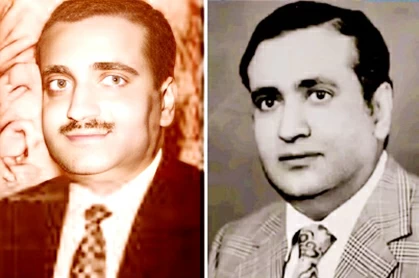
يجرنا الحديث السابق إلى تسليط الضوء على مسيرة الطبيب البحريني المرحوم إبراهيم يعقوب السعد، الذي يعد أول طبيب بحريني متخصص في طب الأطفال، ومؤسس قسم طب الأطفال بمستشفى السلمانية، والرجل اللطيف المتواضع ذا الأخلاق الرفيعة والنشاط الدائب، الذي خدم أهله وناسه على مدى نحو أربعة عقود دون كلل أو ملل، متنقلاً من عيادة إلى أخرى، ومن منصب إلى آخر.
ولد «إبراهيم يعقوب محمد السعد»، بفريج الخاطر من مدينة المحرق عام 1935، واشتهر عند رجال ونساء وأطفال مسقط رأسه باسم «دختر إبراهيم». ومنذ سنوات عمره المبكرة أبدى شغفاً قوياً بالتعليم والتفوق فيه، فالتحق بمدرسة الهداية الخليفية ودرس كل المراحل المتاحة بها آنذاك على أيدي معلمين بحرينيين وعرب. وبسبب تفوقه واجتهاده، حصل على بعثة دراسية إلى مصر في عام 1948، كي ينال منها شهادة التوجيهية التي تسمح له بعد ذلك بإكمال دراسته الجامعية هناك.
يخبرنا الزميل يوسف صلاح الدين، ضمن ما كتبه في صحيفة «الوطن» البحرينية (14/11/2018) عن دخول البحرين عصر الطيران، أن السعد سافر من البحرين إلى مصر مع زملائه المبتعثين على متن طائرة مائية ذات أربعة محركات، انطلقت بهم نهاراً من مطار البحرين البحري (تمّ تشغيله عام 1937) الواقع آنذاك في الموقع الحالي لفندق عمر الخيام بوسط المنامة باتجاه البصرة، فسكنوا هناك في «فندق شط العرب»، حيث شدّ انتباه السعد وجود حنفيتين للماء البارد والماء الساخن، لأنه لم يشاهد مثلهما من قبل، ثم طاروا في اليوم التالي من البصرة إلى الحبانية، ومن الأخيرة انطلقوا إلى مطار صغير قرب البحر الميت، إلى أن هبطت الطائرة على مياه النيل بالقرب من منطقة روض الفرج في القاهرة.
ويبدو أن السعد لسبب ما، بعد أن درس في القاهرة لفترة قصيرة، فضل أن يكمل دراسته في بيروت بدلاً من القاهرة، فسافر إلى لبنان حيث نال شهادة البكالوريا الدولية من الكلية الدولية (IC) في بيروت بتفوق، وهو ما سمح له بعد ذلك بالالتحاق بكلية الطب في الجامعة الأمريكية، التي تخرج فيها طبيباً عام 1959، ضمن الدفعة نفسها التي شملت زميله الدكتور راشد علي فليفل، الذي تخصص لاحقاً في الولايات المتحدة في مجال الأمراض الصدرية، علماً أن الدكتور علي محمد فخرو، وزير الصحة البحريني الأسبق، سبقهما بسنة واحدة في التخرج من الكلية والجامعة نفسيهما، قبل أن يواصل دراسته في الولايات المتحدة ويتخصص في أمراض القلب.
ومما لا شك فيه، أن السعد استفاد كثيراً من إقامته ودراسته لمدة 11 عاماً في بيروت، التي كانت في تلك الفترة من أجمل وأرقى المدن، ونافذة حضارية وثقافية مكتظة بالمدهشات والصرعات والأفكار. غير أن ما يحسب له أنه ركز جل اهتمامه على هدف التحصيل الذي جاء من أجله، فلم ينخرط في السياسة ولم تجذبه التيارات السياسية المتصارعة، ونأى بنفسه عنها وعن شعاراتها البراقة، فلم يتلوث بها كما تلوث الكثيرون من طلبة وخريجي الجامعة الأمريكية في بيروت.
عاد السعد إلى البحرين عام 1959 متحمساً للعمل، بعد أن حصل على بكالوريوس الطب، لكنه ابتعث مجدداً إلى الخارج للتخصص، فسافر إلى الولايات المتحدة الأمريكية، حيث التحق بجامعتي نيويورك وكاليفورنيا الأمريكيتين التي أمضى بهما ثلاث سنوات انتهت بحصوله على شهادة التخصص في طب الأطفال. ومن الولايات المتحدة توجه إلى المملكة المتحدة من أجل التدريب في الجامعات والمستشفيات البريطانية، فأمضى فترة تدريبية بجامعتي لندن وشيفلد انتهت في عام 1961.
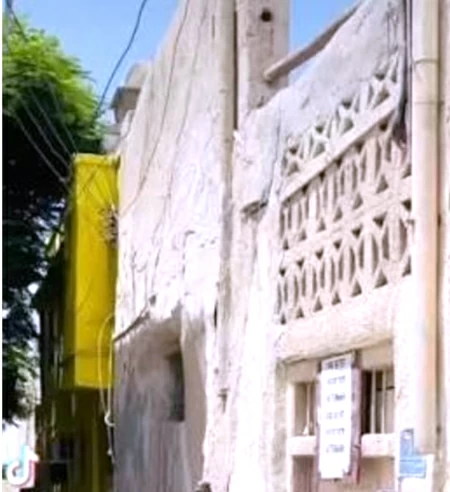
على إثر ذلك عاد الرجل إلى البحرين في نهاية عام 1961 متحمساً لخدمة أهله وناسه، فانضم إلى دائرة الصحة التي كانت وقتذاك تحت إدارة الطبيب البريطاني «ريتشارد سنو»، وتمّ تكليفه بالعمل طبيباً للأطفال بمدينة المحرق، التي رحبت بابنها البار المتفوق، وتعاون أهلها معه وأحبوه، فبادلهم الحب بالحب. وقتها لم تكن هناك مستشفيات أو مراكز صحية في المحرق خاصة بالأطفال والولادة؛ لذا اختير بيت حرم عظمة الشيخ حمد بن عيسى آل خليفة، طيب الله ثراه، مكاناً مؤقتاً للتوليد وعلاج المرضى من الأطفال، فمارس السعد مهنته من خلال هذا البيت، الذي أطلق عليه الأهالي «بيت دختر إبراهيم». لاحقاً انتقل طبيبنا للعمل بمركز المحرق الصحي بشمال المحرق (مكان مركز الرعاية الاجتماعية حالياً)، وكان هذا قبل قرار نقله للعمل بمستشفى السلمانية بالمنامة، وهو قرار قوبل بعدم الرضا والاحتجاج من قبل أهالي المحرق الذين طالبوا ببقاء السعد بينهم، لكن دون جدوى. وحدث الشيء ذاته حينما تم نقله للعمل في البديّع، حيث أحبه سكانها، وكتبوا العرائض إلى وزارة الصحة، رافضين استبداله بطبيب آخر.
كسر قاعدة جلوس الأطباء
في مستشفى السلمانية، أسس السعد قسم طب أمراض الأطفال وترأسه، وبالتزامن عمل مستشاراً لأمراض الأطفال بوزارة الصحة، وفي هذا السياق نشرت صحيفة «الوطن» البحرينية (20/10/2018) مقالاً لأحد كتابها، وصف فيه أسلوب الدكتور السعد في العمل، فقال ما مفاده إن السعد كسر قاعدة جلوس الأطباء في غرفهم لمعاينة المريض إبّان عمله بمستشفى السلمانية، بإخراج طاولته وكرسيه إلى الصالة المقابلة لغرفته، ومخاطبة أولياء أمور الأطفال المرضى مباشرة، وتعهده بألا يبارح المستشفى دون الكشف على كل طفل وصرف الدواء اللازم له، مع حرصه دائماً على أن يبدأ بالكشف على الأطفال الآتين بصحبة أمهاتهم، كي لا يتأخرن عن العودة لمتابعة شؤون بيوتهن.
توالت الترقيات على طبيبنا، فأصبح مديراً عاماً للشؤون الفنية بوزارة الصحة، فوكيلاً مساعداً للشؤون الفنية بوزارة الصحة، فوكيلاً مساعداً للصحة الأولية والصحة العامة بالوزارة زمن وزيرها الأسبق «جواد سالم العريض»، وبحكم منصبه حضر العديد من المؤتمرات الطبية داخل منطقة الخليج وخارجها.
وإبّان ممارسة صاحبنا الطب في السلمانية جاءته عروض كثيرة من دول الجوار للاستفادة من علمه وخبرته، فذهب بها إلى أمير البلاد الشيخ عيسى بن سلمان للاستئناس برأيه، لكن الأمير سأله عن موقفه من تلك العروض، فما كان من السعد إلا أن أجاب قائلاً إنه طوع الأمر، وإنّ خدمة وطنه وشعبه لها الأولوية. وإنه يأمل بأن يأمر بتوفير كافة الأدوية الحديثة المتعلقة بعلاج الأطفال من مصادرها في الدول الغربية، فاستجاب الأمير، رحمه الله، فوراً لطلبه وبأسرع وقت ممكن.
المناصب لم تسرقه من خدمة البحرينيين
وخلافاً لغيره من الأطباء، لم تسرقه مناصبه الإدارية الرفيعة من شرف خدمة مواطنيه البحرينيين، فكان دوماً عند حسن ظنهم به، حيث قدم مساهمات طبية واستشارية واجتماعية كثيرة، وانخرط في أنشطة تطوعية عديدة، وذلك من خلال: مركز البحرين للحراك الدولي ودار الحكمة وجمعية الصداقة للمكفوفين وجمعية السرطان وجمعية تنظيم الأسرة وجمعية البحرين لمرضى السكر وجمعية مكافحة التدخين وجمعية الهلال الأحمر البحرينية وجمعية الأطباء البحرينية، ونادي الخريجين البحرينيين، وغيرها، طبقاً لما نشرته صحيفة «البلاد» البحرينية (2/8/2022).
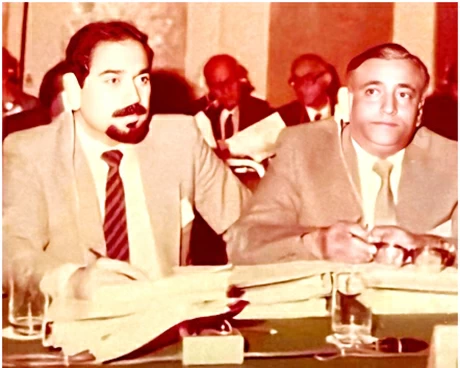
في شهادة عن خصاله ومناقبه، أخبرني الصديق إسماعيل البنمحمد، الذي عرفه عن كثب بحكم عمله بوزارة الصحة البحرينية مديراً للعلاقات الدولية، ورحلاتهما معاً لتمثيل البحرين في المؤتمرات الخليجية والعربية والدولية ذات الصلة بالصحة، بأن السعد كان رجلاً كريماً وقنوعاً ومتواضعاً، لا يستجدي المناصب، ولا يحب الأضواء، ويترفع عن القيل والقال والجدل العقيم في القضايا السياسية والأيديولوجية. إلى ذلك قال البنمحمد ما مفاده، إن صاحبنا كان مثقفاً وقارئاً نهماً باللغتين العربية والإنجليزية (خصوصاً في مجالي التاريخ والأدب)، وخطيباً متفوهاً بالعربية، بل كثيراً ما كان يصحح للآخرين أخطاءهم النحوية واللفظية. وبسبب خصاله هذه، وأقدميته في تخصصه الطبي، كان محبوباً ومحاطاً دوماً بالتقدير والاحترام من قبل نظرائه العرب والأجانب. أما النصيحة التي اعتاد أن يخاطب بها أصدقاءه في أوقات همومهم فكانت: «الحياة قصيرة فلا تجعلها أقصر».
في يوم الثلاثاء الموافق 26 أغسطس 2008 ودّع الدكتور إبراهيم يعقوب السعد الدنيا عن عمر ناهز 73 عاماً، تاركاً خلفه ثلاثة أولاد (ياسر وقصي وأحمد) وابنة واحدة (بدور)، ودُفِن رحمه الله بعد الصلاة عليه بمقبرة المحرق، ليسدل الستار بذلك على حياة طبيب أحبه الناس لبساطته وخدماته الإنسانية الجليلة، وخصاله ومناقبه الكريمة.
The medical profession is considered one of the noblest and most prestigious human professions, as it aims to alleviate the pain and suffering of people. Studying medicine requires patience, endurance, and seriousness over a period of no less than seven continuous years, followed by additional years of training in well-known hospitals, and perhaps many more years for those who wish to specialize in one of the many different medical branches, such as pediatrics, obstetrics and gynecology, cardiology, neurology, dermatology, gastroenterology, reproductive diseases, respiratory diseases, ENT diseases, ophthalmology, dentistry, anatomy, and others. Due to the difficulty of studying medicine and its long duration, we find that those who enroll in medical schools are usually among the top achievers in high school and have a long-term passion for scientific subjects.
In my opinion, specializing in pediatrics is considered one of the difficult specialties, as it requires dealing with infants and young children who lack the ability to express and articulate their pains and areas of discomfort. This, in turn, requires the treating physician to possess special talents and skills in how to interact with them, build their trust, and dispel their fears, not to mention how to gain the trust of their mothers and guide them to the correct methods and gradual paths for their treatment.
On the other hand, the pediatrics specialty requires studying the psychological, mental, and physical developments of child growth, which may include treating various diseases and disabilities specific to children, and providing all means of medical and health care whether they are newborns, in childhood, or reaching adolescence. It is worth noting that a pediatrician may need to specialize in one or more related fields of child treatment such as: pediatric allergy and immunology, developmental and behavioral pediatrics, pediatric oncology, pediatric endocrinology, pediatric emergency medicine, neonatology, child abuse medicine, adolescent medicine, and others.
Fortunately for Bahrain, education began early there, long before the neighboring countries (the first formal school for boys opened in Muharraq in 1919 under the name "Al-Hidaya Al-Khalifiya School," and the first formal school for girls was established in Muharraq as well in 1928 under the name "Khadija Al-Kubra School," both during the reign of the great Sheikh Isa bin Ali Al Khalifa, may God have mercy on him, whose rule extended from 1869 to 1932). This allowed for the graduation of early batches of students who obtained their high school diplomas and continued their university studies abroad in various scientific and literary disciplines. Bahrain was also fortunate that its rulers showed interest in modern science and high specialties from that early time, which was reflected in sending study missions abroad to specialize in the most prestigious and famous centers of knowledge. Our evidence is that the first Bahraini educational mission was in 1928, and its destination was the American University in Beirut.
It is also useful to note that Bahrain paid similar or even greater attention to the health of its citizens since the late 19th century and the early 20th century, when many other countries lacked hospitals and health centers, did not know medical care, and treated epidemics and serious diseases with folk medicine and religious incantations. Bahrain witnessed the establishment of the first health quarantine in 1889 to limit the spread of infectious epidemics, the opening of the first clinic in Manama in 1892, followed by the opening of the first modern hospital in Bahrain and the entire Gulf region in 1903 under the name "Mason Memorial Hospital," then the opening of "Victoria Memorial Hospital" in 1906, culminating in the inauguration of Salmaniya Hospital in 1957. Undoubtedly, all of this paved the way for work and contribution to the health renaissance of the country for the children of Bahrain returning from their years of studying medicine abroad.
This previous discussion leads us to highlight the journey of the late Bahraini physician Ibrahim Yaqub Al-Saad, who is considered the first Bahraini doctor specialized in pediatrics, the founder of the pediatrics department at Salmaniya Hospital, and a kind and humble man with high morals and tireless activity, who served his people for nearly four decades without fatigue or boredom, moving from one clinic to another and from one position to another.
Ibrahim Yaqub Muhammad Al-Saad was born in the Khater neighborhood of Muharraq in 1935, and he became known among the men, women, and children of his hometown as "Dukhtar Ibrahim." From his early years, he showed a strong passion for education and excellence in it, so he joined Al-Hidaya Al-Khalifiya School and studied all the available stages there under the guidance of Bahraini and Arab teachers. Due to his excellence and diligence, he received a scholarship to Egypt in 1948 to obtain the secondary school certificate that would allow him to continue his university studies there.
Colleague Youssef Salah Al-Din tells us, in what he wrote in the Bahraini newspaper "Al-Watan" (14/11/2018) about Bahrain entering the aviation era, that Al-Saad traveled from Bahrain to Egypt with his fellow scholarship students on a four-engine seaplane that took off during the day from the Bahrain Marine Airport (which was opened in 1937) located at what is now the site of the Omar Khayyam Hotel in downtown Manama towards Basra. They stayed there at the "Shatt Al-Arab Hotel," where Al-Saad was fascinated by the presence of faucets for cold and hot water, as he had never seen anything like them before. The next day, they flew from Basra to Al-Habbaniyah, and from there they headed to a small airport near the Dead Sea, until the plane landed on the Nile waters near the Rawd Al-Faraj area in Cairo.
It seems that for some reason, after studying in Cairo for a short period, Al-Saad preferred to continue his studies in Beirut instead of Cairo, so he traveled to Lebanon where he obtained the International Baccalaureate from the International College (IC) in Beirut with excellence, which allowed him to enroll in the medical school at the American University, from which he graduated as a physician in 1959, among the same batch that included his colleague Dr. Rashid Ali Fleifel, who later specialized in the United States in the field of pulmonary diseases. It is noteworthy that Dr. Ali Muhammad Fakhro, the former Bahraini Minister of Health, graduated a year before them from the same college and university, before continuing his studies in the United States and specializing in cardiology.
Undoubtedly, Al-Saad benefited greatly from his 11 years of residence and study in Beirut, which at that time was one of the most beautiful and prestigious cities, and a cultural and civilizational window filled with wonders, trends, and ideas. However, what is commendable is that he focused all his attention on the goal of acquiring knowledge for which he came, as he did not engage in politics nor was he attracted to the conflicting political currents, keeping himself away from them and their flashy slogans, thus he did not get contaminated by them as many students and graduates of the American University in Beirut did.
Al-Saad returned to Bahrain in 1959 eager to work after obtaining his Bachelor of Medicine, but he was sent abroad again for specialization, traveling to the United States, where he joined New York and California universities, spending three years there, which ended with him obtaining a specialization certificate in pediatrics. From the United States, he headed to the United Kingdom for training in British universities and hospitals, spending a training period at London and Sheffield universities that ended in 1961.
As a result, the man returned to Bahrain at the end of 1961 eager to serve his people, joining the health department, which was then under the management of British doctor "Richard Snow," and he was assigned to work as a pediatrician in the city of Muharraq, which welcomed its distinguished and outstanding son, and its people cooperated with him and loved him, and he reciprocated their love. At that time, there were no hospitals or health centers in Muharraq specifically for children and childbirth; therefore, the house of the wife of the great Sheikh Hamad bin Isa Al Khalifa, may God have mercy on him, was chosen as a temporary place for childbirth and treating sick children, where Al-Saad practiced his profession through this house, which the locals called "Dukhtar Ibrahim's House." Later, our doctor moved to work at the Muharraq Health Center in northern Muharraq (the current location of the Social Care Center), which was before the decision to transfer him to work at Salmaniya Hospital in Manama, a decision that was met with dissatisfaction and protests from the people of Muharraq who demanded that Al-Saad remain among them, but to no avail. The same thing happened when he was transferred to work in Budaiya, where the residents loved him, and they wrote petitions to the Ministry of Health, refusing to replace him with another doctor.
Breaking the Rule of Doctors Sitting
At Salmaniya Hospital, Al-Saad established the pediatrics department and headed it, while simultaneously working as a consultant for pediatric diseases at the Ministry of Health. In this context, the Bahraini newspaper "Al-Watan" (20/10/2018) published an article by one of its writers, describing Dr. Al-Saad's working style, stating that Al-Saad broke the rule of doctors sitting in their rooms to examine patients during his work at Salmaniya Hospital by bringing his table and chair to the hall opposite his room, directly addressing the parents of sick children, and committing to not leave the hospital without examining every child and prescribing the necessary medication for them, always ensuring to start with examining the children who came with their mothers, so they would not be delayed in returning to attend to their household affairs.
Promotions followed for our doctor, as he became the General Director of Technical Affairs at the Ministry of Health, then the Assistant Undersecretary for Technical Affairs at the Ministry of Health, and then the Assistant Undersecretary for Primary Health and Public Health at the ministry during the time of its former minister "Jawad Salem Al-Aryed," and by virtue of his position, he attended many medical conferences inside and outside the Gulf region.
During our friend's practice of medicine at Salmaniya, he received many offers from neighboring countries to benefit from his knowledge and experience, which he took to the Amir of the country, Sheikh Isa bin Salman, to seek his opinion. However, the Amir asked him about his position on those offers, to which Al-Saad replied that he was at the service of the matter, and that serving his country and people took precedence. He hoped that the Amir would order the provision of all modern medications related to treating children from their sources in Western countries, and the Amir, may God have mercy on him, immediately responded to his request as quickly as possible.
Positions Did Not Steal Him from Serving Bahrainis
Unlike other doctors, his high administrative positions did not steal him from the honor of serving his Bahraini citizens, as he was always up to their expectations of him, providing many medical, advisory, and social contributions, and engaging in numerous volunteer activities, through: the Bahrain Center for International Mobility, Dar Al-Hekma, the Friendship Association for the Blind, the Cancer Association, the Family Planning Association, the Bahrain Diabetes Association, the Anti-Smoking Association, the Bahrain Red Crescent Society, the Bahrain Medical Society, the Bahrain Graduates Club, and others, according to what was published by the Bahraini newspaper "Al-Balad" (2/8/2022).
In a testimony about his qualities and virtues, my friend Ismail Al-Ban Mohammed, who knew him closely due to his work at the Bahraini Ministry of Health as the Director of International Relations, and their joint trips to represent Bahrain at Gulf, Arab, and international conferences related to health, told me that Al-Saad was a generous, content, and humble man, who did not seek positions, did not love the limelight, and rose above gossip and futile debates on political and ideological issues. Additionally, Al-Ban Mohammed stated that our friend was cultured and an avid reader in both Arabic and English (especially in the fields of history and literature), and an eloquent speaker in Arabic, often correcting others' grammatical and pronunciation errors. Due to these qualities and his seniority in his medical specialty, he was loved and always surrounded by appreciation and respect from his Arab and foreign peers. The advice he used to address his friends during their times of concern was: "Life is short, so do not make it shorter."
On Tuesday, August 26, 2008, Dr. Ibrahim Yaqub Al-Saad bid farewell to this world at the age of 73, leaving behind three sons (Yasser, Qusai, and Ahmad) and one daughter (Badr), and he was buried, may God have mercy on him, after the prayer at the Muharraq cemetery, thus drawing the curtain on the life of a doctor beloved by people for his simplicity, his noble humanitarian services, and his generous qualities and virtues.