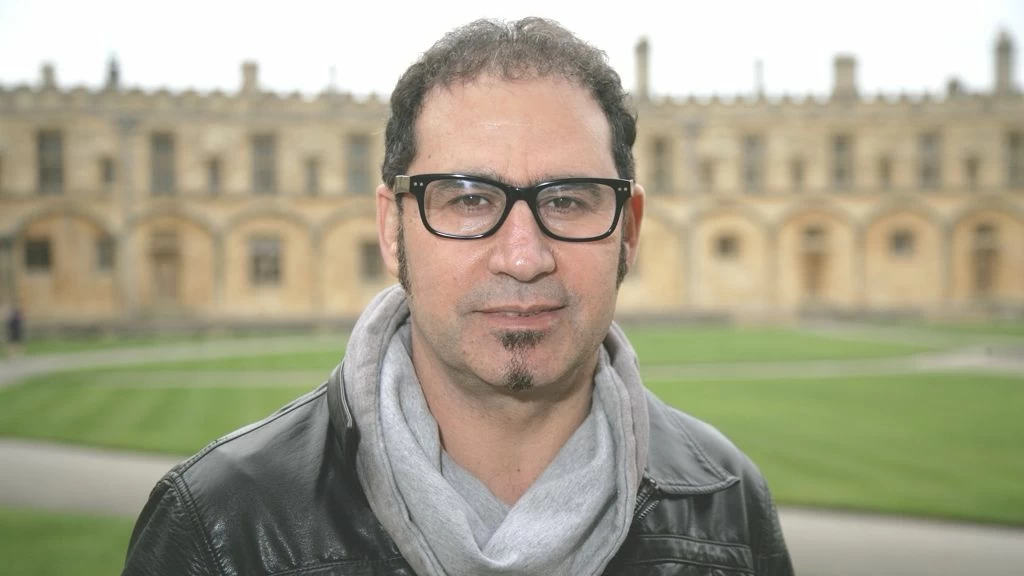
أثار المقال الذي نشره الروائي العراقي علي بدر بعنوان «المثقف العربي ودول الخليج» موجة واسعة من النقاشات والردود بين مثقفين وكتّاب سعوديين وخليجيين، بعدما أعاد طرح رؤية وصفها كثيرون بأنها «قديمة ونمطية»، تقوم على اعتبار دول الخليج قوة اقتصادية تفتقر إلى العمق الثقافي والتاريخي.
ورأى عدد من الأدباء والكتّاب السعوديين أن هذه النظرة لم تعد تعبّر عن واقع المنطقة اليوم، في ظل التحولات الثقافية الكبرى التي تشهدها المملكة ودول الخليج، وما تحقق خلال السنوات الأخيرة من حضور مؤثر في مجالات النشر والإعلام وصناعة المعرفة والمشروعات الثقافية الكبرى.
نظرة قديمة تجاوزها الواقع
واعتبر مثقفون أن بعض الكتّاب العرب لا يزالون ينظرون إلى الخليج بعين الحقبة التي كانت فيها القاهرة وبيروت وبغداد تتصدر المشهد الثقافي العربي، بينما كان الحضور الثقافي الخليجي آنذاك في بداياته المؤسسية.
وأشاروا إلى أن هذه التصورات استمرت لدى بعض النخب الثقافية العربية رغم التحولات العميقة التي شهدتها المنطقة، وأصبحت أحياناً تُستخدم للتقليل من شأن التجربة الخليجية والتشكيك في أصالتها الثقافية والمعرفية.
وأكدوا أن المشهد الثقافي العربي تغيّر بصورة كبيرة خلال العقود الأخيرة، وأن المملكة والخليج باتا اليوم جزءاً رئيسياً من صناعة التأثير الثقافي والإعلامي العربي، من خلال معارض الكتب، وحركة النشر والترجمة، والمهرجانات الدولية، والمبادرات الثقافية الضخمة.
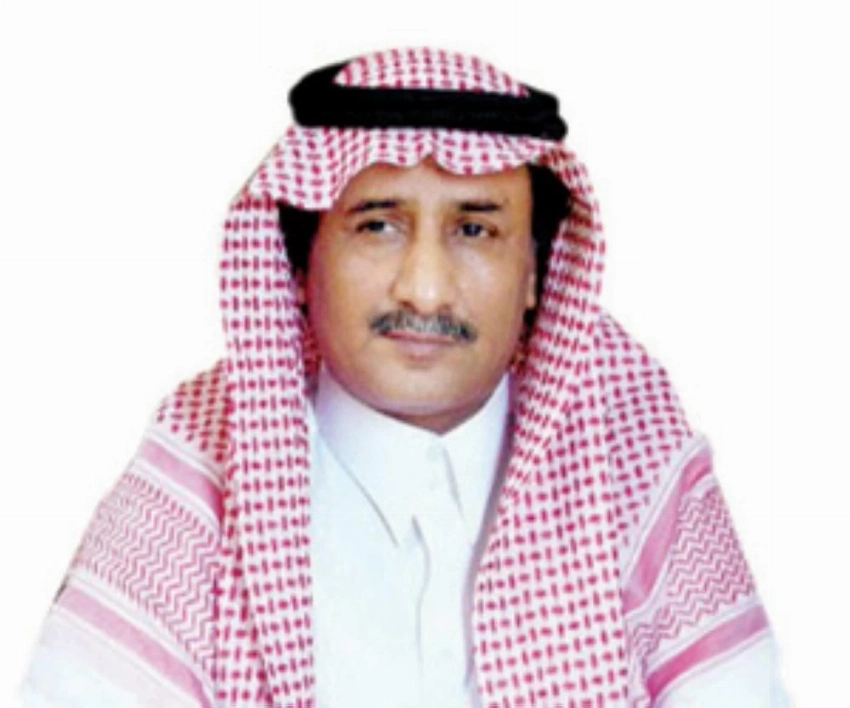
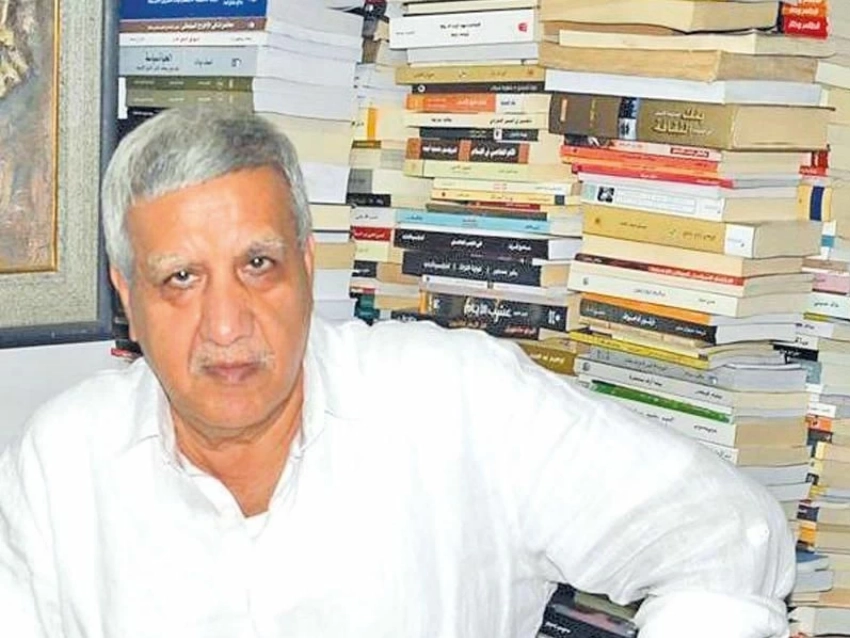
أحمد السيد عطيف
انتقاد للمؤسسات الخليجية
في المقابل، لم يُحمّل بعض المثقفين المسؤولية للكتّاب العرب وحدهم، بل وجّهوا انتقادات أيضاً إلى المؤسسات الإعلامية والثقافية الخليجية، معتبرين أنها اعتمدت لسنوات طويلة على أسماء عربية لإدارة المشهد الثقافي والإعلامي، من دون أن تعمل بما يكفي على إبراز المثقف الخليجي بوصفه صاحب مشروع معرفي مستقل.
وأوضح الكاتب أحمد السيد عطيف أن الخليجيين «صدّقوا، عمداً أو جهلاً أو انهزاماً، أنهم متأخرون ثقافياً عن غيرهم»، مضيفاً أن عدداً من المؤسسات الإعلامية الكبرى لم تعكس الهوية المحلية بصورة واضحة، رغم ما تمتلكه من إمكانات وتأثير عربي واسع.
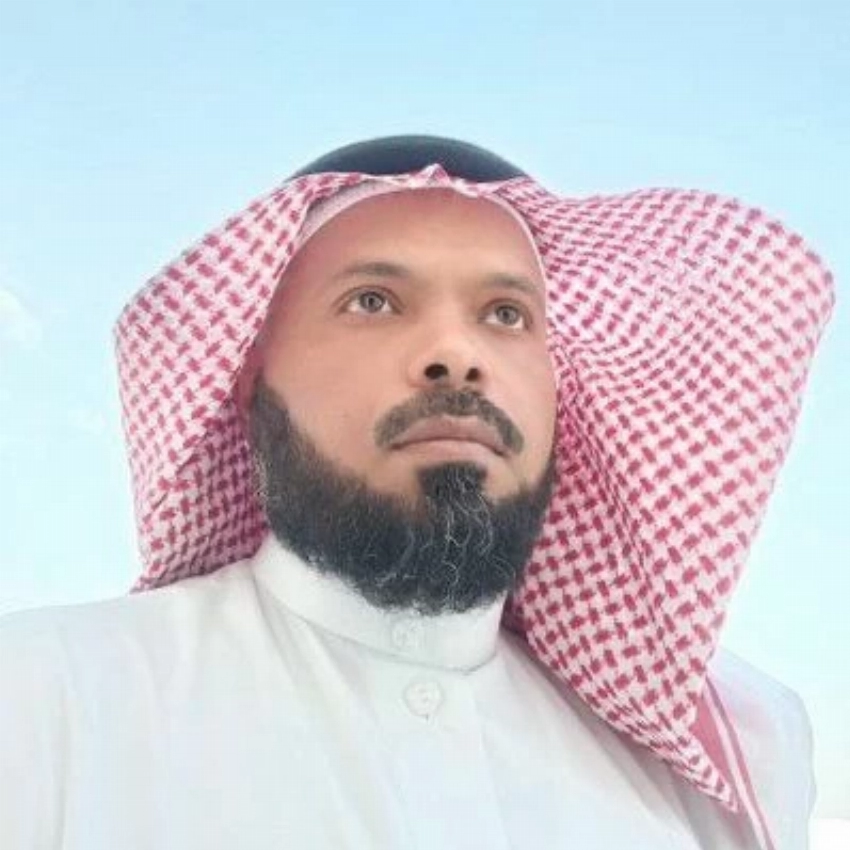
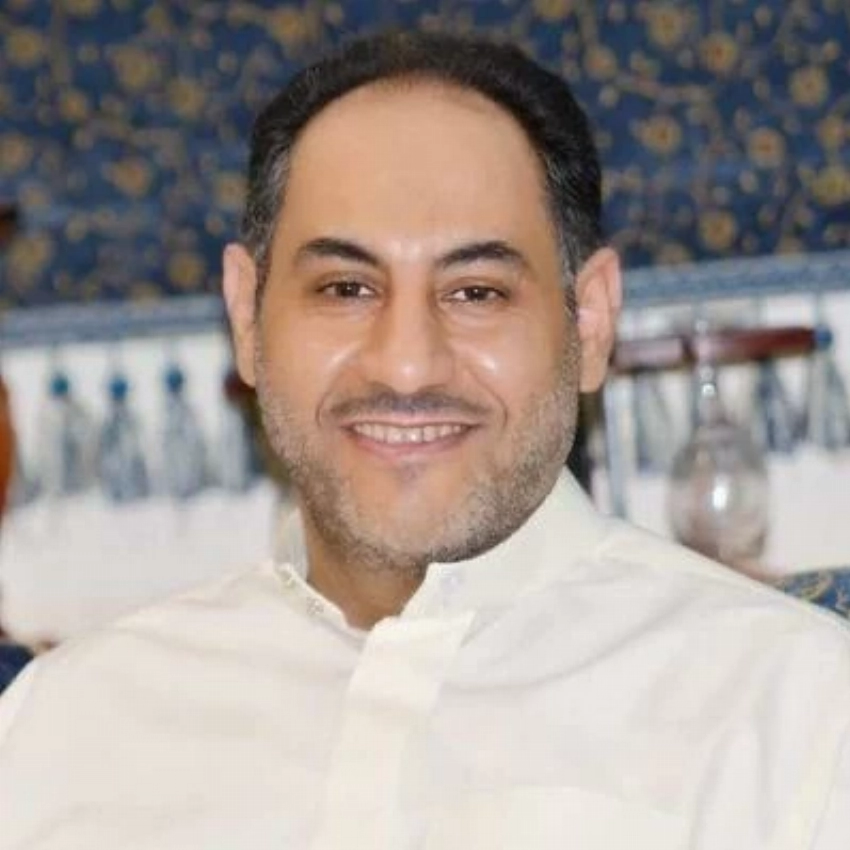
خالد سفير
دعوات إلى استعادة الثقة الثقافية
من جهته، دعا الكاتب خالد سفير القرشي إلى بناء رؤية سعودية مستقلة للذات الثقافية، تقوم على قراءة الواقع الراهن بعيداً عن أحكام الماضي، مؤكداً أن المرحلة الحالية تتطلب إعادة ترتيب الأولويات انطلاقاً من المنجزات الفعلية التي حققتها المملكة في الثقافة والإعلام ومختلف المجالات الأخرى.
وأشار إلى أن استعادة الثقة بالذات الثقافية لا تعني التقليل من شأن الآخرين، بل تعني تقديم التجربة السعودية والخليجية بوصفها تجربة ناضجة تستحق أن تعرّف بنفسها، لا من خلال تصورات الآخرين عنها.
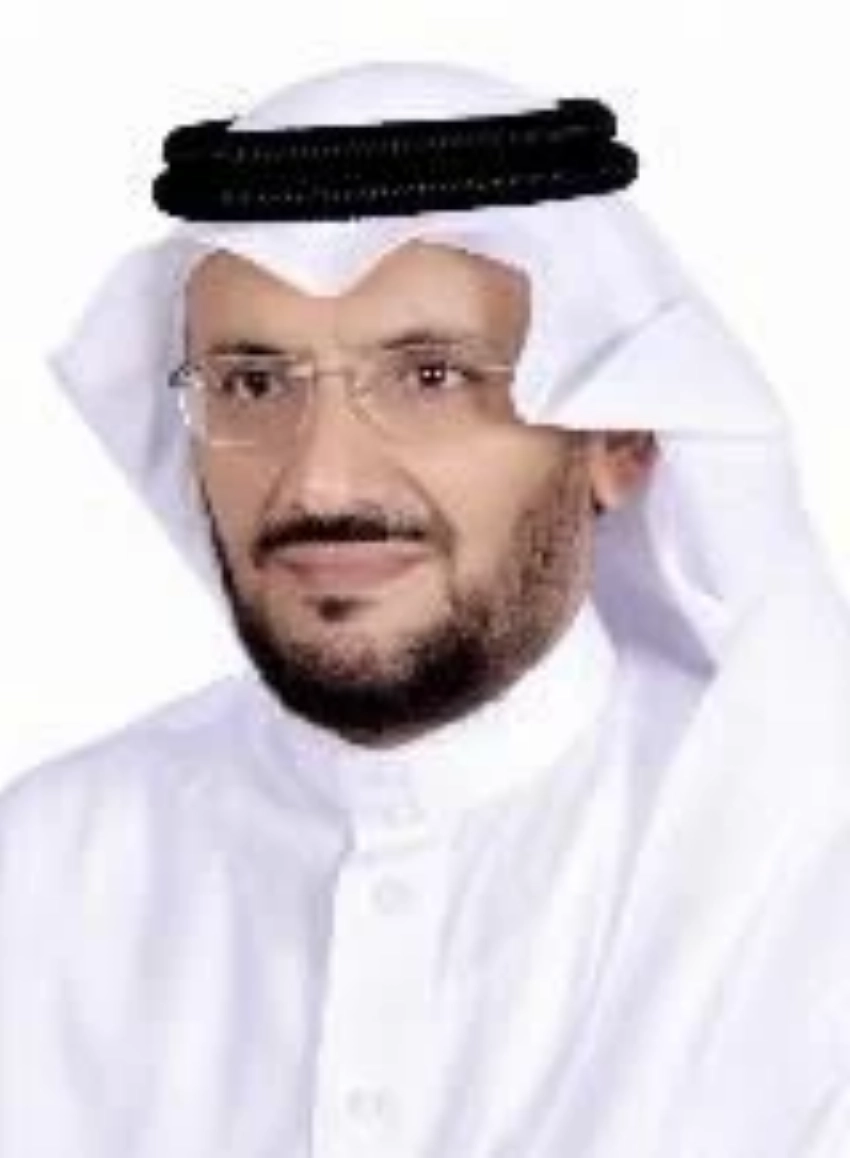
محسن السهيمي
الرياض مركز ثقافي عربي جديد
أما الكاتب محسن السهيمي، فرأى أن المعادلة الثقافية التقليدية التي كانت تختزل الريادة العربية في عدد محدود من العواصم تغيّرت بصورة كبيرة، مشيراً إلى أن الرياض ودول الخليج أصبحت اليوم من أبرز مراكز الإنتاج الثقافي والإعلامي العربي.
وأكد أن بعض المثقفين العرب لم يواكبوا هذا التحول، ولا يزالون ينطلقون من تصورات تجاوزها الزمن، رغم أن الواقع الحالي يشهد انتقالاً واضحاً في مراكز التأثير الثقافي والمعرفي داخل العالم العربي.
علي حسين
عوامل تاريخية صنعت الصورة النمطية
وعزا عدد من الكتّاب استمرار هذه الصورة النمطية إلى تأخر المؤسسات الثقافية والإعلامية الخليجية في أداء دورها التاريخي خلال فترات سابقة، إضافة إلى عوامل اجتماعية ودينية وسياسية أسهمت في تكوين صورة أحادية عن المجتمعات الخليجية، استغلها بعض المثقفين العرب لترسيخ تصورات غير دقيقة عن الخليج وثقافته.
فيما رأى الكاتب العراقي علي حسين أن هذه النظرة «قاصرة»، ولها أسباب تتعلق بصاحب المقال نفسه، مضيفاً أن البعض لا يزال ينظر إلى الخليج باعتباره «كيس نقود»، متجاهلاً النهضة الثقافية الكبيرة التي تشهدها المنطقة، وما تحتضنه من معارض كتب ودور نشر وحركة ترجمة ومثقفين يساهمون بفاعلية في المشهد الثقافي العربي.
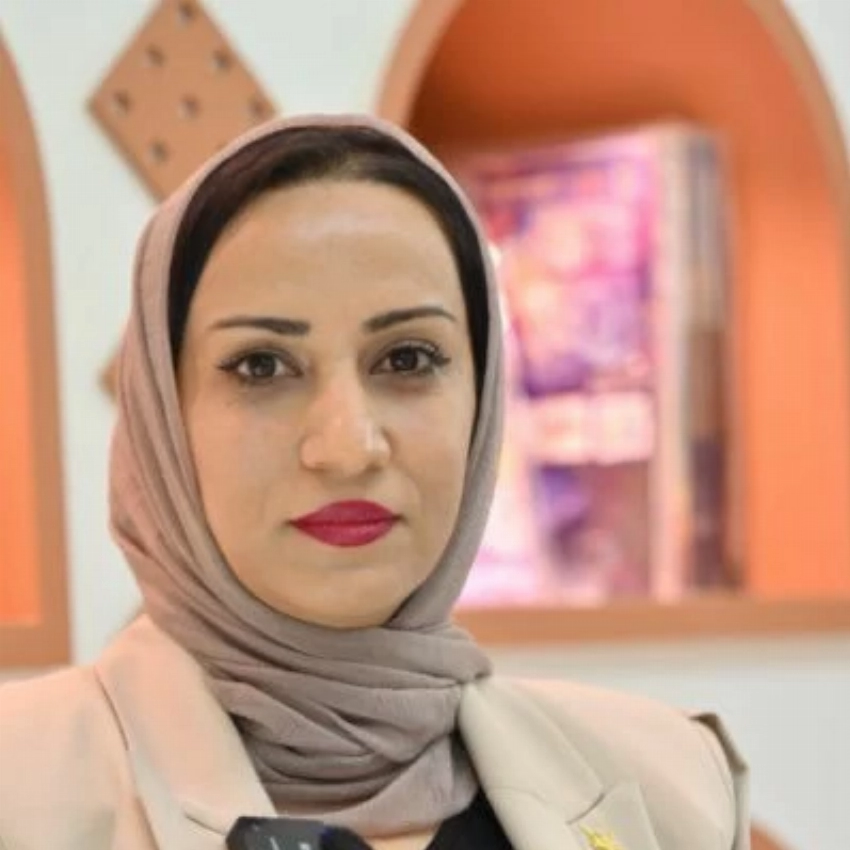
موج يوسف
«ليست نظرة جميع المثقفين العرب»
بدورها، أكدت الناقدة العراقية موج يوسف أن هذه النظرة لا تمثل جميع المثقفين العرب، بل بعضهم فقط، مشيرة إلى أنها تنظر إلى الخليج باعتباره امتداداً ثقافياً عربياً قائماً على العمق المشترك والتبادل الثقافي، بعيداً عن المصالح أو التصورات المسبقة.
وقالت إن العلاقات الثقافية بين المثقفين العرب والخليجيين يجب أن تقوم على التشارك والاحترام المتبادل، لا على الصور النمطية القديمة.
محمد الحميدي
«المملكة ترفع راية الثقافة»
في السياق ذاته، وصف الناقد السعودي محمد الحميدي طرح علي بدر بأنه امتداد لنظرة دونية تجاه المثقف الخليجي، تقوم على اعتقاد بعض النخب التقليدية في دمشق وبغداد والقاهرة وقرطاج بأنها وحدها مركز الثقافة العربية ومرتكزها الأساسي.
وأكد الحميدي أن الوقائع تغيّرت اليوم، وأن المملكة أصبحت ترفع راية الثقافة العربية وتحتضن المثقفين وتمنحهم المكانة التي عجز كثير من البلدان العربية عن توفيرها، مضيفاً أن «كل مثقف يتجاوز تأثير المملكة اليوم إنما يغش نفسه».
رفض للسجال ودعوة إلى الندية
وشدد المشاركون في هذا النقاش على أن المطلوب ليس الدخول في سجال مع المثقف العربي أو تبني خطاب إقصائي، وإنما إعادة بناء العلاقة الثقافية على أساس من الندية والاحترام المتبادل، والاعتراف بالتحولات الكبرى التي شهدتها المنطقة خلال العقود الأخيرة.
وأكدوا أن الحراك الثقافي المتسارع الذي تقوده وزارة الثقافة السعودية، وما تشهده الرياض من مشروعات ومبادرات ثقافية كبرى، يعزز الحاجة إلى خطاب ثقافي سعودي واثق بذاته، قادر على التعبير عن تجربته الحضارية بوصفها جزءاً أصيلاً ومؤثراً في الثقافة العربية المعاصرة.
اتهامات لعلي بدر بتجاهل التحولات الخليجية
وكان الروائي العراقي علي بدر قد طرح في مقاله عدداً من الآراء التي أثارت الجدل، من بينها قوله إن المؤسسات الإعلامية والثقافية الخليجية فشلت في التحول إلى مراكز اعتراف عربي، وإنها لم تنجح في إنتاج «مخيال ثقافي عربي جديد» رغم نجاحها في بناء منصات إعلامية قوية.
كما اعتبر أن «المخيال الخليجي» لا يفتقد الاختلاف فقط، بل يفتقر ـ بحسب تعبيره ـ إلى الشروط التي تجعله موضوعاً للفكر، نافياً في الوقت ذاته وجود دور للفكر القومي واليساري في استبعاد الخليج من المجال الرمزي للحداثة العربية، وهي الطروحات التي قوبلت بانتقادات واسعة من مثقفين سعوديين وخليجيين رأوا أنها تتجاهل التحولات الثقافية الكبرى التي تشهدها المنطقة اليوم.
The article published by Iraqi novelist Ali Badr titled "The Arab Intellectual and the Gulf States" sparked a wide wave of discussions and responses among Saudi and Gulf intellectuals and writers, as it reintroduced a perspective that many described as "old and stereotypical," which considers the Gulf states as an economic power lacking cultural and historical depth.
A number of Saudi writers and intellectuals believe that this view no longer reflects the reality of the region today, given the major cultural transformations taking place in the Kingdom and the Gulf states, and what has been achieved in recent years in terms of significant presence in publishing, media, knowledge production, and major cultural projects.
An Old Perspective Surpassed by Reality
Intellectuals noted that some Arab writers still view the Gulf through the lens of the era when Cairo, Beirut, and Baghdad dominated the Arab cultural scene, while the cultural presence of the Gulf at that time was in its institutional beginnings.
They pointed out that these perceptions have persisted among some Arab cultural elites despite the deep transformations the region has witnessed, and have sometimes been used to belittle the Gulf experience and question its cultural and intellectual authenticity.
They affirmed that the Arab cultural scene has changed significantly over the past decades, and that the Kingdom and the Gulf have today become a major part of the Arab cultural and media influence, through book fairs, publishing and translation movements, international festivals, and massive cultural initiatives.
أحمد السيد عطيف
Criticism of Gulf Institutions
In contrast, some intellectuals did not place the blame solely on Arab writers, but also directed criticism at Gulf media and cultural institutions, considering that they have relied for many years on Arab names to manage the cultural and media scene, without sufficiently working to highlight the Gulf intellectual as an independent knowledge project owner.
Writer Ahmed Al-Sayed Ateef explained that Gulf individuals "have deliberately or ignorantly or out of defeat believed that they are culturally behind others," adding that several major media institutions have not clearly reflected the local identity, despite their vast capabilities and wide Arab influence.
خالد سفير
Calls to Restore Cultural Confidence
For his part, writer Khalid Safir Al-Qurashi called for building an independent Saudi vision for cultural identity, based on reading the current reality away from past judgments, emphasizing that the current phase requires rearranging priorities based on the actual achievements that the Kingdom has made in culture, media, and various other fields.
He pointed out that restoring confidence in cultural identity does not mean belittling others, but rather presenting the Saudi and Gulf experience as a mature experience that deserves to define itself, not through others' perceptions of it.
محسن السهيمي
Riyadh as a New Arab Cultural Center
As for writer Mohsen Al-Suhimi, he believed that the traditional cultural equation, which reduced Arab leadership to a limited number of capitals, has changed significantly, pointing out that Riyadh and the Gulf states have today become among the most prominent centers of Arab cultural and media production.
He affirmed that some Arab intellectuals have not kept pace with this transformation and still operate from perceptions that have been surpassed by time, even though the current reality witnesses a clear shift in centers of cultural and intellectual influence within the Arab world.
علي حسين
Historical Factors That Shaped the Stereotype
Several writers attributed the persistence of this stereotype to the delay of Gulf cultural and media institutions in performing their historical role during previous periods, in addition to social, religious, and political factors that contributed to forming a one-dimensional image of Gulf societies, which some Arab intellectuals exploited to reinforce inaccurate perceptions about the Gulf and its culture.
Meanwhile, Iraqi writer Ali Hussein viewed this perspective as "limited," with reasons related to the author of the article himself, adding that some still see the Gulf as a "money bag," ignoring the significant cultural renaissance taking place in the region, and what it hosts in terms of book fairs, publishing houses, translation movements, and intellectuals who actively contribute to the Arab cultural scene.
موج يوسف
"Not the View of All Arab Intellectuals"
For her part, Iraqi critic Mough Youssef confirmed that this perspective does not represent all Arab intellectuals, but only some of them, noting that she views the Gulf as an Arab cultural extension based on shared depth and cultural exchange, away from interests or preconceived notions.
She stated that cultural relations between Arab and Gulf intellectuals should be based on sharing and mutual respect, not on old stereotypes.
محمد الحميدي
"The Kingdom Raises the Flag of Culture"
In this context, Saudi critic Mohammed Al-Humaidi described Ali Badr's proposal as an extension of a condescending view towards the Gulf intellectual, based on the belief of some traditional elites in Damascus, Baghdad, Cairo, and Carthage that they alone are the center of Arab culture and its main pillar.
Al-Humaidi affirmed that the facts have changed today, and that the Kingdom has become the flag bearer of Arab culture, embracing intellectuals and granting them the status that many Arab countries have failed to provide, adding that "any intellectual who surpasses the influence of the Kingdom today is only deceiving himself."
Rejection of the Debate and Call for Equality
Participants in this discussion emphasized that what is needed is not to engage in a debate with the Arab intellectual or adopt an exclusionary discourse, but rather to rebuild the cultural relationship on the basis of equality and mutual respect, and to acknowledge the major transformations that the region has witnessed over the past decades.
They affirmed that the accelerating cultural movement led by the Saudi Ministry of Culture, and what Riyadh is witnessing in terms of major cultural projects and initiatives, enhances the need for a confident Saudi cultural discourse, capable of expressing its civilizational experience as an integral and influential part of contemporary Arab culture.
Accusations Against Ali Badr for Ignoring Gulf Transformations
Iraqi novelist Ali Badr had presented in his article several opinions that sparked controversy, including his statement that Gulf media and cultural institutions have failed to transform into centers of Arab recognition, and that they have not succeeded in producing "a new Arab cultural imagination" despite their success in building strong media platforms.
He also considered that the "Gulf imagination" not only lacks diversity but also, as he put it, lacks the conditions that make it a subject of thought, denying at the same time the existence of a role for nationalist and leftist thought in excluding the Gulf from the symbolic realm of Arab modernity, propositions that were met with widespread criticism from Saudi and Gulf intellectuals who saw them as ignoring the major cultural transformations taking place in the region today.