هناك لحظات تغيّر نظرة الإنسان إلى الحياة كاملة دون ضجيج. ومن أثر إنساني قريب، وُلد مشروع الفنانة التشكيلية السعودية إيمان الحميد عن التصلب اللويحي المتعدد، في محاولة لتحويل تجربة شديدة الخصوصية إلى لغة بصرية هادئة، تمتلئ بالضوء والأمل.
فالعمل، المتزامن مع اليوم العالمي للتصلب اللويحي المتعدد، لا يقدّم المرض من زاوية طبية مباشرة، ولا يتعامل معه بوصفه مناسبة عابرة، بل يذهب إلى أثره الأعمق في الإنسان؛ إلى تلك المسافة التي يحاول فيها المصاب أن يحافظ على توازنه، وأن يواصل حياته وهو متمسك بوعد العافية.
وتقول الحميد، إن فكرة المشروع لم تأتِ من رغبة في تناول قضية صحية بشكل تقليدي، بل من تجربة إنسانية قريبة جعلتها ترى التصلب اللويحي المتعدد من زاوية أكثر عمقاً وصدقاً.
وتضيف: «لم يكن هدفي أن أرسم المرض بوصفه عنواناً طبياً، بل أن أقترب من أثره الإنساني. أردت أن أقدم عملاً يرى الإنسان داخل التجربة، ويمنح مساحة للتأمل والأمل».
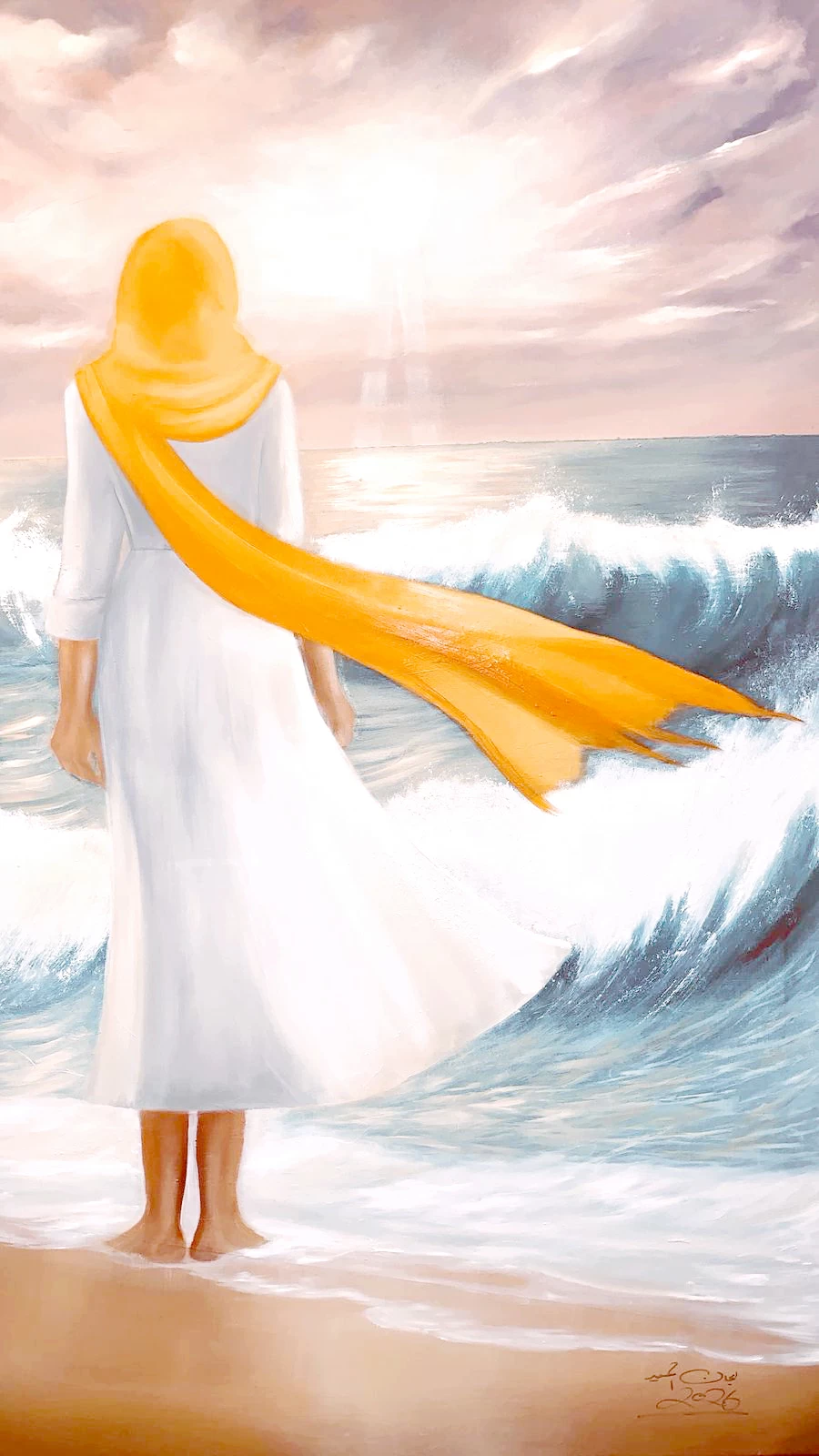
اللوحة المنفذة بالألوان الزيتية على قماش الكانفس بقياس 100 × 75 سم، تقدم امرأة تقف أمام البحر، فيما تمتد الأمواج ويتدفق الضوء من الأفق البعيد، في مشهد بصري هادئ يحمل طبقات إنسانية متعددة دون أن يفقد صفاءه.
وتوضح الحميد، أن اختيار شخصية امرأة داخل اللوحة لم يكن قراراً جمالياً فقط، بل امتداداً للروح الإنسانية التي خرج منها العمل منذ البداية.
وتقول: «حين اخترت عنوان بينها وبين العافية وعد، لم أكن أتحدث عن فكرة مجردة أو شخصية مجهولة؛ كنت أرسم شعوراً أعرفه جيداً، وإنسانة قريبة من قلبي، وتلك المسافة الهادئة بين التعب والرغبة المستمرة في التوازن والحياة».
وفي الوقت الذي تميل فيه كثير من الأعمال المرتبطة بالقضايا الصحية إلى الرسائل المباشرة أو الطرح السريع، اختارت إيمان الحميد أن تقدم مشروعها بلغة بصرية أكثر هدوءاً وتأملاً، تترك للمتلقي مساحة للشعور والقراءة، دون أن تفرض عليه معنى واحداً.
ويحضر البحر في العمل بوصفه فضاءً مفتوحاً يشبه التحولات التي قد يمر بها الإنسان خلال رحلته مع المرض، بينما يبدو الضوء الممتد في الأفق أقرب إلى فكرة الاستمرار والطمأنينة.
وتؤكد الحميد، أن الضوء كان عنصراً أساسياً في بناء اللوحة، لا بوصفه تفصيلاً جمالياً، بل بوصفه معنى حاضراً في قلب العمل.
وتقول: «كنت أريد أن يشعر المتلقي بأن اللوحة تتحدث عن الحياة بقدر ما تتحدث عن المرض. لذلك كان الضوء مهماً بالنسبة لي منذ البداية، لأنه يمثل الاستمرار والرغبة في العافية».
كما يظهر داخل العمل الوشاح البرتقالي المرتبط عالمياً بالتصلب اللويحي المتعدد، مندمجاً بهدوء داخل التكوين العام، دون أن يتحول إلى العنصر الوحيد المسيطر على المشهد.
ويكشف المشروع عن توجه بصري واضح لدى الحميد نحو تقديم القضايا الإنسانية ضمن أعمال تشكيلية تحمل قيمة جمالية وفكرية في الوقت نفسه، بعيداً عن المباشرة البصرية أو الطرح التقليدي.
وكانت الفنانة إيمان الحميد قد قدمت سابقاً أعمالاً فنية مرتبطة بقضايا صحية وإنسانية مختلفة، من بينها مشروع بصري عن مرض السكري، حظي بحضور إعلامي وتفاعل واسع، قبل أن تعود اليوم بمشروع أكثر نضجاً وهدوءاً على المستويين البصري والإنساني.
وترى الحميد، أن الفن لا يقتصر على تقديم الجمال فقط، بل يمتلك قدرة حقيقية على بناء الأثر وفتح مساحة مختلفة للفهم والتأمل.
وتقول: «الفن بالنسبة لي ليس مجرد لوحة تُعلّق على الجدار، بل مساحة يمكن أن يرى الإنسان نفسه فيها، أو يشعر أن هناك من يفهم تجربته حتى دون كلمات كثيرة».
ولا تتعامل الحميد مع هذا العمل بوصفه لوحة منفردة فحسب، بل بوصفه مشروعاً يحمل جزءاً من ذاكرتها وعلاقتها الإنسانية بالقضية، ولهذا يبدو أقرب إلى تجربة وجدانية مكتملة منه إلى مشاركة فنية عابرة مرتبطة بمناسبة موسمية.
ويمنح هذا التوجه المشروع حضوره المختلف، ويضع إيمان الحميد ضمن التجارب التشكيلية السعودية التي تسعى إلى تقديم الفن بوصفه مساحة للمعنى والأثر الإنساني، لا مجرد مساحة للعرض البصري.
وفي هذا العمل، لا تقف المرأة أمام البحر وحدها، بل أمام رحلة كاملة من الصبر والرغبة في الاستمرار والنظر نحو الضوء. وبين الإنسان والعافية، يبقى هناك دائماً وعد هادئ لا ينطفئ.
There are moments that change a person's perspective on life entirely without noise. From a close human impact, the project of Saudi visual artist Iman Al-Humaid was born about multiple sclerosis, in an attempt to transform a deeply personal experience into a calm visual language, filled with light and hope.
The work, coinciding with World Multiple Sclerosis Day, does not present the disease from a direct medical angle, nor does it treat it as a fleeting occasion; rather, it delves into its deeper impact on the individual; to that space where the afflicted tries to maintain their balance and continue their life while holding onto the promise of wellness.
Al-Humaid states that the idea for the project did not come from a desire to address a health issue in a traditional manner, but from a close human experience that made her see multiple sclerosis from a more profound and sincere perspective.
She adds, "My goal was not to depict the disease as a medical title, but to approach its human impact. I wanted to present a work that sees the person within the experience and offers space for contemplation and hope."
The painting, executed in oil colors on a canvas measuring 100 x 75 cm, presents a woman standing before the sea, as the waves stretch and light flows from the distant horizon, in a calm visual scene that carries multiple human layers without losing its clarity.
Al-Humaid clarifies that the choice of a female figure in the painting was not merely an aesthetic decision, but an extension of the human spirit that the work emerged from from the very beginning.
She says, "When I chose the title 'Between Her and Wellness, a Promise,' I was not talking about an abstract idea or an unknown character; I was painting a feeling I know well, and a person close to my heart, and that calm distance between fatigue and the continuous desire for balance and life."
While many works related to health issues tend to convey direct messages or quick presentations, Iman Al-Humaid chose to present her project in a more calm and contemplative visual language, leaving the audience space for feeling and interpretation, without imposing a single meaning on them.
The sea appears in the work as an open space resembling the transformations that a person may go through during their journey with illness, while the light extending in the horizon seems closer to the idea of continuity and reassurance.
Al-Humaid emphasizes that light was a fundamental element in building the painting, not as an aesthetic detail, but as a meaning present at the heart of the work.
She says, "I wanted the viewer to feel that the painting speaks about life as much as it speaks about illness. Therefore, light was important to me from the beginning, as it represents continuity and the desire for wellness."
The orange scarf, globally associated with multiple sclerosis, also appears within the work, quietly integrated into the overall composition, without becoming the only dominant element in the scene.
The project reveals a clear visual direction from Al-Humaid towards presenting human issues within artistic works that carry both aesthetic and intellectual value, away from visual directness or traditional presentation.
Previously, artist Iman Al-Humaid had presented artistic works related to various health and humanitarian issues, including a visual project about diabetes, which received media attention and wide interaction, before she returns today with a more mature and calm project on both visual and human levels.
Al-Humaid believes that art is not limited to presenting beauty alone, but possesses a real ability to create impact and open a different space for understanding and contemplation.
She says, "Art for me is not just a painting hung on the wall, but a space where a person can see themselves, or feel that there is someone who understands their experience even without many words."
Al-Humaid does not treat this work as a singular painting, but as a project that carries a part of her memory and her human relationship with the issue, which is why it seems closer to a complete emotional experience than to a fleeting artistic participation linked to a seasonal occasion.
This approach gives the project its distinct presence, placing Iman Al-Humaid among the Saudi artistic experiences that seek to present art as a space for meaning and human impact, not merely a space for visual display.
In this work, the woman does not stand alone before the sea, but before a complete journey of patience and the desire to continue and look towards the light. Between the human and wellness, there always remains a quiet promise that does not extinguish.