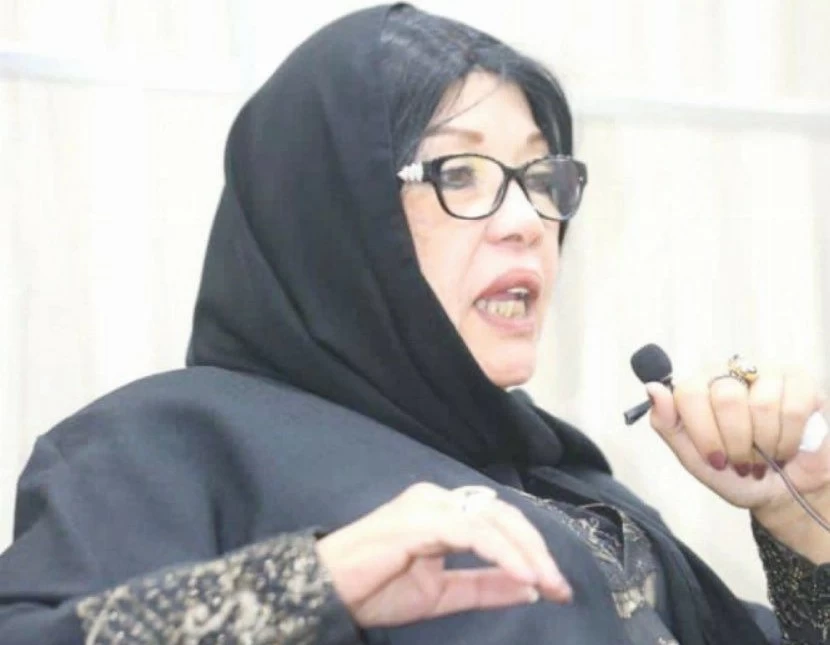
في ذروة الفرح، تسلّل خبر رحيل المخرجة هيام الكيلاني بهدوءٍ يشبه مسيرتها، كأنها غادرت كما عاشت؛ بعيدًا عن الضجيج، قريبة من جوهر المهنة، تاركة خلفها أثرًا لا يُرى في العناوين بقدر ما يُقرأ في ما صُنع بإتقان خلف الكاميرا.
لا يُختصر رحيلها في توقيته، بل في دلالته؛ إذ يغيب اسم من جيلٍ آمن بأن الإعلام ليس منصة حضور، بل مسؤولية صياغة، وأن القيمة الحقيقية للعمل لا تقاس بسطوع صاحبه، بل بعمق ما يقدمه. هذا الوعي المبكر كان ملامح تجربتها منذ البدايات، حيث دخلت المجال الصحفي في سن الرابعة عشرة، قبل أن تؤسس مسارها علميًا بدراسة الإخراج السينمائي في القاهرة، في مرحلة كانت فيها المعرفة المتخصصة نادرة، والحضور النسائي في هذا المجال محدودًا.
امتدت مسيرتها لعقود داخل التلفزيون السعودي، عملت خلالها في القناتين العربية والإنجليزية، وقدّمت نموذجًا مهنيًا متوازنًا بين الفكرة وأدواتها، بعيدًا عن الاستعراض أو التكرار. أخرجت أكثر من أربعين فيلمًا وثائقيًا، تناولت فيها موضوعات وطنية وثقافية، وقدّمتها بلغات متعددة، في إدراك واضح لاتساع الرسالة وضرورة مخاطبة جمهور يتجاوز الحدود.
لم تكن الكيلاني مخرجة تنفيذ فقط، بل صاحبة موقف مهني؛ دافعت عن قيمة التخصص، ورفضت تسطيح المهنة، مؤكدة أن الإخراج علم قبل أن يكون حضورًا. وفي موازاة ذلك، عُرفت بتواضعها ودعمها للأجيال الجديدة، وحرصها على أن تبقى المهنة مساحة معرفة لا ساحة تنافس.
برحيلها، لا يفقد الإعلام مجرد اسم، بل يخسر نموذجًا كان يرى في العمل رسالة، وفي الصمت قيمة، وفي الأثر معيارًا وحيدًا للبقاء.
•بدأت صحفيًا مبكرًا
•أخرجت 40 فيلمًا
•عملت بعدة لغات
In the height of joy, the news of the departure of director Hayam Al-Kilani quietly crept in, much like her career, as if she left as she lived; away from the noise, close to the essence of the profession, leaving behind an impact that is not seen in the headlines as much as it is read in what was crafted with precision behind the camera.
Her departure is not limited to its timing, but rather its significance; as a name from a generation that believed that media is not a platform for presence, but a responsibility of crafting, and that the true value of work is not measured by the brightness of its owner, but by the depth of what it offers. This early awareness was a hallmark of her experience from the very beginning, as she entered the journalistic field at the age of fourteen, before establishing her path academically by studying cinematic directing in Cairo, at a time when specialized knowledge was rare, and the female presence in this field was limited.
Her career spanned decades within Saudi television, during which she worked in both the Arabic and English channels, presenting a professional model balanced between the idea and its tools, away from showboating or repetition. She directed more than forty documentaries, addressing national and cultural topics, and presented them in multiple languages, with a clear understanding of the vastness of the message and the necessity to address an audience that transcends borders.
Al-Kilani was not just an executive director, but a professional with a stance; she defended the value of specialization and rejected the trivialization of the profession, emphasizing that directing is a science before it is a presence. Alongside this, she was known for her humility and support for new generations, and her commitment to keeping the profession a space for knowledge rather than a battleground for competition.
With her departure, media loses not just a name, but a model that viewed work as a message, silence as value, and impact as the sole criterion for survival.
•Started as a journalist early
•Directed 40 films
•Worked in several languages