


أحمد حلمي ينفي التهم ويغلق باب الشائعات
16 سبتمبر 2025 - 01:08
|
آخر تحديث 16 سبتمبر 2025 - 01:08
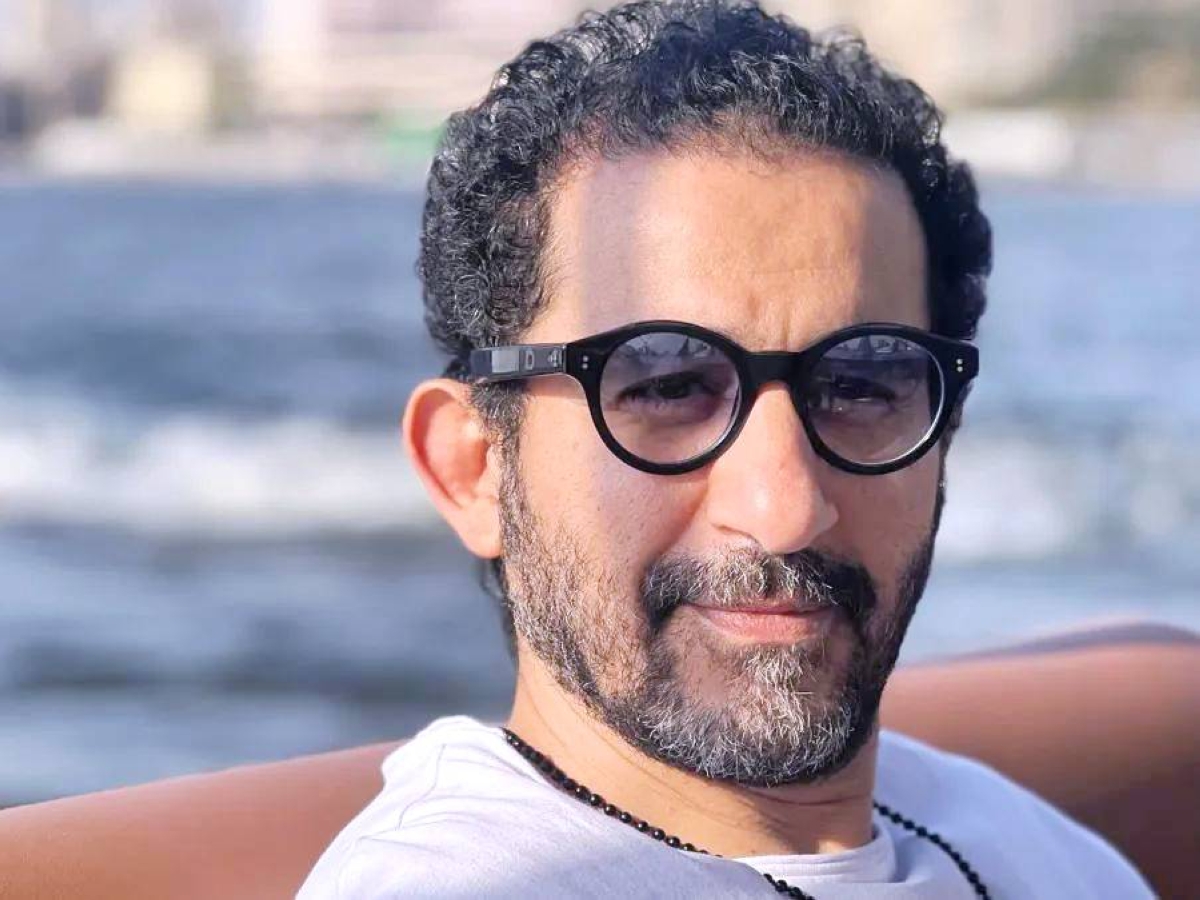
أحمد حلمي


تابع قناة عكاظ على الواتساب
«عكاظ» (جدة) OKAZ_online@
نفى الفنان المصري أحمد حلمي، تماماً ما نُسب إليه من تصريحات حول موضوع إتقان اللغة العربية الفصحى لدى بعض الممثلين، والتي أثارتها تصريحات سابقة للفنان السوري سلوم حداد، حيث وجّه حداد نقداً لطريقة نطق عدد من الممثلين المصريين للغة العربية. وقال حلمي، في منشور عبر حسابه الرسمي على إنستغرام، إنه «لم يقل ذلك، ولم أعلّق على الموضوع أساساً». وأضاف أنه لا يقبل أن يُنسب إليه كلام لم يقله، مشدداً على أن آراءه دوماً تُعبّر عبر القنوات الرسمية. وردّ حداد لاحقاً بأن التصريحات التي تم تداولها قديمة، وإنه لم يقصد أي إساءة، معبّراً عن احترامه الكبير للممثلين المصريين ومكانتهم الفنية، مع ذكر أن الحديث كان ملاحظات عامة وليست شخصية، وأن أي إساءة غير مقصودة. كما أعرب الجمهور والنقاد عن أهمية اللغة الفصحى في التمثيل، وعن دورها في رفع مستوى الأداء، بينما أشارت أصوات إلى أن المزج بين الفصحى والعامية مطلوب أحياناً لتقريب النص من المشاهد، لكن ضمن إطار يحافظ على الثقة اللغوية والاحترام الفني.
The Egyptian artist Ahmed Helmy completely denied the statements attributed to him regarding the mastery of Modern Standard Arabic among some actors, which were sparked by previous comments from the Syrian artist Saloum Haddad, who criticized the way several Egyptian actors pronounce the Arabic language. Helmy stated in a post on his official Instagram account that he "did not say that, and I did not comment on the subject at all." He added that he does not accept being attributed words he did not say, emphasizing that his opinions are always expressed through official channels. Haddad later responded that the statements circulated were old, and he did not intend any offense, expressing his great respect for Egyptian actors and their artistic stature, mentioning that the discussion was general observations and not personal, and that any offense was unintentional. The audience and critics also expressed the importance of Modern Standard Arabic in acting and its role in elevating performance, while some voices pointed out that mixing Modern Standard Arabic with colloquial Arabic is sometimes necessary to bring the text closer to the audience, but within a framework that maintains linguistic confidence and artistic respect.


