


في المشهد التشكيلي السعودي، يقف ضياء عزيز ضياء، كمنارة لا تُقرأ أعماله بقدر ما تُستشعر، فهو ابن الكلمة واللون معا، ابن أبٍ أديب كبير غرس في وجدانه حسّ المعنى، وأمٍ تنفست رائحة الزيت والألوان. ومن بين هذا المزج العائلي وُلد 1947م، في مكة المكرمة، ليجد نفسه محاطاً بالكلمة واللحن والريشة، لكنه اختار اللوحة لتكون مسرحه ومسرّته.
في الستينيات، حين كان الوطن على موعد مع تحولات كبرى، برزت لوحة ضياء «تحرير العبيد»، كان هذا العمل بوابة عبور الفنان إلى فضاء الفن العالمي، وإعلاناً عن صوت تشكيلي خاص، لا يرضى بالاستنساخ ولا يستكين للتكرار.
ابتعاثه إلى أكاديمية الفنون الجميلة في روما 1967م، لم يكن هروباً من محليته، بل رحلة بحث عن حداثة تتسق مع جذوره. هناك حصد جوائز مرموقة، وعاد محمّلاً برؤية جديدة، فكانت جدة ساحته الأوسع التي احتضنت معارضه ومبادراته التعليمية والمؤسسية، فيما امتد أثره من باريس إلى بكين، كسفير بصري لوطن يتشكل بين الأصالة والانفتاح.
لكن ضياء لم يكتفِ باللوحة. لقد وسّع حدود الفن ليغدو جزءاً من الفضاء العام، مجسداً إبداعه في معالم شاخصة، من بوابة مكة التي لم تعد مجرد مدخل جغرافي بل صارت رمزاً عالمياً يختزن البعد الحضاري للسعودية، إلى مجسم «حلم الإنسان» أمام مبنى الخطوط السعودية، وصولاً إلى أعماله في مكسيكو سيتي التي جعلت الفن لغة عابرة للحدود.
تكريماته وجوائزه ليست سوى صدى لمسيرة تشي بحضوره العميق، من جائزة المفتاحة إلى تكريم الغرفة التجارية بجدة، ومن لجان التحكيم إلى قاعات المعارض، ظلّ ضياء مرجعاً وملهماً لأجيال نهلت من تجربته.
إن ضياء عزيز ضياء، ليس مجرد فنان تشكيلي، إنه شاهد بصري على تحولات المجتمع السعودي منذ ستينيات القرن الماضي. في أعماله يلتقي الضوء بالظل، والذاكرة بالحلم، والواقع بالخيال، ليترك لنا إرثاً يؤكد أن الفن التشكيلي في جوهره لغة حب وانتماء، وأن اللون قد يتحول إلى جسر يصل مكة بالعالم.
#بروفايل
ضياء عزيز ضياء.. نافذة إبداعية عبر منها الضوء
10 سبتمبر 2025 - 00:26
|
آخر تحديث 10 سبتمبر 2025 - 00:26
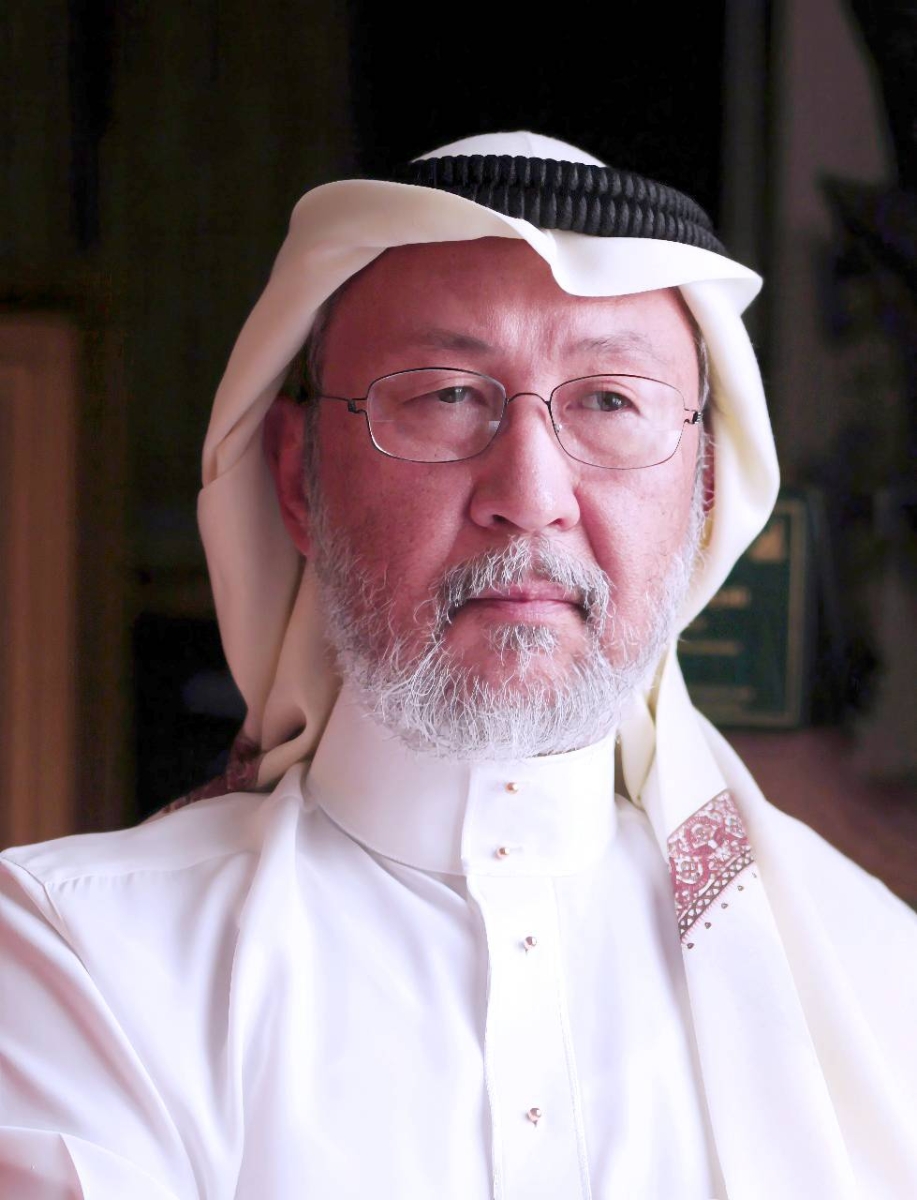
ضياء عزيز ضياء


تابع قناة عكاظ على الواتساب
صالح شبرق (جدة) shabrag1@
In the Saudi artistic scene, Diaa Aziz Diaa stands as a beacon whose works are felt more than they are read. He is the son of both word and color, the child of a great literary father who instilled in him a sense of meaning, and a mother who breathed in the scent of oil and colors. Born in 1947 in Mecca, he found himself surrounded by words, melodies, and brushes, but he chose the canvas to be his stage and delight.
In the 1960s, when the nation was on the brink of major transformations, Diaa's painting "Liberation of the Slaves" emerged. This work was the artist's gateway to the realm of global art and an announcement of a unique artistic voice that does not settle for replication or succumb to repetition.
His scholarship to the Academy of Fine Arts in Rome in 1967 was not an escape from his local roots, but a journey in search of modernity that aligns with his heritage. There, he won prestigious awards and returned laden with a new vision, making Jeddah his broader arena that embraced his exhibitions and educational and institutional initiatives, while his influence extended from Paris to Beijing, as a visual ambassador for a nation being shaped between authenticity and openness.
However, Diaa did not limit himself to painting. He expanded the boundaries of art to become part of the public space, embodying his creativity in prominent landmarks, from the gateway of Mecca, which has become not just a geographical entrance but a global symbol that encapsulates the cultural dimension of Saudi Arabia, to the sculpture "Dream of Humanity" in front of the Saudi Airlines building, reaching his works in Mexico City that made art a language transcending borders.
His honors and awards are merely echoes of a journey that speaks of his profound presence, from the Al-Muftaha Award to the recognition by the Jeddah Chamber of Commerce, and from judging committees to exhibition halls, Diaa has remained a reference and inspiration for generations that have drawn from his experience.
Diaa Aziz Diaa is not just a visual artist; he is a visual witness to the transformations of Saudi society since the 1960s. In his works, light meets shadow, memory meets dream, and reality meets imagination, leaving us a legacy that affirms that visual art, at its core, is a language of love and belonging, and that color can become a bridge connecting Mecca to the world.
In the 1960s, when the nation was on the brink of major transformations, Diaa's painting "Liberation of the Slaves" emerged. This work was the artist's gateway to the realm of global art and an announcement of a unique artistic voice that does not settle for replication or succumb to repetition.
His scholarship to the Academy of Fine Arts in Rome in 1967 was not an escape from his local roots, but a journey in search of modernity that aligns with his heritage. There, he won prestigious awards and returned laden with a new vision, making Jeddah his broader arena that embraced his exhibitions and educational and institutional initiatives, while his influence extended from Paris to Beijing, as a visual ambassador for a nation being shaped between authenticity and openness.
However, Diaa did not limit himself to painting. He expanded the boundaries of art to become part of the public space, embodying his creativity in prominent landmarks, from the gateway of Mecca, which has become not just a geographical entrance but a global symbol that encapsulates the cultural dimension of Saudi Arabia, to the sculpture "Dream of Humanity" in front of the Saudi Airlines building, reaching his works in Mexico City that made art a language transcending borders.
His honors and awards are merely echoes of a journey that speaks of his profound presence, from the Al-Muftaha Award to the recognition by the Jeddah Chamber of Commerce, and from judging committees to exhibition halls, Diaa has remained a reference and inspiration for generations that have drawn from his experience.
Diaa Aziz Diaa is not just a visual artist; he is a visual witness to the transformations of Saudi society since the 1960s. In his works, light meets shadow, memory meets dream, and reality meets imagination, leaving us a legacy that affirms that visual art, at its core, is a language of love and belonging, and that color can become a bridge connecting Mecca to the world.


