قبل 25 عاماً انطفأ الصوت الذي كان يشبه نافذة مشرعة على اتساع السماء. رحل طلال مداح، لا كفنان عابر في سجل الأغاني، بل كأب روحي للفن السعودي، وملهم لجيل لم يكن يكتفي بسماع أغنياته، بل كان يتعلّم منها كيف يكون الفن حياةً، وكيف تكون الحياة فناً. ولو قُدّر له أن يعيش بعمره الافتراضي اليوم لكان قد بلغ الرابعة والثمانين، وربما كان لا يزال قادراً على صوغ ألحان جديدة تُربك اليقين، وتفتح أفقاً آخر للأغنية السعودية.
كان طلال مداح أكثر من مجرد حنجرة ذهبية؛ كان عقلاً موسيقياً يسبق زمنه، وقلباً يرى في النغم لغةً لتوحيد الناس على اختلاف أمزجتهم. امتلك قدرة نادرة على جعل الأغنية السعودية تنفتح على العالم، دون أن تفقد لهجتها الدافئة، أو أصالتها الضاربة في عمق الصحراء والبحر. لم يكن يغني ليمضي الوقت، بل ليعيد تشكيله؛ يختصر الحكايات في لحن، ويزرع العاطفة في كل وتر يعزفه.
ماذا لو لم يمت طلال مداح قبل ربع قرن؟ ربما كان المشهد الغنائي السعودي قد تبلور على نحو آخر؛ أكثر تنوعاً، أكثر منافسة، وأكثر احتشاداً بالمدارس والأصوات. وربما لم يبق محمد عبده وحيداً في القمة بلا منافس، وربما كان أداؤه سيبقى في حالة استنفار دائم، مدفوعاً بوجود الندّ الذي يراقب خطواته ويشعل في داخله التحدي. فمنذ غياب طلال فقد المشهد تلك المعادلة الذهبية التي كانت تشعل الإبداع، وتضع كل نجم في امتحان دائم أمام الجمهور وأمام نفسه.
لقد كان طلال مداح بمثابة الجسر الذي عبرت عليه الأغنية السعودية من المحلية إلى رحابة العالم العربي. رؤاه الفنية كانت أكبر من محيطه، وقراءته لمستقبل الموسيقى كانت أشبه بنبوءة لم يكتمل نصها. لذلك، بقي فراغه شاسعاً؛ لا لأن أحداً لم يجرؤ على ملء مكانه، بل لأن ذلك المكان لم يُخلق ليملأه سواه.
رحل طلال، لكن صوته ما زال يأتينا من مسافة زمنية بعيدة، كأنه يسأل: هل ما زلتم تؤمنون أن الفن أكبر من الشهرة، وأطول عمراً من الجسد؟ سؤال يبقى معلقاً في الأفق، حيث يقيم طلال مداح أبديته.
في عمره الـ 84.. ماذا لو لم يمت طلال مداح قبل ربع قرن؟
7 أغسطس 2025 - 17:38
|
آخر تحديث 7 أغسطس 2025 - 17:38
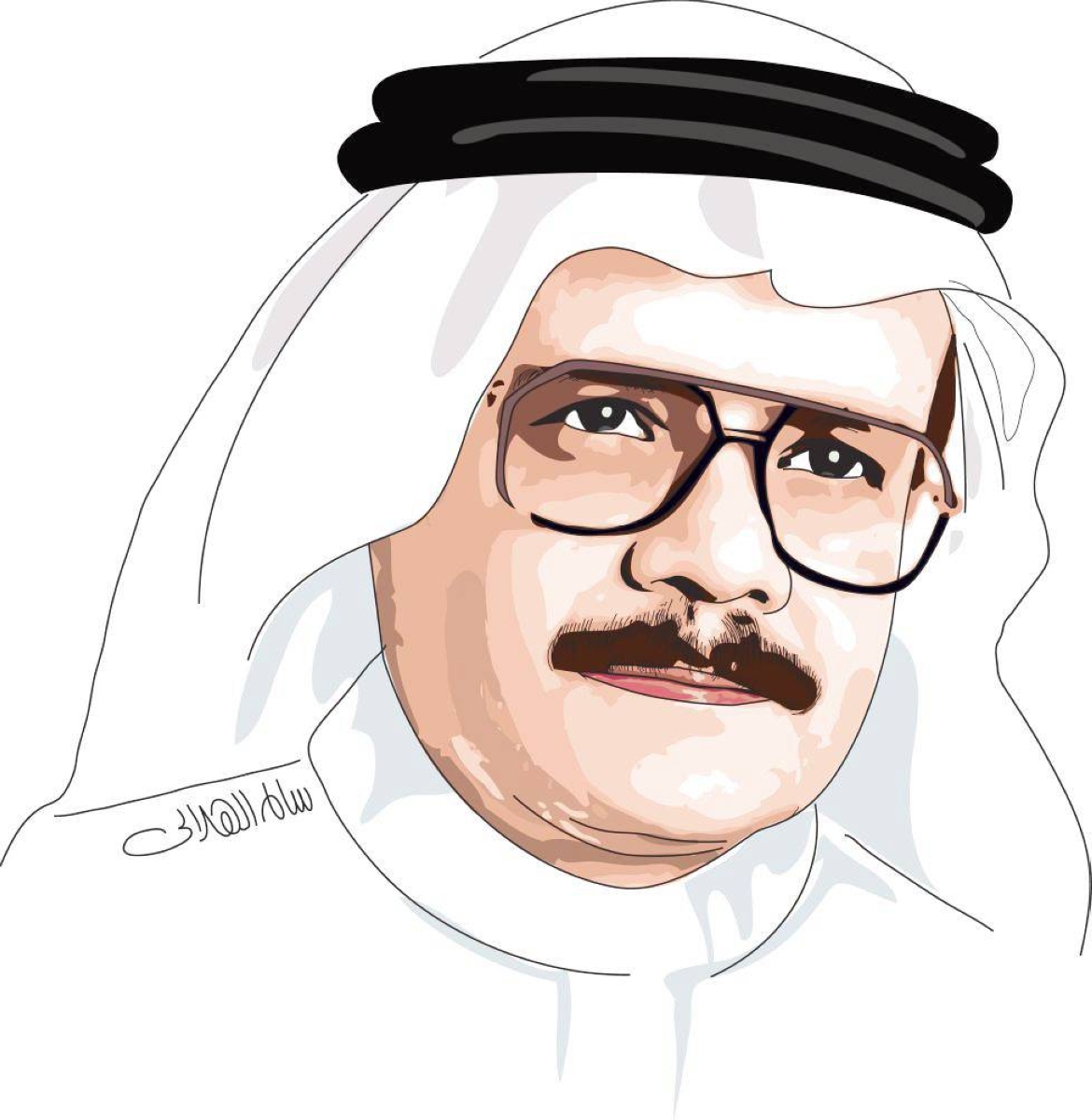
طلال مداح


تابع قناة عكاظ على الواتساب
«عكاظ» (جدة) OKAZ_online@
Twenty-five years ago, the voice that resembled an open window to the vast sky was extinguished. Talal Maddah departed, not as a fleeting artist in the record of songs, but as a spiritual father of Saudi art, and an inspiration for a generation that did not merely listen to his songs, but learned from them how art can be life, and how life can be art. Had he lived to see his hypothetical age today, he would have reached eighty-four, and perhaps he would still be capable of crafting new melodies that unsettle certainty and open another horizon for Saudi music.
Talal Maddah was more than just a golden throat; he was a musical mind ahead of his time, and a heart that saw melody as a language to unite people despite their differing temperaments. He possessed a rare ability to make Saudi songs open up to the world without losing their warm dialect or their authenticity rooted deep in the desert and the sea. He did not sing to pass the time, but to reshape it; he condensed stories into a melody and planted emotion in every string he played.
What if Talal Maddah had not passed away a quarter of a century ago? Perhaps the Saudi musical scene would have crystallized differently; more diverse, more competitive, and more crowded with schools and voices. Perhaps Mohammed Abdu would not have remained alone at the top without a rival, and perhaps his performance would have stayed in a state of constant alertness, driven by the presence of a contender watching his steps and igniting the challenge within him. Since Talal's absence, the scene has lost that golden equation that sparked creativity and placed every star in a perpetual test before the audience and before themselves.
Talal Maddah was like a bridge over which Saudi music crossed from the local to the vastness of the Arab world. His artistic visions were greater than his surroundings, and his reading of the future of music resembled a prophecy whose text was never completed. Therefore, his absence remains vast; not because no one dared to fill his place, but because that place was not created to be filled by anyone else.
Talal has departed, but his voice still reaches us from a distant temporal space, as if asking: Do you still believe that art is greater than fame, and longer-lived than the body? A question that remains suspended in the horizon, where Talal Maddah resides in his eternity.
Talal Maddah was more than just a golden throat; he was a musical mind ahead of his time, and a heart that saw melody as a language to unite people despite their differing temperaments. He possessed a rare ability to make Saudi songs open up to the world without losing their warm dialect or their authenticity rooted deep in the desert and the sea. He did not sing to pass the time, but to reshape it; he condensed stories into a melody and planted emotion in every string he played.
What if Talal Maddah had not passed away a quarter of a century ago? Perhaps the Saudi musical scene would have crystallized differently; more diverse, more competitive, and more crowded with schools and voices. Perhaps Mohammed Abdu would not have remained alone at the top without a rival, and perhaps his performance would have stayed in a state of constant alertness, driven by the presence of a contender watching his steps and igniting the challenge within him. Since Talal's absence, the scene has lost that golden equation that sparked creativity and placed every star in a perpetual test before the audience and before themselves.
Talal Maddah was like a bridge over which Saudi music crossed from the local to the vastness of the Arab world. His artistic visions were greater than his surroundings, and his reading of the future of music resembled a prophecy whose text was never completed. Therefore, his absence remains vast; not because no one dared to fill his place, but because that place was not created to be filled by anyone else.
Talal has departed, but his voice still reaches us from a distant temporal space, as if asking: Do you still believe that art is greater than fame, and longer-lived than the body? A question that remains suspended in the horizon, where Talal Maddah resides in his eternity.