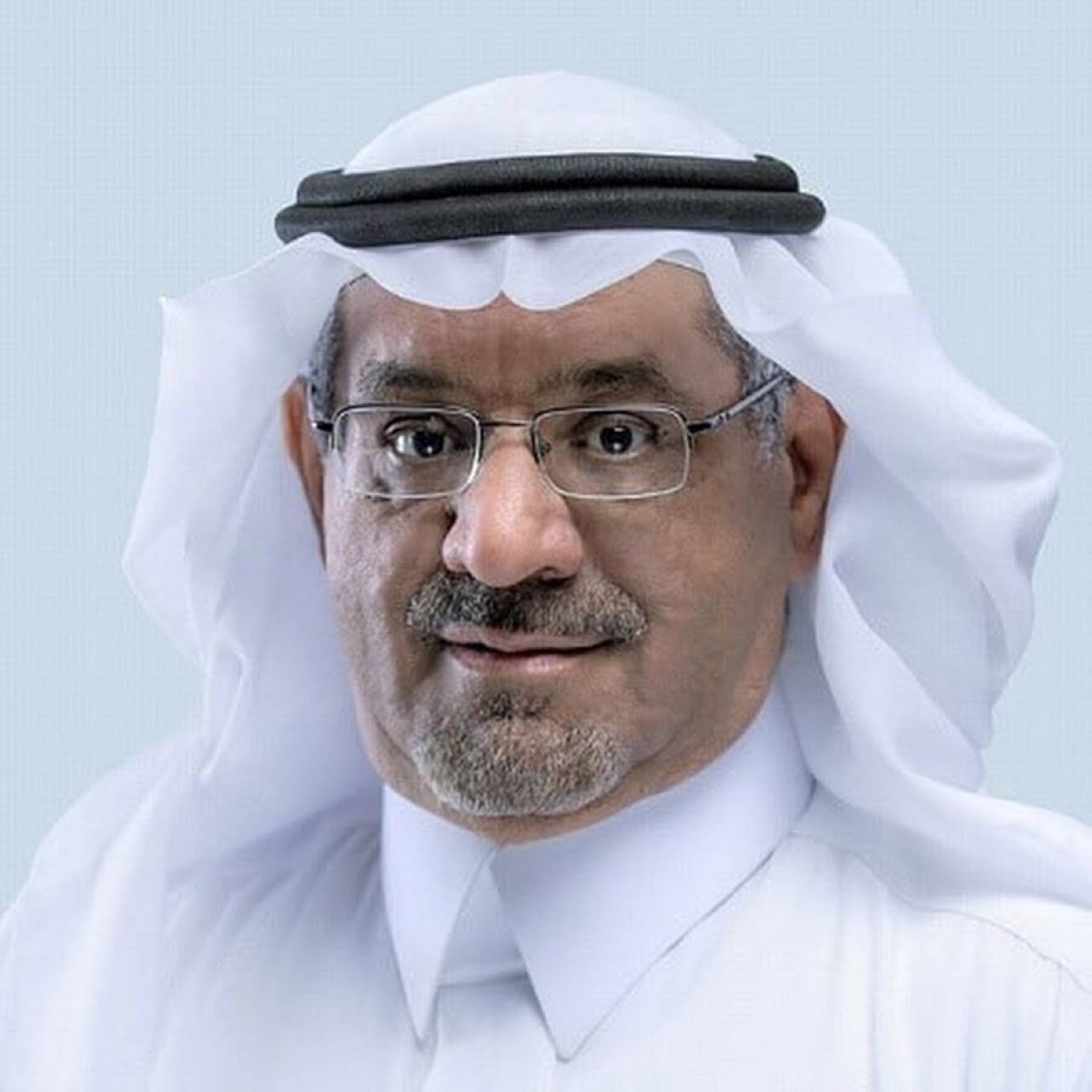
روى الإعلامي والكاتب الصحفي سليمان العيدي، قصة منعه من الظهور إعلامياً.
وقال العيدي، خلال ظهوره في بودكاست مسيان: «أصعب عقاب على المذيع هو صدور قرار بإيقافه عن الظهور، وتعرّضت لهذا الأمر مع وكيل الوزارة محمد حيدر مشيخ أول ما تعين في 1403».
وأضاف: «كنت أنا مذيع ربط وقتها، فتحدثت قائلاً: أعلنت المحكمة العليا اليوم عن تحري رؤية هلال شهر رمضان بعد غدٍ الإثنين والتوجه لأقرب محكمة فيها قاضٍ لإثبات شهادته».
وأشار إلى أن وكيل الوزارة تواصل معه وقتها واعترض على كلمة قاضٍ بدل قاضي، موضحاً أنه قالها بهذا الشكل لأنه تحذف الياء ويقوم مقامه التنوين، إلا أنه لم يقتنع بذلك، وقال لا أنت تتفلسف في اللغة، فأوقفه شهرين، وأحضر شخصاً للتوسط فيما بينهما، وهو لم يخطئ.
The media figure and journalist Suleiman Al-Eidi narrated the story of his ban from appearing in the media.
Al-Eidi said during his appearance on the podcast Masyan: "The hardest punishment for a broadcaster is the issuance of a decision to suspend him from appearing. I experienced this with the Undersecretary of the Ministry, Mohammed Haidar Mashikh, when he was first appointed in 1403."
He added: "At that time, I was a linking broadcaster, and I said: The Supreme Court announced today the sighting of the crescent moon for the month of Ramadan the day after tomorrow, Monday, and to head to the nearest court that has a judge to verify his testimony."
He pointed out that the Undersecretary contacted him at that time and objected to the word "judge" instead of "judge," explaining that he used it this way because the "ي" is omitted and replaced by tanween. However, he was not convinced by that and said, "No, you are being philosophical about the language," so he suspended him for two months and brought someone to mediate between them, even though he had made no mistake.