


في مثل هذه الأيام قبل نصف قرن، رحلت أم كلثوم أشهر صوت عربي في التاريخ، عن عمر يناهز 76 عاماً، بعد مسيرة فنية طويلة شكّلت جزءًا من الوجدان العربي. وتحوّلت لحظاتها الأخيرة إلى حدث عام، تابعه الجمهور العربي باهتمام بالغ، واحتلت أخبارها صدارة النشرات والصحف لشهور، فيما شُيعت في جنازة وُصفت بأنها من الأضخم في القرن العشرين.
بدأ التدهور الصحي لأم كلثوم منذ عام 1971 (1391هـ)، حيث توقفت عن الغناء على المسرح، بعد أن أنهكها مرض التهاب الكلى. وفي 17 نوفمبر 1972 (1 شوال 1392هـ)، قدّمت آخر حفلاتها بأغنية «ليلة حب»، التي كانت آخر ما غنّته أمام الجمهور.
لاحقاً، وفي عام 1974 (1394هـ)، طلبت من الشاعر صالح جودت كتابة أغنية جديدة بعنوان «أوقاتي بتحلو معاك»، وقام سيد مكاوي بتلحينها، استعداداً لغنائها احتفالا بنصر أكتوبر، لكنها لم تستطع إتمام البروفات بسبب وعكتها الصحية المفاجئة.
رفضت أم كلثوم الإقامة في المستشفى، وكانت تقول: « إذا ذهبت إلى المستشفى، سأموت هناك»، فاستمر علاجها في منزلها بالقاهرة. ومع تفاقم حالتها في 21 يناير 1975 (1395هـ)، أصبحت أخبار مرضها الشغل الشاغل للإعلام، وفي أيامها الأخيرة، كانت الصحف المصرية تصدّر صفحاتها الأولى بأخبار حالتها الصحية، وافتتحت إذاعة صوت العرب والنيل والشرق الأوسط نشراتها بتقارير مستمرة عن تطورات وضعها الطبي، وتوافد المواطنون للتبرع بالدم، وأعلنت عدة مستشفيات استعدادها لتقديم أي مساعدة.
وظهر يوسف السباعي على شاشة التلفزيون المصري، لإلقاء بيان رسمي حول حالتها، في لحظة نادرة استدعت تدخل الدولة إعلامياً.
وفي الإثنين 3 فبراير 1975 ( 1395هـ)، توفيت أم كلثوم بسبب قصور في القلب، وشُيّعت من مسجد عمر مكرم وسط حضور جماهيري ضخم قُدّر بين 2 إلى 4 ملايين مشيّع.
رحلت أم كلثوم بعد أن غنّت الوداع، وقبل أن تُكمل ما بدأت، لتبقى أغنيتها الأخيرة التي لم تُغنَّ شاهداً على نهاية زمن استثنائي.
#بروفايل
بين آخر ما غنّت.. والأغنية التي لم تستطع غناءها.. هكذا كانت أيام أم كلثوم الأخيرة
16 يوليو 2025 - 02:04
|
آخر تحديث 16 يوليو 2025 - 02:04
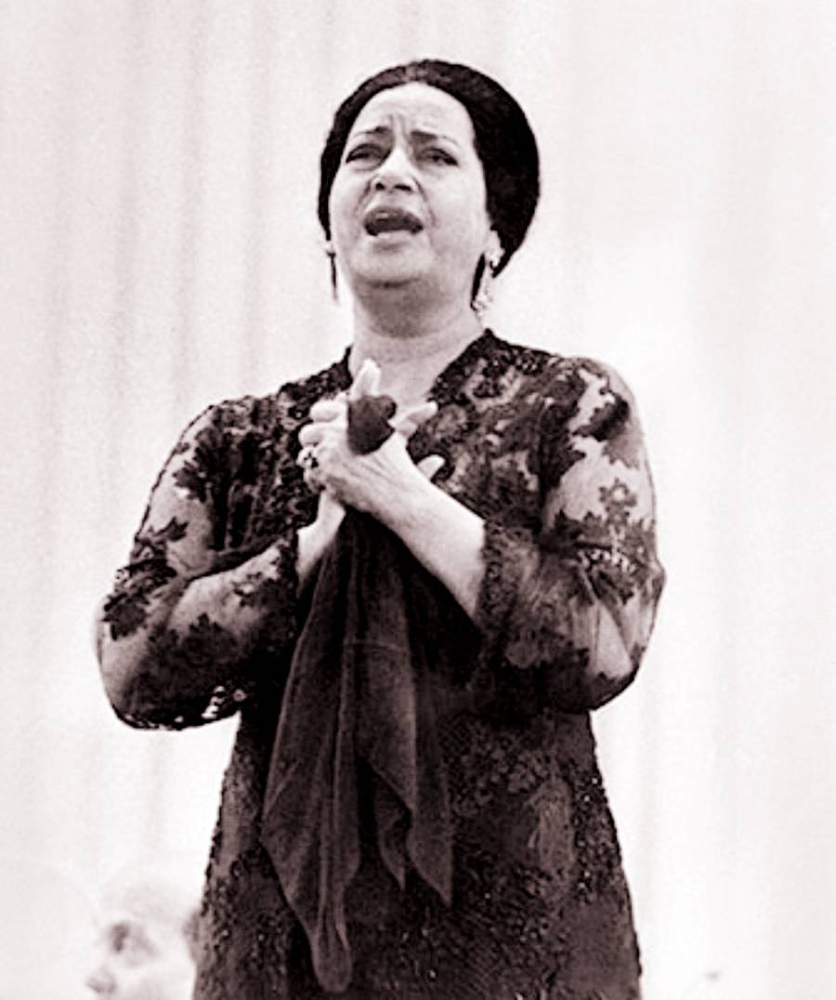
أم كلثوم


تابع قناة عكاظ على الواتساب
«عكاظ» (جدة) OKAZ_online@
In these days, half a century ago, Umm Kulthum, the most famous Arab voice in history, passed away at the age of 76, after a long artistic career that formed a part of the Arab consciousness. Her final moments turned into a public event, followed with great interest by the Arab audience, and her news dominated the headlines and newspapers for months, while she was buried in a funeral described as one of the largest in the twentieth century.
The health deterioration of Umm Kulthum began in 1971 (1391 AH), when she stopped singing on stage, after being weakened by kidney inflammation. On November 17, 1972 (1 Shawwal 1392 AH), she performed her last concert with the song "Laylat Hub," which was the last she sang in front of an audience.
Later, in 1974 (1394 AH), she asked the poet Saleh Joudat to write a new song titled "Awqati Bihtalu Ma'ak," which was composed by Sid Makawi, in preparation for singing it in celebration of the October victory, but she could not complete the rehearsals due to her sudden health setback.
Umm Kulthum refused to stay in the hospital, saying: "If I go to the hospital, I will die there," so her treatment continued at her home in Cairo. As her condition worsened on January 21, 1975 (1395 AH), news of her illness became the main focus of the media, and in her final days, Egyptian newspapers featured her health status on their front pages, while the Voice of the Arabs, Nile, and Middle East radio stations opened their broadcasts with continuous reports on her medical condition, and citizens flocked to donate blood, with several hospitals announcing their readiness to provide any assistance.
Youssef El Sebai appeared on Egyptian television to deliver an official statement about her condition, in a rare moment that called for state intervention in the media.
On Monday, February 3, 1975 (1395 AH), Umm Kulthum passed away due to heart failure, and she was buried from Omar Makram Mosque amidst a massive public attendance estimated between 2 to 4 million mourners.
Umm Kulthum departed after singing her farewell, before completing what she had started, leaving her last unperformed song as a testament to the end of an exceptional era.
The health deterioration of Umm Kulthum began in 1971 (1391 AH), when she stopped singing on stage, after being weakened by kidney inflammation. On November 17, 1972 (1 Shawwal 1392 AH), she performed her last concert with the song "Laylat Hub," which was the last she sang in front of an audience.
Later, in 1974 (1394 AH), she asked the poet Saleh Joudat to write a new song titled "Awqati Bihtalu Ma'ak," which was composed by Sid Makawi, in preparation for singing it in celebration of the October victory, but she could not complete the rehearsals due to her sudden health setback.
Umm Kulthum refused to stay in the hospital, saying: "If I go to the hospital, I will die there," so her treatment continued at her home in Cairo. As her condition worsened on January 21, 1975 (1395 AH), news of her illness became the main focus of the media, and in her final days, Egyptian newspapers featured her health status on their front pages, while the Voice of the Arabs, Nile, and Middle East radio stations opened their broadcasts with continuous reports on her medical condition, and citizens flocked to donate blood, with several hospitals announcing their readiness to provide any assistance.
Youssef El Sebai appeared on Egyptian television to deliver an official statement about her condition, in a rare moment that called for state intervention in the media.
On Monday, February 3, 1975 (1395 AH), Umm Kulthum passed away due to heart failure, and she was buried from Omar Makram Mosque amidst a massive public attendance estimated between 2 to 4 million mourners.
Umm Kulthum departed after singing her farewell, before completing what she had started, leaving her last unperformed song as a testament to the end of an exceptional era.


