


حين يُروى تاريخ الفنون الشعبية في المملكة، لا بد أن يمرّ من عند «أبو هلال» حسين عبدالمطلوب، الرجل الذي لم يكن مجرد فنان أو قائد فرقة، بل ذاكرة حية نابضة بالولاء للتراث وصدق الانتماء للناس. هو أحد أولئك الذين لم ينتظروا تكريماً، بل عاشوا ليخدموا التراث بروح المحب، ويمنحوه من حياته، حتى أصبح اسمه مرادفاً للأصالة.
أسس فرقة «أبو هلال» للفنون الشعبية، كأول فرقة خاصة تنهض بحمل الإرث الشعبي، وتمثِّل المملكة في محافل ثقافية كبرى داخل وخارج الوطن. من الجنادرية إلى الأيام الثقافية، ومن معارض المملكة إلى حفلات الأعياد، كان أبو هلال سفيراً غير رسمي للفرح الشعبي، ينقله بأمانة وحب، مؤمناً بأن ما يغذّي الوجدان يجب أن يُصان ويُروى للجيل الجديد.
في ملامحه البسيطة، وأسلوبه الدافئ، سكن قلوب الناس. وفي سعيه الدؤوب لصون التراث، غدا أحد أعمدته. ورغم وطأة المرض الذي أثقله في السنوات الأخيرة، ما زال حضوره المعنوي عالياً في كل من لمس أثره أو سمع بإبداعه.
ولأن الذاكرة الشعبية لا تُفرّق بين من غنّى للحب أو للوطن أو لناديه، فقد وجد فيه محبو نادي الاتحاد أيضاً رمزاً للوفاء والانتماء. لكنه في جوهره، كان ملكاً للناس جميعاً، صديقاً للفرح الجماعي، وراوياً بلسان الطرب الحركي والوجد الغنائي لذاكرة السعوديين.
اليوم، يقف الكثيرون بصمت أمام خبر معاناته، وقلوبهم تلهج بالدعاء له، كما لو أن نغمة من نغمات التراث الأصيل باتت حزينة. فالشفاء له، ليس شفاءً لشخص، بل لجزء من روحنا الجماعية، التي أحبّته دون أن تطلب شيئاً، فقط لأنه كان صادقاً.. محبوباً.. وبسيطاً كما ينبغي للرموز أن تكون.
#بروفايل
حسين عبدالمطلوب «أبو هلال».. نغمة الوفاء في وجدان الذاكرة الشعبية
25 مايو 2025 - 03:22
|
آخر تحديث 25 مايو 2025 - 03:22
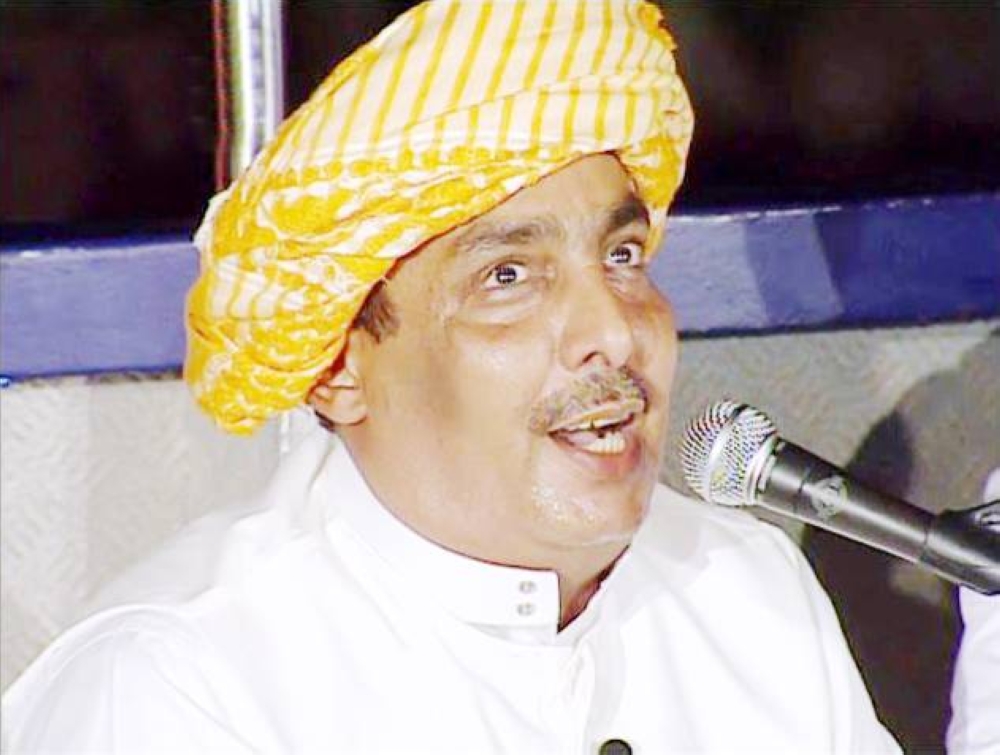
حسين عبدالمطلوب


تابع قناة عكاظ على الواتساب
«عكاظ» (جدة) OKAZ_online@
When the history of folk arts in the Kingdom is told, it must pass through "Abu Hilal," Hussein Abdul-Mutalib, a man who was not just an artist or a troupe leader, but a living memory pulsating with loyalty to heritage and a sincere belonging to the people. He is one of those who did not wait for recognition but lived to serve the heritage with a spirit of love, giving it his life, until his name became synonymous with authenticity.
He founded the "Abu Hilal" folk arts troupe, the first private group to carry the popular legacy and represent the Kingdom in major cultural forums both inside and outside the homeland. From Janadriyah to cultural days, from exhibitions in the Kingdom to holiday celebrations, Abu Hilal was an unofficial ambassador of popular joy, conveying it with sincerity and love, believing that what nourishes the soul must be preserved and told to the new generation.
In his simple features and warm style, he resided in the hearts of the people. In his tireless pursuit to preserve heritage, he became one of its pillars. And despite the burden of illness that weighed him down in recent years, his moral presence remains high in the hearts of all who have felt his impact or heard of his creativity.
Because popular memory does not differentiate between those who sang for love, for the homeland, or for their club, fans of Al-Ittihad Club also found in him a symbol of loyalty and belonging. But at his core, he belonged to all the people, a friend of collective joy, and a storyteller in the language of lively music and lyrical emotion of the Saudi memory.
Today, many stand silently before the news of his suffering, their hearts whispering prayers for him, as if a melody from the authentic heritage has become sad. His healing is not just healing for an individual, but for a part of our collective spirit, which loved him without asking for anything, simply because he was genuine... beloved... and simple, as symbols ought to be.
He founded the "Abu Hilal" folk arts troupe, the first private group to carry the popular legacy and represent the Kingdom in major cultural forums both inside and outside the homeland. From Janadriyah to cultural days, from exhibitions in the Kingdom to holiday celebrations, Abu Hilal was an unofficial ambassador of popular joy, conveying it with sincerity and love, believing that what nourishes the soul must be preserved and told to the new generation.
In his simple features and warm style, he resided in the hearts of the people. In his tireless pursuit to preserve heritage, he became one of its pillars. And despite the burden of illness that weighed him down in recent years, his moral presence remains high in the hearts of all who have felt his impact or heard of his creativity.
Because popular memory does not differentiate between those who sang for love, for the homeland, or for their club, fans of Al-Ittihad Club also found in him a symbol of loyalty and belonging. But at his core, he belonged to all the people, a friend of collective joy, and a storyteller in the language of lively music and lyrical emotion of the Saudi memory.
Today, many stand silently before the news of his suffering, their hearts whispering prayers for him, as if a melody from the authentic heritage has become sad. His healing is not just healing for an individual, but for a part of our collective spirit, which loved him without asking for anything, simply because he was genuine... beloved... and simple, as symbols ought to be.


