


في ذاكرة الطرب العربي، تبرز منيرة المهدية كأول نجمة مسرح وغناء في مصر، امرأة تمرَّدت على الأعراف، وشقت طريقها بصوتها وجرأتها في زمن الرجال. لكنها حين التقت على حلبة الفن مع صعود أم كلثوم، كُتبت الحكاية بوجهين: موهبةٌ تتوهج، وأخرى تتوارى.
تشير روايات صحفية إلى أن منيرة، وقد كانت في قمة مجدها، شعرت بتهديد حقيقي من الطفلة الريفية التي صعد نجمها بسرعة. فخططت، وفقاً لتلك الروايات، لحملة تشويه ضد أم كلثوم، عبر الصحفي محمد عبد المجيد، وصلت إلى فبركة اتهام أخلاقي خطير. وبحسب القصة، فإن تدخّل الشيخ أمين المهدي، حال دون انهيار مستقبل كوكب الشرق، بل جعل الجماهير تتعاطف معها، فازداد بريقها وسقطت الحيلة.
كما أوردت بعض المصادر الإعلامية المصرية أن منيرة دعت أم كلثوم للغناء على مسرحها، ثم أطفأت الأنوار عمداً أثناء فقرتها لإرباكها وتشويه ظهورها أمام الجمهور، غير أن أم كلثوم، بثبات أعصابها، واصلت الغناء في الظلام، لتحوّل الموقف إلى لحظة إعجاب استثنائية، أحرجت بها صاحبة المسرح.
لكن هل منيرة المهدية، ظالمة فعلاً؟ أم أنها ضحية توقيت ومقارنة ظالمة؟ لا مصادر مؤكدة توثق تلك الوقائع من جهة مستقلة، ولا شيء يثبت أنها وحدها كانت تقف ضد أم كلثوم، في معركة الشهرة والنفوذ. ما نعلمه أن الزمان كان قد تغيّر، والجمهور كان يبحث عن صوتٍ جديد، وصورة مختلفة.
قد تكون منيرة أساءت التقدير، أو خانها الزمن، أو ظلمها التاريخ حين لم يُنصف دورها الريادي. وفي كل الأحوال، تبقى القصّة انعكاساً لصراع الأضواء في عالم لا يحتمل نجمتين في سماء واحدة.
#دفاتر_الفن
منيرة المهدية في حياة أم كلثوم: ظالمة أم مظلومة؟
23 مايو 2025 - 03:24
|
آخر تحديث 23 مايو 2025 - 03:24
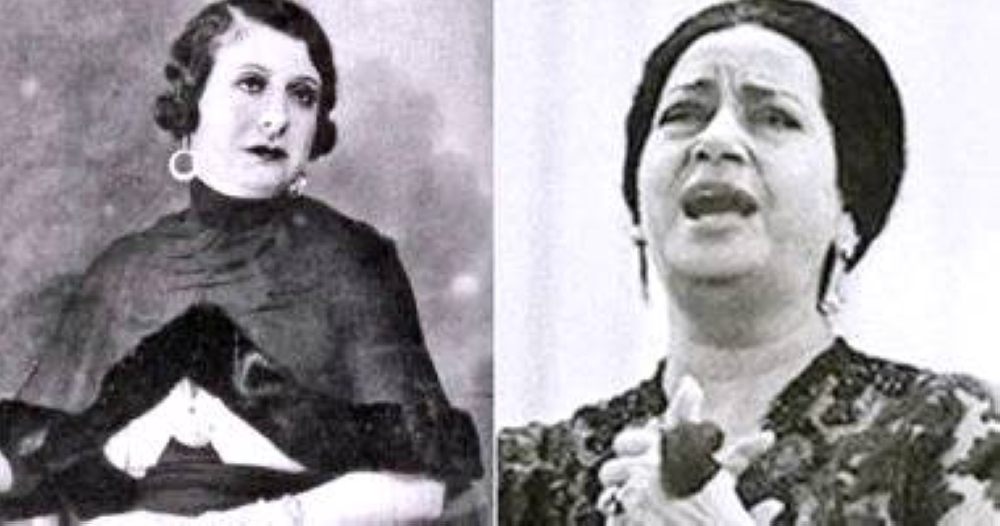
منيرة المهدية و أم كلثوم


تابع قناة عكاظ على الواتساب
«عكاظ» (جدة)OKAZ_online@
In the memory of Arab music, Mounira El Mahdeya stands out as the first star of theater and singing in Egypt, a woman who rebelled against norms and carved her path with her voice and courage in a male-dominated era. However, when she encountered the rise of Umm Kulthum on the artistic stage, the story was written with two faces: one talent shining brightly, and another fading away.
Journalistic accounts indicate that Mounira, at the peak of her glory, felt a real threat from the rural girl whose star was rising rapidly. According to these accounts, she planned a smear campaign against Umm Kulthum, through journalist Mohamed Abdel Meguid, which escalated to fabricating a serious moral accusation. According to the story, the intervention of Sheikh Amin El Mahdi prevented the collapse of the future of the Star of the East, even making the audience sympathize with her, which increased her brilliance and caused the scheme to fail.
Some Egyptian media sources also reported that Mounira invited Umm Kulthum to perform on her stage, then deliberately turned off the lights during her segment to confuse her and distort her appearance in front of the audience. However, Umm Kulthum, with her steady nerves, continued to sing in the dark, turning the situation into an exceptional moment of admiration that embarrassed the owner of the stage.
But was Mounira El Mahdeya truly unjust? Or was she a victim of timing and an unfair comparison? There are no confirmed sources documenting these events from an independent perspective, nor is there anything proving that she alone stood against Umm Kulthum in the battle for fame and influence. What we know is that times had changed, and the audience was searching for a new voice and a different image.
Mounira may have misjudged, or time may have betrayed her, or history may have wronged her by not acknowledging her pioneering role. In any case, the story remains a reflection of the struggle for the spotlight in a world that cannot accommodate two stars in the same sky.
Journalistic accounts indicate that Mounira, at the peak of her glory, felt a real threat from the rural girl whose star was rising rapidly. According to these accounts, she planned a smear campaign against Umm Kulthum, through journalist Mohamed Abdel Meguid, which escalated to fabricating a serious moral accusation. According to the story, the intervention of Sheikh Amin El Mahdi prevented the collapse of the future of the Star of the East, even making the audience sympathize with her, which increased her brilliance and caused the scheme to fail.
Some Egyptian media sources also reported that Mounira invited Umm Kulthum to perform on her stage, then deliberately turned off the lights during her segment to confuse her and distort her appearance in front of the audience. However, Umm Kulthum, with her steady nerves, continued to sing in the dark, turning the situation into an exceptional moment of admiration that embarrassed the owner of the stage.
But was Mounira El Mahdeya truly unjust? Or was she a victim of timing and an unfair comparison? There are no confirmed sources documenting these events from an independent perspective, nor is there anything proving that she alone stood against Umm Kulthum in the battle for fame and influence. What we know is that times had changed, and the audience was searching for a new voice and a different image.
Mounira may have misjudged, or time may have betrayed her, or history may have wronged her by not acknowledging her pioneering role. In any case, the story remains a reflection of the struggle for the spotlight in a world that cannot accommodate two stars in the same sky.


