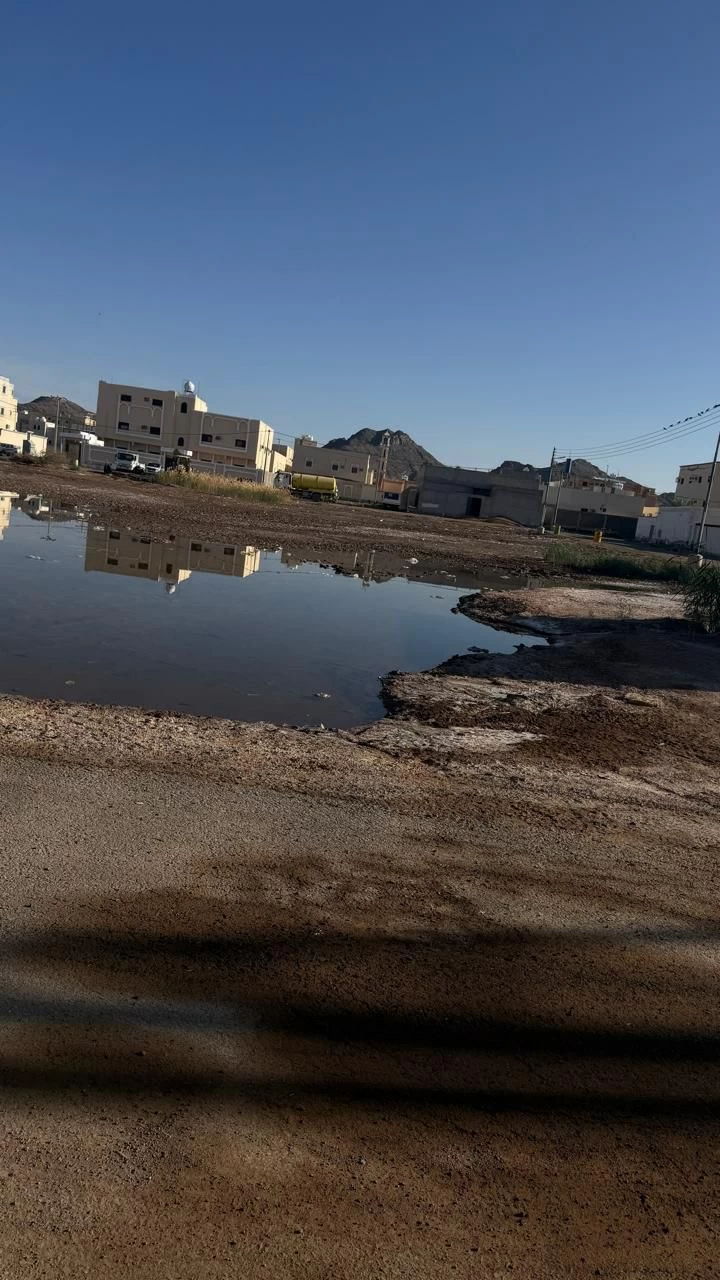
يعاني سكان عدد من أحياء محافظة الحناكية بمنطقة المدينة المنورة، منذ سنوات، من تسربات متكررة لمياه الصرف الصحي داخل الأحياء، رغم الشكاوى المتعددة التي رفعها الأهالي إلى شركة المياه الوطنية دون حلول جذرية حتى الآن. وقد تسببت هذه التسربات في تجمع مستنقعات أمام المنازل، ما أثّر على جودة الحياة وصعّب حركة السكان، إضافة إلى مخاوف من اختلاط مياه الصرف بمياه الشرب.
معاناة يومية وتأثيرات صحية وبيئية
يقول محمد الحربي: إن بعض الشوارع تغمرها مياه الصرف بشكل شبه دائم، مما يجعل الخروج من المنازل أمراً شاقاً، وسط قلق من انتشار الروائح الكريهة وتكاثر الحشرات وتدهور الصحة البيئية. أما إبراهيم الحربي، فأكد أن بعض خزانات مياه الشرب الأرضية تأثرت باختلاط مياه الصرف، ما دفع الأهالي إلى البحث عن مصادر بديلة للمياه رغم وجود شبكة يفترض أن تكون آمنة. وأضاف، أن جريان مياه الصرف لمسافات طويلة يثير تساؤلات حول كفاءة تنفيذ مشاريع الصرف الصحي ومستوى الرقابة عليها.
ويشير سلطان الحربي، إلى أن السكان دفعوا 21 ألف ريال لكل عقار للاشتراك في شبكة الصرف الصحي، أملاً في تحسين البيئة السكنية، إلا أن الواقع جاء مخالفاً، إذ لم تمنع الشبكة تسرب المستنقعات أو توقف المشكلات الفنية المتكررة.
ويعاني عدد من المواطنين من إعادة صهاريج الصرف من قبل محطة المعالجة في الحناكية؛ بسبب عدم توافق مكائن المعالجة مع طبيعة المياه ذات الملوحة المرتفعة، ما أدى إلى رفض استقبالها.
هذا الخلل أجبر الأهالي على التعاقد مع مقاول خاص عبر إحدى الشركات المتعاقدة مع شركة المياه، بتكلفة 270 ريالاً للرد الواحد، مع تكرار السحب كل 5 أيام نتيجة تشبع الأراضي بالمياه، ما يشكل عبئاً مالياً كبيراً على الأسر.
مطالبات بحلول جذرية
ويأمل فهد البدراني، تسريع المعالجات، واستكمال المشاريع المتعثرة، وتحسين كفاءة التنفيذ، بما يضمن بيئة صحية وآمنة.
The residents of several neighborhoods in the Al-Hanakiyah district of the Medina region have been suffering for years from recurring sewage leaks within the neighborhoods, despite the numerous complaints filed by the locals to the National Water Company without any fundamental solutions so far. These leaks have caused stagnant pools to form in front of homes, affecting the quality of life and complicating the movement of residents, in addition to fears of sewage mixing with drinking water.
Daily suffering and health and environmental impacts
Mohammed Al-Harbi says that some streets are almost permanently flooded with sewage, making it difficult to leave homes, amidst concerns about the spread of unpleasant odors, the proliferation of insects, and the deterioration of environmental health. Ibrahim Al-Harbi confirmed that some underground drinking water tanks have been affected by the mixing of sewage water, prompting residents to seek alternative water sources despite the existence of a network that is supposed to be safe. He added that the flow of sewage over long distances raises questions about the efficiency of the implementation of sewage projects and the level of oversight on them.
Sultan Al-Harbi points out that residents paid 21,000 riyals for each property to subscribe to the sewage network, hoping to improve the living environment, but the reality has been contrary, as the network has not prevented the leakage of stagnant pools or stopped the recurring technical problems.
Many citizens are suffering from the return of sewage tankers from the treatment plant in Al-Hanakiyah due to the incompatibility of the treatment machines with the nature of the highly saline water, which led to their refusal to accept it.
This malfunction has forced residents to contract with a private contractor through one of the companies contracted with the water company, at a cost of 270 riyals per trip, with repeated withdrawals every 5 days due to the saturation of the land with water, which imposes a significant financial burden on families.
Calls for fundamental solutions
Fahd Al-Badrani hopes for expedited treatments, the completion of stalled projects, and improved implementation efficiency to ensure a healthy and safe environment.