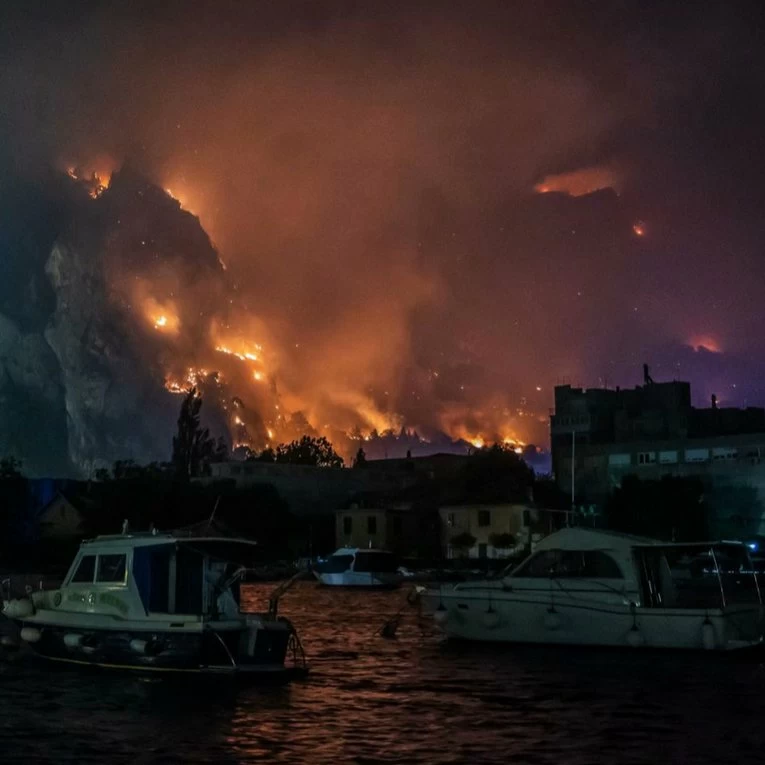
تكافح بلجيكا حريقًا واسعًا اندلع في محمية هاي فينز شرقي البلاد قرب الحدود الألمانية، بعدما أتت النيران على نحو 3 آلاف هكتار من الأراضي الحرجية، وسط ارتفاع درجات الحرارة وصعوبة التضاريس وتغير اتجاهات الرياح.
ويواصل أكثر من 100 عنصر إطفاء، منذ الجمعة، جهود السيطرة على الحريق الذي لا يزال نشطًا في عدة بؤر، فيما وصفت السلطات الوضع بأنه «معقد»، بسبب صعوبة الوصول إلى أجزاء واسعة من المحمية، التي تعد من أهم المناطق الطبيعية في شرق بلجيكا.
وامتدت سحابة كثيفة من الدخان فوق المناطق القريبة من الحدود الألمانية، وتحول لونها إلى الأصفر في بعض المناطق، ما دفع السلطات إلى اتخاذ إجراءات احترازية وإجلاء سكان قريتين بالقرب من موقع الحريق.
فرق ألمانية للمساعدة
وتعمل فرق الإطفاء بمشاركة عناصر من مناطق بلجيكية مختلفة، إلى جانب فرق ألمانية وصلت للمساعدة، فيما تواجه عمليات مكافحة النيران تحديًا كبيرًا بسبب طبيعة المحمية الوعرة، التي تعيق وصول سيارات الإطفاء والمعدات التقليدية إلى عدد من المناطق المشتعلة.
وبحسب أجهزة الإطفاء، لم تتمكن فرق الطوارئ حتى الآن من الوصول إلى المنطقة التي يُعتقد أن الحريق بدأ منها، وهو ما يبقي سبب اندلاعه مجهولًا حتى الآن، بينما تواصل السلطات التحقيق في ملابسات الحريق.
دعم جوي للسيطرة على الحرائق
ومع صعوبة السيطرة على النيران من الأرض، لجأت السلطات بصورة متزايدة إلى الدعم الجوي، حيث تشارك مروحيات تابعة للشرطة الفيدرالية البلجيكية وأخرى هولندية في عمليات الإطفاء، عبر سحب المياه من بحيرة قريبة وإسقاطها على مناطق انتشار النيران.
وفعّلت بلجيكا، السبت، آلية الحماية المدنية التابعة للاتحاد الأوروبي، طالبة دعمًا إضافيًا من الدول الأعضاء لمواجهة الحريق، في ظل اتساع رقعة النيران والحاجة إلى قدرات جوية متخصصة.
ومن المنتظر وصول مروحيات إضافية من جمهورية التشيك، إلى جانب طائرات إطفاء من السويد، فيما أشارت المفوضة الأوروبية لإدارة الأزمات حجة لحبيب إلى إمكانية توفير دعم جوي إضافي من النرويج وألمانيا.
ويعكس طلب المساعدة الأوروبية حجم الحريق الذي تواجهه بلجيكا، خصوصًا أن محمية هاي فينز تضم مساحات واسعة من الغابات والأراضي الطبيعية، بينما تجعل تضاريسها عمليات مكافحة الحرائق أكثر صعوبة وخطورة.
ويأتي الحريق في ظل ظروف جوية تزيد من مخاطر انتشار حرائق الغابات، إذ تؤدي درجات الحرارة المرتفعة وجفاف الغطاء النباتي وتغير اتجاه الرياح إلى تسريع انتشار النيران وصعوبة التنبؤ بمسارها.
Belgium is battling a large fire that broke out in the High Fens nature reserve in the eastern part of the country near the German border, after flames consumed about 3,000 hectares of forested land, amid rising temperatures, difficult terrain, and changing wind directions.
More than 100 firefighters have been working since Friday to control the blaze, which remains active in several hotspots, while authorities described the situation as "complex" due to the difficulty of accessing large areas of the reserve, which is one of the most important natural areas in eastern Belgium.
A thick cloud of smoke has spread over areas near the German border, turning yellow in some regions, prompting authorities to take precautionary measures and evacuate residents from two villages near the fire site.
German Teams to Assist
Firefighting teams are working with personnel from various Belgian regions, alongside German teams that have arrived to assist, while firefighting operations face a significant challenge due to the rugged nature of the reserve, which hinders the access of fire trucks and traditional equipment to several burning areas.
According to firefighting authorities, emergency teams have not yet been able to reach the area where the fire is believed to have started, leaving the cause of the blaze unknown so far, while authorities continue to investigate the circumstances surrounding the fire.
Aerial Support to Control the Fires
With the difficulty of controlling the flames from the ground, authorities have increasingly turned to aerial support, with helicopters from the Belgian federal police and Dutch helicopters participating in firefighting operations by drawing water from a nearby lake and dropping it on the fire-affected areas.
On Saturday, Belgium activated the EU Civil Protection Mechanism, requesting additional support from member states to combat the fire, given the expanding area of the flames and the need for specialized aerial capabilities.
Additional helicopters are expected to arrive from the Czech Republic, along with firefighting planes from Sweden, while European Commissioner for Crisis Management Janez Lenarčič indicated the possibility of providing additional aerial support from Norway and Germany.
The request for European assistance reflects the scale of the fire that Belgium is facing, especially since the High Fens reserve contains vast areas of forests and natural land, while its terrain makes firefighting operations more difficult and dangerous.
The fire comes amid weather conditions that increase the risks of wildfires, as high temperatures, dry vegetation, and changing wind directions accelerate the spread of flames and complicate predictions of their path.