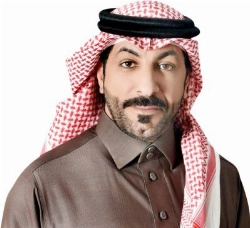
شهدت الساحة الفكرية والرقمية في منطقة الخليج العربي على مدار العقدين الماضيين بروز نمط من الشخصيات الإشكالية التي تخوض رحلة انتقال راديكالية من أقصى التديّن المتشدد إلى أقصى الخطاب التنويري أو العِلماني الحاد، متخذة من منصات التواصل الاجتماعي ساحة لمعركتها الوجودية و الفكرية.
إن الفهم العميق لهذه التحولات يتطلب تفكيكاً يتجاوز السطح السياسي، لينفذ إلى البنية السيكولوجية والاجتماعية التي تصنع هذا «الانقلاب الفكري».
أولاً: وهم الانتقال .. تغير المضمون وثبات البنية العقلية:
عند تحليل هذا الانقلاب، يبرز خطأ شائع يتجلى في استخدام الثنائية السياسية الغربية «يمين / يسار». في الواقع المحلي، لا يحدث التحول بين قطبين سياسيين، بل هو تحول في «طبيعة التديّن» و«المرجعية الأخلاقية». الانتقال الحقيقي هو من «اليقين المطلق الديني» إلى «اليقين المطلق اللا ديني».
من الناحية السيكولوجية، ينتمي الموقفان إلى عقلية واحدة هي عقلية امتلاك الحقيقة المطلقة. فالشخص هنا لا يغير طريقة تفكيره، بل ينقل تطرفه وحدته من وعاء إلى آخر. فيظل الخطاب التنويري الجديد محكوماً بالآليات الإقصائية نفسها التي كان يمارسها في ماضيه المتشدد، حيث أضحى هدم «الكتب الصفراء» بديلاً عن تكفير المخالفين، مع الإبقاء على الحدة المعرفية ذاتها.
إن ما يتغير في كثير من الأحيان هو المحتوى، أما البنية العقلية فتبقى على حالها، ولهذا يبدو الانتقال أحياناً أقرب إلى إعادة تموضع نفسي منه إلى مراجعة فكرية حقيقية.
ثانياً: صدمة الواقع والهروب من أزمة المعنى:
لا يعود هذا الارتداد المفاجئ إلى مراجعات معرفية هادئة، بل هو نتاج «صدمة واقعية» تخلخل المسلمات. فعندما تصطدم الأيديولوجيا المشحونة بالعواطف ببشاعة الأحداث الكبرى والمآسي الإنسانية، مثل الحروب والصراعات، يعجز الفكر التقليدي عن تفسير حجم العنف أو استيعاب التناقضات التي يراها الفرد أمامه.
هنا لا تتولد أزمة معرفة فحسب، بل تتشكل أزمة معنى وفراغ وجودي. يفقد الفرد ثقته في قدرة فكره القديم على منح الحياة معنى متماسكاً، فيصبح الانقلاب الحاد بمثابة آلية دفاع نفسية، ومحاولة يائسة لاستعادة الشعور بالقدرة على الفهم والتفسير عبر التماهي الكامل مع الخطاب النقيض.
ولأن الإنسان بطبيعته لا يحتمل الفراغ طويلاً، فإنه يسارع إلى استبدال يقين بيقين آخر، حتى لو لم يمنح نفسه الوقت الكافي لاختبار الأسئلة التي دفعته إلى هذا التحول أصلاً.
ثالثاً: خوارزمية «X» كمختبر لصناعة الهوية المتطرفة:
إن منصات التواصل الاجتماعي، وتحديداً منصة «X»، لا تمثل مجرد ناقل للأفكار، بل هي مُعيد تشكيل لبنية الوعي نفسها. فالخوارزمية الرقمية بطبيعتها تكافئ القطعية، والإيجاز الصادم، والبلاغة الخطابية الحادة، بينما تعاقب التوازن، والمراجعة الذاتية، والشك المنهجي الهادئ.
هذا المناخ يحول «المثقف الرقمي» إلى أسير لخوارزمية تطلب منه ضخ المزيد من التطرف لضمان البقاء والانتشار. وبالتالي يصبح مسار النقد المتوازن شبه مستحيل داخل هذه الفضاءات التي تعيش على الاستقطاب.
ومع مرور الوقت، لا يعود الفرد يعبر عن قناعاته فقط، بل يبدأ تدريجياً في إعادة تشكيل قناعاته بما يتناسب مع ما تكافئه المنصة. وهنا تتحول الخوارزمية من أداة تقنية إلى فاعل خفي يشارك في صناعة الهوية وتشكيل الاتجاهات الفكرية.
رابعاً: الهجرة الاجتماعية والبحث عن «قبيلة بديلة»:
يمتد هذا التحول إلى بعد سوسيولوجي عميق. فالشخص الذي يمر بهذا الانقلاب الحاد يخسر بالضرورة «قبيلته» الفكرية والاجتماعية الأولى، التي كانت تمنحه الدعم والاعتراف والشعور بالانتماء.
لذلك لا يعود خطاب الهجوم الشرس على الماضي محاولة لإقناع الطرف الآخر، بل يصبح «طقس مرور» وعرض هوية يقدمه لنظرائه الجدد.
إن المبالغة في مهاجمة الفكر التقليدي تمثل في كثير من الأحيان صك الولاء الذي يقدمه الفرد ليتم قبوله داخل «القبيلة البديلة».
ولهذا يفسر غياب الرغبة في الحوار الحقيقي، مقابل الحضور الطاغي للرغبة في الاستعراض الهوياتي وتأكيد الانتماء الجديد.
فالمعركة هنا لا تكون دائماً مع الأفكار القديمة، بقدر ما تكون مع الحاجة النفسية إلى إثبات المكان داخل الجماعة الجديدة.
خامساً: مأزق التنوير الانتقائي وغياب النموذج العملي:
تتجلى الهشاشة المعرفية لهذا الخطاب في تبنيه للتنوير والعلمانية كشعارات هوياتية مستوردة، بدلاً من كونهما ممارسة عملية معقدة ومليئة بالتسويات والتحديات.
يقع هذا الخطاب في فخ «التطرف المضاد» عندما يرفض التراث ككتلة واحدة مصمتة دون تفكيك سياقي، أو عندما يتعامل مع الموروث باعتباره مشكلة واحدة ذات حل واحد.
والمكمن الحقيقي لفشل هذا التنوير الانتقائي هو العجز عن تقديم البديل العملي القابل للعيش.
كيف سيبني هذا الخطاب مجتمعاً متماسكاً؟
ما مصدر القيم والأخلاق العامة في منظومته؟
كيف يواجه أسئلة الإنسان الأزلية حول الموت والمعنى والغاية؟
إن غياب الأجوبة العملية يحوّل التنوير المدّعى من مشروع نهوض معرفي إلى مجرد أداة لتصفية الحسابات النفسية مع الماضي، دون القدرة على بناء مستقبل فكري أو اجتماعي متماسك.
خلاصة التشريح: الارتداد الفكري كإنذار مبكر:
إن ظواهر الانقلاب الحاد من النقيض إلى النقيض، دون المرور بالمساحة الرمادية من الشك المتواضع والتردد المعرفي، تمثل إنذاراً مبكراً يكشف فشل كثير من المؤسسات الوسيطة، كالتعليم والأسرة والإعلام الجاد، في إنتاج أفراد قادرين على إدارة التعقيد والتعايش مع الأسئلة المفتوحة.
فالحل طويل المدى لا يكمن في مجابهة هؤلاء الأفراد داخل فضاء رقمي يقوم على الاستقطاب والإثارة، بل في إرساء نظم تربوية ومعرفية تنتج إنساناً متصالحاً مع فكرة ألا يكون متأكداً تماماً.
إن الهشاشة الفكرية ليست دائماً علامة ضعف، كما أن الشك ليس دائماً علامة ضياع. ففي كثير من الأحيان يكون الشك بداية الحكمة، وتكون القدرة على مراجعة الذات أكثر قيمة من القدرة على الانتصار في الجدل.
ولعل النضج الحقيقي لا يكمن في امتلاك الإجابات النهائية، بل في القدرة على إدارة التساؤلات الكبرى دون الهروب منها، وفي إدراك أن الحقيقة أوسع من أن يحتكرها فرد، وأعقد من أن تختزلها أيديولوجيا، وأعمق من أن تحتويها منصة رقمية واحدة.
The intellectual and digital landscape in the Arabian Gulf region has witnessed over the past two decades the emergence of a pattern of problematic personalities who embark on a radical transition from extreme religious conservatism to the far end of enlightenment or sharp secular discourse, using social media platforms as the battleground for their existential and intellectual struggles.
A deep understanding of these transformations requires a dissection that goes beyond the political surface, penetrating into the psychological and social structures that create this "intellectual coup."
First: The Illusion of Transition... Change of Content and Stability of Mental Structure:
When analyzing this coup, a common mistake emerges in the use of the Western political binary of "right/left." In the local reality, the transformation does not occur between two political poles; rather, it is a shift in "the nature of religiosity" and "the moral reference." The real transition is from "absolute religious certainty" to "absolute non-religious certainty."
Psychologically, both positions belong to a single mentality that is the mentality of possessing absolute truth. The individual here does not change their way of thinking; rather, they transfer their extremism and rigidity from one vessel to another. Thus, the new enlightenment discourse remains governed by the same exclusionary mechanisms that they practiced in their conservative past, where the destruction of "yellow books" has become a substitute for excommunicating dissenters, while maintaining the same cognitive sharpness.
What often changes is the content, while the mental structure remains the same, which is why the transition sometimes seems closer to a psychological repositioning than to a genuine intellectual review.
Second: The Shock of Reality and the Escape from the Crisis of Meaning:
This sudden backlash does not stem from calm intellectual reviews; rather, it is the result of a "reality shock" that disrupts established beliefs. When emotionally charged ideologies collide with the horrors of major events and human tragedies, such as wars and conflicts, traditional thought fails to explain the magnitude of violence or to comprehend the contradictions that the individual sees before them.
Here, not only does a crisis of knowledge arise, but a crisis of meaning and existential void also takes shape. The individual loses confidence in the ability of their old thought to provide life with coherent meaning, making the sharp transition a psychological defense mechanism and a desperate attempt to regain the feeling of understanding and interpretation through complete identification with the opposing discourse.
And because humans, by nature, cannot tolerate emptiness for long, they hasten to replace one certainty with another, even if they do not give themselves enough time to test the questions that originally drove them to this transformation.
Third: The Algorithm of "X" as a Laboratory for Producing Extreme Identity:
Social media platforms, specifically the "X" platform, do not merely serve as a conduit for ideas; they reshape the very structure of consciousness. The digital algorithm, by its nature, rewards absolutism, shocking brevity, and sharp rhetorical eloquence, while punishing balance, self-reflection, and calm methodological doubt.
This climate turns the "digital intellectual" into a prisoner of an algorithm that demands they pump more extremism to ensure survival and spread. Consequently, the path of balanced critique becomes nearly impossible within these spaces that thrive on polarization.
Over time, the individual no longer expresses only their convictions but gradually begins to reshape their beliefs to align with what the platform rewards. Here, the algorithm transforms from a technical tool into a hidden actor participating in the construction of identity and shaping intellectual trends.
Fourth: Social Migration and the Search for an "Alternative Tribe":
This transformation extends to a profound sociological dimension. The person undergoing this sharp transition inevitably loses their original intellectual and social "tribe," which provided them with support, recognition, and a sense of belonging.
Thus, the discourse of fierce attack on the past no longer seeks to convince the other side; rather, it becomes a "rite of passage" and a display of identity presented to their new peers.
The exaggeration in attacking traditional thought often represents the loyalty certificate that the individual offers to be accepted within the "alternative tribe."
This explains the absence of a desire for genuine dialogue, contrasted with the overwhelming desire for identity display and affirmation of the new belonging.
Here, the battle is not always with old ideas, as much as it is with the psychological need to prove one’s place within the new group.
Fifth: The Dilemma of Selective Enlightenment and the Absence of a Practical Model:
The cognitive fragility of this discourse is manifested in its adoption of enlightenment and secularism as imported identity slogans, rather than as complex practical practices filled with compromises and challenges.
This discourse falls into the trap of "counter-extremism" when it rejects heritage as a solid block without contextual dissection, or when it treats the legacy as a single problem with a single solution.
The real crux of the failure of this selective enlightenment lies in its inability to present a viable practical alternative.
How will this discourse build a cohesive society?
What is the source of values and public morals in its system?
How does it confront humanity's eternal questions about death, meaning, and purpose?
The absence of practical answers transforms the claimed enlightenment from a project of cognitive revival into merely a tool for settling psychological scores with the past, without the ability to build a cohesive intellectual or social future.
Summary of the Dissection: Intellectual Backlash as an Early Warning:
The phenomena of sharp reversals from one extreme to another, without traversing the gray area of modest doubt and cognitive hesitation, represent an early warning revealing the failure of many intermediary institutions, such as education, family, and serious media, to produce individuals capable of managing complexity and coexisting with open questions.
The long-term solution does not lie in confronting these individuals within a digital space based on polarization and provocation, but in establishing educational and cognitive systems that produce a person reconciled with the idea of not being completely certain.
Intellectual fragility is not always a sign of weakness, just as doubt is not always a sign of loss. Often, doubt is the beginning of wisdom, and the ability to self-reflect is more valuable than the ability to win an argument.
Perhaps true maturity lies not in possessing final answers, but in the ability to manage great questions without fleeing from them, and in realizing that truth is broader than any individual can monopolize, more complex than any ideology can reduce, and deeper than any single digital platform can contain.