عند قراءة نصف قرن من تاريخ العالم العربي، يترسّخ انطباع لا يخلو من المرارة: هذه الأمة لم تكن بحاجة إلى أعداء لتتراجع مكانتها، فقد تكفّلت عواملها الداخلية بإضعافها. إذ لم يكن الانكماش في نفوذها ولا تقلّص مساحتها السياسية والجغرافية نتيجة صراع خارجي فحسب، بل جاء في المقام الأول نتيجة غياب القدرة على استيعاب تحولات العالم وقوانينه، والعجز عن التكيّف مع متغيراته المتسارعة.
إن مراجعة هذه التجربة تقود إلى إدراك أن الدبلوماسية تظل الأداة الأكثر واقعية وأمناً في منطقة اتسمت بعدم الاستقرار عقوداً طويلة. فالخبرة التاريخية تؤكد أن التفاوض والحوار نجحا في انتزاع الحقوق أكثر مما حققته المواجهات العسكرية أو الخطابات الحماسية. الدبلوماسية، بمرونتها وعمقها، أثبتت أنها ليست بديلاً عن القوة فحسب، بل وسيلة لتحويل التوازنات إلى مكاسب ملموسة.
لقد استنزفت الشعارات طويلاً الوعي العربي، إذ جرى توظيفها غطاءً للعجز، أو بديلاً عن السياسات الفعّالة. ومع مرور الوقت، تكشّف زيف هذه العبارات الرنانة أمام الرأي العام، الذي بات أكثر قدرة على التمييز بين الكلام الفارغ والإنجاز الحقيقي. يمكن القول إننا أمام لحظة نهاية الشعارات؛ لحظة يكتشف فيها المواطن العربي أن التغيير لا يأتي من الانسياق وراء خطابات عاطفية، بل من سياسات عقلانية تضع المصلحة العامة فوق الاعتبارات الآنية.
لقد ظل الوعي الجمعي العربي أسيراً لسرديات سلبية تحاصر إمكاناته بدل أن تطلقها. هذه السرديات لم تُنتج حلولاً بقدر ما صنعت مزيداً من العراقيل. ومع ذلك، فإن تجارب التاريخ تثبت أن الأمم قادرة على إعادة بناء ذاتها متى ما توافرت الإرادة لقطع الصلة مع الخطاب الماضوي واستبداله برؤية عملية قائمة على التنمية والعدالة والدبلوماسية الفاعلة.
وفي خضم هذا المشهد الملبّد بالتحديات، تبرز مؤشرات تمنح الأمل. يكفي أن نتوقف عند ما جرى تحت قبة الأمم المتحدة في نيويورك، حيث قاد وزير الخارجية السعودي جهوداً حثيثة لنيل الاعتراف الدولي بدولة فلسطين. هذا المشهد يختصر دروساً عميقة: أن العمل الدبلوماسي العربي، حين يكون منظماً ومستنداً إلى رؤية استراتيجية، قادر على إعادة الاعتبار للحقوق التاريخية وإحياء الأمل في مستقبل أكثر عدلاً.
إن الرسالة الأهم التي ينبغي استخلاصها هي أن الأمة العربية، قبل أن تنشغل بأعدائها الخارجيين، تحتاج إلى مراجعة ذاتها بعمق. فحين تتجاوز ضعفها الداخلي، وتتحرر من أسر الشعارات العقيمة، وتستثمر في أدوات القوة الحقيقية من تنمية ودبلوماسية، ستكتشف أن الطريق إلى المستقبل ليس مسدوداً. وما حدث في نيويورك ليس سوى إشارة إلى أن الغد، مهما بدا صعباً، يمكن أن يحمل ما يبعث على الاطمئنان.
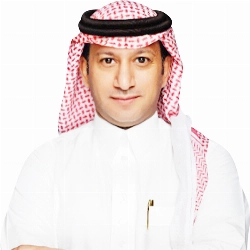
سلطان السعد القحطاني
الأمة التي لا تحتاج إلى أعداء
25 سبتمبر 2025 - 00:21
|
آخر تحديث 25 سبتمبر 2025 - 00:21


تابع قناة عكاظ على الواتساب
When reading half a century of the history of the Arab world, a somewhat bitter impression solidifies: this nation did not need enemies to diminish its status, as its internal factors sufficed to weaken it. The contraction of its influence and the reduction of its political and geographical space were not solely the result of external conflict, but primarily due to the inability to absorb the transformations of the world and its laws, and the incapacity to adapt to its rapid changes.
A review of this experience leads to the realization that diplomacy remains the most realistic and secure tool in a region characterized by instability for decades. Historical experience confirms that negotiation and dialogue have succeeded in securing rights more than military confrontations or fervent speeches have achieved. Diplomacy, with its flexibility and depth, has proven to be not just an alternative to power but a means to transform balances into tangible gains.
Slogans have long drained Arab consciousness, as they were employed as a cover for impotence or as a substitute for effective policies. Over time, the falseness of these resonant phrases has been revealed to public opinion, which has become more capable of distinguishing between empty words and real achievements. It can be said that we are at a moment of the end of slogans; a moment in which the Arab citizen discovers that change does not come from succumbing to emotional speeches, but from rational policies that place the public interest above immediate considerations.
The Arab collective consciousness has remained captive to negative narratives that stifle its potential instead of unleashing it. These narratives have not produced solutions as much as they have created more obstacles. Nevertheless, historical experiences prove that nations are capable of rebuilding themselves whenever there is a will to sever ties with the past discourse and replace it with a practical vision based on development, justice, and effective diplomacy.
Amidst this scene clouded with challenges, indicators emerge that offer hope. It is enough to pause at what took place under the dome of the United Nations in New York, where the Saudi Foreign Minister led diligent efforts to gain international recognition for the State of Palestine. This scene encapsulates profound lessons: that organized Arab diplomatic work, when based on a strategic vision, is capable of restoring historical rights and reviving hope for a more just future.
The most important message to be drawn is that the Arab nation, before preoccupying itself with its external enemies, needs to deeply review itself. When it overcomes its internal weaknesses, frees itself from the shackles of sterile slogans, and invests in the tools of real power such as development and diplomacy, it will discover that the road to the future is not blocked. What happened in New York is merely a signal that tomorrow, no matter how difficult it seems, can carry what reassures.
A review of this experience leads to the realization that diplomacy remains the most realistic and secure tool in a region characterized by instability for decades. Historical experience confirms that negotiation and dialogue have succeeded in securing rights more than military confrontations or fervent speeches have achieved. Diplomacy, with its flexibility and depth, has proven to be not just an alternative to power but a means to transform balances into tangible gains.
Slogans have long drained Arab consciousness, as they were employed as a cover for impotence or as a substitute for effective policies. Over time, the falseness of these resonant phrases has been revealed to public opinion, which has become more capable of distinguishing between empty words and real achievements. It can be said that we are at a moment of the end of slogans; a moment in which the Arab citizen discovers that change does not come from succumbing to emotional speeches, but from rational policies that place the public interest above immediate considerations.
The Arab collective consciousness has remained captive to negative narratives that stifle its potential instead of unleashing it. These narratives have not produced solutions as much as they have created more obstacles. Nevertheless, historical experiences prove that nations are capable of rebuilding themselves whenever there is a will to sever ties with the past discourse and replace it with a practical vision based on development, justice, and effective diplomacy.
Amidst this scene clouded with challenges, indicators emerge that offer hope. It is enough to pause at what took place under the dome of the United Nations in New York, where the Saudi Foreign Minister led diligent efforts to gain international recognition for the State of Palestine. This scene encapsulates profound lessons: that organized Arab diplomatic work, when based on a strategic vision, is capable of restoring historical rights and reviving hope for a more just future.
The most important message to be drawn is that the Arab nation, before preoccupying itself with its external enemies, needs to deeply review itself. When it overcomes its internal weaknesses, frees itself from the shackles of sterile slogans, and invests in the tools of real power such as development and diplomacy, it will discover that the road to the future is not blocked. What happened in New York is merely a signal that tomorrow, no matter how difficult it seems, can carry what reassures.