في كل منعطف يعيشه العالم العربي، يبرز ولي العهد الأمير محمد بن سلمان بوصفه عامل توازن واستقرار، يحضر في اللحظة المناسبة والمكان الأشد حساسية. حضوره ليس تفصيلاً بروتوكولياً، بل مؤشر على أن السعودية باتت المرجعية التي يُقاس بها موقف العرب، وأن صوتها هو الذي يعيد صياغة المعادلة متى اختلّت.
لقد شهدت الدوحة مؤخراً اجتماعاً استثنائياً للقادة العرب والمسلمين، في أعقاب حادثة مؤلمة هزّت الوجدان العربي وأكدت الحاجة إلى موقف جماعي. وكانت مشاركة ولي العهد في تلك اللحظة إشارة رمزية لا تخطئها العين: المملكة ليست غائبة عن قضايا أشقائها، بل هي في قلب الموقف عندما يُختبر التضامن وتُستدعى المسؤولية. لم يكن الحضور هناك مجرد ردّ فعل، بل تأكيد على أن الرياض تتحرك بمنطق المؤسسة والسيادة، وأنها تُترجم القانون الدولي بلغة الممارسة لا بالشعارات.
وفي مشهد آخر، ما زال العالم العربي يتذكر كيف رافق ولي العهد خطوات رفع العقوبات عن سورية. يومها كان المشهد مختلفاً، لكنه حمل المعنى ذاته: فرحة عربية جامعة، وحضور سعودي يحوّل الموقف إلى ما يشبه «شرعية عربية» تُسند الدولة الوطنية، وتفتح نافذة جديدة للتعافي.
حتى الرموز الصغيرة التي التقطتها العدسات لم تكن عابرة: من بينها ارتداء سموه البشت في الدوحة الذي يحمل شعار دولة قطر، أو إيماءة في لحظة مصافحة، تتحول في دلالاتها إلى إشارات سياسية، تُقرأ بوصفها إعلاناً أن القيادة السعودية قادرة على أن تجمع بين هيبة الرمزية وفعالية القانون.
وما يجعل هذه الدلالات أكثر وضوحاً هو أن ولي العهد لا ينشغل بهذه الأدوار الإقليمية على حساب الداخل، بل يمزج بينهما في صورة استثنائية لقائد يعمل على مسارين متوازيين: في الداخل، يقود مشاريع التحول الوطني ليضمن للمواطن السعودي مستوى من الرفاهية وجودة الحياة، ويُسرّع خطوات المملكة نحو تحقيق رؤيتها الطموحة. وفي الخارج، يضع ثقله في كل ما يخص العرب والمسلمين، حاضراً في قضاياهم الكبرى، ومدافعاً عن استقرارهم وشرعيتهم. هذه القدرة على الجمع بين الداخل والخارج هي ما يمنح حضوره قيمة استثنائية في نظر المراقبين، ويجعل من السعودية اليوم مرجعاً لا غنى عنه.
وفي كل هذه المحطات، تتقاطع الرمزية السياسية مع القواعد القانونية التي تحكم العلاقات الدولية. فالحضور السعودي لم يعد مجرد وزن ديموغرافي أو اقتصادي، بل تحوّل إلى قوة معيارية، تفرض لغة القانون حين يتراجع صوت القانون، وتعيد الاعتبار لمفهوم الشرعية العربية في لحظات الانقسام. هذا البعد القانوني في الحضور السياسي هو ما يجعل ولي العهد في نظر المراقبين سحابة خير؛ لأنه يجمع بين الرمز والسياسة، وبين الشرعية والنفاذ العملي.
إن حضور ولي العهد في هذه اللحظات لا يُقاس بعدد الكلمات في خطابه، بل بقدرة حضوره ذاته على أن يكون رافعة للشرعية العربية، ومظلة للأمن والاستقرار. هو حضورٌ يثبت أن السعودية اليوم ليست مجرد طرف في المعادلة، بل مركزها.
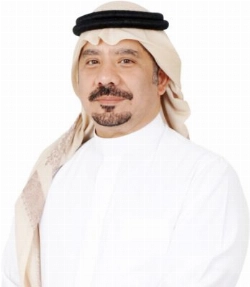
فراس طرابلسي
ولي العهد.. سحابة الخير في سماء العرب
16 سبتمبر 2025 - 00:07
|
آخر تحديث 16 سبتمبر 2025 - 00:07


تابع قناة عكاظ على الواتساب
In every turn that the Arab world experiences, Crown Prince Mohammed bin Salman emerges as a factor of balance and stability, present at the right moment and in the most sensitive place. His presence is not a mere protocol detail, but an indication that Saudi Arabia has become the reference point by which the stance of Arabs is measured, and that its voice is what reshapes the equation whenever it is disrupted.
Recently, Doha witnessed an exceptional meeting of Arab and Muslim leaders, following a painful incident that shook the Arab conscience and underscored the need for a collective stance. The Crown Prince's participation at that moment was a symbolic signal that could not be missed: the Kingdom is not absent from the issues of its brothers, but is at the heart of the situation when solidarity is tested and responsibility is called upon. His presence there was not merely a reaction, but a confirmation that Riyadh operates with the logic of institutions and sovereignty, translating international law into practice rather than slogans.
In another scene, the Arab world still remembers how the Crown Prince accompanied the steps to lift sanctions on Syria. That day, the scene was different, but it carried the same meaning: a unifying Arab joy, and a Saudi presence that transformed the situation into what resembled an "Arab legitimacy" that supports the nation-state and opens a new window for recovery.
Even the small symbols captured by the cameras were not trivial: among them was His Highness wearing the bisht in Doha, which bears the emblem of the State of Qatar, or a gesture during a handshake that transforms into political signals, read as an announcement that Saudi leadership is capable of combining the prestige of symbolism with the effectiveness of law.
What makes these implications clearer is that the Crown Prince does not engage in these regional roles at the expense of domestic affairs, but blends both in an exceptional image of a leader working on two parallel tracks: domestically, he leads national transformation projects to ensure a level of welfare and quality of life for the Saudi citizen, and accelerates the Kingdom's steps towards achieving its ambitious vision. Externally, he exerts his influence on everything concerning Arabs and Muslims, being present in their major issues, and defending their stability and legitimacy. This ability to combine domestic and foreign affairs is what grants his presence exceptional value in the eyes of observers, making Saudi Arabia today an indispensable reference.
In all these moments, political symbolism intersects with the legal norms governing international relations. The Saudi presence is no longer merely a demographic or economic weight, but has transformed into a normative force, imposing the language of law when the voice of law recedes, and restoring the concept of Arab legitimacy in moments of division. This legal dimension in political presence is what makes the Crown Prince, in the eyes of observers, a harbinger of good; because he combines symbolism with politics, and legitimacy with practical efficacy.
The Crown Prince's presence in these moments is not measured by the number of words in his speech, but by the ability of his presence itself to serve as a lever for Arab legitimacy and a canopy for security and stability. It is a presence that proves that Saudi Arabia today is not just a party in the equation, but its center.
Recently, Doha witnessed an exceptional meeting of Arab and Muslim leaders, following a painful incident that shook the Arab conscience and underscored the need for a collective stance. The Crown Prince's participation at that moment was a symbolic signal that could not be missed: the Kingdom is not absent from the issues of its brothers, but is at the heart of the situation when solidarity is tested and responsibility is called upon. His presence there was not merely a reaction, but a confirmation that Riyadh operates with the logic of institutions and sovereignty, translating international law into practice rather than slogans.
In another scene, the Arab world still remembers how the Crown Prince accompanied the steps to lift sanctions on Syria. That day, the scene was different, but it carried the same meaning: a unifying Arab joy, and a Saudi presence that transformed the situation into what resembled an "Arab legitimacy" that supports the nation-state and opens a new window for recovery.
Even the small symbols captured by the cameras were not trivial: among them was His Highness wearing the bisht in Doha, which bears the emblem of the State of Qatar, or a gesture during a handshake that transforms into political signals, read as an announcement that Saudi leadership is capable of combining the prestige of symbolism with the effectiveness of law.
What makes these implications clearer is that the Crown Prince does not engage in these regional roles at the expense of domestic affairs, but blends both in an exceptional image of a leader working on two parallel tracks: domestically, he leads national transformation projects to ensure a level of welfare and quality of life for the Saudi citizen, and accelerates the Kingdom's steps towards achieving its ambitious vision. Externally, he exerts his influence on everything concerning Arabs and Muslims, being present in their major issues, and defending their stability and legitimacy. This ability to combine domestic and foreign affairs is what grants his presence exceptional value in the eyes of observers, making Saudi Arabia today an indispensable reference.
In all these moments, political symbolism intersects with the legal norms governing international relations. The Saudi presence is no longer merely a demographic or economic weight, but has transformed into a normative force, imposing the language of law when the voice of law recedes, and restoring the concept of Arab legitimacy in moments of division. This legal dimension in political presence is what makes the Crown Prince, in the eyes of observers, a harbinger of good; because he combines symbolism with politics, and legitimacy with practical efficacy.
The Crown Prince's presence in these moments is not measured by the number of words in his speech, but by the ability of his presence itself to serve as a lever for Arab legitimacy and a canopy for security and stability. It is a presence that proves that Saudi Arabia today is not just a party in the equation, but its center.