يقتضي التعامل مع الولايات المتحدة الأمريكية، في سياق علاقاتها بدول الشرق الأوسط وتحيّزها التاريخي لإسرائيل، فهماً عميقاً للسياسة الأمريكية والديناميكيات الإقليمية. ففي زمن لم تعد فيه الطاقة تشكّل ورقة ضغط تجعل أمريكا تأخذها في الحسبان كما كان الحال قبل ثلاثين عاماً، تبرز عدة إستراتيجيات يمكن لدول المنطقة اتباعها.
تتمثّل الإستراتيجية المثلى في مزيج متوازن من القوة الناعمة والضغط الاقتصادي وتنويع التحالفات، مع تجنّب أي مواجهة مباشرة قد تدفع واشنطن إلى مضاعفة دعمها لإسرائيل. تقتضي الواقعية السياسية التعامل مع التحيّز الأمريكي كمعطى تاريخي ثابت، مع السعي لتغييره عبر أدوات طويلة الأمد مثل الدبلوماسية الشعبية وإعادة التوازن الجيوسياسي.
تكمن المشكلة الحقيقية في عامل الزمن الذي يعمل ضد المصالح العربية، فإسرائيل تتوسع بوتيرة متسارعة، بينما تدفع الولايات المتحدة نحو شرق أوسط جديد يهمّش القضية الفلسطينية. هذا الواقع يجعل من «العلاج التدريجي» إستراتيجية غير مجدية في مواجهة الزحف الاستيطاني والتحوّلات الجيوسياسية المتسارعة. لا ينتظر التوسع الإسرائيلي أحداً، فالاستيطان والضم في الضفة الغربية يتسارعان تحت حكومة يمينية متطرفة ترفض مبدأ حل الدولتين.
رغم بعض الانتقادات الأمريكية للسياسات الإسرائيلية مثل الاستيطان، إلا أن الدعم العسكري والسياسي لواشنطن لم يتزعزع، كما يتجلى في الموافقة على صفقات أسلحة بمليارات الدولارات أثناء حرب غزة 2023-2024. يهيمن اللوبي الإسرائيلي (AIPAC) على الكونغرس، حيث تدعم الأغلبية الساحقة إسرائيل بغض النظر عن انتهاكاتها، بينما تظل محاولات العرب لموازنة هذا النفوذ، مثل اللوبي العربي، ضعيفة وغير فاعلة.
تجاوزت إسرائيل كل حدود اللياقة الدبلوماسية، تتصرف وكأنها القوة العظمى الوحيدة في المنطقة، غير مكترثة بأي مساءلة قانونية أو دولية، مستخدمةً القوة المفرطة ضد المدنيين والبنى التحتية دون تمييز.
في هذا السياق الصعب، برزت المملكة العربية السعودية بدور محوري من خلال التركيز على القانون الدولي لفضح الانتهاكات الإسرائيلية في المحافل الدولية، والسعي للاعتراف بدولة فلسطين في الأمم المتحدة لتعزيز الشرعية الدولية للقضية، وتعزيز الدبلوماسية العامة والناعمة، ودفع الوحدة العربية والإسلامية، والعمل على التهدئة الإقليمية وبناء الثقة.
الخطر الوجودي يتسارع كطوفان مدمر، حيث لن تتوقف إسرائيل عن التوسع إلا إذا واجهت ثمنًا سياسيًا واقتصاديًا باهظًا، وهو ما يجب على الدول العربية بناؤه الآن قبل فوات الأوان. الوقت لم يفت بعد، لكنه ينفد بسرعة. تتلخص الإستراتيجية الفعّالة في خليط من الضغط الاقتصادي والدبلوماسي والعمل الدولي، مع تجنّب المواجهة المباشرة التي قد تنعكس سلبًا على الفلسطينيين.
يكمن الحل في توحيد الموقف العربي عبر آليات ردع جماعية مثل العقوبات الاقتصادية، وربط أي تعاون مع أمريكا وإسرائيل بخطوات ملموسة على الأرض، وعدم الاعتماد الكلي على واشنطن مع البحث عن حلفاء جدد، وتحويل القضية الفلسطينية إلى قضية رأي عام عالمي عبر منصات التواصل والمنظمات الحقوقية. فالبديل ليس سوى الاستسلام لشرق أوسط جديد تُمحى فيه فلسطين من الوجود.
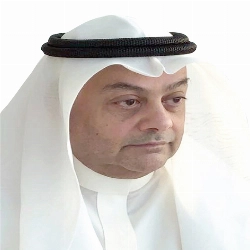
أسامة يماني
إستراتيجيات عربية في زمن التغيّرات الجيوسياسية
5 سبتمبر 2025 - 00:00
|
آخر تحديث 5 سبتمبر 2025 - 00:00


تابع قناة عكاظ على الواتساب
Dealing with the United States of America, in the context of its relations with Middle Eastern countries and its historical bias towards Israel, requires a deep understanding of American politics and regional dynamics. In an era where energy no longer serves as a leverage point for America as it did thirty years ago, several strategies emerge that regional countries can adopt.
The optimal strategy lies in a balanced mix of soft power, economic pressure, and diversifying alliances, while avoiding any direct confrontation that might push Washington to increase its support for Israel. Political realism necessitates dealing with American bias as a fixed historical fact, while striving to change it through long-term tools such as public diplomacy and geopolitical rebalancing.
The real problem lies in the factor of time, which works against Arab interests, as Israel expands at an accelerated pace, while the United States pushes towards a new Middle East that marginalizes the Palestinian issue. This reality renders "gradual treatment" an ineffective strategy in the face of settlement expansion and rapid geopolitical transformations. Israeli expansion waits for no one; settlement and annexation in the West Bank are accelerating under an extreme right-wing government that rejects the two-state solution.
Despite some American criticisms of Israeli policies such as settlement expansion, Washington's military and political support remains unwavering, as evidenced by the approval of multi-billion dollar arms deals during the Gaza War of 2023-2024. The Israeli lobby (AIPAC) dominates Congress, where an overwhelming majority supports Israel regardless of its violations, while Arab attempts to balance this influence, such as the Arab lobby, remain weak and ineffective.
Israel has exceeded all bounds of diplomatic decency, acting as if it is the sole superpower in the region, indifferent to any legal or international accountability, using excessive force against civilians and infrastructure indiscriminately.
In this challenging context, Saudi Arabia has emerged as a pivotal player by focusing on international law to expose Israeli violations in international forums, seeking recognition of the State of Palestine at the United Nations to enhance the international legitimacy of the cause, promoting public and soft diplomacy, pushing for Arab and Islamic unity, and working towards regional de-escalation and building trust.
The existential threat is accelerating like a devastating flood, as Israel will not cease its expansion unless it faces a steep political and economic price, which Arab countries must build now before it is too late. Time is not yet lost, but it is running out quickly. The effective strategy boils down to a mix of economic and diplomatic pressure and international action, while avoiding direct confrontation that could negatively impact the Palestinians.
The solution lies in unifying the Arab stance through collective deterrence mechanisms such as economic sanctions, linking any cooperation with America and Israel to tangible steps on the ground, not relying entirely on Washington while seeking new allies, and transforming the Palestinian issue into a matter of global public opinion through social media platforms and human rights organizations. The alternative is nothing but surrender to a new Middle East where Palestine is erased from existence.
The optimal strategy lies in a balanced mix of soft power, economic pressure, and diversifying alliances, while avoiding any direct confrontation that might push Washington to increase its support for Israel. Political realism necessitates dealing with American bias as a fixed historical fact, while striving to change it through long-term tools such as public diplomacy and geopolitical rebalancing.
The real problem lies in the factor of time, which works against Arab interests, as Israel expands at an accelerated pace, while the United States pushes towards a new Middle East that marginalizes the Palestinian issue. This reality renders "gradual treatment" an ineffective strategy in the face of settlement expansion and rapid geopolitical transformations. Israeli expansion waits for no one; settlement and annexation in the West Bank are accelerating under an extreme right-wing government that rejects the two-state solution.
Despite some American criticisms of Israeli policies such as settlement expansion, Washington's military and political support remains unwavering, as evidenced by the approval of multi-billion dollar arms deals during the Gaza War of 2023-2024. The Israeli lobby (AIPAC) dominates Congress, where an overwhelming majority supports Israel regardless of its violations, while Arab attempts to balance this influence, such as the Arab lobby, remain weak and ineffective.
Israel has exceeded all bounds of diplomatic decency, acting as if it is the sole superpower in the region, indifferent to any legal or international accountability, using excessive force against civilians and infrastructure indiscriminately.
In this challenging context, Saudi Arabia has emerged as a pivotal player by focusing on international law to expose Israeli violations in international forums, seeking recognition of the State of Palestine at the United Nations to enhance the international legitimacy of the cause, promoting public and soft diplomacy, pushing for Arab and Islamic unity, and working towards regional de-escalation and building trust.
The existential threat is accelerating like a devastating flood, as Israel will not cease its expansion unless it faces a steep political and economic price, which Arab countries must build now before it is too late. Time is not yet lost, but it is running out quickly. The effective strategy boils down to a mix of economic and diplomatic pressure and international action, while avoiding direct confrontation that could negatively impact the Palestinians.
The solution lies in unifying the Arab stance through collective deterrence mechanisms such as economic sanctions, linking any cooperation with America and Israel to tangible steps on the ground, not relying entirely on Washington while seeking new allies, and transforming the Palestinian issue into a matter of global public opinion through social media platforms and human rights organizations. The alternative is nothing but surrender to a new Middle East where Palestine is erased from existence.