غالباً ما يُوصف الاقتصاد بأنه علم الأرقام متمحور في الناتج المحلي الإجمالي، والتضخم، والعجز المالي، ومعدلات الإنتاجية. تهيمن الرسوم البيانية والإحصاءات على عناوين الأخبار، كما لو أن الرخاء يمكن اختصاره إلى أرقام في صفحة. لكن هذه النظرة ناقصة. ففي جوهره، يتمحور الاقتصاد حول الإنسان، عمله، وخياراته، ومعاناته، وتطلعاته. لا تُهم الأرقام إلا بما تعكسه من حياة إنسانية. في المجمل يجب دائمًا الحكم على الاقتصاد من خلال نتائجه الإنسانية، وليس من خلال ميزانياته العمومية وحدها. كل سياسة، وكل إحصائية، وكل اتجاه في السوق لا يهم إلا بما يمس حياة الناس. إن نسيان ذلك هو خلط بين الخريطة والإقليم. الاقتصاد، يجب أن يبقى، تخصص يهتم بالناس وبكيفية بناء مجتمعات يزدهر فيها الأفراد والأسر.
يخفي كل مؤشر اقتصادي قصة إنسانية. قد تبدو إحصائية واحدة مثل 10% بطالة مجردة، لكنها تعني آلاف العائلات القلقة بشأن الإيجار، والخريجين الشباب الذين ينتظرون فرصتهم الأولى، أو الآباء الذين يؤجلون أحلامهم في تعليم أفضل لأبنائهم. والعكس صحيح، حين ترتفع الأجور أو ينخفض التضخم، فإن الأثر يتجاوز الحسابات الاقتصادية ليصل إلى حياة الأسر التي تتمكن من توفير غذاء صحي، أو مسكن آمن، أو فرصة للاستمتاع والترفيه.
لذا، فإن الاقتصاد ليس مجرد ممارسة محاسبية، بل هو منظور لفهم كيف تُشكّل السياسات والأسواق الحياة اليومية. عندما تُعدّ الحكومات الميزانيات، أو عندما ترفع البنوك المركزية أسعار الفائدة، فإن هذه ليست مجرد مناورات تقنية؛ بل إنها تمتد عبر المجتمعات، مُشكّلةً قدرة الأسرة على شراء منزل، أو قدرة الشركات الصغيرة على البقاء، أو قدرة المتقاعد على العيش بكرامة.
إن النظر إلى الاقتصاد على أنه سعيٌّ وراء الثروة المادية فقط هو أمرٌ ضيق الأفق. فالرخاء الحقيقي لا يكمن في ارتفاع الدخل فحسب، بل في زيادة الفرص والإنصاف. لا يكون الاقتصاد سليماً فقط عندما ينمو، بل عندما يُوسّع نطاق الوصول إلى التعليم والرعاية الصحية والعمل الهادف. يتعلق الأمر بتزويد الناس بالأدوات اللازمة لبناء حياة كريمة وآمنة.
يُعدّ عدم المساواة بُعداً إنسانياً آخر للاقتصاد. قد يرتفع الناتج المحلي الإجمالي لدولة ما ارتفاعاً هائلاً، ولكن إذا اقتصرت المكاسب على فئة قليلة، فقد تشعر الأغلبية بالاستبعاد من مسيرة التقدّم. يعتمد التماسك الاجتماعي، والثقة بالمؤسسات، وحتى الاستقرار السياسي، على مدى عدالة توزيع الفرص والمكافآت. لذا، فإن الاقتصاد الشامل ليس مُفضّلاً أخلاقيّاً فحسب؛ بل هو ضروري عمليّاً لتحقيق التنمية المستدامة.
لا يقتصر الاقتصاد على الكفاءة في حد ذاتها، بل يهدف إلى تمكين الناس من عيش حياة أكثر اكتمالاً وحرية. إن المقياس الحقيقي لنجاح الاقتصاد ليس حجم إنتاجه، بل جودة الحياة التي يوفرها وذلك من خلال الأمان في الشيخوخة، والأمل للشباب، والكرامة في العمل، والعدالة في الفرص.
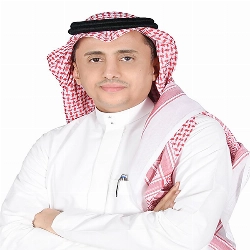
علي محمد الحازمي
الاقتصاد ليس حسابات.. بل حياة
4 سبتمبر 2025 - 00:09
|
آخر تحديث 4 سبتمبر 2025 - 00:09


تابع قناة عكاظ على الواتساب
The economy is often described as a science of numbers centered around GDP, inflation, fiscal deficits, and productivity rates. Charts and statistics dominate the headlines, as if prosperity can be reduced to numbers on a page. But this view is incomplete. At its core, the economy revolves around people, their work, choices, struggles, and aspirations. Numbers matter only to the extent that they reflect human lives. Overall, the economy should always be judged by its human outcomes, not just by its balance sheets. Every policy, every statistic, and every market trend matters only in how it affects people's lives. Forgetting this is a confusion between the map and the territory. The economy must remain a discipline concerned with people and how to build communities where individuals and families can thrive.
Every economic indicator hides a human story. A statistic like 10% unemployment may seem abstract, but it represents thousands of families worried about rent, young graduates waiting for their first opportunity, or parents postponing their dreams of better education for their children. Conversely, when wages rise or inflation falls, the impact goes beyond economic calculations to touch the lives of families who can afford healthy food, safe housing, or opportunities for enjoyment and recreation.
Thus, the economy is not merely an accounting exercise; it is a perspective for understanding how policies and markets shape daily life. When governments prepare budgets, or when central banks raise interest rates, these are not just technical maneuvers; they extend across communities, shaping a family's ability to buy a home, a small business's ability to survive, or a retiree's ability to live with dignity.
Viewing the economy as a pursuit of material wealth alone is a narrow perspective. True prosperity lies not only in rising incomes but in increased opportunities and equity. The economy is sound not only when it grows, but when it expands access to education, healthcare, and meaningful work. It is about providing people with the tools they need to build a decent and secure life.
Inequality is another human dimension of the economy. A country's GDP may rise dramatically, but if the gains are limited to a few, the majority may feel excluded from the march of progress. Social cohesion, trust in institutions, and even political stability depend on the fairness of opportunity and reward distribution. Therefore, inclusive economics is not just a moral preference; it is practically essential for achieving sustainable development.
The economy is not limited to efficiency in itself; it aims to empower people to live fuller and freer lives. The true measure of economic success is not the size of its output, but the quality of life it provides through security in old age, hope for youth, dignity in work, and fairness in opportunities.
Every economic indicator hides a human story. A statistic like 10% unemployment may seem abstract, but it represents thousands of families worried about rent, young graduates waiting for their first opportunity, or parents postponing their dreams of better education for their children. Conversely, when wages rise or inflation falls, the impact goes beyond economic calculations to touch the lives of families who can afford healthy food, safe housing, or opportunities for enjoyment and recreation.
Thus, the economy is not merely an accounting exercise; it is a perspective for understanding how policies and markets shape daily life. When governments prepare budgets, or when central banks raise interest rates, these are not just technical maneuvers; they extend across communities, shaping a family's ability to buy a home, a small business's ability to survive, or a retiree's ability to live with dignity.
Viewing the economy as a pursuit of material wealth alone is a narrow perspective. True prosperity lies not only in rising incomes but in increased opportunities and equity. The economy is sound not only when it grows, but when it expands access to education, healthcare, and meaningful work. It is about providing people with the tools they need to build a decent and secure life.
Inequality is another human dimension of the economy. A country's GDP may rise dramatically, but if the gains are limited to a few, the majority may feel excluded from the march of progress. Social cohesion, trust in institutions, and even political stability depend on the fairness of opportunity and reward distribution. Therefore, inclusive economics is not just a moral preference; it is practically essential for achieving sustainable development.
The economy is not limited to efficiency in itself; it aims to empower people to live fuller and freer lives. The true measure of economic success is not the size of its output, but the quality of life it provides through security in old age, hope for youth, dignity in work, and fairness in opportunities.