يشهد قطاع الطيران الخاص في المملكة والخليج تحولاً مهمّاً هذه الفترة، حيث أعلنت الهيئة العامة للطيران المدني منح شركة VistaJet شهادة المشغّل الأجنبي للتشغيل الداخلي، لتكون أول شركة طيران خاص أجنبية يُسمح لها بتنفيذ رحلات بالطلب داخل المملكة.
هذه الخطوة تعني فتح الباب أمام نماذج تشغيل عالمية تضع السوق المحليّة في قلب المنافسة الإقليمية والدولية.
سوق الطيران الخاص في المملكة ليس جديداً، فالخطوط السعودية لديها ذراع متخصص هو Saudi Private Aviation (SPA) الذي يقدّم خدمات إدارة وتشغيل الطائرات الخاصة ورحلات التشارتر منذ سنوات، كما تُعد ناس جِت (NasJet) لاعباً محلياً مهماً حيث استفادت من شراكات عالمية لتقديم حلول سفر مرنة ورحلات داخلية ودولية لرجال الأعمال وكبار العملاء.
ومع دخول VistaJet بنموذجها القائم على «العضوية وساعات الطيران» بدلاً من امتلاك الطائرات، فإن المنافسة تتخذ بُعداً جديداً يجمع بين الخبرة المحلية والمعايير العالمية.
على مستوى الخليج، برزت نماذج ناجحة أصبحت علامات مميزة مثل Royal Jet الإماراتية وQatar Executive القطرية، ما جعل المنطقة منصة نمو متسارع في سوق الطيران الخاص، والتوقعات تشير إلى نمو السوق السعودية بما يقارب 10 مليارات دولار خلال العقد المقبل.
عالمياً، تظل شركتان في الصدارة، NetJets الأمريكية الرائدة في مفهوم «الملكية الجزئية للطائرات»، حيث يشتري العميل حصة تمنحه ساعات طيران سنوية، وهو النموذج الذي أعاد تعريف الطيران الخاص منذ عقود، إلى جانبها Flexjet وهي شركة أوروبية أمريكية تقدّم خدمات الملكية الجزئية والعضويات بين أوروبا وأمريكا، مع أسطول فاخر وتجربة دقيقة التفاصيل، وهما الأكبر عالمياً في هذا المجال.
قد يبدو الطيران الخاص رفاهية بعيدة عن المواطن العادي، لكنه في الواقع يرفع مستوى التنافسية، ويجذب الاستثمارات للمطارات والبنية التحتية، ويوفر وظائف في الصيانة والخدمات الأرضية والتموين والتدريب، فاتحاً الأبواب أمام الشباب السعودي في قطاع حيوي متطوّر، كما أن تعزيز شبكة الطيران الخاص يدعم السياحة، ويسهّل وصول الوفود إلى مشاريع كبرى مثل نيوم والعلا والبحر الأحمر.
المواطن العادي أيضاً قد يستفيد مستقبلاً من مفهوم الطيران العارض المشترك (Shared Charter)، حيث يشتري مقعداً واحداً على رحلة خاصة بدلاً من استئجار الطائرة كاملة.
اليوم، تتشكّل خريطة جديدة للطيران الخاص في المنطقة، خريطة تُترجم رؤية 2030 في بناء منظومة متكاملة تجعل المملكة مركزاً عالمياً لربط القارات، وتؤكد أن السعودية وطن الفرص في الأرض والسماء.
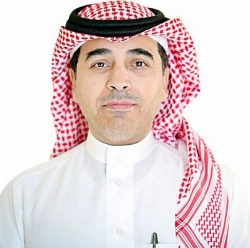
منيف الحربي
الطيران الخاص يحلّق في سماء الفرص
27 أغسطس 2025 - 01:09
|
آخر تحديث 27 أغسطس 2025 - 01:09


تابع قناة عكاظ على الواتساب
The private aviation sector in the Kingdom and the Gulf is witnessing a significant transformation during this period, as the General Authority of Civil Aviation announced the granting of a foreign operator certificate to VistaJet for domestic operations, making it the first foreign private airline allowed to operate on-demand flights within the Kingdom.
This step means opening the door to global operating models that place the local market at the heart of regional and international competition.
The private aviation market in the Kingdom is not new; Saudi Airlines has a specialized arm, Saudi Private Aviation (SPA), which has been providing management and operation services for private jets and charter flights for years. NasJet is also an important local player that has benefited from global partnerships to offer flexible travel solutions and domestic and international flights for businesspeople and high-profile clients.
With VistaJet entering the market with its "membership and flight hours" model instead of aircraft ownership, competition is taking on a new dimension that combines local expertise with global standards.
At the Gulf level, successful models have emerged as distinctive brands, such as the Emirati Royal Jet and the Qatari Qatar Executive, making the region a rapidly growing platform in the private aviation market, with forecasts indicating that the Saudi market will grow by nearly $10 billion over the next decade.
Globally, two companies remain at the forefront: the American NetJets, a leader in the concept of "fractional aircraft ownership," where the client purchases a share that grants them annual flight hours, a model that has redefined private aviation for decades, alongside Flexjet, a European-American company offering fractional ownership and memberships between Europe and America, with a luxurious fleet and meticulous service experience, both of which are the largest in this field worldwide.
Private aviation may seem like a luxury far removed from the average citizen, but in reality, it raises competitiveness, attracts investments to airports and infrastructure, and provides jobs in maintenance, ground services, catering, and training, opening doors for Saudi youth in a vital and evolving sector. Additionally, enhancing the private aviation network supports tourism and facilitates access for delegations to major projects such as NEOM, AlUla, and the Red Sea.
The average citizen may also benefit in the future from the concept of shared charter flights, where they can purchase a single seat on a private flight instead of renting the entire aircraft.
Today, a new map of private aviation is forming in the region, a map that translates Vision 2030 into building an integrated system that makes the Kingdom a global hub for connecting continents, affirming that Saudi Arabia is a land of opportunities in both earth and sky.
This step means opening the door to global operating models that place the local market at the heart of regional and international competition.
The private aviation market in the Kingdom is not new; Saudi Airlines has a specialized arm, Saudi Private Aviation (SPA), which has been providing management and operation services for private jets and charter flights for years. NasJet is also an important local player that has benefited from global partnerships to offer flexible travel solutions and domestic and international flights for businesspeople and high-profile clients.
With VistaJet entering the market with its "membership and flight hours" model instead of aircraft ownership, competition is taking on a new dimension that combines local expertise with global standards.
At the Gulf level, successful models have emerged as distinctive brands, such as the Emirati Royal Jet and the Qatari Qatar Executive, making the region a rapidly growing platform in the private aviation market, with forecasts indicating that the Saudi market will grow by nearly $10 billion over the next decade.
Globally, two companies remain at the forefront: the American NetJets, a leader in the concept of "fractional aircraft ownership," where the client purchases a share that grants them annual flight hours, a model that has redefined private aviation for decades, alongside Flexjet, a European-American company offering fractional ownership and memberships between Europe and America, with a luxurious fleet and meticulous service experience, both of which are the largest in this field worldwide.
Private aviation may seem like a luxury far removed from the average citizen, but in reality, it raises competitiveness, attracts investments to airports and infrastructure, and provides jobs in maintenance, ground services, catering, and training, opening doors for Saudi youth in a vital and evolving sector. Additionally, enhancing the private aviation network supports tourism and facilitates access for delegations to major projects such as NEOM, AlUla, and the Red Sea.
The average citizen may also benefit in the future from the concept of shared charter flights, where they can purchase a single seat on a private flight instead of renting the entire aircraft.
Today, a new map of private aviation is forming in the region, a map that translates Vision 2030 into building an integrated system that makes the Kingdom a global hub for connecting continents, affirming that Saudi Arabia is a land of opportunities in both earth and sky.