كتبت مراراً عن معايير تحضر الأمم، التي من أهم مقوماتها تآزر مجتمعاتها، وتكافل شعوبها، ونشر ثقافة (التطوع) والبذل والعطاء كمبدأ إنساني مجتمعي أساسي.
في خطوة رمزية لافتة تُكرّس قيمة العطاء في الوجدان العام، تبرّع الأمير محمد بن سلمان بالدم يوم الخميس الماضي 21/8/2025، وأطلق سموه الحملة الوطنية للتبرع بالدم، في رسالة عملية مفادها أن التطوّع ليس ترفاً، بل بنية تحتية أخلاقية وصحية لأي مجتمع يسعى إلى الرُّقي، ومبادرة تستهدف رفع الوعي بالتبرع الطوعي وتحقيق الاكتفاء الوطني من الدم ومكوّناته لضمان إمدادات آمنة ومستدامة تُلبي احتياجات المرضى في أنحاء المملكة، فالتجارب العالمية تؤكد أن منظومات التطوع الفاعلة تُقلل فجوات الوصول إلى الرعاية الصحية، وتزيد قدرة المستشفيات على الاستجابة لحالات الطوارئ والعمليات الكبرى كمعيار الأمان والاستدامة والاكتفاء.
داخلياً، تشير المعطيات إلى زخم مجتمعي متنامٍ: فقد تجاوز عدد المتبرعين بالدم في المملكة 800 ألف متبرع خلال عام 2024، وهو رقم يؤشر إلى قاعدة مشاركة واسعة يمكن أن تتحول -بفعل التحفيز المؤسسي- إلى ثقافة راسخة ودائمة. ومع إطلاق الحملة الجديدة، تُعلن وزارة الصحة جاهزية 185 مركزاً معتمداً للتبرع بالدم؛ ما يعني أن الرغبة الفردية بالعطاء باتت تلتقي مع بنية استقبال وخدمات آمنة عالية الجودة.
على مستوى الرسالة العامة، ينسجم هذا التوجّه مع رؤى بناء مجتمع حيّ يتشارك المسؤولية ويجعل «الواجب الإنساني» ممارسة يومية، فاستدعاء القيم المدنية كالإيثار والانضباط والإحسان في مبادرات صحية جماهيرية، يرفع منسوب الثقة الاجتماعية ويعجّل بتحقيق الاكتفاء الذاتي، وهو هدف صرّحت به الحملة بوضوح: رفع نسبة التبرع الطوعي إلى 100% من إجمالي المتبرعين بوصفه معياراً للتحضّر المؤسسي. وفي السياق ذاته، وحين نتصفح أي ملف لأي برنامج من برامج الرؤية 2030 كبرنامج (جودة الحياة)، سوف نجد أن هناك مساحة واسعة لبث ثقافة التطوع المؤسسي والفردي بين أبناء المجتمع.
تحمل بادرة ولي العهد دلالة قيادية؛ القدوة تُحرّك السلوك العام، والقيادة قدوة حين يتقدّم رأس الهرم بالعمل التطوعي والإيثار من وريده إلى وريد المواطن، فيختصر المسافة بين «الرسالة» و«الاستجابة»، ويتحوّل الخطاب إلى مشاركة ملموسة من أفراد ومؤسسات وهيئات، وهو ما انعكس سريعاً في تفاعل جهات حكومية ومجتمعية واتساع رقعة الحملات الميدانية.
أخيراً.. في المجتمعات المتحضّرة، يُقاس التطوّر بقدرة الدولة والمجتمع على تحويل القيم إلى نظم مستدامة. والتبرّع بالدم -بهويته التطوعية- يمثل نقطة التقاء نادرة بين الأخلاقي والعملي؛ فهو فعل إنساني يُنقذ حياة، وسياسة عامة تُحصّن النظام الصحي، ومؤشر مدني على نضج المجتمع وثقته بذاته. ومن هنا، تبدو الحملة الوطنية أكثر من حدثٍ ظرفي؛ إنها تأسيس لثقافة عطاءٍ ممتدة، تتغذى من القدوة وتستند إلى مؤسسات جاهزة، وتفتح أمام كل مواطن فرصة بسيطة لكنها فارقة: أن يمنح حياةً لغيره بقطرات دم.
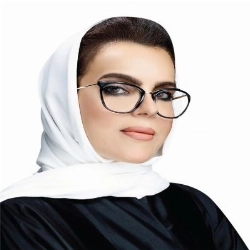
هيلة المشوح
حين يتحوّل العطاء إلى منظومة وطنية
26 أغسطس 2025 - 00:02
|
آخر تحديث 26 أغسطس 2025 - 00:02


تابع قناة عكاظ على الواتساب
I have written repeatedly about the criteria for the advancement of nations, which include the solidarity of their communities, the mutual support of their people, and the promotion of a culture of (volunteering) and giving as a fundamental human and societal principle.
In a striking symbolic step that reinforces the value of giving in the public consciousness, Prince Mohammed bin Salman donated blood last Thursday, 21/8/2025, and His Highness launched the national blood donation campaign, sending a practical message that volunteering is not a luxury, but an ethical and health infrastructure for any society striving for progress. This initiative aims to raise awareness about voluntary donation and achieve national self-sufficiency in blood and its components to ensure safe and sustainable supplies that meet the needs of patients across the Kingdom. Global experiences confirm that effective volunteering systems reduce gaps in access to healthcare and enhance hospitals' capacity to respond to emergencies and major surgeries as a standard of safety, sustainability, and self-sufficiency.
Internally, data indicates a growing community momentum: the number of blood donors in the Kingdom exceeded 800,000 in 2024, a figure that points to a broad participation base that can transform—through institutional motivation—into a solid and lasting culture. With the launch of the new campaign, the Ministry of Health announces the readiness of 185 accredited blood donation centers; this means that individual willingness to give is now aligned with a structure for receiving and high-quality safe services.
At the level of the overall message, this approach aligns with visions for building a vibrant community that shares responsibility and makes "human duty" a daily practice. Invoking civic values such as altruism, discipline, and kindness in mass health initiatives raises the level of social trust and accelerates the achievement of self-sufficiency, which is a goal clearly stated by the campaign: to raise the percentage of voluntary donations to 100% of total donors as a standard for institutional advancement. In this context, when we browse any file of any program from Vision 2030, such as the (Quality of Life) program, we will find ample space to instill the culture of both institutional and individual volunteering among community members.
The initiative of the Crown Prince carries a leadership significance; role models drive public behavior, and leadership is a role model when the head of the pyramid engages in voluntary work and altruism, bridging the gap between "the message" and "the response," transforming the discourse into tangible participation from individuals, institutions, and organizations, which has quickly reflected in the interaction of governmental and community entities and the expansion of field campaigns.
Finally, in advanced societies, development is measured by the ability of the state and society to transform values into sustainable systems. Blood donation—by its voluntary identity—represents a rare intersection between the ethical and the practical; it is a humanitarian act that saves lives, a public policy that strengthens the health system, and a civic indicator of the maturity of society and its self-confidence. From this perspective, the national campaign appears to be more than just a circumstantial event; it is the foundation for an extended culture of giving, nourished by role models and supported by ready institutions, opening up for every citizen a simple yet significant opportunity: to give life to others with drops of blood.
In a striking symbolic step that reinforces the value of giving in the public consciousness, Prince Mohammed bin Salman donated blood last Thursday, 21/8/2025, and His Highness launched the national blood donation campaign, sending a practical message that volunteering is not a luxury, but an ethical and health infrastructure for any society striving for progress. This initiative aims to raise awareness about voluntary donation and achieve national self-sufficiency in blood and its components to ensure safe and sustainable supplies that meet the needs of patients across the Kingdom. Global experiences confirm that effective volunteering systems reduce gaps in access to healthcare and enhance hospitals' capacity to respond to emergencies and major surgeries as a standard of safety, sustainability, and self-sufficiency.
Internally, data indicates a growing community momentum: the number of blood donors in the Kingdom exceeded 800,000 in 2024, a figure that points to a broad participation base that can transform—through institutional motivation—into a solid and lasting culture. With the launch of the new campaign, the Ministry of Health announces the readiness of 185 accredited blood donation centers; this means that individual willingness to give is now aligned with a structure for receiving and high-quality safe services.
At the level of the overall message, this approach aligns with visions for building a vibrant community that shares responsibility and makes "human duty" a daily practice. Invoking civic values such as altruism, discipline, and kindness in mass health initiatives raises the level of social trust and accelerates the achievement of self-sufficiency, which is a goal clearly stated by the campaign: to raise the percentage of voluntary donations to 100% of total donors as a standard for institutional advancement. In this context, when we browse any file of any program from Vision 2030, such as the (Quality of Life) program, we will find ample space to instill the culture of both institutional and individual volunteering among community members.
The initiative of the Crown Prince carries a leadership significance; role models drive public behavior, and leadership is a role model when the head of the pyramid engages in voluntary work and altruism, bridging the gap between "the message" and "the response," transforming the discourse into tangible participation from individuals, institutions, and organizations, which has quickly reflected in the interaction of governmental and community entities and the expansion of field campaigns.
Finally, in advanced societies, development is measured by the ability of the state and society to transform values into sustainable systems. Blood donation—by its voluntary identity—represents a rare intersection between the ethical and the practical; it is a humanitarian act that saves lives, a public policy that strengthens the health system, and a civic indicator of the maturity of society and its self-confidence. From this perspective, the national campaign appears to be more than just a circumstantial event; it is the foundation for an extended culture of giving, nourished by role models and supported by ready institutions, opening up for every citizen a simple yet significant opportunity: to give life to others with drops of blood.