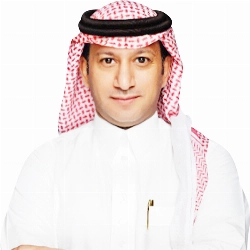
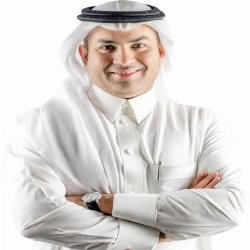
عنوان استعرته من عنوان مقال قرأته في مجلة النيوزويك الأمريكية لمعالي الدكتور ماجد إبراهيم الفياض عن دور رؤية المملكة وقدرتها على تحريك الساكن في مجال الذكاء الاصطناعي كتبه عن تجربة يومية ومعايشة واقعية، معاصراً منذ البدايات تطور مفهوم العلاج التخصصي ومتطلبات التحول الصحي الذي قاده بنجاح تام ومفهومية عالية؛ كونه المسؤول عن عملية التحول الصحي لمستشفى الملك فيصل التخصصي ومركز الأبحاث، مؤكداً في مقاله أن ملامح مستقبل الرعاية الصحية تتشكل اليوم مدفوعة بالدمج غير المسبوق للربوتات والذكاء الاصطناعي، الذي أصبح واقعاً ملموساً يُعيد صياغة مفاهيم رعاية المرضى؛ نظراً لمستويات الدقة الجراحية المُتزايدة وانخفاض معدل المضاعفات.
بفضل هذه التقنيات أصبحت التدخلات المُنقذة للحياة بمساعدة الروبوت والتشخيص بمساعدة الذكاء الاصطناعي وأتمتة المستشفيات الذكية لتعزيز النتائج العلاجية وتحسين الكفاءة التشغيلية، في تقديم الرعاية الصحية.
يُعد مستشفى الملك فيصل التخصصي ومركز الأبحاث مثالاً حياً على هذا التحول، بتبوئه مكانةً رائدةً عالمياً في استخدام الروبوتات لتحسين الرعاية الصحية للمرضى.
فعمليات زراعة القلب وزراعة مضخات القلب الاصطناعية، عالية الخطورة كانت تتطلب إقامة طويلة في المستشفى، أما اليوم فقد أصبح بالإمكان إجراء عمليات زراعة القلب الروبوتية بالكامل خلال ساعتين ونصف، وتخفيض مدة إقامة المريض في العناية المُركزة من (26) يوماً إلى أربعة أيامٍ فقط، وهذا ما أرادته الرؤية وسعت إلى تحقيقه، كما حدّ من المُضاعفات وأحدث طفرة نوعية في نتائج العملية لدى المرضى.
وأسهمت الأنظمة الروبوتية في عمليات زراعة الكبد بالكامل وجراحة الأعصاب ورعاية الأطفال وعمليات زراعة البنكرياس الروبوتية واستئصال العقد اللمفاوية خلف الصفاق بطريقةٍ أكثر أمناً ونجاحاً.
شهد المستشفى التخصصي إجراء (1.127) عملية جراحية بمساعدة الروبوت خلال عام 2024، مما يؤكد كيف تحول هذا النهج من مجرد مفهوم مستقبلي إلى واقع ثوري سائد في الممارسات اليومية.
فالروبوتات ستُسطر المعايير الجديدة للرعاية الصحية ساعية لتقديم نتائجَ فائقةٍ للمرضى الذين يُواجهون مُختلف التحديات الصحية، وحلول عصرٍ جديدٍ من الطب التنبؤي والشخصي، حيث تُقدّم أدوات التشخيص المدعومة بالذكاء الاصطناعي نتائجٍ أسرع بنسبة (20٪)، مما يحد من إمكانية حدوث الأخطاء البشرية وتحقق مستوياتِ استجابةٍ غير مسبوقة.
تُحدث الروبوتات المدعومة بالذكاء الاصطناعي تحولاً جذرياً في مجال إعادة التأهيل والعلاج الطبيعي، واستعادة القدرة على الحركة بسرعة وفاعلية مذهلتين.
يجري العمل لتصميم روبوتات مجهرية لاستهداف الخلايا السرطانية وتوصيل الأدوية للموقع المُستهدف بدقةٍ فائقةٍ وإصلاح الأنسجة داخل الخلية، مما ينبئ بمستقبلٍ تصبح فيه روبوتات النانو عنصراً أساسياً في بروتوكولات علاج السرطان.
ضخت المملكة استثمارات بلغت قيمتها (1.5) مليار دولار في البنية التحتية للصحة الرقمية، وأنشأت نظام سجلات صحية إلكترونية وعززت قدرات الطب عن بُعد، لتعزيز الكفاءة والارتقاء بمعايير الرعاية الصحية، حتى تتبوأ المملكة مكانةً بين الدول الرائدة عالمياً في ابتكارات الرعاية الصحية الذكية.
ستُصبح الروبوتات والذكاء الاصطناعي الدعامات الرئيسة للطب الحديث، ولكن سيظل أمر تطوير المشغل لهذه التقنيات أمراً لا غنى عنه، فلا بد من استغلال هذه التقنيات الروبوتية لتعزيز الخبرات البشرية، لا لتحل محلها، مدعومة بأطر أخلاقية متينة وإجراءات مساءلة واضحة من خلال تقديم البرامج التدريبية المنظمة وتدريبات المحاكاة وورش العمل المختلفة.
انتهجت المملكة نهجاً استباقياً عبر ضخ استثمارات في مجالات الذكاء الاصطناعي والتعليم الطبي وبرامج الجراحة القائمة على المحاكاة.. ساعية إلى تأهيل الكوادر البشرية العاملة لمواجهة المستقبل من خلال تنمية قدراتها وتوسيع نطاق منح الشهادات الصحية الرقمية.
يهدف هذا النهج الذي يجمع بين الاستثمار في البنية التحتية التقنية وتطوير القدرات البشرية إلى تأهيل المملكة لتُصبح رائدة في قطاع الرعاية الصحية المعززة بالذكاء الاصطناعي مستقبلاً.
وسيكون المقياس الحقيقي للنجاح أعداد الأرواح التي ننقذها، وليس عدد العمليات المُنفَّذة.
تطرق د. عميد خالد عبدالحميد في الشرق الأوسط إلى أن السعودية تعيد ما أنتجه الفكر الإسلامي على أرض الجزيرة العربية والذي يسمى اليوم الذكاء الاصطناعي بلغة جديدة لغة رؤية ٢٠٣٠، فالذكاء الاصطناعي لم يكن مجرد هامش تقني في دفتر التحول بل كان أحد أعمدته المحورية، بدايته قوة البنية التحتية الرقمية التي شكلت الأساس لما سيأتي مثل الملف الصحي الموحد والمنصات الرقمية والربط الإلكتروني الشامل للمنشآت أدت لصناعة أرضية حقيقية تُدرّب عليها الخوارزميات، وتُختبر فيها أدوات الذكاء الصحي، وتُصمَّم فيها الحلول.
فالصحة لن تكون وجهة تُزار وقت المرض، بل ستكون نسيجاً ضمن الحياة اليومية كما أرادت الرؤية المباركة.
اليوم يعود هذا الذكاء ولكن بأدوات أكثر دقة، ولغة أكثر جرأة، وعقول جاهزة لتصنع لا لتستهلك.
صورة تدل على المستقبل الذي يصُنع في وطني في عهده الجديد حاملاً البشرى برؤية فتحت الباب، ورسمت الطريق نحو المستقبل، والبحث عن «جودة الحياة» على إيقاع الرؤية.
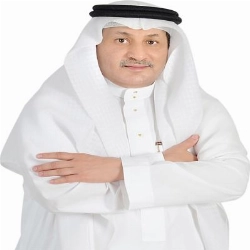
نجيب يماني
الروبوتات في الرعاية الصحية عصر جديد من الدقة..
25 أغسطس 2025 - 00:15
|
آخر تحديث 25 أغسطس 2025 - 00:15


تابع قناة عكاظ على الواتساب
The title I borrowed from an article I read in the American Newsweek magazine by His Excellency Dr. Majid Ibrahim Al-Fayyad about the role of the Kingdom's vision and its ability to move the stagnant in the field of artificial intelligence was written based on daily experience and real-life engagement, being contemporary since the beginnings of the evolution of the concept of specialized treatment and the requirements of health transformation that he successfully led with high understanding; as he is responsible for the health transformation process at King Faisal Specialist Hospital and Research Center, confirming in his article that the features of the future of healthcare are being shaped today, driven by the unprecedented integration of robots and artificial intelligence, which has become a tangible reality that is reshaping patient care concepts; due to the increasing levels of surgical precision and the reduction in complication rates.
Thanks to these technologies, life-saving interventions with robotic assistance, AI-assisted diagnostics, and smart hospital automation have enhanced therapeutic outcomes and improved operational efficiency in providing healthcare.
King Faisal Specialist Hospital and Research Center is a living example of this transformation, holding a leading global position in using robots to improve patient healthcare.
Heart transplant surgeries and the implantation of artificial heart pumps, which were high-risk procedures requiring long hospital stays, can now be performed entirely robotically within two and a half hours, reducing the patient's stay in intensive care from 26 days to just four days, which is what the vision aimed for and sought to achieve, as it limited complications and brought about a qualitative leap in surgical outcomes for patients.
Robotic systems have contributed to fully robotic liver transplants, neurosurgery, pediatric care, and robotic pancreas transplants, and retroperitoneal lymph node dissections in a safer and more successful manner.
The specialized hospital witnessed the performance of 1,127 robotic-assisted surgeries in 2024, confirming how this approach has transformed from a mere futuristic concept into a prevailing revolutionary reality in daily practices.
Robots will set new standards for healthcare, striving to deliver superior outcomes for patients facing various health challenges, and ushering in a new era of predictive and personalized medicine, where AI-supported diagnostic tools provide results 20% faster, reducing the possibility of human error and achieving unprecedented levels of responsiveness.
AI-supported robots are bringing about a radical transformation in the field of rehabilitation and physical therapy, enabling the recovery of mobility with astonishing speed and effectiveness.
Efforts are underway to design microscopic robots to target cancer cells and deliver drugs to the targeted site with extreme precision, and to repair tissues within the cell, heralding a future where nanorobots become a fundamental element in cancer treatment protocols.
The Kingdom has injected investments amounting to $1.5 billion into digital health infrastructure, established an electronic health record system, and enhanced telemedicine capabilities to improve efficiency and elevate healthcare standards, so that the Kingdom can take a place among the world’s leading countries in smart healthcare innovations.
Robots and artificial intelligence will become the main pillars of modern medicine, but the development of the operator for these technologies will remain indispensable; it is essential to leverage these robotic technologies to enhance human expertise, not replace it, supported by robust ethical frameworks and clear accountability procedures through organized training programs, simulation training, and various workshops.
The Kingdom has adopted a proactive approach by injecting investments into artificial intelligence, medical education, and simulation-based surgery programs, aiming to qualify the workforce to face the future by developing their capabilities and expanding the scope of digital health certifications.
This approach, which combines investment in technical infrastructure and the development of human capabilities, aims to prepare the Kingdom to become a leader in the AI-enhanced healthcare sector in the future.
The true measure of success will be the number of lives we save, not the number of surgeries performed.
Dr. Dean Khaled Abdulhamid touched on the fact that Saudi Arabia is reviving what Islamic thought produced on the Arabian Peninsula, which is now called artificial intelligence in a new language, the language of Vision 2030. Artificial intelligence was not just a technical margin in the transformation ledger but was one of its pivotal pillars, beginning with the strength of the digital infrastructure that formed the foundation for what is to come, such as the unified health file, digital platforms, and comprehensive electronic connectivity of facilities, leading to the creation of a real ground for training algorithms, testing health intelligence tools, and designing solutions.
Health will not be a destination visited during illness, but will be woven into daily life as the blessed vision intended.
Today, this intelligence returns but with more precise tools, a bolder language, and minds ready to create rather than consume.
This is a picture that indicates the future being crafted in my homeland in its new era, carrying the good news of a vision that opened the door and paved the way towards the future, and the search for "quality of life" in rhythm with the vision.
Thanks to these technologies, life-saving interventions with robotic assistance, AI-assisted diagnostics, and smart hospital automation have enhanced therapeutic outcomes and improved operational efficiency in providing healthcare.
King Faisal Specialist Hospital and Research Center is a living example of this transformation, holding a leading global position in using robots to improve patient healthcare.
Heart transplant surgeries and the implantation of artificial heart pumps, which were high-risk procedures requiring long hospital stays, can now be performed entirely robotically within two and a half hours, reducing the patient's stay in intensive care from 26 days to just four days, which is what the vision aimed for and sought to achieve, as it limited complications and brought about a qualitative leap in surgical outcomes for patients.
Robotic systems have contributed to fully robotic liver transplants, neurosurgery, pediatric care, and robotic pancreas transplants, and retroperitoneal lymph node dissections in a safer and more successful manner.
The specialized hospital witnessed the performance of 1,127 robotic-assisted surgeries in 2024, confirming how this approach has transformed from a mere futuristic concept into a prevailing revolutionary reality in daily practices.
Robots will set new standards for healthcare, striving to deliver superior outcomes for patients facing various health challenges, and ushering in a new era of predictive and personalized medicine, where AI-supported diagnostic tools provide results 20% faster, reducing the possibility of human error and achieving unprecedented levels of responsiveness.
AI-supported robots are bringing about a radical transformation in the field of rehabilitation and physical therapy, enabling the recovery of mobility with astonishing speed and effectiveness.
Efforts are underway to design microscopic robots to target cancer cells and deliver drugs to the targeted site with extreme precision, and to repair tissues within the cell, heralding a future where nanorobots become a fundamental element in cancer treatment protocols.
The Kingdom has injected investments amounting to $1.5 billion into digital health infrastructure, established an electronic health record system, and enhanced telemedicine capabilities to improve efficiency and elevate healthcare standards, so that the Kingdom can take a place among the world’s leading countries in smart healthcare innovations.
Robots and artificial intelligence will become the main pillars of modern medicine, but the development of the operator for these technologies will remain indispensable; it is essential to leverage these robotic technologies to enhance human expertise, not replace it, supported by robust ethical frameworks and clear accountability procedures through organized training programs, simulation training, and various workshops.
The Kingdom has adopted a proactive approach by injecting investments into artificial intelligence, medical education, and simulation-based surgery programs, aiming to qualify the workforce to face the future by developing their capabilities and expanding the scope of digital health certifications.
This approach, which combines investment in technical infrastructure and the development of human capabilities, aims to prepare the Kingdom to become a leader in the AI-enhanced healthcare sector in the future.
The true measure of success will be the number of lives we save, not the number of surgeries performed.
Dr. Dean Khaled Abdulhamid touched on the fact that Saudi Arabia is reviving what Islamic thought produced on the Arabian Peninsula, which is now called artificial intelligence in a new language, the language of Vision 2030. Artificial intelligence was not just a technical margin in the transformation ledger but was one of its pivotal pillars, beginning with the strength of the digital infrastructure that formed the foundation for what is to come, such as the unified health file, digital platforms, and comprehensive electronic connectivity of facilities, leading to the creation of a real ground for training algorithms, testing health intelligence tools, and designing solutions.
Health will not be a destination visited during illness, but will be woven into daily life as the blessed vision intended.
Today, this intelligence returns but with more precise tools, a bolder language, and minds ready to create rather than consume.
This is a picture that indicates the future being crafted in my homeland in its new era, carrying the good news of a vision that opened the door and paved the way towards the future, and the search for "quality of life" in rhythm with the vision.