منظِّرو الحروب والجيوسياسية الذين تشبَّعوا بثقافة القطب الواحد، لن يعدمُوا الشرحَ والتفصيلَ عن منظورهم للأحداث في المنطقة، وعن الرد الأمثل على العدوان الإسرائيلي. وبعيداً عن القراءات السطحية والمغالطات والمصالح الشخصية، ونظراً لما تمرُّ به المنطقةُ والعالمُ، تجدرُ الإشارةُ إلى تنبيهِ المفكِّر الروسي ألكسندر دوغين -العرَّاب الأيديولوجي لمشروع التعدُّدية القطبية- إلى ما يراه فرصةً أخيرة أمام العالم الإسلامي للوقوف في وجه الهيمنة الغربية، والانخراط في بناء نظام عالمي جديد لا يُدار من قُطبٍ واحد.
يرى دوغين أن إيران -على سبيل المثال- فوتتْ على نفسها فرصةً تاريخية لتقوية تحالفها مع روسيا، فلو أن طهران أدركتْ فعلاً أنها مستهدَفةٌ بشكلٍ مباشرٍ من إسرائيل، وأن المواجهة مع الولايات المتحدة ليست احتمالاً نظرياً بل واقعة قادمة، لاتخذتْ خطواتٍ سريعةً وجذريةً نحو تعزيز شراكتها مع موسكو. ويؤكد دوغين أن روسيا كانت أكثر استعداداً لمثل هذا السيناريو من إيران نفسها، لكنه الآن يخشى أن يكون الوقت قد تأخَّر، وأن ما كان يمكن تجنُّبُه أصبح وشيكاً إن لم يكن حتمياً.
موقف روسيا -كما يشرحه دوغين- واضحٌ لا لبس فيه: فهي ضد الحرب، وضد الضربات الإسرائيلية، وضد التدخُّل الغربي في شؤون الدول ذات السيادة، وهي تقف في وجه التيار الغربي الأحادي.
ويذهب ألكسندر دوغين إلى أن الدفاع عن السيادة، والتشبث بالقيم التقليدية، والعملَ ضمن مصلحة وطنية واضحة المعالم، هو السبيلُ والطريقُ نحو عالمٍ متعدِّد الأقطاب. وقد قدَّم في كتابيه «نظرية العالم متعدِّد الأقطاب» تصوُّراً يخص العالم الإسلامي تحديداً، وقدرته على أن يتحوَّل إلى كتلة جيوسياسية مستقلة، تتبنَّى الدفاع عن السيادة الحضارية، لا السياسية فحسب.
واللافت في طرح دوغين أن إسرائيل لا تنفِّذ إستراتيجيتها بمفردها دائماً، فعندما تتعثَّر تستدعي الغربَ، والولايات المتحدةِ، والاتحاد الأوروبي ليقف إلى جانبها. وهذا الدعمُ الغربي لإسرائيل يتكرر مراراً. ويحذِّر دوغين من أن النتائج ستكون كارثية إذا لم يُعاد ترتيب الصفوف، فإما أن يولد قطبٌ إسلامي فعلي اليوم، أو ينكفئ العالم الإسلامي إلى الهامش لعقودٍ قادمة.
ويرى دوغين أن «النظام العالمي الأحادي الذي قادته الولايات المتحدة منذ انهيار الاتحاد السوفيتي يعيش لحظة احتضار، بينما تولد ملامح نظام عالمي جديد قائم على التعددية القطبية، حيث تتوزع مراكز القوة بين كيانات حضارية وثقافية متمايزة». وهنا يطرح السؤال الأكثر إلحاحاً: هل سيكون للعالم الإسلامي مقعدٌ في هذا التوازن الجديد، أم سيظل أسير التبعية والاقتتال الداخلي؟
ويؤكد دوغين أن سياسة «فرِّق تسُد» ليست مجرد سياسة، بل عقيدة غربية راسخة منذ قرون. ومن هذا المنطلق، يرى أن اللحظة الحالية ليست مناسبةً للتوحُّد فحسب، بل ضرورية وحتمية، فالفرصة قد لا تعود مرة أخرى. فإذا لم تتشكَّل كتلة إسلامية سيادية واضحة، قادرة على اتخاذ مواقف شجاعة، وتحالفات إستراتيجية خارج العباءة الغربية، فإن مصير العالم الإسلامي سيكون التهميش الكامل، وربما الزوال التدريجي كفاعل حضاري مستقل.
ونستخلص مما سبق أن الرد الأمثل يجب أن يكون:
- استراتيجياً متعدد الأدوات وذكياً.
- مع تجنُّب التصعيد العسكري المباشر الذي قد يُستخدم ذريعةً لمزيد من العدوان.
- بالتركيز على كسب المعركة السياسية والإعلامية التي قد تكون أكثر فاعلية على المدى الطويل.
- مع تعزيز الرد الدبلوماسي والحشد الدولي برفع القضية في المحافل الدولية.
- وكشف الانتهاكات الأمريكية والإسرائيلية عبر تقارير موثَّقة.
- مع تعزيز التضامن الإقليمي والاقتصاد المحلي.
- وإقامة تعاون مع دول مثل روسيا والصين لإنشاء مسارات مالية وتجارية بديلة عن النظام الغربي.
فإسرائيل خطر وجودي... فهل من مُدَّكِر؟
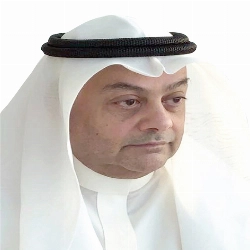
أسامة يماني
الرد الأمثل على الاستهداف الأمريكي
27 يونيو 2025 - 00:03
|
آخر تحديث 27 يونيو 2025 - 00:03


تابع قناة عكاظ على الواتساب
The theorists of wars and geopolitics who have absorbed the culture of the unipolar world will not lack the explanation and detail regarding their perspective on events in the region and the optimal response to Israeli aggression. Away from superficial readings, fallacies, and personal interests, and given what the region and the world are going through, it is worth noting the warning from Russian thinker Alexander Dugin - the ideological godfather of the multipolarity project - about what he sees as a last opportunity for the Islamic world to stand against Western hegemony and engage in building a new global system that is not managed by a single pole.
Dugin believes that Iran, for example, has missed a historic opportunity to strengthen its alliance with Russia. If Tehran had truly realized that it was being directly targeted by Israel and that confrontation with the United States is not a theoretical possibility but an impending reality, it would have taken swift and radical steps to enhance its partnership with Moscow. Dugin emphasizes that Russia was more prepared for such a scenario than Iran itself, but he now fears that it may be too late, and what could have been avoided is now imminent, if not inevitable.
Russia's position - as Dugin explains - is clear and unequivocal: it is against the war, against Israeli strikes, and against Western intervention in the affairs of sovereign states, standing against the unipolar Western current.
Alexander Dugin goes on to say that defending sovereignty, clinging to traditional values, and working within a clearly defined national interest is the way and path toward a multipolar world. In his two books "The Theory of the Multipolar World," he presented a vision specifically concerning the Islamic world and its ability to transform into an independent geopolitical bloc that adopts the defense of civilizational sovereignty, not just political sovereignty.
What is striking in Dugin's argument is that Israel does not always execute its strategy alone; when it falters, it calls upon the West, the United States, and the European Union to stand by its side. This Western support for Israel is repeated time and again. Dugin warns that the consequences will be catastrophic if the ranks are not rearranged; either a real Islamic pole is born today, or the Islamic world will retreat to the margins for decades to come.
Dugin believes that "the unipolar world order led by the United States since the collapse of the Soviet Union is experiencing a moment of dying, while the features of a new world order based on multipolarity are emerging, where centers of power are distributed among distinct civilizational and cultural entities." Here arises the most pressing question: Will the Islamic world have a seat at this new balance, or will it remain a prisoner of dependency and internal conflict?
Dugin asserts that the policy of "divide and conquer" is not just a policy but a firmly established Western doctrine for centuries. From this standpoint, he sees that the current moment is not only suitable for unity but is necessary and inevitable; the opportunity may not return again. If a clear sovereign Islamic bloc is not formed, capable of taking courageous positions and strategic alliances outside the Western umbrella, the fate of the Islamic world will be complete marginalization, and perhaps gradual disappearance as an independent civilizational actor.
From the above, we conclude that the optimal response must be:
- Strategic, multifaceted, and intelligent.
- Avoiding direct military escalation that could be used as a pretext for further aggression.
- Focusing on winning the political and media battle, which may be more effective in the long term.
- Strengthening diplomatic responses and international mobilization by raising the issue in international forums.
- Exposing American and Israeli violations through documented reports.
- Enhancing regional solidarity and local economy.
- Establishing cooperation with countries like Russia and China to create financial and trade pathways alternative to the Western system.
Israel is an existential threat... so is there anyone who will take heed?
Dugin believes that Iran, for example, has missed a historic opportunity to strengthen its alliance with Russia. If Tehran had truly realized that it was being directly targeted by Israel and that confrontation with the United States is not a theoretical possibility but an impending reality, it would have taken swift and radical steps to enhance its partnership with Moscow. Dugin emphasizes that Russia was more prepared for such a scenario than Iran itself, but he now fears that it may be too late, and what could have been avoided is now imminent, if not inevitable.
Russia's position - as Dugin explains - is clear and unequivocal: it is against the war, against Israeli strikes, and against Western intervention in the affairs of sovereign states, standing against the unipolar Western current.
Alexander Dugin goes on to say that defending sovereignty, clinging to traditional values, and working within a clearly defined national interest is the way and path toward a multipolar world. In his two books "The Theory of the Multipolar World," he presented a vision specifically concerning the Islamic world and its ability to transform into an independent geopolitical bloc that adopts the defense of civilizational sovereignty, not just political sovereignty.
What is striking in Dugin's argument is that Israel does not always execute its strategy alone; when it falters, it calls upon the West, the United States, and the European Union to stand by its side. This Western support for Israel is repeated time and again. Dugin warns that the consequences will be catastrophic if the ranks are not rearranged; either a real Islamic pole is born today, or the Islamic world will retreat to the margins for decades to come.
Dugin believes that "the unipolar world order led by the United States since the collapse of the Soviet Union is experiencing a moment of dying, while the features of a new world order based on multipolarity are emerging, where centers of power are distributed among distinct civilizational and cultural entities." Here arises the most pressing question: Will the Islamic world have a seat at this new balance, or will it remain a prisoner of dependency and internal conflict?
Dugin asserts that the policy of "divide and conquer" is not just a policy but a firmly established Western doctrine for centuries. From this standpoint, he sees that the current moment is not only suitable for unity but is necessary and inevitable; the opportunity may not return again. If a clear sovereign Islamic bloc is not formed, capable of taking courageous positions and strategic alliances outside the Western umbrella, the fate of the Islamic world will be complete marginalization, and perhaps gradual disappearance as an independent civilizational actor.
From the above, we conclude that the optimal response must be:
- Strategic, multifaceted, and intelligent.
- Avoiding direct military escalation that could be used as a pretext for further aggression.
- Focusing on winning the political and media battle, which may be more effective in the long term.
- Strengthening diplomatic responses and international mobilization by raising the issue in international forums.
- Exposing American and Israeli violations through documented reports.
- Enhancing regional solidarity and local economy.
- Establishing cooperation with countries like Russia and China to create financial and trade pathways alternative to the Western system.
Israel is an existential threat... so is there anyone who will take heed?