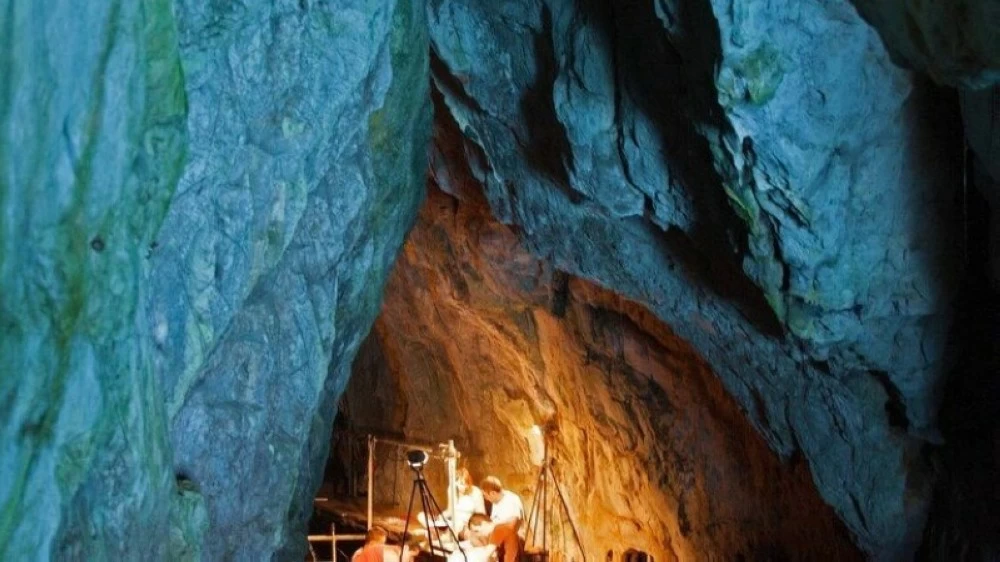
أثار اكتشاف أثري جديد في مجمع كهف غورام بجبل طارق دهشة علماء الآثار حول العالم، بعد الكشف عن غرفة سرية داخل كهف فانغارد، ظلت مغلقة ومعزولة تماماً لمدة لا تقل عن 40 ألف عام، في اكتشاف وصفه الباحثون بأنه «كبسولة زمنية نادرة» قد تعيد رسم فهم تاريخ البشرية وتغير الرواية عن انقراض إنسان النياندرتال.
وأعلن متحف جبل طارق الوطني، بقيادة البروفيسور كلايف فينلايسون مدير المتحف وكبير العلماء، أن الغرفة الجديدة بطول نحو 13 متراً تم اكتشافها خلال أعمال مسح مستمرة منذ 2012، عندما لاحظ الفريق رواسب رملية ناعمة في الجدار الخلفي للكهف، فوسعوا الفجوة ليكتشفوا مساحة لم يدخلها أحد منذ العصر الحجري القديم.
بقايا حيوانات مفترسة
ووجد الفريق البحثي داخل الغرفة المغلقة بقايا حيوانات مفترسة نادرة في سياق كهفي، عظام وشق، ضبع مرقط، نسور، إضافة إلى قوقعة حلزون بحري كبيرة نقلها «إنسان نياندرتال» إلى عمق الكهف على نحو 20 متراً من الشاطئ، ما يشير إلى نشاط بشري متعمد واستخدام موارد بحرية بعيدة.
وأشار العلماء إلى أن الرمال التي سدت الغرفة مؤرخة بنحو 40 ألف عام، ما يؤكد أن الغرفة أقدم وأن «النياندرتال» هم من استخدموها.
ويُعد مجمع كهف غورام موقع تراث عالمياً لليونسكو منذ 2016، ويُعتبر أحد آخر معاقل «إنسان النياندرتال» على الأرض، حيث شهد جبل طارق اكتشاف أول جمجمة «نياندرتال» في التاريخ عام 1848، وكان يُعتقد سابقاً أن «النياندرتال» انقرضوا من المنطقة قبل نحو 42 ألف عام.
آخر معاقل «إنسان النياندرتال»
لكن الأدلة المتزايدة في غورام من أدوات حجرية، ونقش صخري يعود لأكثر من 39 ألف عام، ودلائل على صيد الأختام، وتزيين بالريش، وحتى استخدام النار، تشير إلى أن بعض المجموعات استمرت في العيش هناك حتى 33-24 ألف عام مضت، أي بعد آلاف السنين من انقراضهم في معظم أوروبا.
ويعزز هذا الاكتشاف الجديد الذي أُعلن عن تفاصيله المحدثة في يناير الجاري فكرة أن شبه الجزيرة الإيبيرية وخصوصاً جبل طارق كانت ملاذاً أخيراً لـ«النياندرتال»، بفضل مناخها المعتدل وتنوع مواردها البحرية والبرية، ما يدفع العلماء لإعادة تقييم توقيت وأسباب انقراض هذا النوع البشري القريب منا.
The discovery of a new archaeological site in the Gorham Cave complex at Gibraltar has astonished archaeologists around the world, following the revelation of a secret chamber inside Vanguard Cave that has remained completely closed and isolated for at least 40,000 years. Researchers have described this discovery as a "rare time capsule" that could reshape our understanding of human history and alter the narrative surrounding the extinction of Neanderthals.
The Gibraltar National Museum, led by Professor Clive Finlayson, the museum's director and chief scientist, announced that the new chamber, approximately 13 meters long, was discovered during ongoing survey work since 2012. The team noticed fine sandy deposits in the back wall of the cave, prompting them to widen the gap and uncover a space that had not been entered since the Paleolithic era.
Remains of Predatory Animals
The research team found rare remains of predatory animals within the sealed chamber, including bones of a hyena, a spotted hyena, and eagles, as well as a large marine snail shell that was transported by Neanderthals approximately 20 meters into the cave from the shore, indicating deliberate human activity and the use of distant marine resources.
Scientists noted that the sand that sealed the chamber is dated to about 40,000 years ago, confirming that the chamber is older and that Neanderthals were the ones who used it.
The Gorham Cave complex has been a UNESCO World Heritage site since 2016 and is considered one of the last strongholds of Neanderthals on Earth, where Gibraltar witnessed the discovery of the first Neanderthal skull in history in 1848. It was previously believed that Neanderthals went extinct in the region about 42,000 years ago.
Last Strongholds of Neanderthals
However, the increasing evidence in Gorham, including stone tools, rock engravings dating back over 39,000 years, signs of seal hunting, feather decoration, and even the use of fire, suggests that some groups continued to live there until 33,000-24,000 years ago, long after their extinction in most of Europe.
This new discovery, the details of which were updated in January, reinforces the idea that the Iberian Peninsula, especially Gibraltar, was a final refuge for Neanderthals, thanks to its mild climate and diverse marine and terrestrial resources, prompting scientists to reevaluate the timing and reasons for the extinction of this closely related human species.