تقود المملكة تحوّلاً شاملاً في كل القطاعات، والمرور ليس استثناءً، وإذا أردنا طرقاً آمنة، وقيادة سلسة، ومدناً حضارية علينا أن نثق أن الحزم المروري لم يعد خياراً... بل ضرورة وطنية لحماية حاضرنا ومستقبلنا.
على مدى السنوات الماضية، شهدت المملكة العربية السعودية نقلة نوعية في تنظيم المشهد المروري، بفضل أنظمة ذكية وتشريعات صارمة ساهمت في خفض معدلات الحوادث، وتقليص الخسائر البشرية والمادية. ولا شك أن نظام «ساهر» ومبادرات المرور الإلكترونية لعبت دوراً محورياً في هذا التغيير، وغيّرت كثيراً من السلوكيات الخاطئة التي كانت شائعة، حتى أصبحت ثقافة «الالتزام بالسرعة» و«احترام الإشارة» «وربط حزام الأمان» واقعاً ملموساً بعد أن كانت استثناءً، ولكن الأخطاء لا تزال قائمة وتنبهنا إلى أن المشوار لم يكتمل، وأننا بحاجة إلى المزيد من تفعيل الأنظمة الهامة والصارمة التي لا تهادن لتصفير التجاوزات المرورية وقطع السبيل أمام سلوكيات اللامبالاة التي يصادفها السائق الملتزم مقابل سائق متهور يعرف مواطن الخلل ويستغلها إما بالتخبط بين المسارات أو الاصطفاف الخاطئ عند الإشارات وإغلاق الطريق (يمين) أو السير على الهوامش ومثلثات الطريق وغيرها من التجاوزات التي تستحق وقفة مرورية صارمة.
لقد برهنت التجربة للسنوات الخمس عشرة الماضية ومنذ بدء تشغيل نظام ساهر في 19 أبريل 2010 أن الحزم في تطبيق الأنظمة لا يؤدي إلى تقييد حركة السائق، بل إلى حماية الأرواح. فعشرات الأرواح التي كانت تُزهق بسبب تهور البعض أو تجاوزهم للقانون، أصبحت تُنقذ اليوم بفضل كاميرات ساهر.
نعم؛ نحتاج اليوم وفي ظل هذه المتغيرات على الطرق إلى أن يشعر السائق أن النظام لا يترصده، بل يحميه، وأن يدرك أن الكاميرا التي تلتقط مخالفته اليوم قد تكون السبب في نجاته أو نجاة غيره غداً. نحتاج إلى أن يتحوّل الالتزام إلى ثقافة جماعية، لا خوفاً من الغرامة، بل احتراماً للحياة، أليس كذلك؟

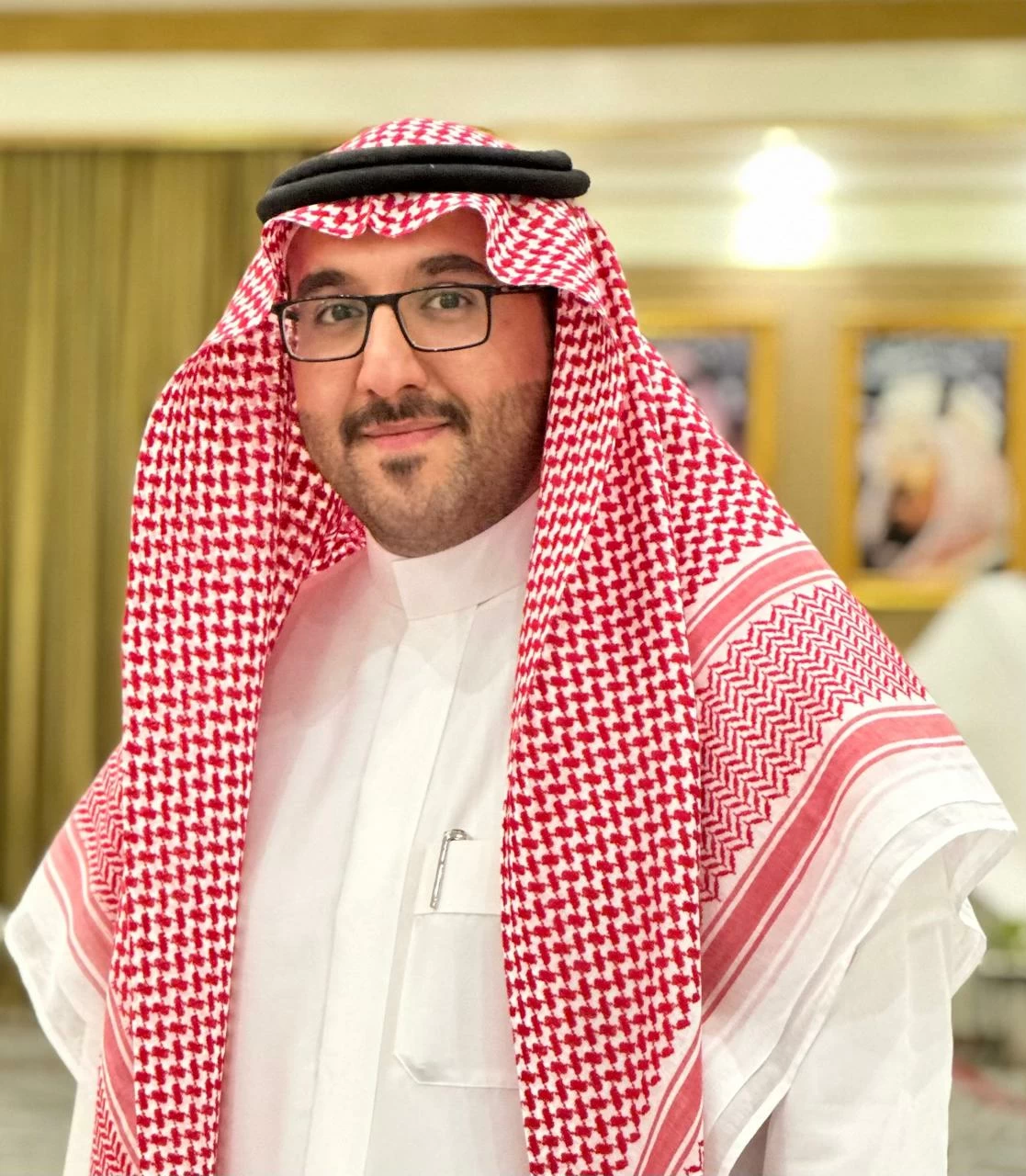
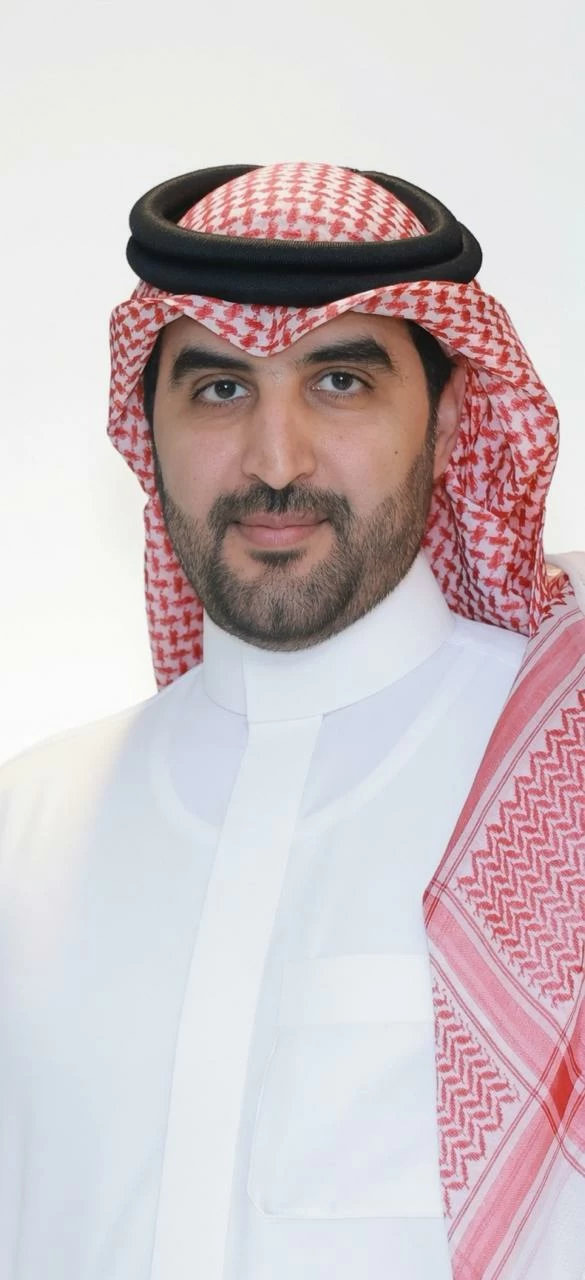
هيلة المشوح
الصرامة المرورية.. حماية لا تضييق!
24 يونيو 2025 - 00:10
|
آخر تحديث 1 يوليو 2025 - 01:24


تابع قناة عكاظ على الواتساب
The Kingdom is leading a comprehensive transformation across all sectors, and traffic is no exception. If we want safe roads, smooth driving, and civilized cities, we must trust that traffic enforcement is no longer an option... but a national necessity to protect our present and future.
Over the past years, the Kingdom of Saudi Arabia has witnessed a qualitative leap in organizing the traffic scene, thanks to smart systems and strict regulations that have contributed to reducing accident rates and minimizing human and material losses. There is no doubt that the "Saher" system and electronic traffic initiatives have played a pivotal role in this change, altering many of the wrong behaviors that were common, to the point where the culture of "adhering to speed limits," "respecting traffic signals," and "wearing seat belts" has become a tangible reality rather than an exception. However, mistakes still exist, reminding us that the journey is not complete and that we need to further activate important and strict systems that do not compromise in order to eliminate traffic violations and curb the indifference behaviors encountered by the committed driver compared to a reckless driver who knows the loopholes and exploits them, whether by zigzagging between lanes, incorrectly stopping at signals and blocking the road (to the right), or driving on the shoulders and road triangles, among other violations that deserve strict traffic enforcement.
The experience of the past fifteen years since the launch of the Saher system on April 19, 2010, has proven that strict enforcement of regulations does not restrict driver movement but rather protects lives. Dozens of lives that were lost due to the recklessness of some or their violation of the law are now being saved thanks to Saher cameras.
Yes; today, in light of these changes on the roads, we need drivers to feel that the system is not watching them but protecting them, and to realize that the camera capturing their violation today may be the reason for their survival or the survival of others tomorrow. We need commitment to transform into a collective culture, not out of fear of fines, but out of respect for life, don’t you think?
Over the past years, the Kingdom of Saudi Arabia has witnessed a qualitative leap in organizing the traffic scene, thanks to smart systems and strict regulations that have contributed to reducing accident rates and minimizing human and material losses. There is no doubt that the "Saher" system and electronic traffic initiatives have played a pivotal role in this change, altering many of the wrong behaviors that were common, to the point where the culture of "adhering to speed limits," "respecting traffic signals," and "wearing seat belts" has become a tangible reality rather than an exception. However, mistakes still exist, reminding us that the journey is not complete and that we need to further activate important and strict systems that do not compromise in order to eliminate traffic violations and curb the indifference behaviors encountered by the committed driver compared to a reckless driver who knows the loopholes and exploits them, whether by zigzagging between lanes, incorrectly stopping at signals and blocking the road (to the right), or driving on the shoulders and road triangles, among other violations that deserve strict traffic enforcement.
The experience of the past fifteen years since the launch of the Saher system on April 19, 2010, has proven that strict enforcement of regulations does not restrict driver movement but rather protects lives. Dozens of lives that were lost due to the recklessness of some or their violation of the law are now being saved thanks to Saher cameras.
Yes; today, in light of these changes on the roads, we need drivers to feel that the system is not watching them but protecting them, and to realize that the camera capturing their violation today may be the reason for their survival or the survival of others tomorrow. We need commitment to transform into a collective culture, not out of fear of fines, but out of respect for life, don’t you think?