في خضم الجدل الدائر حول مستقبل منصب الأمين العام لجامعة الدول العربية، تتعالى أصوات تتساءل عن موقف المملكة العربية السعودية من هذا الملف، وسط شائعات متداولة بلا سند رسمي..
الواقع، الذي لا تخطئه عين المراقب، هو أن «الجامعة العربية بشكلها الحالي ليست قادرة على تحقيق الحد الأدنى من التنسيق العربي، ناهيك عن قيادة الملفات الكبرى»، يقول الباحث السياسي الدكتور أسامة عبد المجيد: «ما نراه من غياب الجامعة عن ملفات غزة، سوريا، وحتى السودان، يعكس هذا الشلل المزمن».
الإحصائيات الحديثة تثبت ذلك، فوفقاً لتقرير صدر عن «مركز الدراسات العربية» عام 2024، فإن 72% من الملفات العربية الساخنة جرى التعامل معها عبر قنوات ثنائية أو إقليمية، بينما اقتصر دور الجامعة على بيانات إنشائية دون أثر عملي.
خذ على سبيل المثال أبرز الملفات الساخنة في المنطقة: مفاوضات غزة التي ترعاها مصر وقطر، التوافق الخليجي حيال برنامج إيران النووي الذي تقوده عُمان ودول الخليج، والجهود السعودية الحثيثة لإعادة سوريا إلى محيطها العربي..
كل هذه التحركات الملموسة جرت وتُجرى خارج أسوار الجامعة، ما يعكس واقعاً صادماً: الجامعة العربية لم تعد في صدارة الملفات العربية، ولا تمثل مظلة حقيقية لحل النزاعات.
حتى القضايا المزمنة، مثل أزمة المغرب والجزائر أو الوضع في السودان، لم تجرؤ الجامعة العربية حتى على إدراجها في جدول أعمالها بجدية. هذا ما أكده تقرير صادر عن «المرصد العربي للدبلوماسية» في 2023، الذي أشار إلى أن «أكثر من 60% من القضايا الخلافية بين الدول الأعضاء لا تُبحث أصلاً في اجتماعات الجامعة».
«في كل مرة نلجأ فيها إلى الجامعة، نجد أنفسنا أمام تباين مصالح لا ينتهي، وبيانات ختامية أشبه بالقصائد، بلا أثر يُذكر»، كما يصف دبلوماسي خليجي طلب عدم ذكر اسمه.
إزاء هذا المشهد، يصبح واضحاً أن السعودية لن تنشغل بمنصب الأمين العام أو تتورط في هيكلة جامعة لم تعد قادرة على الوفاء بمتطلبات المرحلة.. وهذا تحليلي الشخصي وغير مبني على مصدر.. فالعمل العربي المشترك اليوم يحتاج إلى أطر أكثر مرونة وفاعلية، تتجاوز الشعارات والمجاملات الدبلوماسية.
السعودية وغيرها من الدول العربية الفاعلة تدرك أن وقت «إعادة الروح» لمثل هذه الهياكل قد ولّى، وأن ما يهم حقاً هو بناء شراكات حقيقية ومؤثرة خارج هذه المنظومة المتعثرة.
الأكيد أيضاً، أن المملكة تواصل انتهاج سياسة تقوم على الواقعية والبراغماتية، بعيداً عن التورط في خلافات وهمية أو إرثٍ بيروقراطي بلا جدوى.. لذا، فإن أي حديث عن اهتمام سعودي بمنصب الأمين العام للجامعة، ما لم يصدر في بيان رسمي، لا يعدو كونه تكهنات عابرة لن تؤثر في مسار الأحداث.
في زمن عربي شديد الاضطراب والتبدل، أصبحت المسؤولية التاريخية أن نعيد النظر بجرأة في جدوى الجامعة العربية، وأن نعترف بلا تردد: بأن الحلول الحقيقية لن تأتي من جامعة فقدت القدرة على الفعل، بل من الدول العربية نفسها، بتحركاتها المباشرة وإرادتها المستقلة..
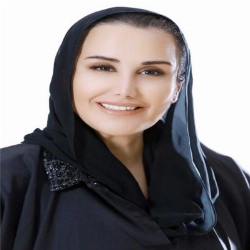
وفاء الرشيد
الجامعة العربية.. إرثٌ مثقل وصوتٌ غائب
10 يونيو 2025 - 00:06
|
آخر تحديث 10 يونيو 2025 - 00:06


تابع قناة عكاظ على الواتساب
In the midst of the ongoing debate about the future of the Secretary-General position of the Arab League, voices are rising questioning the stance of the Kingdom of Saudi Arabia on this issue, amidst circulating rumors without official backing..
The reality, which is unmistakable to any observer, is that "the Arab League in its current form is not capable of achieving even the minimum level of Arab coordination, let alone leading major files," says political researcher Dr. Osama Abdel Majid: "What we see in the absence of the League from the files of Gaza, Syria, and even Sudan reflects this chronic paralysis."
Recent statistics prove this, as according to a report issued by the "Arab Studies Center" in 2024, 72% of the hot Arab files were dealt with through bilateral or regional channels, while the League's role was limited to rhetorical statements without practical impact.
Take, for example, the most prominent hot files in the region: the Gaza negotiations sponsored by Egypt and Qatar, the Gulf consensus regarding Iran's nuclear program led by Oman and the Gulf states, and the Saudi efforts to reintegrate Syria into its Arab surroundings..
All these tangible movements took place and are taking place outside the walls of the League, reflecting a shocking reality: the Arab League is no longer at the forefront of Arab files, nor does it represent a real umbrella for resolving conflicts.
Even chronic issues, such as the Morocco-Algeria crisis or the situation in Sudan, the Arab League has not even dared to seriously include them in its agenda. This was confirmed by a report issued by the "Arab Observatory for Diplomacy" in 2023, which indicated that "more than 60% of the contentious issues between member states are not even discussed in the League's meetings."
"Every time we turn to the League, we find ourselves facing an endless divergence of interests, and final statements that resemble poetry, with little to no impact," describes a Gulf diplomat who requested anonymity.
In light of this scene, it becomes clear that Saudi Arabia will not concern itself with the Secretary-General position or get involved in restructuring a League that is no longer capable of meeting the demands of the stage.. This is my personal analysis and not based on a source.. Arab joint action today needs more flexible and effective frameworks that go beyond slogans and diplomatic niceties.
Saudi Arabia and other active Arab countries understand that the time for "reviving" such structures has passed, and what truly matters is building real and impactful partnerships outside this faltering system.
It is also certain that the Kingdom continues to pursue a policy based on realism and pragmatism, away from getting involved in fictitious disputes or a bureaucratic legacy without benefit.. Therefore, any talk about Saudi interest in the position of Secretary-General of the League, unless issued in an official statement, is nothing more than fleeting speculation that will not affect the course of events.
In a time of great Arab turmoil and change, the historical responsibility is to boldly reconsider the usefulness of the Arab League, and to acknowledge without hesitation: that real solutions will not come from a League that has lost its ability to act, but from the Arab states themselves, through their direct movements and independent will..
The reality, which is unmistakable to any observer, is that "the Arab League in its current form is not capable of achieving even the minimum level of Arab coordination, let alone leading major files," says political researcher Dr. Osama Abdel Majid: "What we see in the absence of the League from the files of Gaza, Syria, and even Sudan reflects this chronic paralysis."
Recent statistics prove this, as according to a report issued by the "Arab Studies Center" in 2024, 72% of the hot Arab files were dealt with through bilateral or regional channels, while the League's role was limited to rhetorical statements without practical impact.
Take, for example, the most prominent hot files in the region: the Gaza negotiations sponsored by Egypt and Qatar, the Gulf consensus regarding Iran's nuclear program led by Oman and the Gulf states, and the Saudi efforts to reintegrate Syria into its Arab surroundings..
All these tangible movements took place and are taking place outside the walls of the League, reflecting a shocking reality: the Arab League is no longer at the forefront of Arab files, nor does it represent a real umbrella for resolving conflicts.
Even chronic issues, such as the Morocco-Algeria crisis or the situation in Sudan, the Arab League has not even dared to seriously include them in its agenda. This was confirmed by a report issued by the "Arab Observatory for Diplomacy" in 2023, which indicated that "more than 60% of the contentious issues between member states are not even discussed in the League's meetings."
"Every time we turn to the League, we find ourselves facing an endless divergence of interests, and final statements that resemble poetry, with little to no impact," describes a Gulf diplomat who requested anonymity.
In light of this scene, it becomes clear that Saudi Arabia will not concern itself with the Secretary-General position or get involved in restructuring a League that is no longer capable of meeting the demands of the stage.. This is my personal analysis and not based on a source.. Arab joint action today needs more flexible and effective frameworks that go beyond slogans and diplomatic niceties.
Saudi Arabia and other active Arab countries understand that the time for "reviving" such structures has passed, and what truly matters is building real and impactful partnerships outside this faltering system.
It is also certain that the Kingdom continues to pursue a policy based on realism and pragmatism, away from getting involved in fictitious disputes or a bureaucratic legacy without benefit.. Therefore, any talk about Saudi interest in the position of Secretary-General of the League, unless issued in an official statement, is nothing more than fleeting speculation that will not affect the course of events.
In a time of great Arab turmoil and change, the historical responsibility is to boldly reconsider the usefulness of the Arab League, and to acknowledge without hesitation: that real solutions will not come from a League that has lost its ability to act, but from the Arab states themselves, through their direct movements and independent will..