طوّر الباحث الأدبي إدوارد سعيد مفهوم الاستشراق، الذي عرّفه في كتابه الرائد «الاستشراق» (1978) بأنه «المؤسسة الجامعة للتعامل مع الشرق، التعامل معه من خلال إصدار بيانات عنه، وإقرار وجهات نظر عنه، ووصفه، وتعليمه، والسيطرة عليه: باختصار، الاستشراق أسلوب غربي للسيطرة على الشرق، وإعادة هيكلته». انطلاقًا من قراءة متأنية لأعمال سعيد والاستجابات العلمية والشعبية التي أسفرت عنها، قادنا استكشافنا للاستشراق التقني من خلال الأعمال الفنية القائمة على الذكاء الاصطناعي وتفاعلنا مع المفهوم من خلال مناقشة الذكاء الاصطناعي والأفلام والسياسة والثقافة والإعلام إلى استنتاجات رئيسية. أولًا، أن الاستشراق ليس مجرد إطار تاريخي يُرشدنا إلى التحقيق في التصورات والخطابات الاستعمارية للماضي، بل هو أيضًا مفهوم دائم التغير والتطور وخطاب مهيمن لا يزال وثيق الصلة بالوقت الحاضر. ثانيًا، يستحق الاستشراق التقني كإطار عمل مزيدًا من الاهتمام والدراسة، وخاصةً في مجتمعنا التكنولوجي المتطور اليوم، حيث تتغلغل قوة الخوارزميات في كل جانب من جوانب حياتنا.
من حيث المبدأ، يستخدم مُولِّد الفنون بالذكاء الاصطناعي خوارزميات التعلم الآلي والشبكات العصبية العميقة لإنشاء الأعمال الفنية. ويُستخدم عدد كبير من الأعمال الفنية الموجودة مسبقًا لتعليم هذه الخوارزميات كيفية تحديد الأنماط والأساليب التي يمكن استخدامها لإنشاء أعمال فنية جديدة، يجمع الذكاء الاصطناعي جميع الصور واللوحات والأعمال الفنية المتاحة من قاعدة بيانات، ثم يُنشئ عملًا جديدًا بناءً على طلب المستخدم. لذلك، يجمع الذكاء الاصطناعي جميع الصور التي نراها من الإنترنت، بالإضافة إلى معلومات حول كل دولة، ثم يدمجها معًا.
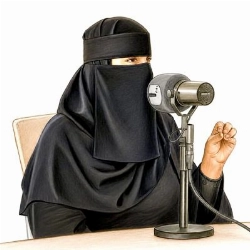
قام فريق بحثي باكتشاف العلاقة بين الذكاء الاصطناعي والاستشراق. استخدموا الذكاء الاصطناعي لإنشاء صور لدول «شرقية»، ودول «غربية»، بهدف مقارنة الاختلافات بينهما. والنتيجة هي سلسلة من الصور المُولَّدة بواسطة الذكاء الاصطناعي، وانتهى الأمر بمولد الذكاء الاصطناعي إلى إنتاج صور تُظهر بوضوح كيف أن المولدات نفسها متحيزة ونمطية.
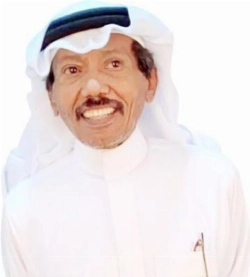
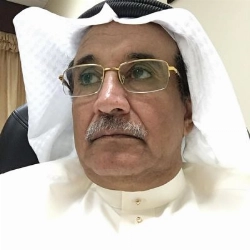
على سبيل المثال صوّر الذكاء الاصطناعي الرجل العربي بأنف حاد معقوف، وشارب كث، مع نظرات حادة وشريرة! وهي صورة قريبة جداً من صورته في الأدب الكلاسيكي.


تابع قناة عكاظ على الواتساب
The literary researcher Edward Said developed the concept of Orientalism, which he defined in his seminal book "Orientalism" (1978) as "the collective institution for dealing with the East, dealing with it by producing statements about it, by acknowledging viewpoints about it, by describing it, teaching it, and controlling it: in short, Orientalism is a Western style for dominating, restructuring, and having authority over the East." Based on a careful reading of Said's works and the scholarly and popular responses they generated, our exploration of technical Orientalism through AI-based artworks and our interaction with the concept through discussions of artificial intelligence, film, politics, culture, and media led to key conclusions. First, Orientalism is not merely a historical framework that guides us to investigate colonial perceptions and discourses of the past; it is also a constantly changing and evolving concept and a dominant discourse that remains closely relevant to the present time. Second, technical Orientalism as a framework deserves further attention and study, especially in our increasingly technological society today, where the power of algorithms permeates every aspect of our lives.
In principle, the AI art generator uses machine learning algorithms and deep neural networks to create artworks. A large number of pre-existing artworks are used to teach these algorithms how to identify patterns and styles that can be used to create new artworks. The AI gathers all available images, paintings, and artworks from a database, then creates a new piece based on the user's request. Therefore, the AI compiles all the images we see from the internet, along with information about each country, and then merges them together.
A research team discovered the relationship between artificial intelligence and Orientalism. They used AI to create images of "Eastern" countries and "Western" countries, with the aim of comparing the differences between them. The result is a series of AI-generated images, and the AI generator ended up producing images that clearly show how the generators themselves are biased and stereotypical.
For example, the AI depicted the Arab man with a sharp hooked nose, a thick mustache, and sharp, wicked looks! This image is very close to his portrayal in classical literature.
In principle, the AI art generator uses machine learning algorithms and deep neural networks to create artworks. A large number of pre-existing artworks are used to teach these algorithms how to identify patterns and styles that can be used to create new artworks. The AI gathers all available images, paintings, and artworks from a database, then creates a new piece based on the user's request. Therefore, the AI compiles all the images we see from the internet, along with information about each country, and then merges them together.
A research team discovered the relationship between artificial intelligence and Orientalism. They used AI to create images of "Eastern" countries and "Western" countries, with the aim of comparing the differences between them. The result is a series of AI-generated images, and the AI generator ended up producing images that clearly show how the generators themselves are biased and stereotypical.
For example, the AI depicted the Arab man with a sharp hooked nose, a thick mustache, and sharp, wicked looks! This image is very close to his portrayal in classical literature.