كشف تقرير حديث، أن سوق العقارات السكنية في المملكة العربية السعودية سجل تباطؤاً حاداً في النشاط خلال الربع الأول من عام 2026.
وأوضح تقرير «نايت فرانك» أن أحجام الصفقات انخفضت بنسبة 50% على أساس سنوي إلى 29.49 ألف صفقة، فيما تراجعت قيم الصفقات بنسبة 57% لتصل إلى 22 مليار ريال.
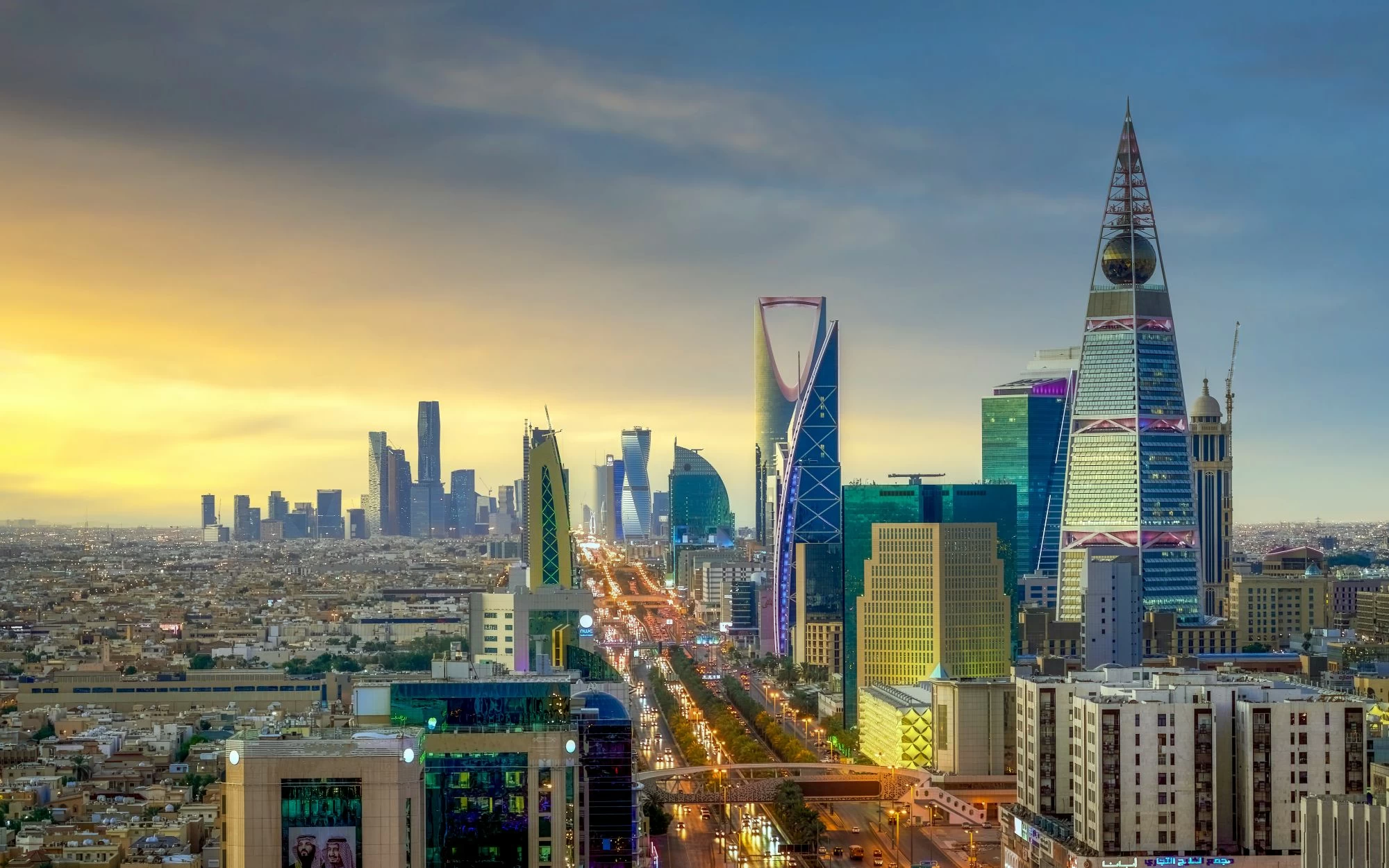
وبين أن التباطؤ كان أكثر وضوحاً في مدينة الرياض، إذ انخفضت أحجام وقيم الصفقات بنسبة 82% مقارنة بالفترة نفسها من العام السابق، كما شهدت جدة ومنطقة الدمام الحضرية ومكة المكرمة والمدينة المنورة نشاطاً أضعف.
وأرجع التقرير هذا الأداء إلى تنامي ضغوط القدرة على تحمل تكاليف السكن، وتراجع الطلب على الرهون العقارية، في حين ساهمت المعنويات السلبية الناتجة عن الصراع الإقليمي أيضاً في إضعاف الطلب.
وكشف التقرير أنه على الرغم من ضعف نشاط الصفقات، واصلت أسعار الوحدات السكنية تسجيل ارتفاعات في معظم الأسواق الرئيسية.
وبين أن أسعار الشقق في الرياض سجلت نمواً بنسبة 6.3% على أساس سنوي خلال الربع الأول 2026، فيما ارتفعت أسعار الفلل بنسبة 4.9%، كما ارتفعت أسعار الشقق في جدة بنسبة 2% وفي منطقة الدمام الحضرية بنسبة 2.3%.
وأشار إلى أن هذه الارتفاعات تعكس مرونة الأسعار خلال شهري يناير وفبراير، قبل أن تتزايد تأثيرات الصراع الإقليمي، مؤكداً أن الأثر الكامل لهذه التطورات لم ينعكس بعد على بيانات الصفقات الإجمالية.
A recent report revealed that the residential real estate market in the Kingdom of Saudi Arabia experienced a sharp slowdown in activity during the first quarter of 2026.
The "Knight Frank" report indicated that transaction volumes decreased by 50% year-on-year to 29,490 transactions, while transaction values dropped by 57% to reach 22 billion riyals.
It noted that the slowdown was more pronounced in Riyadh, where transaction volumes and values fell by 82% compared to the same period last year. Jeddah, the Dammam metropolitan area, Mecca, and Medina also witnessed weaker activity.
The report attributed this performance to growing pressures on housing affordability and a decline in demand for mortgages, while negative sentiment resulting from regional conflict also contributed to weakening demand.
The report revealed that despite the weak transaction activity, residential unit prices continued to rise in most major markets.
It indicated that apartment prices in Riyadh recorded a growth of 6.3% year-on-year during the first quarter of 2026, while villa prices increased by 4.9%. Additionally, apartment prices in Jeddah rose by 2% and in the Dammam metropolitan area by 2.3%.
It pointed out that these increases reflect price resilience during January and February, before the impacts of regional conflict intensified, confirming that the full effect of these developments has not yet been reflected in the overall transaction data.