يبدو أن الرئيس الروسي فلاديمير بوتين مصمم على وضع حدٍّ لما يراه تجاوزاً غربياً غير مقبول لخطوط التفاهم الجيوسياسية التي تلت انهيار الاتحاد السوفييتي. فالتوسع المستمر لحلف شمال الأطلسي (الناتو) بات -من وجهة نظر موسكو- تهديداً مباشراً للأمن القومي الروسي، ومصدراً رئيسياً لزعزعة الاستقرار في أوروبا الشرقية.
عند النظر إلى الخريطة، تبدو روسيا وكأنها تتعرض لحصار تدريجي يضيّق الخناق عليها من الغرب. هذا التصور الجغرافي ليس من فراغ، بل هو أحد المحركات الجوهرية التي دفعت الكرملين إلى شنِّ الحرب على أوكرانيا في 2022. بالنسبة لبوتين، فإن الدفاع عن «العمق الروسي» بات مسألة وجودية لا مجرد خيار سياسي، وهو يرى أن استعادة مكانة روسيا كقوة عظمى موازية للولايات المتحدة تستحق أن تُدفع لأجلها أثمان كبيرة.
غير أن التاريخ يقدم دروساً ثمينة. ففي ذروة التوتر بين واشنطن وموسكو، كانت أزمة الصواريخ الكوبية عام 1962 محطة مفصلية أثبتت أن التصعيد بين القوى العظمى لا يؤدي إلا إلى نتائج كارثية. حينها، أدرك الطرفان أن السلام العالمي لا يُحمى عبر الاستفزاز بل بالتفاهم والتوازن. واليوم، تبدو تلك الحقيقة أكثر حضوراً من أي وقت مضى.
ربما لهذا السبب يُنظر إلى الرئيس الأمريكي دونالد ترامب، رغم مواقفه الحادة، على أنه يدرك خطورة دفع روسيا إلى الزاوية. فهو، على عكس بعض الساسة الأوروبيين، لا يؤمن بجدوى محاصرة موسكو ولا يرى في التصعيد المستمر سوى وصفة للفوضى وعدم الاستقرار، خصوصاً في شرق أوروبا. الرسالة التي لم تصل بعد إلى عدد من العواصم الأوروبية، هي أن روسيا ليست خصماً يسهل تطويقه دون عواقب وخيمة.
بوتين، في المقابل، لا يخفي رغبته في استعادة مجد روسيا التاريخي ومكانتها الدولية، وهو يرى أن توسع الناتو ليشمل دولاً متاخمة لحدود بلاده هو تحدٍ مباشر، وردّه على ذلك واضح في تحركاته العسكرية والدبلوماسية.
في أوكرانيا، تعاني القيادة السياسية من ارتباك مزمن بين الطموحات الغربية ومتطلبات الجغرافيا والتاريخ. وهو ارتباك قد يقود إلى منزلقات خطيرة ما لم يتم احتواؤه بتسوية شاملة تراعي المصالح الأمنية لجميع الأطراف.
في المحصلة، يبدو أن العودة إلى طاولة التفاوض ليست مجرد رغبة بوتين أو خيار ترامب، بل ضرورة ملحة للعالم بأسره. فاستقرار النظام الدولي بات على المحك، وأوروبا، قبل غيرها، هي من سيدفع الثمن إذا تجاهلت دروس الماضي.
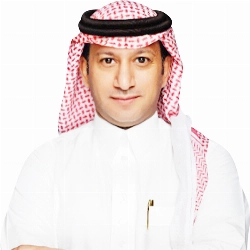
سلطان السعد القحطاني
بوتين والناتو.. هل تعود الحرب الباردة ؟
29 مايو 2025 - 00:15
|
آخر تحديث 29 مايو 2025 - 00:15


تابع قناة عكاظ على الواتساب
It seems that Russian President Vladimir Putin is determined to put an end to what he sees as an unacceptable Western overreach of the geopolitical understandings that followed the collapse of the Soviet Union. The continuous expansion of NATO has become, from Moscow's perspective, a direct threat to Russian national security and a major source of instability in Eastern Europe.
When looking at the map, Russia appears to be facing a gradual siege that is tightening the noose from the west. This geographical perception is not unfounded; it is one of the core drivers that pushed the Kremlin to launch the war on Ukraine in 2022. For Putin, defending the "Russian depth" has become an existential issue, not just a political choice, and he believes that restoring Russia's status as a superpower parallel to the United States is worth paying a high price for.
However, history offers valuable lessons. At the height of tensions between Washington and Moscow, the Cuban Missile Crisis in 1962 was a pivotal moment that proved that escalation between great powers leads only to catastrophic results. At that time, both sides realized that world peace is not protected through provocation but through understanding and balance. Today, that truth seems more relevant than ever.
Perhaps for this reason, American President Donald Trump, despite his sharp positions, is viewed as someone who understands the dangers of cornering Russia. Unlike some European politicians, he does not believe in the efficacy of isolating Moscow and sees continuous escalation only as a recipe for chaos and instability, especially in Eastern Europe. The message that has yet to reach several European capitals is that Russia is not an adversary that can be easily encircled without severe consequences.
Putin, on the other hand, does not hide his desire to restore Russia's historical glory and its international standing, and he sees NATO's expansion to include countries bordering his own as a direct challenge, with his response evident in his military and diplomatic maneuvers.
In Ukraine, the political leadership suffers from chronic confusion between Western ambitions and the requirements of geography and history. This confusion could lead to dangerous pitfalls unless it is contained through a comprehensive settlement that takes into account the security interests of all parties.
In conclusion, it seems that returning to the negotiating table is not just Putin's desire or Trump's option, but an urgent necessity for the entire world. The stability of the international system is at stake, and Europe, more than anyone else, will pay the price if it ignores the lessons of the past.
When looking at the map, Russia appears to be facing a gradual siege that is tightening the noose from the west. This geographical perception is not unfounded; it is one of the core drivers that pushed the Kremlin to launch the war on Ukraine in 2022. For Putin, defending the "Russian depth" has become an existential issue, not just a political choice, and he believes that restoring Russia's status as a superpower parallel to the United States is worth paying a high price for.
However, history offers valuable lessons. At the height of tensions between Washington and Moscow, the Cuban Missile Crisis in 1962 was a pivotal moment that proved that escalation between great powers leads only to catastrophic results. At that time, both sides realized that world peace is not protected through provocation but through understanding and balance. Today, that truth seems more relevant than ever.
Perhaps for this reason, American President Donald Trump, despite his sharp positions, is viewed as someone who understands the dangers of cornering Russia. Unlike some European politicians, he does not believe in the efficacy of isolating Moscow and sees continuous escalation only as a recipe for chaos and instability, especially in Eastern Europe. The message that has yet to reach several European capitals is that Russia is not an adversary that can be easily encircled without severe consequences.
Putin, on the other hand, does not hide his desire to restore Russia's historical glory and its international standing, and he sees NATO's expansion to include countries bordering his own as a direct challenge, with his response evident in his military and diplomatic maneuvers.
In Ukraine, the political leadership suffers from chronic confusion between Western ambitions and the requirements of geography and history. This confusion could lead to dangerous pitfalls unless it is contained through a comprehensive settlement that takes into account the security interests of all parties.
In conclusion, it seems that returning to the negotiating table is not just Putin's desire or Trump's option, but an urgent necessity for the entire world. The stability of the international system is at stake, and Europe, more than anyone else, will pay the price if it ignores the lessons of the past.