ما تشهده الساحة السياسية من تحركات دبلوماسية بين الرياض وواشنطن لم يعد امتداداً لتحالف كلاسيكي عمره عقود، بل هو إعادة صياغة للعلاقة بلغة المصالح المتبادلة ووفق معادلة قوى عالمية متحركة. زيارة الرئيس الأمريكي دونالد ترمب؛ التي تأتي في وقت فارق من ولايته الثانية، تمثّل لحظة اختبار حقيقي لطبيعة العلاقة الأمريكية- السعودية، واتجاهها المستقبلي في عالم ما بعد الهيمنة الأمريكية الأحادية.
الرياض لم تعد تكتفي بدور الحليف الذي يُستدعى عند الحاجة، بل باتت طرفاً مبادراً، يملك أوراقاً اقتصادية وجيوسياسية يطرحها بثقة على طاولة التفاوض. التحول اللافت في المزاج الأمريكي تجاه المملكة -بعد سنوات من الفتور والريبة- يعود إلى إدراك متبادل بأن العالم يتغير بسرعة، وأن الحفاظ على الشراكة يتطلب آليات جديدة، تتجاوز الشعارات والتحالفات الرمزية.
ترمب لا يأتي فقط كرئيس، بل كرجل أعمال يفكر بمنطق الصفقات، وهذا ينسجم تماماً مع الرؤية السعودية الجديدة التي تُعلي من شأن الاستثمار والتنمية كأدوات نفوذ. من النووي المدني، إلى إعادة هندسة الترتيبات الأمنية الإقليمية، إلى فتح قنوات التجارة والتكنولوجيا مع وادي السيليكون، نحن أمام نموذج شراكة تتجاوز النفط والسلاح، نحو مشاريع تُبنى على الأرض، لا في ممرات البيروقراطية.
الملف النووي لم يعد خطاً أحمر في واشنطن، بل موضوعٌ للنقاش المشروط، خاصة بعد أن أعلنت المملكة امتلاكها موارد طبيعية تسند أي مشروع مدني جاد. هذا وحده يضع السعودية في مرتبة جديدة ضمن نادي القوى الصاعدة، ويجبر واشنطن على التفاوض، لا الإملاء.
لكن أبعد من الاقتصاد والتقنية، الرسالة السياسية الأهم لهذه القمة تكمن في إعادة تموضع السعودية كلاعب إقليمي مستقل، لا تابع، يدير علاقاته مع القوى الكبرى وفق أولوياته، لا عبر وسطاء أو معادلات موروثة. فالرياض اليوم تُفاوض طهران، وتستثمر في آسيا، وتبني تحالفات أمنية برؤية أكثر اتساعاً من ثنائية الشرق والغرب.
ترمب يدرك أن شراكته مع السعودية قد تمنحه مكاسب داخلية وخارجية تعزّز موقعه في مواجهة خصومه في الداخل الأمريكي. والسعودية تدرك أن التعامل مع واشنطن الجديدة يتطلب براعة إستراتيجية، لا عاطفة تاريخية. ومن هنا، تنبع أهمية القمة: تثبيت نموذج تحالف قائم على تبادل المنافع، وإعادة ضبط الإيقاع في علاقات بدت لوهلة وكأنها تسير نحو التآكل.
في المحصلة، ليست القمة اختبار نوايا، بل تدشين معادلة واضحة: من يملك الرؤية والموارد، لا ينتظر، بل يصنع موقعه في العالم الجديد. السعودية، بما تطرحه من مشاريع وسياسات، تقول إنها أهل لهذا الدور بتوليفه بين الاقتصاد السياسي وسياسات الاقتصاد..
وعلى العالم ان يتفرج...
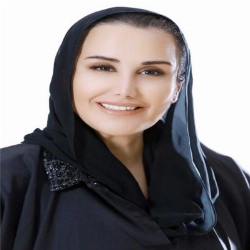
وفاء الرشيد
السعودية وترمب يكتبان فصلاً إستراتيجياً جديداً للعالم
18 مايو 2025 - 00:17
|
آخر تحديث 18 مايو 2025 - 00:17


تابع قناة عكاظ على الواتساب
What we are witnessing in the political arena with the diplomatic movements between Riyadh and Washington is no longer an extension of a classic alliance that has lasted for decades; rather, it is a redefinition of the relationship in terms of mutual interests and according to a dynamic global power equation. The visit of U.S. President Donald Trump, which comes at a pivotal time in his second term, represents a real test of the nature of U.S.-Saudi relations and their future direction in a post-unipolar American dominance world.
Riyadh is no longer content with the role of an ally that is called upon when needed; it has become a proactive party, possessing economic and geopolitical leverage that it confidently brings to the negotiating table. The notable shift in the American mood towards the Kingdom—after years of coolness and suspicion—stems from a mutual realization that the world is changing rapidly, and that maintaining the partnership requires new mechanisms that go beyond slogans and symbolic alliances.
Trump comes not only as a president but as a businessman who thinks in terms of deals, which aligns perfectly with the new Saudi vision that elevates investment and development as tools of influence. From civilian nuclear energy to re-engineering regional security arrangements to opening trade and technology channels with Silicon Valley, we are facing a partnership model that transcends oil and arms, moving towards projects built on the ground, not in the corridors of bureaucracy.
The nuclear file is no longer a red line in Washington; it has become a subject for conditional discussion, especially after the Kingdom announced its possession of natural resources that support any serious civilian project. This alone places Saudi Arabia in a new rank within the club of rising powers and forces Washington to negotiate, not dictate.
But beyond economics and technology, the most important political message of this summit lies in repositioning Saudi Arabia as an independent regional player, not a subordinate, managing its relations with major powers according to its priorities, not through intermediaries or inherited equations. Today, Riyadh is negotiating with Tehran, investing in Asia, and building security alliances with a broader vision than the East-West binary.
Trump understands that his partnership with Saudi Arabia may provide him with domestic and foreign gains that enhance his position against his opponents in the U.S. Saudi Arabia understands that dealing with the new Washington requires strategic acumen, not historical sentiment. Hence, the importance of the summit arises: to establish a model of alliance based on mutual benefit exchange and to recalibrate the rhythm in relations that seemed at one point to be heading towards erosion.
In conclusion, the summit is not a test of intentions but the inauguration of a clear equation: those who possess vision and resources do not wait; they create their position in the new world. Saudi Arabia, with the projects and policies it proposes, asserts that it is worthy of this role by synthesizing political economy with economic policies...
And the world must watch...
Riyadh is no longer content with the role of an ally that is called upon when needed; it has become a proactive party, possessing economic and geopolitical leverage that it confidently brings to the negotiating table. The notable shift in the American mood towards the Kingdom—after years of coolness and suspicion—stems from a mutual realization that the world is changing rapidly, and that maintaining the partnership requires new mechanisms that go beyond slogans and symbolic alliances.
Trump comes not only as a president but as a businessman who thinks in terms of deals, which aligns perfectly with the new Saudi vision that elevates investment and development as tools of influence. From civilian nuclear energy to re-engineering regional security arrangements to opening trade and technology channels with Silicon Valley, we are facing a partnership model that transcends oil and arms, moving towards projects built on the ground, not in the corridors of bureaucracy.
The nuclear file is no longer a red line in Washington; it has become a subject for conditional discussion, especially after the Kingdom announced its possession of natural resources that support any serious civilian project. This alone places Saudi Arabia in a new rank within the club of rising powers and forces Washington to negotiate, not dictate.
But beyond economics and technology, the most important political message of this summit lies in repositioning Saudi Arabia as an independent regional player, not a subordinate, managing its relations with major powers according to its priorities, not through intermediaries or inherited equations. Today, Riyadh is negotiating with Tehran, investing in Asia, and building security alliances with a broader vision than the East-West binary.
Trump understands that his partnership with Saudi Arabia may provide him with domestic and foreign gains that enhance his position against his opponents in the U.S. Saudi Arabia understands that dealing with the new Washington requires strategic acumen, not historical sentiment. Hence, the importance of the summit arises: to establish a model of alliance based on mutual benefit exchange and to recalibrate the rhythm in relations that seemed at one point to be heading towards erosion.
In conclusion, the summit is not a test of intentions but the inauguration of a clear equation: those who possess vision and resources do not wait; they create their position in the new world. Saudi Arabia, with the projects and policies it proposes, asserts that it is worthy of this role by synthesizing political economy with economic policies...
And the world must watch...