ابتهاجاً بقرار صاحب السمو الملكي الأمير محمد بن سلمان -حفظه الله- بتأسيس مجلس الأعمال السعودي السوري، والذي لا يُقرأ كمجرد ترتيب إداري، بل كتحول في هندسة التأثير السعودي في الإقليم، فإن هذا المقال يطمح لقراءة أعمق لطبيعة هذا المجلس، لا بوصفه أداة لتنشيط التجارة، بل كأداة سيادية لإعادة تشكيل علاقة إستراتيجية.
حين تُبنى المجالس الاقتصادية المشتركة في دول المنطقة، فإنها غالباً ما تأتي كمخرجات تقنية للعلاقات السياسية، أو كاستجابة لحراك تجاري محدود. لكن المجلس السعودي السوري، الذي أُعلن عن تأسيسه، لا يُشبه ما قبله، لا من حيث التوقيت، ولا من حيث الرمزية، ولا من حيث مستوى التوجيه.
فهو ليس امتداداً لمرحلة انفتاح اقتصادي، بل تعبير عن تحول في القرار الإستراتيجي للمملكة؛ تحول يقول إن الرياض لا تنظر إلى الأسواق المجاورة كمواقع تداول، بل كمساحات نفوذ طويل الأمد تُدار عبر أدوات الاقتصاد لا بيانات السياسة.
سورية اليوم ليست أرضاً بكراً، بل ساحة أنهكتها العقوبات، أربكتها الحرب وأربكت مسارها الاقتصادي، ولكنها لم تفقد موقعها ولا عمقها التاريخي في المعادلة الإقليمية. ومن هنا، فإن دخول رأس المال السعودي من بوابة مؤسساتية واضحة، وبحزم مالية معلنة لا يمكن أن يُقرأ إلا بوصفه قراراً سيادياً بوسائل اقتصادية.
ليس من عادة القيادة السعودية أن تُعلن التزاماً بمليارات الريالات ثم تتراجع. والمملكة اليوم لا تذهب إلى سورية لتشارك في «الفرص» فقط، بل لتُعيد كتابة معادلة الاستثمار في سورية نفسها، على أسس تمكين، شراكة، ونقل نموذج ثبت جدوى تطبيقه.
الفرق الجوهري هنا أن السعودية لا تذهب لتشتري أصولاً منهارة، بل لتُقيم مشاريع تقودها، وتشرك السوريين فيها، وتُعيد تأهيل البنية التحتية بما يسمح لرجال الأعمال السوريين بأن يعودوا فاعلين لا تابعين، وشركاء لا وسطاء.
ولأن السوق لا تنهض من فراغ، فالبنية التحتية هي مفتاح الشراكة الحقيقي: الماء، الكهرباء، الطاقة المتجددة، النقل، والمنصات المالية الذكية. هذا هو العمود الفقري لأي مشروع استثماري، وهو ما نراه يتحرك في خلفية هذا المجلس.
لا أحد في الرياض يفكر اليوم بعائد قصير المدى في سورية، بل في تموضع طويل، يُبنى على نموذج الاستدامة لا الانتهاز. وإن كانت دمشق تستعيد عافيتها، فإن المجلس السعودي السوري ليس خطوة عابرة، بل آلية تأسيسية لما بعد التعافي.
إن أهم ما يمكن أن يحدث اليوم ليس فقط توقيع عقود، بل وضع نظام واضح لضمان الحقوق، تسوية المنازعات، تمكين الشراكات الحقيقية، وبناء اقتصاد ذكي يُشبه ما نجحت به السعودية في الداخل: شراكة قطاع عام/خاص تقوم على الكفاءة، لا على النفوذ.
الكرة اليوم في ملعب السوق السورية: هل تُعيد ترتيب أولوياتها لتستقبل رأس مال يريد أن يبني لا أن يُسيطر؟ وهل يتم استيعاب أن الشراكة مع السعودية ليست مغنماً ظرفياً، بل فرصة لإعادة تموضع سورية اقتصادياً في الإقليم؟
فإن فُهِم هذا المشروع على حقيقته، فإن المجلس السعودي السوري سيكون أول لبنة اقتصادية حقيقية لسورية ما بعد الحرب. لا بوصفه مجلساً تنظيمياً.. بل بوصفه قراراً سيادياً بأن يكون الاقتصاد هو لغة النفوذ الجديدة.
ولأن المجالس لا تُقاس بعدد اجتماعاتها، بل بعدد المشاريع التي خرجت من رحمها، فإن نجاح المجلس السعودي السوري لا يُقاس فقط بحجم الاستثمارات، بل بقدرته على صناعة نموذج للتشغيل المشترك، وتوليد الفرص، وتفادي الفوضى المؤسسية.
مقترحات عملية لاستثمار المجلس:
1. إنشاء مسار واضح للحوكمة القانونية للمشاريع المشتركة، مبني على الشفافية بين المستثمر السعودي والسوري، لا على التواقيع الرمزية أو التفاهمات الشفوية.
2. تأسيس جهاز تنفيذ مصغّر داخل المجلس، لإدارة الفرص ومتابعة النزاعات الإدارية والتجارية قبل أن تتحول لأعباء قضائية أو سياسية.
3. إتاحة المجال للأصوات السعودية والسورية الشابة التي أثبتت مرونتها وسط هشاشة البنى، لتكون شريك تشغيل فعلياً في المشهد الجديد، لا غطاء محلياً، بل طاقة تنفيذية حقيقية.
4. تخصيص خط تمويل سيادي بشروط مرنة لدعم مشاريع البنية التحتية في سورية، مع رقابة استثمارية سعودية تضمن استدامة العائد، لا قيود تقليدية تعيق حراك الاستثمار الذكي.
المملكة اليوم لا تدخل سورية لتلعب دور «المستثمر الخارجي»، بل لتُعيد تعريف سورية اقتصادياً ضمن رؤية إقليمية تقودها هي، لا تُفرض عليها من الخارج. وهذه ليست عودة إلى سورية فقط، بل إعادة سورية إلى الطاولة، لكن بشروط الاقتصاد، لا بخرائط النفوذ.
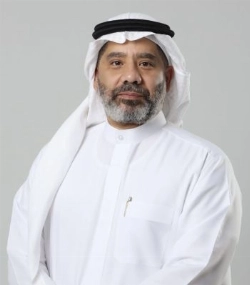
فراس طرابلسي
المجلس السعودي السوري.. أن تصبح الشراكة قراراً سيادياً
25 يوليو 2025 - 00:05
|
آخر تحديث 25 يوليو 2025 - 00:05


تابع قناة عكاظ على الواتساب
In celebration of the decision of His Royal Highness Prince Mohammed bin Salman - may God protect him - to establish the Saudi-Syrian Business Council, which should not be seen merely as an administrative arrangement, but as a transformation in the engineering of Saudi influence in the region, this article aspires to a deeper understanding of the nature of this council, not as a tool to activate trade, but as a sovereign instrument for reshaping a strategic relationship.
When joint economic councils are established in the countries of the region, they often emerge as technical outputs of political relations or as responses to limited commercial movements. However, the Saudi-Syrian council, announced for establishment, is unlike its predecessors, neither in terms of timing, nor symbolism, nor level of direction.
It is not an extension of a phase of economic openness, but an expression of a shift in the strategic decision of the Kingdom; a shift that indicates that Riyadh does not view neighboring markets as trading sites, but as areas of long-term influence managed through economic tools rather than political data.
Syria today is not a virgin land, but a battleground exhausted by sanctions, confused by war, and disrupted in its economic trajectory. However, it has not lost its position or historical depth in the regional equation. From here, the entry of Saudi capital through a clear institutional gateway, with announced financial packages, can only be read as a sovereign decision through economic means.
It is not customary for the Saudi leadership to announce a commitment of billions of riyals and then backtrack. The Kingdom today is not going to Syria to participate in "opportunities" only, but to rewrite the investment equation in Syria itself, on the foundations of empowerment, partnership, and the transfer of a model that has proven effective.
The essential difference here is that Saudi Arabia is not going to buy collapsed assets, but to establish projects that it leads, engages Syrians in, and rehabilitates infrastructure to allow Syrian businessmen to return as active participants rather than dependents, and as partners rather than intermediaries.
And because the market does not rise from a vacuum, infrastructure is the key to true partnership: water, electricity, renewable energy, transportation, and smart financial platforms. This is the backbone of any investment project, and it is what we see moving in the background of this council.
No one in Riyadh is thinking today of short-term returns in Syria, but rather of long-term positioning, built on a model of sustainability rather than opportunism. And while Damascus is regaining its vitality, the Saudi-Syrian council is not a fleeting step, but a foundational mechanism for the post-recovery phase.
The most important thing that can happen today is not just the signing of contracts, but the establishment of a clear system to guarantee rights, resolve disputes, enable genuine partnerships, and build a smart economy similar to what Saudi Arabia has succeeded in domestically: a public/private sector partnership based on efficiency, not influence.
The ball is now in the court of the Syrian market: will it rearrange its priorities to welcome capital that wants to build rather than control? And is there an understanding that partnership with Saudi Arabia is not a temporary boon, but an opportunity to reposition Syria economically in the region?
If this project is understood in its true essence, the Saudi-Syrian council will be the first real economic building block for post-war Syria. Not as an organizational council, but as a sovereign decision that the economy should be the new language of influence.
And because councils are not measured by the number of their meetings, but by the number of projects that emerge from them, the success of the Saudi-Syrian council is not only measured by the size of investments, but by its ability to create a model for joint operation, generate opportunities, and avoid institutional chaos.
Practical proposals for investing in the council:
1. Establish a clear legal governance pathway for joint projects, based on transparency between Saudi and Syrian investors, not on symbolic signatures or verbal agreements.
2. Create a small executive body within the council to manage opportunities and follow up on administrative and commercial disputes before they turn into judicial or political burdens.
3. Provide space for young Saudi and Syrian voices that have proven their resilience amid fragile structures, to be actual operating partners in the new scene, not just local cover, but real executive energy.
4. Allocate a sovereign financing line with flexible conditions to support infrastructure projects in Syria, with Saudi investment oversight ensuring the sustainability of returns, not traditional constraints that hinder smart investment movement.
The Kingdom today is not entering Syria to play the role of "foreign investor," but to redefine Syria economically within a regional vision led by it, not imposed from outside. This is not just a return to Syria, but a return of Syria to the table, but on the terms of the economy, not maps of influence.
When joint economic councils are established in the countries of the region, they often emerge as technical outputs of political relations or as responses to limited commercial movements. However, the Saudi-Syrian council, announced for establishment, is unlike its predecessors, neither in terms of timing, nor symbolism, nor level of direction.
It is not an extension of a phase of economic openness, but an expression of a shift in the strategic decision of the Kingdom; a shift that indicates that Riyadh does not view neighboring markets as trading sites, but as areas of long-term influence managed through economic tools rather than political data.
Syria today is not a virgin land, but a battleground exhausted by sanctions, confused by war, and disrupted in its economic trajectory. However, it has not lost its position or historical depth in the regional equation. From here, the entry of Saudi capital through a clear institutional gateway, with announced financial packages, can only be read as a sovereign decision through economic means.
It is not customary for the Saudi leadership to announce a commitment of billions of riyals and then backtrack. The Kingdom today is not going to Syria to participate in "opportunities" only, but to rewrite the investment equation in Syria itself, on the foundations of empowerment, partnership, and the transfer of a model that has proven effective.
The essential difference here is that Saudi Arabia is not going to buy collapsed assets, but to establish projects that it leads, engages Syrians in, and rehabilitates infrastructure to allow Syrian businessmen to return as active participants rather than dependents, and as partners rather than intermediaries.
And because the market does not rise from a vacuum, infrastructure is the key to true partnership: water, electricity, renewable energy, transportation, and smart financial platforms. This is the backbone of any investment project, and it is what we see moving in the background of this council.
No one in Riyadh is thinking today of short-term returns in Syria, but rather of long-term positioning, built on a model of sustainability rather than opportunism. And while Damascus is regaining its vitality, the Saudi-Syrian council is not a fleeting step, but a foundational mechanism for the post-recovery phase.
The most important thing that can happen today is not just the signing of contracts, but the establishment of a clear system to guarantee rights, resolve disputes, enable genuine partnerships, and build a smart economy similar to what Saudi Arabia has succeeded in domestically: a public/private sector partnership based on efficiency, not influence.
The ball is now in the court of the Syrian market: will it rearrange its priorities to welcome capital that wants to build rather than control? And is there an understanding that partnership with Saudi Arabia is not a temporary boon, but an opportunity to reposition Syria economically in the region?
If this project is understood in its true essence, the Saudi-Syrian council will be the first real economic building block for post-war Syria. Not as an organizational council, but as a sovereign decision that the economy should be the new language of influence.
And because councils are not measured by the number of their meetings, but by the number of projects that emerge from them, the success of the Saudi-Syrian council is not only measured by the size of investments, but by its ability to create a model for joint operation, generate opportunities, and avoid institutional chaos.
Practical proposals for investing in the council:
1. Establish a clear legal governance pathway for joint projects, based on transparency between Saudi and Syrian investors, not on symbolic signatures or verbal agreements.
2. Create a small executive body within the council to manage opportunities and follow up on administrative and commercial disputes before they turn into judicial or political burdens.
3. Provide space for young Saudi and Syrian voices that have proven their resilience amid fragile structures, to be actual operating partners in the new scene, not just local cover, but real executive energy.
4. Allocate a sovereign financing line with flexible conditions to support infrastructure projects in Syria, with Saudi investment oversight ensuring the sustainability of returns, not traditional constraints that hinder smart investment movement.
The Kingdom today is not entering Syria to play the role of "foreign investor," but to redefine Syria economically within a regional vision led by it, not imposed from outside. This is not just a return to Syria, but a return of Syria to the table, but on the terms of the economy, not maps of influence.