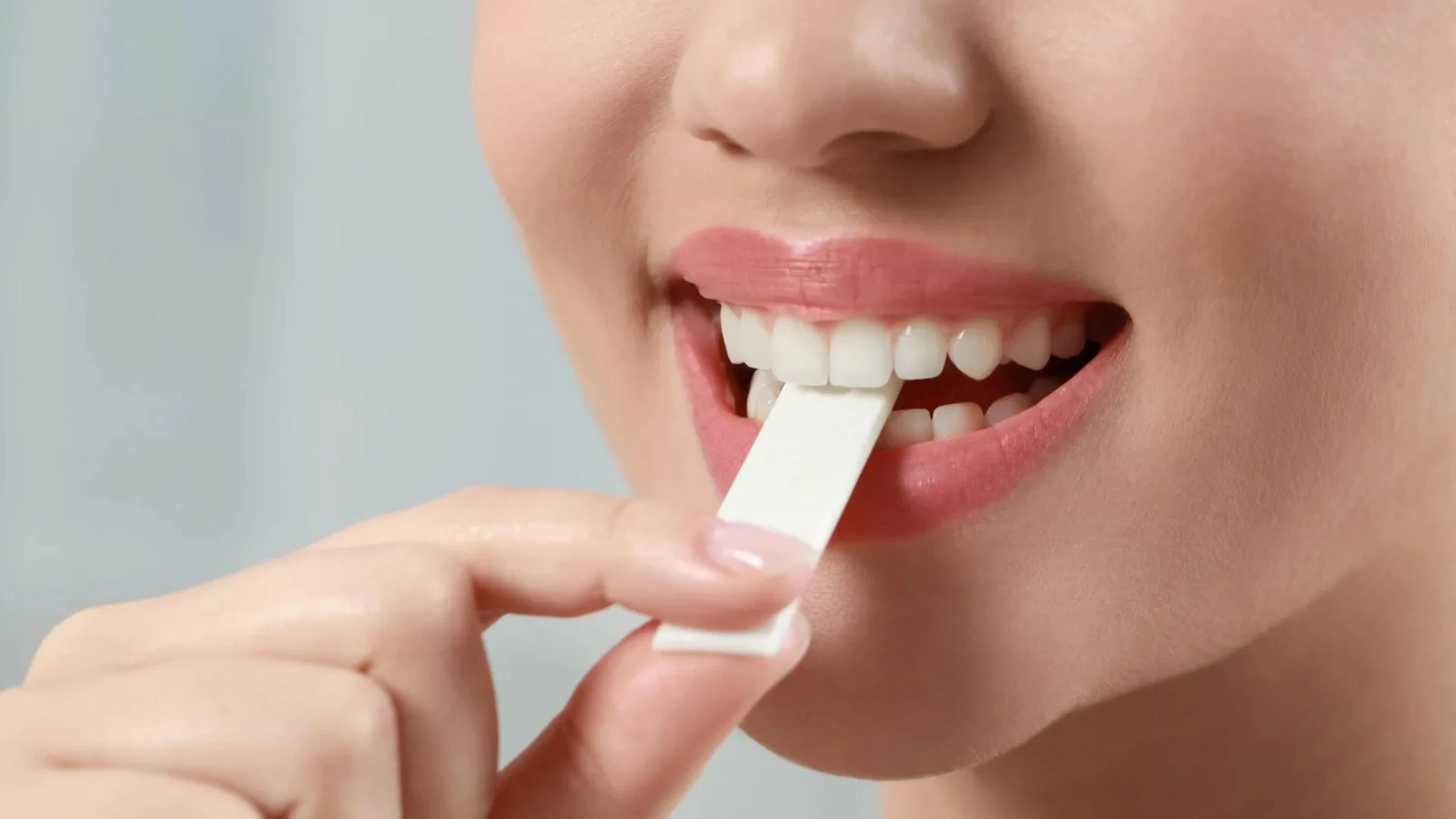
في تطور علمي لافت قد يفتح آفاقاً جديدة لمكافحة بعض أنواع السرطان، توصل باحثون إلى تطوير علكة طبية تجريبية قادرة على استهداف فايروسات وبكتيريا مرتبطة بسرطانات الرأس والرقبة، مع الحفاظ على البكتيريا النافعة الموجودة طبيعياً داخل الفم.
وأظهرت نتائج اختبارات معملية أُجريت باستخدام عينات من مرضى السرطان، أن مستخلصات العلكة التجريبية نجحت في خفض مستويات فايروس الورم الحليمي البشري (HPV) بنسبة وصلت إلى 93% في عينات اللعاب، و80% في عينات غسول الفم.
كما كشفت النتائج أن نسخة مطورة من العلكة، تحتوي على مكون إضافي مضاد للميكروبات، تمكنت من خفض نوعين من البكتيريا الضارة إلى مستويات شبه غير قابلة للكشف، دون التأثير في مجموعات البكتيريا النافعة التي شملتها الاختبارات.
ونُشرت نتائج الدراسة في دورية «Scientific Reports»، وأشرف عليها الباحث هنري دانييل، من كلية طب الأسنان بجامعة بنسلفانيا الأمريكية، ضمن أبحاث تستكشف إمكانية استخدام النباتات المعدلة هندسياً لإنتاج بروتينات ذات فوائد طبية محتملة.
لماذا يستهدف العلماء الفيروسات والبكتيريا المرتبطة بالسرطان؟
تركز الدراسة على سرطان الخلايا الحرشفية في الرأس والرقبة (HNSCC)، وهو أحد أنواع السرطان التي تصيب الأنسجة المبطنة للفم والحلق، وينشأ في الخلايا الحرشفية التي تغطي العديد من الأسطح والأنسجة داخل الجسم.
وتزداد صعوبة علاج بعض هذه الأورام عندما تنتشر إلى مناطق أخرى، كما ترتبط المراحل المتقدمة منها بنتائج علاجية أقل إيجابية، ما يعزز الحاجة إلى تطوير وسائل جديدة للوقاية والمساعدة في العلاج.
ويرى الباحثون أن الكائنات الدقيقة الموجودة داخل الفم قد تلعب دوراً مهماً في هذا المجال، إذ ترتبط بعض الفايروسات والبكتيريا بزيادة مخاطر الإصابة بأنواع معينة من السرطان أو بتدهور النتائج الصحية لدى بعض المرضى.
وركز الفريق البحثي على ثلاثة أنواع من الكائنات الدقيقة، هي فيروس الورم الحليمي البشري (HPV)، وبكتيريا بورفيروموناس جينجيفاليس (Porphyromonas gingivalis)، وبكتيريا فيوزوباكتيريوم نكلئاتوم (Fusobacterium nucleatum).
ويرتبط استمرار الإصابة ببعض سلالات فايروس HPV بزيادة خطر الإصابة بسرطانات معينة، خصوصاً سرطان البلعوم الفموي، بينما ارتبط وجود البكتيريتين الأخريين بأمراض الفم والأسنان وبنتائج علاجية أسوأ لدى بعض مرضى السرطان.
وقال هنري دانييل إن الزيادة العالمية في حالات سرطان البلعوم الفموي ترتبط بعدوى فايروس الورم الحليمي البشري، مشيراً إلى أن الإصابة ببكتيريا Pg وFn قد ترتبط بانخفاض معدلات البقاء على قيد الحياة لدى بعض مرضى سرطان الفم المتكرر أو المنتشر.
علكة مصنوعة من الفاصوليا تحمل بروتيناً مضاداً للفايروسات
وتستند التقنية الجديدة إلى أبحاث سابقة للفريق، نجحت في تطوير علكة مصنوعة من حبوب نبات اللبلاب الفاصوليائي (Lablab beans)، وتحتوي على بروتين طبيعي يُعرف باسم FRIL، يتمتع بخصائص مضادة للفيروسات.
واختبر الباحثون مستخلصات هذه العلكة على عينات فموية مأخوذة من مرضى مصابين بسرطانات الرأس والرقبة، بهدف قياس مدى تأثيرها في الكائنات الدقيقة المستهدفة.
وأظهرت النتائج انخفاض مستويات فيروس الورم الحليمي البشري بنسبة 93% في عينات اللعاب، و80% في عينات غسول الفم، وهو ما يشير إلى إمكانية استخدام البروتينات التي تُطلقها العلكة لاستهداف الفايروس داخل البيئة الفموية.
ولم تتوقف التجارب عند هذا الحد، إذ عمل الفريق على تطوير نسخة محسنة من العلكة تحتوي على مادة «بروتيجرين» (Protegrin)، وهي ببتيد مضاد للميكروبات، يتكون من سلاسل قصيرة من الأحماض الأمينية، ويمكن لبعض أنواع هذه الببتيدات مهاجمة الكائنات الدقيقة الضارة والقضاء عليها.
وأظهرت الاختبارات أن جرعة واحدة من مستخلص العلكة المطورة أدت إلى خفض مستويات بكتيريتي Pg وFn إلى مستويات شبه غير قابلة للكشف.
القضاء على البكتيريا الضارة دون الإضرار بالنافعة
ومن أبرز النتائج التي توصلت إليها الدراسة قدرة المستخلص التجريبي على استهداف البكتيريا الضارة دون إحداث اضطراب ملحوظ في مجموعات البكتيريا النافعة التي جرى فحصها.
ويُعرف مجتمع الكائنات الدقيقة الذي يعيش داخل الفم باسم «الميكروبيوم الفموي»، وهو يلعب دوراً مهماً في الحفاظ على صحة الفم والأسنان والتوازن البيولوجي داخله.
وتكمن أهمية هذه النتيجة في أن بعض علاجات السرطان، مثل العلاج الإشعاعي، قد تؤثر سلباً في التوازن الطبيعي للميكروبات الفموية، من خلال تقليل أعداد بعض البكتيريا النافعة، وهو ما قد يهيئ الظروف لنمو كائنات ضارة أخرى، بما فيها فطريات المبيضات البيضاء (Candida albicans).
وعلى عكس هذا التأثير، أظهرت مستخلصات العلكة التجريبية قدرة على خفض البكتيريا المستهدفة مع الحفاظ على مجموعات البكتيريا النافعة التي شملتها الدراسة، وهو ما قد يمثل ميزة مهمة للمرضى الذين يعانون بالفعل من آثار جانبية تؤثر في صحة الفم خلال رحلة علاج السرطان.
هل تصبح العلكة وسيلة للوقاية من السرطان؟
ويرى الباحثون أن النتائج الأولية تستحق الانتقال إلى مراحل متقدمة من البحث، تشمل إجراء تجارب سريرية على البشر، لتقييم مدى أمان العلكة وفعاليتها عند استخدامها فعلياً داخل الفم.
وأشار دانييل إلى أن سرطان الشفاه وتجويف الفم احتل المرتبة السابعة عالمياً من حيث معدلات الإصابة والوفيات بين المراهقين والشباب والبالغين في منتصف العمر خلال عام 2022، مؤكداً أهمية تطوير وسائل علاجية مساعدة واستراتيجيات وقائية جديدة.
ويأمل الفريق البحثي أن توفر هذه التقنية مستقبلاً وسيلة بسيطة ومنخفضة التكلفة نسبياً لإيصال البروتينات الواقية مباشرة إلى الفم، بما قد يساعد على تقليل مستويات بعض الميكروبات المرتبطة بالأمراض السرطانية، أو الحد من انتقال بعض أنواع العدوى.
ومع ذلك، شدد الباحثون على أن العلكة لا تزال في المرحلة التجريبية، وأن النتائج الحالية مستمدة من اختبارات معملية على عينات مأخوذة من مرضى، وليس من تجارب سريرية شارك فيها أشخاص قاموا بمضغ العلكة، وبالتالي، لا يوجد حتى الآن دليل علمي يثبت أن هذه العلكة تمنع الإصابة بالسرطان، لكن إذا أثبتت التجارب السريرية المستقبلية سلامة التقنية وفعاليتها، فقد تتحول قطعة علكة مصنوعة من مكونات نباتية إلى وسيلة مساعدة مبتكرة في مكافحة بعض العدوى المرتبطة بسرطانات الفم والحلق.
In a remarkable scientific development that may open new horizons for combating certain types of cancer, researchers have developed an experimental medical gum capable of targeting viruses and bacteria associated with head and neck cancers, while preserving the beneficial bacteria naturally present in the mouth.
Laboratory test results conducted using samples from cancer patients showed that extracts from the experimental gum successfully reduced levels of human papillomavirus (HPV) by up to 93% in saliva samples and 80% in mouthwash samples.
The results also revealed that an enhanced version of the gum, containing an additional antimicrobial component, was able to reduce two types of harmful bacteria to nearly undetectable levels, without affecting the beneficial bacterial groups included in the tests.
The study's results were published in the journal "Scientific Reports," supervised by researcher Henry Daniel from the University of Pennsylvania School of Dental Medicine, as part of research exploring the potential use of genetically modified plants to produce proteins with possible medical benefits.
Why are scientists targeting viruses and bacteria associated with cancer?
The study focuses on squamous cell carcinoma of the head and neck (HNSCC), which is one of the types of cancer that affects the tissues lining the mouth and throat, originating in the squamous cells that cover many surfaces and tissues within the body.
Treating some of these tumors becomes more challenging when they spread to other areas, and advanced stages are associated with less positive treatment outcomes, highlighting the need to develop new means for prevention and assistance in treatment.
Researchers believe that the microorganisms present in the mouth may play an important role in this area, as certain viruses and bacteria are linked to an increased risk of developing specific types of cancer or to deteriorating health outcomes in some patients.
The research team focused on three types of microorganisms: human papillomavirus (HPV), Porphyromonas gingivalis bacteria, and Fusobacterium nucleatum bacteria.
Persistent infection with certain strains of HPV is associated with an increased risk of developing certain cancers, particularly oropharyngeal cancer, while the presence of the other two bacteria is linked to oral diseases and worse treatment outcomes in some cancer patients.
Henry Daniel stated that the global increase in cases of oropharyngeal cancer is associated with human papillomavirus infection, noting that infection with Pg and Fn bacteria may be linked to lower survival rates in some patients with recurrent or metastatic oral cancer.
Gum made from beans carrying an antiviral protein
The new technique is based on previous research by the team, which successfully developed gum made from Lablab beans, containing a natural protein known as FRIL, which has antiviral properties.
The researchers tested extracts of this gum on oral samples taken from patients with head and neck cancers, aiming to measure its effect on the targeted microorganisms.
The results showed a 93% reduction in human papillomavirus levels in saliva samples and an 80% reduction in mouthwash samples, indicating the potential use of the proteins released by the gum to target the virus within the oral environment.
The experiments did not stop there, as the team worked on developing an improved version of the gum containing "Protegrin," an antimicrobial peptide made up of short chains of amino acids, with some types of these peptides capable of attacking and eliminating harmful microorganisms.
Tests showed that a single dose of the developed gum extract led to a reduction of Pg and Fn bacteria levels to nearly undetectable levels.
Eliminating harmful bacteria without harming beneficial ones
One of the most significant findings of the study was the experimental extract's ability to target harmful bacteria without causing a noticeable disruption in the beneficial bacterial groups that were examined.
The community of microorganisms living in the mouth is known as the "oral microbiome," and it plays an important role in maintaining oral health and the biological balance within it.
The importance of this finding lies in the fact that some cancer treatments, such as radiation therapy, may negatively affect the natural balance of oral microbes by reducing the numbers of some beneficial bacteria, potentially creating conditions for the growth of other harmful organisms, including Candida albicans fungi.
In contrast to this effect, the extracts from the experimental gum showed the ability to reduce the targeted bacteria while preserving the beneficial bacterial groups included in the study, which could represent a significant advantage for patients already suffering from side effects affecting oral health during their cancer treatment journey.
Could gum become a means of cancer prevention?
Researchers believe that the preliminary results warrant advancing to further stages of research, including conducting clinical trials on humans to assess the safety and effectiveness of the gum when actually used in the mouth.
Daniel noted that lip and oral cavity cancer ranked seventh globally in terms of incidence and mortality rates among adolescents, young adults, and middle-aged adults in 2022, emphasizing the importance of developing new therapeutic aids and preventive strategies.
The research team hopes that this technique will provide a simple and relatively low-cost means of delivering protective proteins directly to the mouth, which may help reduce levels of certain microbes associated with cancer-related diseases or limit the transmission of certain types of infections.
However, researchers stressed that the gum is still in the experimental phase, and the current results are derived from laboratory tests on samples taken from patients, not from clinical trials involving individuals chewing the gum. Therefore, there is currently no scientific evidence proving that this gum prevents cancer. However, if future clinical trials demonstrate the safety and effectiveness of the technique, a piece of gum made from plant-based ingredients could become an innovative aid in combating some infections associated with oral and throat cancers.