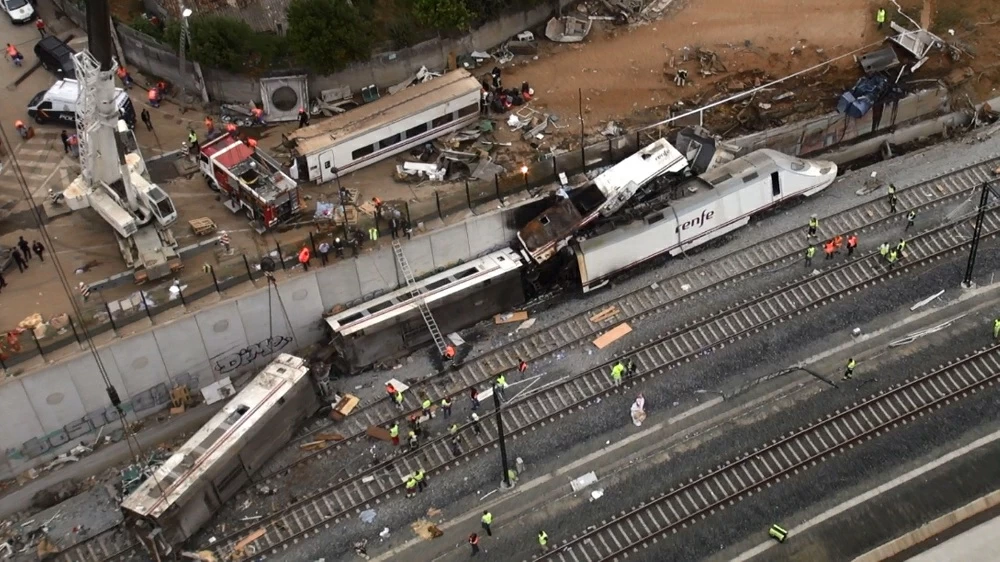
أعادت كارثة تصادم قطارين فائقي السرعة في إسبانيا طرح سؤال محوري حول مدى إمكانية تحميل موظف واحد مسؤولية حادث أودى بحياة عشرات الأشخاص، في وقت تشير فيه المعطيات الأولية إلى أن المأساة قد تكون نتاج سلسلة من الإخفاقات المتراكمة، لا خطأً فردياً معزولاً.
ووفقاً لما أوردته صحيفة (ذا تايمز)، فإن شبكات السكك الحديدية الحديثة تعتمد على أنظمة حماية متعددة صُممت أساساً لمنع تحوّل الهفوات البشرية إلى حوادث كارثية، عبر منظومات مراقبة وتحكم يفترض أن تتدخل عند وقوع أي خطأ تشغيلي.
ووقعت الحادثة قرب مدينة طليطلة، بعدما اصطدم قطار تابع لشركة (رينفي) بقطار آخر يتبع شركة (إيريو) كان متوقفاً على المسار نفسه، عقب عطل أصاب نظام الإشارات وإدارة حركة القطارات.
وأظهرت تسجيلات صوتية متداولة أن مركز المراقبة منح أحد القطارين إذناً بمواصلة رحلته بالسرعة المعتادة، رغم بقاء القطار الآخر متوقفاً أمامه على الخط، فيما كان القطار المتحرك يسير بسرعة قاربت 200 كيلومتر في الساعة؛ ما أدى إلى تضاعف آثار الاصطدام والخسائر الناتجة عنه.
ويرى مراقبون أن حصر المسؤولية في قرار مراقب الحركة وحده لا يجيب عن جميع التساؤلات؛ لأن أنظمة السلامة المتقدمة يفترض أن تمتلك وسائل تمنع وقوع التصادم حتى في حال صدور تعليمات غير صحيحة.
كما تتركز التحقيقات على مجموعة من العوامل المحتملة؛ تشمل أسباب تعطّل الإشارات، ومدى فاعلية خطط الطوارئ، وكفاءة التواصل بين السائقين وغرف التحكم، إضافة إلى فحص جوانب الصيانة والاستثمار في البنية التقنية للشبكة.
وأشار تقرير أولي للمحققين الإسبان إلى أن الحادثة سبقتها سلسلة من الأعطال والقرارات والإجراءات المتداخلة، مؤكداً أن إصدار أحكام نهائية بشأن المسؤوليات ما زال مبكراً قبل استكمال التحقيقات الفنية.
وتواجه شبكة السكك الحديدية الإسبانية تدقيقاً متزايداً عقب الحادث، رغم احتفاظ القطارات فائقة السرعة بسمعتها كإحدى أكثر وسائل النقل أماناً، فيما يبقى السؤال الأبرز: كيف أخفقت طبقات الحماية المتعددة في منع كارثة يفترض أن المنظومة صُممت أصلًا لتجنبها؟
The disaster of the collision between two high-speed trains in Spain has raised a central question about whether it is possible to hold a single employee responsible for an incident that claimed the lives of dozens of people, at a time when initial data suggests that the tragedy may be the result of a series of accumulated failures, rather than an isolated individual error.
According to what was reported by The Times, modern railway networks rely on multiple safety systems designed primarily to prevent human errors from turning into catastrophic accidents, through monitoring and control systems that are supposed to intervene when any operational mistake occurs.
The incident occurred near the city of Toledo, after a train belonging to the Renfe company collided with another train belonging to the Irio company that was stopped on the same track, following a malfunction in the signaling and train management system.
Audio recordings circulating show that the control center granted one of the trains permission to continue its journey at the usual speed, despite the other train being stopped in front of it on the line, while the moving train was traveling at a speed of nearly 200 kilometers per hour; this led to the impact's effects and the resulting losses being magnified.
Observers believe that limiting responsibility to the decision of the traffic controller alone does not answer all questions; because advanced safety systems are supposed to have means to prevent collisions even in the event of incorrect instructions being issued.
The investigations are also focusing on a range of potential factors; including the reasons for the signal failure, the effectiveness of emergency plans, the efficiency of communication between drivers and control rooms, in addition to examining aspects of maintenance and investment in the network's technical infrastructure.
An initial report from Spanish investigators indicated that the incident was preceded by a series of malfunctions and intertwined decisions and procedures, confirming that issuing final judgments regarding responsibilities is still premature before completing the technical investigations.
The Spanish railway network is facing increasing scrutiny following the incident, despite high-speed trains maintaining their reputation as one of the safest modes of transportation, while the most pressing question remains: how did the multiple layers of protection fail to prevent a disaster that the system was originally designed to avoid?