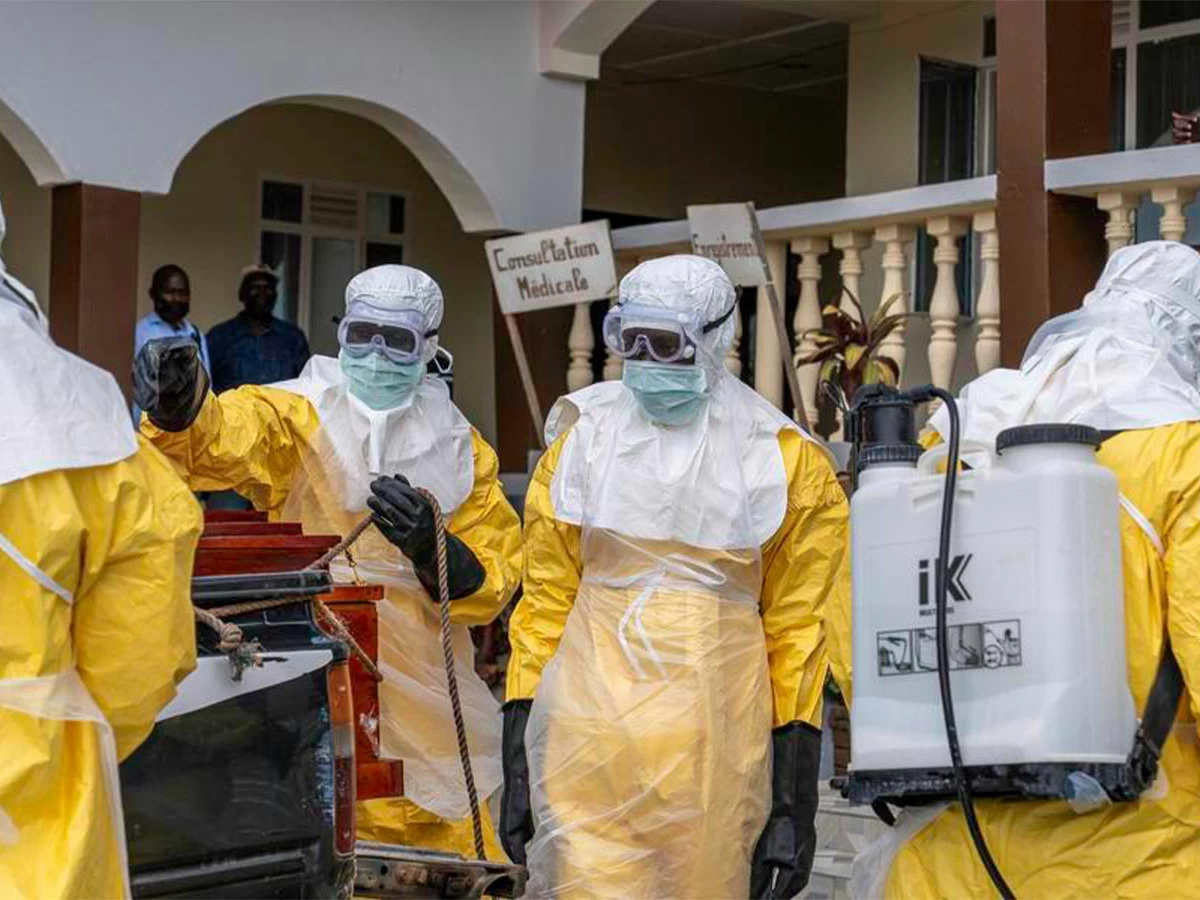
تتسع دائرة القلق من تفشي فايروس إيبولا في إفريقيا، مع ارتفاع أعداد المصابين والوفيات في جمهورية الكونغو الديمقراطية، وظهور حالات في دول أخرى، وسط تحديات صحية تعقّد جهود احتواء المرض، أبرزها غياب لقاحات وعلاجات معتمدة للسلالة المتسببة في التفشي الحالي.
وأعلنت السلطات الصحية الكونغولية تسجيل 10 آلاف و60 إصابة مؤكدة بالفايروس، إلى جانب 4887 وفاة منذ رصد التفشي في مايو، في موجة وصفت بأنها الأشد فتكًا في تاريخ البلاد.
ولم تقتصر المخاوف على الكونغو الديمقراطية، إذ رُصدت إصابات في عدد من الدول الإفريقية، من بينها كينيا وأوغندا ونيجيريا، فيما حذرت منظمة الصحة العالمية من أن احتواء التفشي يمثل تحديًا معقدًا، في ظل امتداد نطاقه إلى مناطق متباعدة من شرق القارة وغربها ووسطها.
غياب اللقاحات
وتتمثل إحدى أبرز العقبات أمام جهود المكافحة في أن التفشي الحالي ناجم عن فايروس إيبولا من سلالة بونديبوغيو، التي لا تتوافر لها لقاحات أو علاجات معتمدة، ما يزيد أهمية إجراءات الوقاية والكشف المبكر واحتواء الحالات.
وفي محاولة لتعزيز الاستجابة الصحية، أعلنت السلطات في جمهورية الكونغو الديمقراطية بدء تجربة لقاح ضد الفايروس، في خطوة تستهدف دعم الجهود الرامية إلى الحد من انتشار العدوى، بالتزامن مع استمرار إجراءات مواجهة التفشي.
إصابات في دول أخرى
وفي أوغندا المجاورة، أعلنت منظمة الصحة العالمية أواخر أغسطس خلو البلاد من التفشي، بعدما سُجلت 20 إصابة ووفاتان.
أما في كينيا، فقد سُجلت وفاتان مرتبطتان بالفايروس، بعدما لم تكن البلاد قد أبلغت عن أي إصابة به قبل السادس من أكتوبر، وفق البيانات الواردة.
وفي نيجيريا، رُصدت إصابة مؤكدة لامرأة سويسرية يُعتقد أنها تعرضت للعدوى خلال رحلة إلى أوغندا برفقة زوجها، قبل نقلها إلى سويسرا. وعلى إثر ذلك، حددت السلطات الصحية النيجيرية 53 شخصًا خالطوا المصابة، ضمن جهودها لمنع انتقال العدوى إلى مزيد من الأشخاص في البلد الأكثر اكتظاظًا بالسكان في إفريقيا.
إجراءات لاحتواء الانتشار
وتواصل السلطات الصحية في الكونغو الديمقراطية تكثيف جهودها لمواجهة التفشي، عبر رصد الحالات المشتبه فيها، وعزل المصابين، وتتبع المخالطين، إلى جانب نشر التوعية بشأن طرق انتقال العدوى والوقاية منها.
كما تشمل الإجراءات توفير التجهيزات اللازمة للعاملين في الخطوط الأمامية، الذين يشكلون عنصرًا أساسيًا في الاستجابة للوباء، في وقت تتزايد فيه الحاجة إلى احتواء التفشي ومنع امتداده إلى مناطق ودول جديدة.
The circle of concern over the spread of the Ebola virus in Africa is widening, with rising numbers of infections and deaths in the Democratic Republic of the Congo, and the emergence of cases in other countries, amid health challenges complicating efforts to contain the disease, the most prominent of which is the absence of approved vaccines and treatments for the strain responsible for the current outbreak.
The Congolese health authorities announced the registration of 10,060 confirmed cases of the virus, along with 4,887 deaths since the outbreak was detected in May, in a wave described as the deadliest in the country's history.
Concerns are not limited to the Democratic Republic of the Congo, as infections have been reported in several African countries, including Kenya, Uganda, and Nigeria, while the World Health Organization warned that containing the outbreak poses a complex challenge, given its spread to distant areas in the east, west, and central parts of the continent.
Absence of Vaccines
One of the main obstacles to containment efforts is that the current outbreak is caused by the Bundibugyo strain of the Ebola virus, for which there are no approved vaccines or treatments available, increasing the importance of preventive measures, early detection, and case containment.
In an attempt to enhance the health response, the authorities in the Democratic Republic of the Congo announced the start of a vaccine trial against the virus, in a move aimed at supporting efforts to reduce the spread of infection, alongside ongoing measures to combat the outbreak.
Infections in Other Countries
In neighboring Uganda, the World Health Organization announced at the end of August that the country was free of the outbreak, after 20 cases and two deaths were recorded.
In Kenya, two deaths linked to the virus were recorded, after the country had not reported any cases before October 6, according to the data received.
In Nigeria, a confirmed case was reported involving a Swiss woman believed to have contracted the infection during a trip to Uganda with her husband, before being transported to Switzerland. Following this, Nigerian health authorities identified 53 individuals who had come into contact with the infected person, as part of their efforts to prevent the transmission of the infection to more people in the most populous country in Africa.
Measures to Contain the Spread
The health authorities in the Democratic Republic of the Congo continue to intensify their efforts to combat the outbreak by monitoring suspected cases, isolating the infected, and tracing contacts, in addition to raising awareness about the ways the infection spreads and how to prevent it.
The measures also include providing necessary equipment for frontline workers, who are a crucial element in responding to the epidemic, at a time when the need to contain the outbreak and prevent its extension to new areas and countries is increasing.