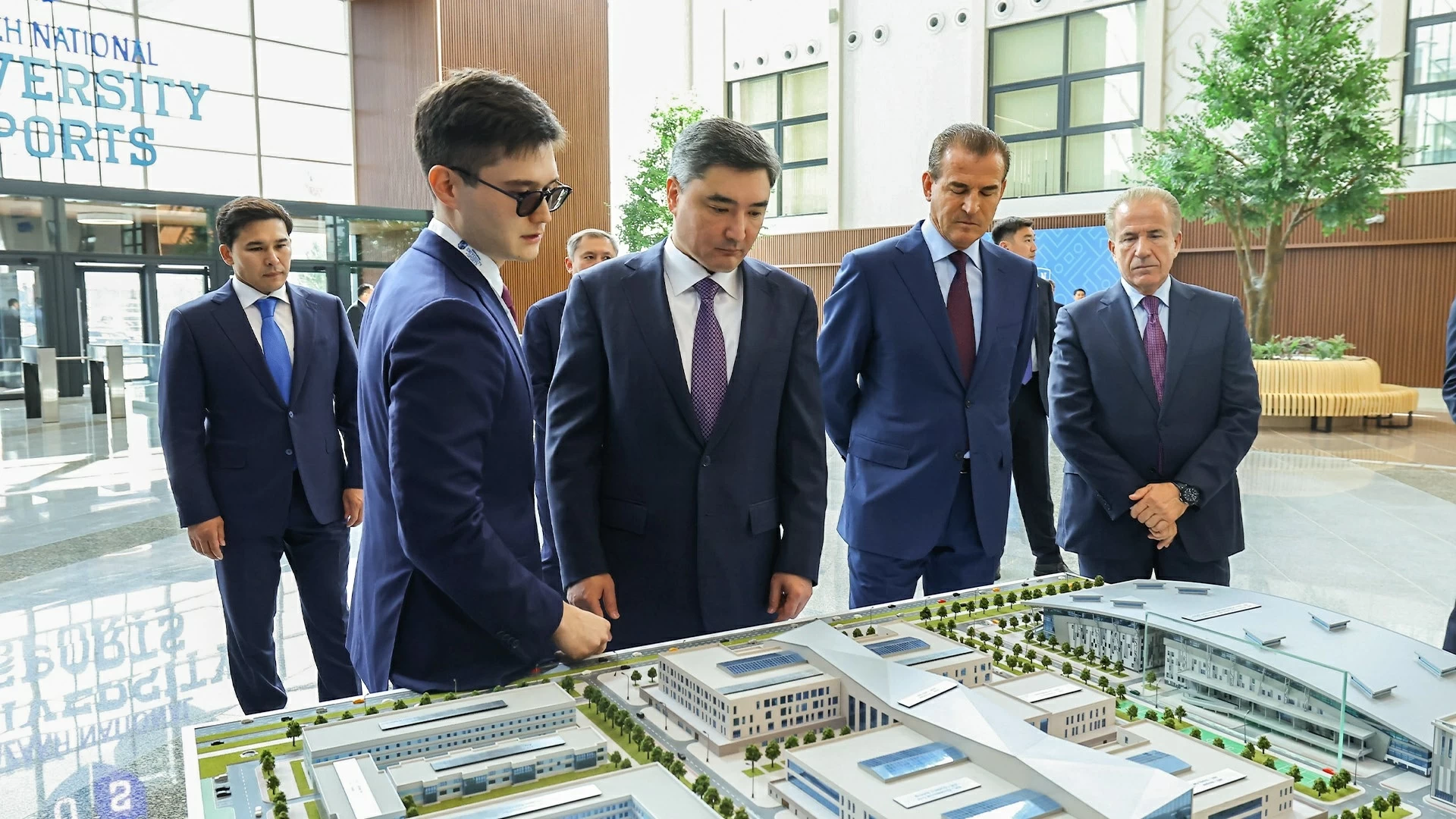
في وقت تسابق فيه كازاخستان الزمن لتحويل اقتصادها إلى نموذج رقمي متطور وتحديداً مع إعلان العام الحالي 2026 «عام الذكاء الاصطناعي»، كانت كواليس العاصمة أستانا تشهد قصة صعود استثنائية لشاب لم يتجاوز الـ23 من عمره.
الشاب نوراسيل ميدو الذي أسس مشروعه التعليمي الأول وهو طالب في الـ18 من عمره، بات اليوم اسماً يتردد بقوة في دوائر صنع القرار بعد أن حول أكاديمية رياضية متواضعة إلى جامعة وطنية عملاقة، وتبعه بمشروع ضخم لأبحاث الذكاء الاصطناعي. لكن المثير للجدل لم يكن فقط سرعة هذا الصعود، بل تفاصيل التقاطعات المعقدة بين المال والسلطة، وعلاقة القرابة التي تربطه برئيس البلاد قاسم جومارت توكاييف، إذ يُعد ميدو حفيد شقيقة الرئيس.
لم تبدأ القصة في قاعات المحاضرات، بل في دهاليز الصفقات الحكومية، فبعد أسابيع قليلة من إعلان أستانا عن خطط طموحة للتحول الرقمي وتأسيس وزارة خاصة للذكاء الاصطناعي، ظهرت إلى النور «جامعة قازاق لأبحاث الذكاء الاصطناعي». ولم تكن هذه المؤسسة مجرد مشروع تجاري عادي، بل استقرت سريعاً في قلب العاصمة داخل مبنى كروي مذهل كلّف ملايين الدولارات، وانضمّت إليه مؤسسات حكومية كشريك في الحصص وموفر للمقرات، متجاوزة الروتين البيروقراطي المعتاد.
وتكرر ذات السيناريو مع مشروعه الرياضي الأول. فعندما كان ميدو طالباً يدرس في الخارج، أسس كياناً خاصاً للتدريب الرياضي، ليتطور تدريجياً ويحصل على مجمع رياضي متكامل كلّف بناؤه ميزانية الدولة 250 مليون دولار، فضلاً عن فوز المؤسسة بعقود حكومية تجاوزت قيمتها أربعة ملايين دولار في فترة وجيزة. وبينما تواجه هذه المعطيات تساؤلات حادة حول تضارب المصالح ومؤشرات المحاباة الرئاسية، يصر ميدو على أن مشاريعه ثمرة جهد شخصي طبيعي، مؤكداً في تصريحات إعلامية أن بابه مفتوح لأي شخص يرغب في تأسيس جامعة والحصول على تراخيصها.
ومع الزيارات المتكررة للرئيس توكاييف ودعمه العلني المتكرر لهذه الصروح الأكاديمية الناشئة، يبقى الشارع الكازاخستاني أمام معادلة معقدة تجمع بين طموحات الدولة الرقمية العارمة، وبين أسئلة متداولة حول تداخل أدوار العائلة.
At a time when Kazakhstan is racing against time to transform its economy into an advanced digital model, especially with the announcement of the current year 2026 as the "Year of Artificial Intelligence," the behind-the-scenes of the capital Astana is witnessing an extraordinary rise of a young man who has not yet turned 23.
The young Norasyl Medo, who founded his first educational project while he was an 18-year-old student, has today become a name that resonates strongly in decision-making circles after he transformed a modest sports academy into a giant national university, followed by a massive project for artificial intelligence research. However, what is controversial is not just the speed of this rise, but the details of the complex intersections between money and power, and the familial relationship that ties him to the country's president, Kassym-Jomart Tokayev, as Medo is the grandson of the president's sister.
The story did not begin in lecture halls, but in the corridors of government deals. Just a few weeks after Astana announced ambitious plans for digital transformation and the establishment of a special ministry for artificial intelligence, the "Kazakh University for Artificial Intelligence Research" came to light. This institution was not just an ordinary business project; it quickly settled in the heart of the capital within a stunning spherical building that cost millions of dollars, and government institutions joined as partners in shares and as providers of premises, bypassing the usual bureaucratic routine.
The same scenario repeated itself with his first sports project. While Medo was a student studying abroad, he established a private entity for sports training, which gradually developed into a complete sports complex that cost the state budget 250 million dollars, in addition to the institution winning government contracts worth over four million dollars in a short period. While these facts raise sharp questions about conflicts of interest and indicators of presidential favoritism, Medo insists that his projects are the result of natural personal effort, affirming in media statements that his door is open to anyone wishing to establish a university and obtain its licenses.
With the repeated visits of President Tokayev and his ongoing public support for these emerging academic institutions, the Kazakh street remains faced with a complex equation that combines the overwhelming ambitions of a digital state with circulating questions about the overlapping roles of the family.