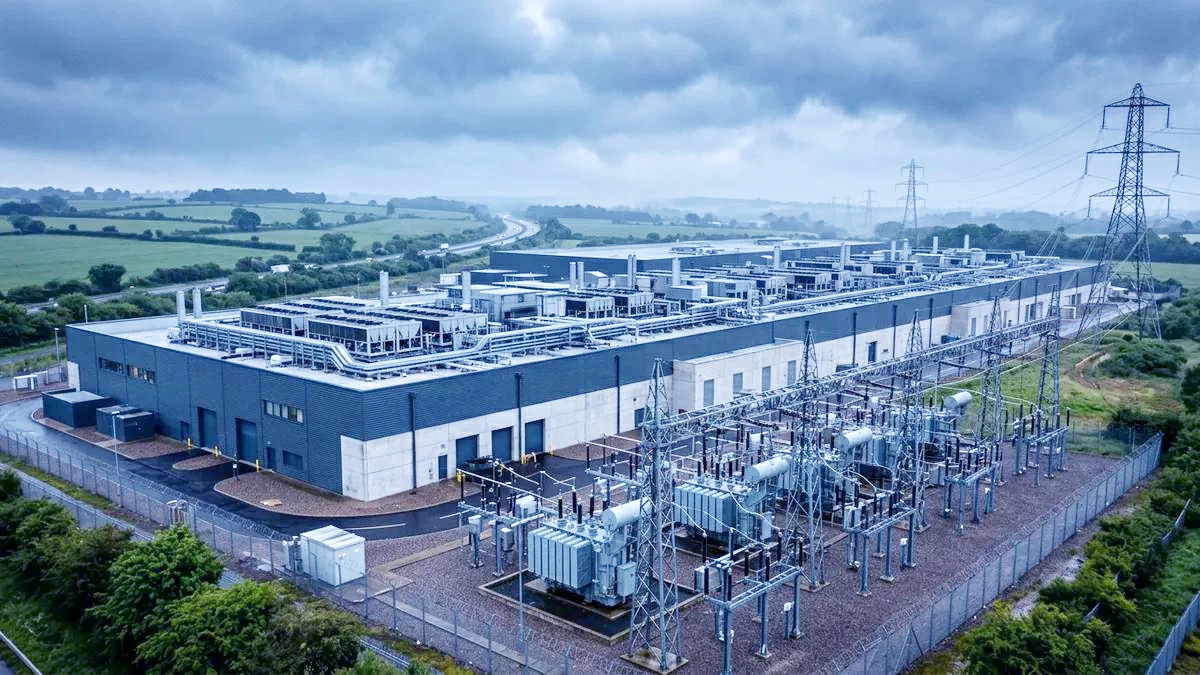
كشفت تقارير إعلامية، انسحاب شركة «مايكروسوفت» من مشروع لتطوير مراكز بيانات بالتعاون مع «Nscale» في مقاطعة إسيكس البريطانية، وسط تحديات تتعلق بتوفير الكهرباء اللازمة لتشغيل المنشآت الحاسوبية، في تطور يعكس اتساع الفجوة بين استثمارات الذكاء الاصطناعي وجاهزية البنية التحتية.
ونقلاً عن صحيفة «تلغراف»، يواجه المشروع تأخيرات محتملة في إيصال الكهرباء قد تمتد إلى ثلاثينات القرن الحالي، فيما بقيت أسباب انسحاب الشركة دون إعلان رسمي.
وكان المشروع يستهدف توفير قدرة كهربائية تبلغ 50 ميغاواط، لاستيعاب نحو 23 ألف رقاقة من «إنفيديا»، ضمن خطط التوسع في البنية التحتية للذكاء الاصطناعي.
وأكدت «Nscale»، استمرار التزامها بالمشروع والبحث عن مصادر بديلة للطاقة، مع بقاء تعاونها مع «مايكروسوفت» في مشاريع أخرى.
ويكشف التطور عن تحديات تواجه مراكز البيانات، مع ارتفاع متطلبات الطاقة والتبريد وتكاليف التشغيل، وسط سباق عالمي لتوسيع القدرات الحاسوبية.
وتضع الأزمة الشركات أمام اختبار اقتصادي يتجاوز امتلاك المعالجات والتمويل إلى ضمان استدامة التشغيل، إذ أصبحت جاهزية الكهرباء عاملاً حاسماً في تحويل الاستثمارات التقنية الضخمة إلى مشاريع منتجة، بعيداً عن الوعود والجداول الزمنية المتفائلة.
Media reports have revealed that Microsoft has withdrawn from a project to develop data centers in collaboration with Nscale in Essex, UK, amid challenges related to providing the necessary electricity to operate the computing facilities. This development reflects the widening gap between investments in artificial intelligence and the readiness of infrastructure.
According to the Telegraph, the project faces potential delays in electricity delivery that could extend into the 2030s, while the reasons for the company's withdrawal remain officially unannounced.
The project aimed to provide an electrical capacity of 50 megawatts to accommodate around 23,000 Nvidia chips as part of plans to expand infrastructure for artificial intelligence.
Nscale confirmed its continued commitment to the project and its search for alternative energy sources, while maintaining its collaboration with Microsoft on other projects.
This development highlights the challenges facing data centers, with rising energy and cooling requirements and operational costs, amid a global race to expand computing capabilities.
The crisis puts companies to an economic test that goes beyond merely owning processors and financing to ensuring operational sustainability, as electricity readiness has become a critical factor in transforming massive tech investments into productive projects, away from promises and optimistic timelines.