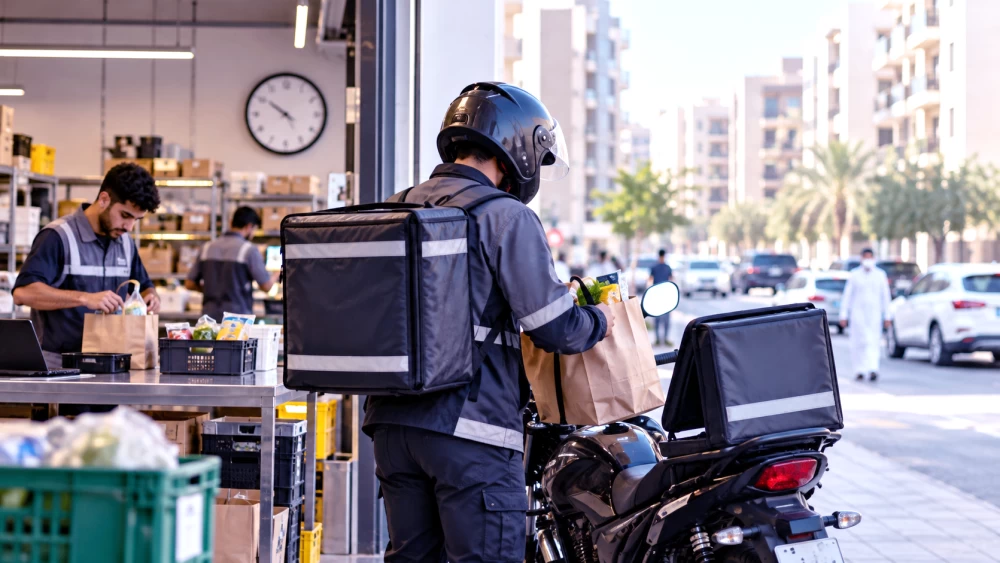
تحولت دقائق الانتظار إلى ميدان جديد للمنافسة بين تطبيقات التوصيل، بعدما أصبحت بعض الخدمات تعد المستهلك بوصول احتياجاته اليومية خلال 15 دقيقة أو أقل. طلب يُنجز عبر الهاتف، ومستودع قريب يجهز المشتريات، ومندوب ينطلق نحو العنوان؛ سلسلة عمليات تختصر رحلة التسوق التقليدية، لكنها تفتح أسئلة اقتصادية واجتماعية حول الكلفة الحقيقية لهذه السرعة.
يقوم نموذج التوصيل الفائق السرعة، على مستودعات صغيرة موزعة بالقرب من الأحياء السكنية، تتيح تجهيز الطلبات بسرعة وتقليص المسافة إلى المستهلك. وتمنح هذه المنظومة الشركات فرصة جذب العملاء الباحثين عن الراحة، خصوصاً في المشتريات اليومية والاحتياجات المفاجئة.
لكن الوعد بالوصول خلال دقائق يفرض ضغوطاً تشغيلية متواصلة؛ فكل مرحلة تخضع لحساب الوقت، من اختيار المنتجات وتغليفها إلى تسليمها ونقلها. ومع اشتداد المنافسة، تصبح القدرة على الالتزام بالمدة المعلنة جزءاً أساسياً من تقييم الخدمة، ما يثير تساؤلات حول أثر ذلك في ظروف العمل وسلامة المندوبين.
اقتصادياً، تواجه الشركات معادلة معقدة بين سرعة التسليم وتكاليف المستودعات والعمالة والنقل، خصوصاً عندما تكون قيمة الطلب محدودة. وقد تدفع هذه التكاليف إلى فرض رسوم إضافية أو اشتراط حد أدنى للشراء، فيما يتحمل المستهلك جزءاً من كلفة الراحة التي يحصل عليها.
ويمتد التأثير إلى المتاجر التقليدية، التي تواجه منافسة من خدمات قادرة على الوصول إلى المنازل دون حاجة العميل إلى مغادرتها، الأمر الذي يعيد تشكيل أنماط التسوق والعلاقة بين المستهلك والمتجر القريب.
أما اجتماعياً، فتغذي هذه الخدمات ثقافة الاستجابة الفورية، إذ تتحول الحاجة البسيطة إلى طلب عاجل، ويصبح الانتظار القصير معياراً للحكم على جودة الخدمة. وتكشف هذه المنافسة مفارقة تستحق التوقف؛ فالدقائق التي يوفرها المستهلك قد تتحول إلى ضغط مضاعف على العاملين والمنظومة التشغيلية. ومن هنا، ينبغي أن يُقاس نجاح التوصيل السريع بقدرته على تحقيق التوازن بين راحة العميل وعدالة التكلفة وسلامة العامل، بدلاً من اختزال جودة الخدمة في سباق مستمر مع عقارب الساعة.
The minutes of waiting have turned into a new arena for competition among delivery applications, as some services now promise consumers that their daily needs will arrive within 15 minutes or less. An order is placed via phone, a nearby warehouse prepares the purchases, and a courier heads to the address; a series of operations that shortens the traditional shopping journey, but raises economic and social questions about the true cost of this speed.
The ultra-fast delivery model relies on small warehouses distributed near residential neighborhoods, allowing for quick order preparation and reducing the distance to the consumer. This system gives companies the opportunity to attract customers seeking convenience, especially for daily purchases and sudden needs.
However, the promise of delivery within minutes imposes continuous operational pressures; every stage is subject to time calculations, from selecting and packaging products to delivering and transporting them. As competition intensifies, the ability to adhere to the announced timeframe becomes an essential part of service evaluation, raising questions about the impact on working conditions and the safety of couriers.
Economically, companies face a complex equation between delivery speed and the costs of warehouses, labor, and transportation, especially when the order value is limited. These costs may lead to the imposition of additional fees or a minimum purchase requirement, while the consumer bears part of the cost of the convenience they receive.
The impact extends to traditional stores, which face competition from services capable of reaching homes without the customer needing to leave, reshaping shopping patterns and the relationship between the consumer and the nearby store.
Socially, these services fuel a culture of instant response, as a simple need transforms into an urgent request, and a short wait becomes a standard for judging service quality. This competition reveals a paradox worth noting; the minutes saved by the consumer may turn into multiplied pressure on workers and the operational system. Therefore, the success of fast delivery should be measured by its ability to achieve a balance between customer convenience, cost fairness, and worker safety, rather than reducing service quality to a continuous race against the clock.