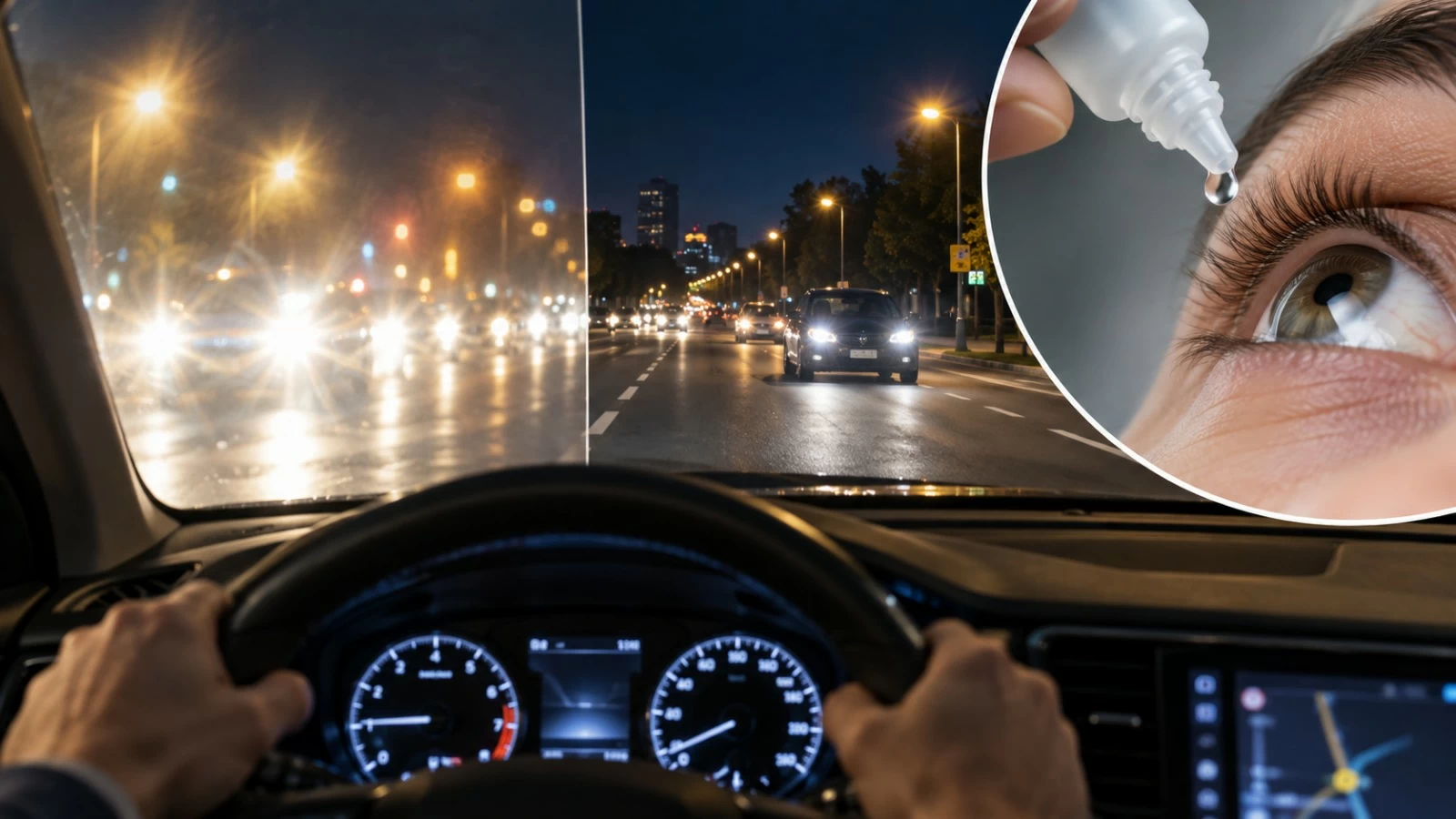
أظهرت تجربة سريرية متقدمة نتائج واعدة لقطرات عين تجريبية قد تساعد الأشخاص الذين يعانون صعوبة الرؤية في الإضاءة الخافتة، بما في ذلك الوهج والهالات الضوئية وتشوش الرؤية أثناء القيادة ليلاً.
ونُشرت نتائج التجربة، المعروفة باسم «LYNX-1»، في المجلة الأمريكية لطب العيون، وشملت 145 شخصاً يعانون اضطرابات في الرؤية تحت الإضاءة المنخفضة، وجرى توزيعهم عشوائياً لتلقي قطرات تحتوي على محلول «فينتولامين» بتركيز 0.75% أو علاج وهمي.
قطرة واحدة لمدة 14 يوماً
وطُلب من المشاركين وضع قطرة واحدة في كل عين مرة واحدة ليلاً لمدة 14 يوماً، فيما تابع الباحثون قدرتهم على رؤية التفاصيل منخفضة التباين في ظروف الإضاءة الخافتة، إلى جانب قياس حجم حدقة العين ورصد أعراض الوهج والهالات والومضات الضوئية.
وأجريت التجربة في 19 مركزاً داخل الولايات المتحدة، فيما كان بين المشاركين أشخاص سبق أن خضعوا لجراحات لتصحيح النظر مثل «الليزك».
تحسن بعد أيام من الاستخدام
وأظهرت النتائج أن 13% من مستخدمي القطرات سجلوا تحسناً ملحوظاً في اختبار الرؤية منخفضة التباين بحلول اليوم الثامن، مقارنة بـ3% فقط في مجموعة العلاج الوهمي.
وبحلول اليوم الـ15، ارتفعت نسبة من سجلوا التحسن إلى 21% بين مستخدمي القطرات، مقابل 3% لدى المجموعة الأخرى، فيما أبلغ المشاركون عن انخفاض في شدة الوهج والهالات والومضات الضوئية.
كيف تعمل القطرات؟
ويعمل «فينتولامين» على تقليص حجم حدقة العين بدرجة معتدلة ومستمرة، من خلال تثبيط العضلة المسؤولة عن توسيع الحدقة، وهو ما قد يقلل كمية الضوء المتشتت داخل العين ويحسن الرؤية في بعض ظروف الإضاءة الضعيفة.
وأشارت الدراسة إلى أن تأثير تضييق الحدقة قد يستمر لمدة لا تقل عن 20 ساعة، من دون التأثير المباشر في العضلة الهدبية المسؤولة عن تركيز العين.
آثار جانبية محدودة
وذكر الباحثون أن معظم الآثار الجانبية المسجلة خلال التجربة كانت خفيفة ومؤقتة، ولم تظهر فروق مهمة بين مجموعتي العلاج في احمرار العين أو المؤشرات الحيوية التي جرى رصدها.
ليست علاجاً متاحاً حتى الآن
ورغم النتائج الواعدة، لا تزال القطرات قيد الدراسة لعلاج اضطرابات الرؤية في الإضاءة المنخفضة، ولم تحصل حتى الآن على موافقة إدارة الغذاء والدواء الأمريكية لهذا الاستخدام.
وحصل البرنامج العلاجي الخاص بمشكلات الرؤية الليلية لدى من خضعوا لجراحات تصحيح النظر على تصنيف «المسار السريع» من الإدارة الأمريكية، في خطوة تهدف إلى تسريع تطوير ومراجعة العلاجات الموجهة للحالات التي تفتقر إلى خيارات علاجية معتمدة.
A clinical trial has shown promising results for experimental eye drops that may help individuals who struggle with vision in low-light conditions, including glare, halos, and blurred vision while driving at night.
The results of the trial, known as "LYNX-1," were published in the American Journal of Ophthalmology and involved 145 individuals suffering from vision disorders under low-light conditions, who were randomly assigned to receive drops containing a 0.75% solution of "phenylephrine" or a placebo.
One drop for 14 days
Participants were asked to apply one drop in each eye once at night for 14 days, while researchers monitored their ability to see low-contrast details in dim lighting, along with measuring pupil size and tracking symptoms of glare, halos, and light flashes.
The trial was conducted at 19 centers across the United States, and among the participants were individuals who had previously undergone vision correction surgeries such as LASIK.
Improvement after days of use
The results showed that 13% of drop users reported a significant improvement in low-contrast vision testing by day eight, compared to only 3% in the placebo group.
By day 15, the percentage of those who reported improvement rose to 21% among drop users, versus 3% in the other group, while participants reported a decrease in the severity of glare, halos, and light flashes.
How do the drops work?
"Phenylephrine" works by moderately and continuously constricting the pupil size by inhibiting the muscle responsible for dilating the pupil, which may reduce the amount of light scattered within the eye and improve vision in certain low-light conditions.
The study indicated that the effect of pupil constriction may last for at least 20 hours, without directly affecting the ciliary muscle responsible for focusing the eye.
Limited side effects
Researchers noted that most of the side effects recorded during the trial were mild and temporary, with no significant differences between the treatment groups in terms of eye redness or the vital signs that were monitored.
Not an available treatment yet
Despite the promising results, the drops are still under investigation for treating vision disorders in low-light conditions and have not yet received approval from the U.S. Food and Drug Administration for this use.
The therapeutic program for night vision problems among those who have undergone vision correction surgeries has received "fast track" designation from the U.S. administration, in a move aimed at accelerating the development and review of treatments targeted at conditions lacking approved therapeutic options.